
Remember me





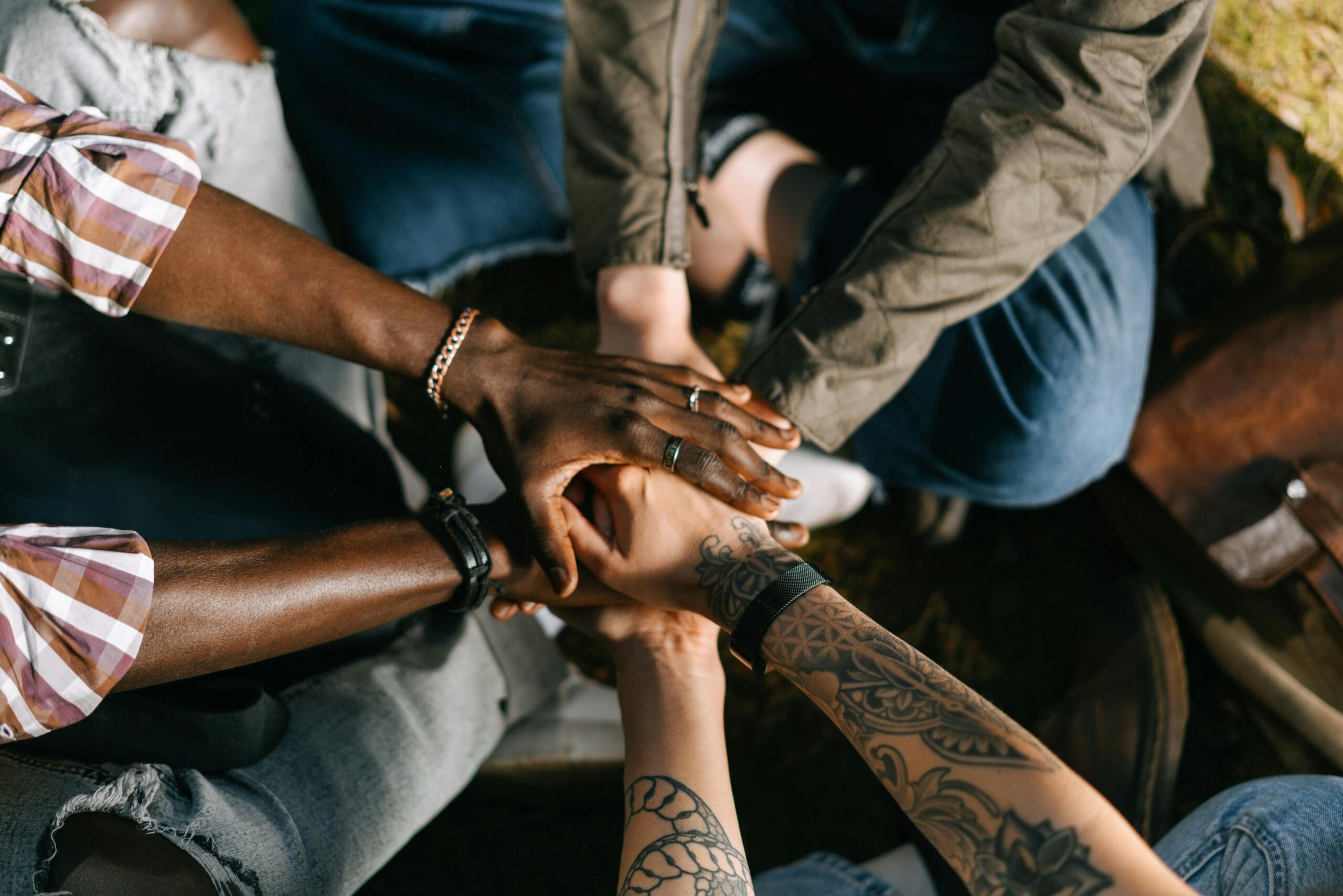


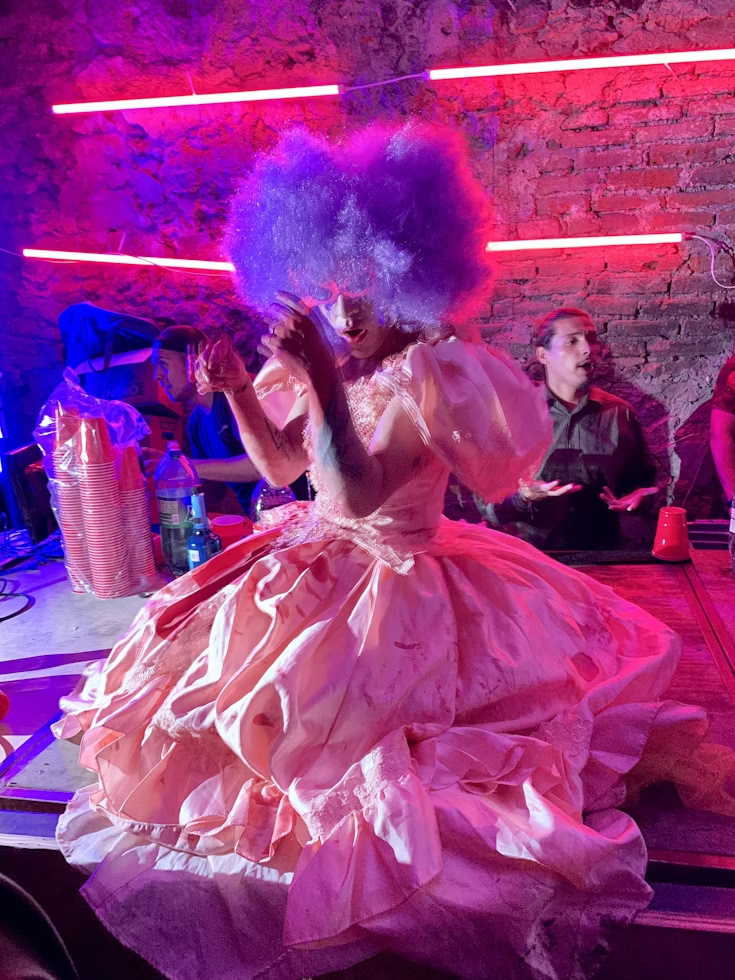

Healing isn’t a straight line for anyone, but for people in marginalized groups, the road is often filled with extra roadblocks. Most standard medical models aren’t built for them; instead, these systems tend to reflect the biases of the majority, which can leave people of color or those struggling financially feeling like they don’t belong in the very spaces meant to help them. Inclusive wellness flips this script, moving away from a one-size-fits-all mindset and building a flexible, culturally aware support system. By actually listening to people’s real-life stories, this approach does more than just help someone stay sober. It brings back their dignity and gives them a community to lean on.
Here’s how inclusive wellness tears down the old barriers of traditional medicine to make sure everyone has a safe place to get better:
Validating Lived Experience Through Cultural HumilityRecovery begins with the fundamental need to be seen and understood without the filter of external stereotypes. Inclusive wellness prioritizes cultural humility over mere competence, encouraging practitioners to recognize that they’re not the ultimate authorities on a client’s internal world. When a wellness program validates the specific stressors faced by marginalized groups, such as the psychological toll of microaggressions or the exhaustion of code-switching, it creates a space where healing can actually take root. This validation prevents the secondary trauma of being misunderstood by the very people tasked with providing support.
Many individuals from diverse backgrounds have spent their lives defending their reality against a world that seeks to minimize it. In a truly inclusive recovery setting, the burden of proof is removed from the individual. It transforms the clinical environment into a collaborative sanctuary where the patient is the expert on their own life. This shift in power dynamics is essential for building the trust necessary for deep psychological work.
Dismantling the Stigma of Mental Health in Specific DialectsIn many communities of color and immigrant households, the vocabulary surrounding mental health and addiction is often fraught with shame or rendered invisible by linguistic gaps. Inclusive wellness addresses this by utilizing well-being frameworks that resonate with specific cultural idioms rather than relying solely on Western psychiatric jargon. Wellness advocates adapt the language of recovery to match the community’s natural way of communicating, lowering the threshold for entry. This approach allows individuals to discuss their struggles in terms that feel authentic rather than clinical, effectively dismantling the silence that often tethers people to their cycles of use.
For instance, in some cultures, emotional distress is expressed through somatic complaints or spiritual metaphors. A practitioner who insists on using rigid diagnostic labels may inadvertently alienate a person who feels their experience is being pathologized in a way that feels foreign. Inclusive wellness bridges this gap by meeting people where they are linguistically, ensuring that the message of hope isn’t lost in translation.
Creating Safe Havens Through Identity-Specific Peer SupportThe power of shared experience is amplified when the person offering support shares your specific intersectional identity. Inclusive wellness facilitates the creation of affinity groups, such as recovery circles specifically for Black LGBTQ+ individuals or Spanish-speaking mothers, where members don’t have to explain the basics of their existence before discussing their sobriety. In these spaces, the shared understanding of systemic challenges acts as a buffer against the isolation that fuels relapse. These groups provide a unique form of social capital, ensuring that the support system isn’t just available, but deeply relatable.
When an individual walks into a room and sees people who look like them, speak like them, and face the same societal hurdles, the walls of shame begin to crumble. This sense of belonging is a primary human need, and for those who’ve been marginalized by society, finding a tribe that understands the intersection of their identity and their addiction is often the turning point in their recovery journey.
Ultimately, this localized sense of belonging is most effective when mirrored by professional environments that prioritize these same values. For instance, accessing reputable recovery centers catering to mental health in the LGBTQ+ community is essential, as these facilities provide the specialized clinical expertise and cultural competency necessary to address the specific traumas and systemic stressors that often underpin struggles within the queer community.
 Addressing the Nuances of Historical and Intergenerational Trauma
Diverse communities often carry a soul wound that transcends the individual, rooted in generations of systemic oppression, forced relocation, or state-sanctioned violence. Standard recovery models often focus strictly on the individual’s immediate behaviors, but inclusive wellness looks deeper into the collective history that shapes a person’s nervous system. It acknowledges that an individual’s struggle with substance use may be an adaptive response to historical trauma, so wellness practitioners offer more compassionate, trauma-informed care. This perspective shifts the narrative from a focus on individual failure to an understanding of systemic injury.
When we view addiction through the lens of intergenerational trauma, we begin to see that the symptoms are often survival mechanisms passed down through the bloodline. Inclusive wellness works to break these cycles by treating the entire lineage, offering tools that help the individual heal not just themselves, but the legacy they’ll leave for the next generation.
Integrating Ancestral and Indigenous Healing ModalitiesFor many diverse communities, the most profound sources of strength are found in ancestral practices that predated modern psychology. Inclusive wellness bridges the gap between clinical evidence-based practices and traditional healing, such as the Wellbriety movement or the use of sweat lodges, smudging, and herbal medicine. When recovery programs incorporate these elements, they respect the spiritual heritage of the individual, treating the spirit with the same urgency as the body. This integration signals that a person’s culture is an asset to their recovery, not an obstacle to be overcome or replaced by modern science.
For an indigenous person, a connection to the land and the rituals of their ancestors can provide a sense of grounding that a sterile therapist’s office cannot replicate. By honoring these traditions, inclusive wellness validates the wisdom of the past, helping individuals reclaim a sense of identity that may have been stripped away by the forces of colonization or assimilation. This reclamation is a powerful catalyst for long-term sobriety.
Reimagining Family and Community InvolvementMany Western recovery models emphasize individual autonomy and rigid boundaries, which can clash with the collectivist values of many African, Asian, and Latin cultures. Inclusive wellness adapts by expanding the definition of family to include chosen kin, elders, and community leaders who play pivotal roles in an individual’s life. Rather than isolating the person in recovery, these programs invite the community in, recognizing that the health of the individual is inextricably linked to the health of their social ecosystem. This holistic involvement ensures that the individual returns to a supportive environment that understands and reinforces their growth.
In many cultures, the concept of the individual is secondary to the concept of the “we.” Inclusive wellness ensures that the recovery is sustainable by involving the broader community in the healing process. It educates the support network on how to provide help without enabling, while also teaching the individual how to thrive within their cultural framework rather than apart from it.
Mitigating Socioeconomic Barriers to Holistic CareWellness is often marketed as a luxury, involving expensive retreats or high-end organic diets, which effectively excludes those from lower socioeconomic backgrounds. Inclusive wellness democratizes health by providing accessible, low-cost, or community-based resources like public park yoga, community gardens, or sliding-scale acupuncture. Inclusive wellness ensures that the tools for emotional regulation and physical health are available to everyone by removing the financial gatekeeping of self-care.
For a person in recovery who’s also struggling with housing instability or food insecurity, the idea of wellness can feel like a cruel joke. Inclusive programs address these realities head-on, providing practical support like transportation vouchers, childcare, and nutritious meals. This approach recognizes that you can’t treat a person’s addiction in a vacuum; you must also address the material conditions of their life.
Enhancing Resilience Through Somatic and Body-Positive PracticesTrauma and addiction often lead to a disconnection from the physical self, particularly for those whose bodies have been policed or marginalized by society. Inclusive wellness employs somatic experiencing and trauma-sensitive movement that honors all body types, abilities, and gender expressions. These practices help individuals in recovery reclaim their physical autonomy and develop a more compassionate relationship with their bodies. Focusing on how the body carries stress and how it can be a source of strength, inclusive wellness provides a grounded pathway for managing the physiological cravings and triggers that define the early stages of sobriety.
For many people in diverse communities, the body has been a site of trauma, whether through medical neglect, violence, or societal scrutiny. Inclusive movement practices allow individuals to inhabit their bodies safely, teaching them to listen to their physical cues and find peace within their own skin. This embodiment is a critical component of emotional regulation and long-term health.
Fostering Representation in Leadership and Care TeamsIt’s difficult to envision a future of wellness when none of the providers reflect your own identity. Inclusive wellness mandates that leadership and clinical teams be as diverse as the communities they serve. When a person in recovery sees their identity reflected in their counselor, doctor, or yoga instructor, it builds an immediate bridge of trust. This representation ensures that the nuances of policy and practice are informed by diverse perspectives, preventing the unintentional biases that can lead to higher dropout rates among marginalized populations.
A diverse workforce brings a wealth of lived experience that can’t be taught in a textbook. It allows for a more nuanced understanding of the obstacles patients face and provides a roadmap for success that feels attainable. When leadership is diverse, the very structure of the organization is more likely to be equitable, as those at the top understand the systemic challenges that their clients are navigating every day.
Navigating the Intersection of Faith and SobrietyFor many diverse communities, spirituality is the primary lens through which the world is viewed, yet secular recovery programs sometimes struggle to integrate faith authentically. Inclusive wellness recognizes that for some, a connection to a higher power or a religious community is the strongest predictor of success. Rather than asking individuals to check their faith at the door, inclusive wellness collaborates with religious leaders to create a seamless transition between spiritual support and clinical care. This respect for the sacred allows individuals to draw on their deepest values as a source of motivation and accountability.
Whether it’s through prayer, meditation, or participation in religious rituals, faith provides a framework for meaning that can be incredibly restorative. When wellness practitioners honor an individual’s spiritual beliefs, they can tap into a powerful source of resilience that helps the person navigate the darkest moments of their recovery journey.
Utilizing Technology to Close the Accessibility GapIn an era where geographic distance and transportation can be significant hurdles, inclusive wellness leverages digital platforms to bring support directly to underserved areas. Whether through culturally tailored recovery apps or telehealth sessions conducted in an individual’s native language, technology serves as a tool for equity. These digital resources provide a continuous touchpoint for individuals who might otherwise be isolated, ensuring that the wellness part of recovery is a practice they can engage with in their daily lives.
Inclusive wellness programs use these tools to build virtual communities that transcend physical boundaries, offering 24/7 support tailored to the specific needs of the user. This digital frontier allows for a level of personalization and consistency that was previously impossible, making recovery more sustainable for those who face traditional barriers to care.
Empowering Advocacy and Civic Engagement as Part of HealingInclusive wellness recognizes that individual healing is often tied to the ability to impact the world for the better. Many programs encourage individuals in recovery to engage in advocacy work, addressing the very systemic issues (like housing instability or food deserts) that contributed to their initial struggle. This service-to-others model is a cornerstone of recovery, but in an inclusive context, it becomes an act of social empowerment. When individuals feel they have the agency to change their community, their sense of purpose is fortified, creating a powerful deterrent to the hopelessness that often precedes a return to use.
Advocacy allows individuals to take the pain of their past and transform it into a catalyst for social change. By fighting for better policies and more equitable resources, they’re reinforcing their own recovery by asserting their value and their power. This civic engagement turns the victim narrative on its head, empowering the individual to become a leader and a change agent in their own right.
ConclusionInclusive wellness succeeds by transforming the isolation of addiction into a shared experience of collective strength and healing. Rather than focusing solely on sobriety, this approach provides people with the tools to recover within their own cultures and communities, helping them build lives defined by purpose and joy. At its heart, true recovery is about restoring the whole person and ensuring they feel seen and valued by the world around them. Inclusive wellness ensures no one is left behind, maintaining a steady commitment to a path of healing that truly feels like home.
Comments (0)