
Remember me


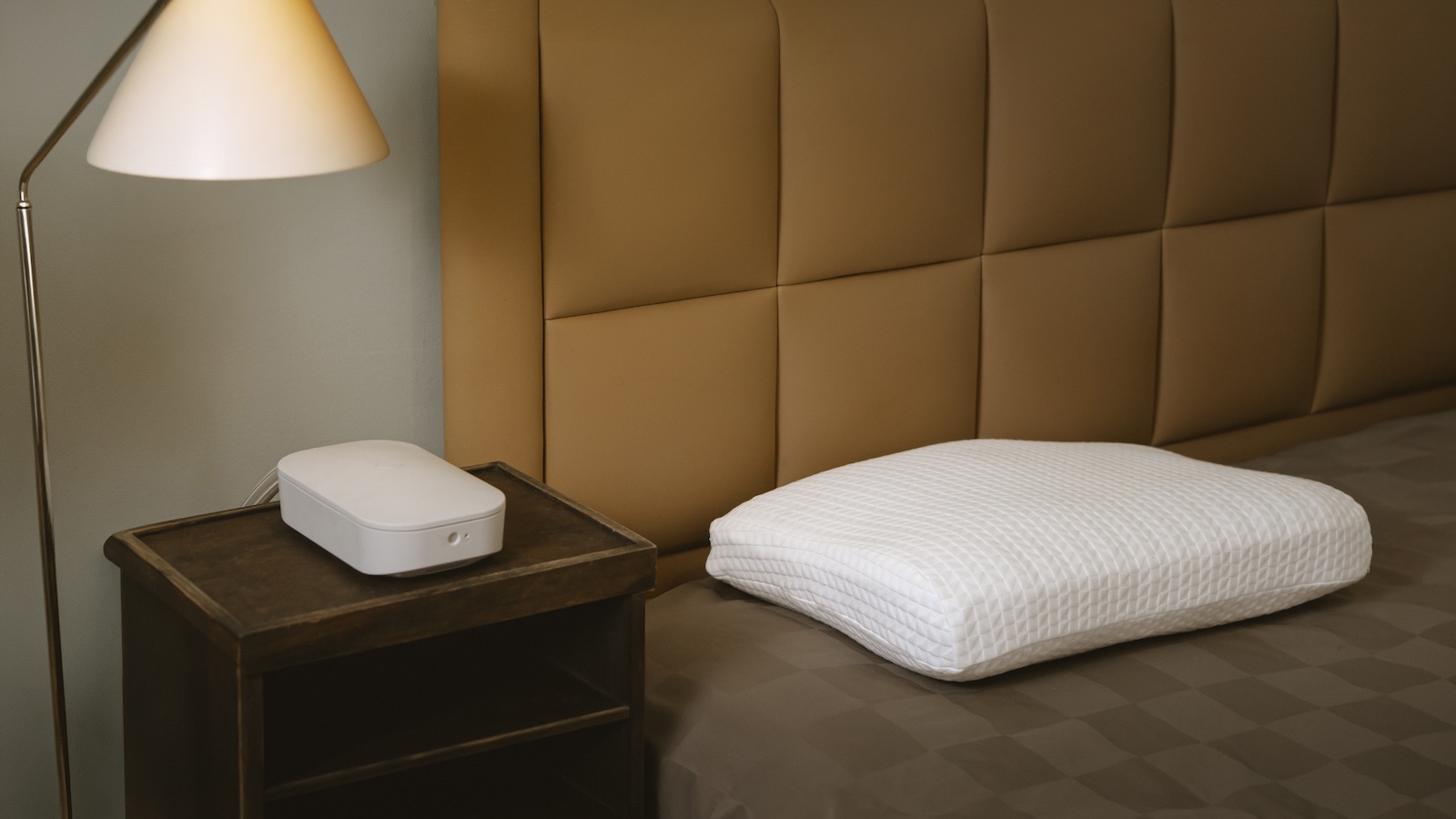



 Image Credits: Mirakuru
You know that feeling—you slept “enough,” but still woke up… off. Not terrible. Not great. Just not reset.
Most of us blame stress, screens, or caffeine. Rarely the pillow.
But here’s the uncomfortable truth: a regular pillow is basically static. You go to sleep, it supports you in one position, and then… nothing changes. For 6–8 hours.
Mirakuru steps in with a deceptively simple idea: what if your pillow didn’t stay still?
What Mirakuru actually does (without overcomplicating it) Image Credits: Mirakuru
At first glance, Mirakuru looks like a premium everyday pillow. No flashy screens, no app notifications, no “smart home” jargon.
Under the surface, though, it’s running a 6 air chamber system that slowly shifts support zones while you sleep. Not dramatically. Not in a way you’ll notice mid-dream. Just enough to prevent your head and neck from sitting in the exact same pressure point all night.
Think of it less like a gadget—and more like a dynamic surface.
The chambers move both vertically and laterallyThe motion is slow, subtle, and quietThe result is constant micro-adjustment, instead of static supportAnd that changes the experience more than you’d expect.
The part I didn’t expect to matter this much: pressure redistributionMost sleep products try to add something—cooling gel, memory foam layers, ergonomic curves.
Mirakuru removes the problem instead.
 Image Credits: Mirakuru
Instead of building the “perfect” fixed shape, it avoids letting pressure build up in the first place.
No single spot stays compressed for hoursNo “one position” that you’re stuck inNo need to keep flipping the pillow at 3 AMIt’s subtle, but it tackles a real issue: comfort fatigue. That slow, creeping discomfort you don’t notice until you wake up.
Here’s where Mirakuru gets something very right.
It doesn’t try to be “smart.”
There’s:
No appNo pairingNo sleep scores staring you down in the morningYou press one button. It runs quietly through the night.
That’s it.
And honestly? That restraint feels refreshing. In a world where everything wants to be connected, this is one of those rare products that understands when to stop.
Who this is actually for (and who it isn’t)Let’s be clear—this isn’t a niche product pretending to be universal.
It’s built for everyday use, but it’ll click more with certain people:
This will make sense if:
You wake up feeling “fine, but not refreshed”You switch between back and side sleepingYou like the idea of passive comfort (not something you have to manage)This probably won’t:
Replace medical or therapeutic sleep solutionsAct like a massage or intervention deviceAppeal to people who want deep customization or trackingAnd that’s intentional. Mirakuru isn’t trying to solve everything. It’s trying to quietly improve something you already use every night.
The design philosophy that stands outThere’s a line in the product story that stuck with me:
“Sleep should feel like a reset, not just time passing.”
That’s exactly what this product is chasing.
The founder didn’t build a “feature-heavy” pillow. He built something that:
Works in the backgroundDoesn’t demand attentionFits into your routine instead of changing itAfter more than a decade of iteration, the focus is clear: make sleep feel better without making it complicated.
So… does it actually feel different?Here’s the honest take:
You’re not going to lie down and think, “Wow, futuristic pillow.”
That’s not the experience.
What you’ll notice—if it works for you—is more subtle:
Fewer micro wake-upsLess urge to adjust your pillowA slightly lighter, more “complete” feeling in the morningIt’s the kind of product where the value shows up after the fact, not during.
Final take: a quiet upgrade to something we’ve ignored for too longMirakuru isn’t trying to reinvent sleep with bold claims or aggressive tech.
It’s doing something much harder:
redefining a basic object without making it feel like a gadget.
And that’s why it works.
If most sleep tech is about adding layers—features, data, interventions—this is about removing friction.
A pillow that doesn’t stay still.A system that doesn’t need your attention.A morning that feels just a little more complete.Not dramatic. Not flashy.
Just… better.
Madhurima Nag is the Head of Content at Gadget Flow. She side-hustles as a parenting and STEM influencer and loves to voice her opinion on product marketing, innovation and gadgets (of course!) in general.