Real or fake watermelon? This quick home test can help you find out instantly
As temperatures rise, watermelons are flying off fruit carts across markets, but food safety officials are warning buyers to look twice before cutting one open. Authorities say some watermelons are being artificially coloured or chemically altered to look fresher and sweeter, making it important for consumers to know how to check whether the fruit they bring home is safe to eat.
Why adulterated watermelons are a growing concern
With summer demand surging, some sellers reportedly use unsafe methods to enhance watermelon appearance. Artificial colouring agents such as erythrosine and other chemicals may be injected to intensify the red colour and make the fruit seem ripe and appealing.
Regular consumption of such treated fruit can trigger digestive trouble, food poisoning and, in some cases, long-term health complications. Children and older adults are especially vulnerable to these risks.
Check the inner colour before eating
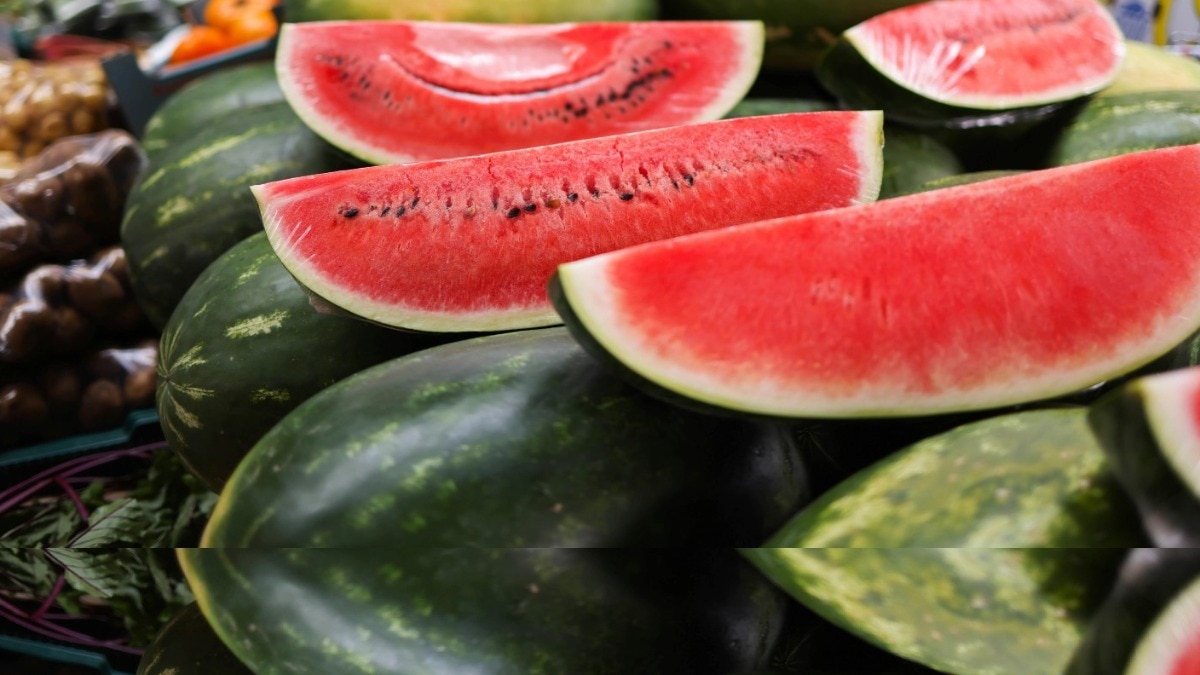
One of the quickest warning signs lies inside the fruit itself. Naturally ripened watermelon typically shows uneven shades of red or pink along with visible fibre patterns.
If the flesh appears unusually bright, overly uniform or almost artificially vibrant, it may indicate tampering and should be treated with caution.
Try the tissue paper test at home
A simple household check can help detect added colour. Rub a clean white tissue or cotton gently on a freshly cut piece of watermelon pulp.
If the tissue picks up strong red or pink staining, this could suggest the presence of an artificial dye. Natural watermelon juice does not leave such intense colour marks.
Texture and cracks can reveal warning signs
The internal texture of the fruit also offers clues. A genuine watermelon usually feels firm and slightly grainy when cut.
In contrast, overly soft, watery flesh or unusual cracks and separations inside the fruit may signal chemical interference during ripening.
Taste is another important indicator
Flavour differences can also point to possible adulteration. Naturally ripened watermelon has a mild, refreshing sweetness.
If the fruit tastes excessively sweet, bland or slightly bitter, it may not be safe for consumption. Trusting your taste can sometimes be as useful as visual inspection.
Seeds can help identify natural ripening
Seed appearance provides another useful hint. Healthy, naturally grown watermelons typically contain dark brown or black seeds that are well-formed.
Seeds that look pale, uneven or underdeveloped may indicate artificial ripening methods.
Examine the outer surface before buying
The skin itself can reveal whether the fruit matured naturally. A genuine watermelon usually has a dull green finish along with a yellow patch, known as a field spot, where it rested on the ground while growing.
A shiny or overly polished surface may suggest external treatment to enhance appearance. The yellow patch, on the other hand, is generally a positive sign.
Use the water test to detect artificial colour
Another quick method is to place a small piece of watermelon in a glass of water.
If the water turns red quickly, it could indicate the presence of added colouring. Natural juice does not disperse so rapidly or intensely in water.
Why pre-cut watermelons may not be the safest choice
Cut fruit sold in the open is more exposed to contamination and handling risks. Buying whole watermelons, washing them thoroughly before slicing and storing them properly in the refrigerator is a safer approach.
What food safety authorities advise consumers
The Food Safety and Standards Authority of India has repeatedly cautioned consumers about fruit adulteration during the peak summer months. It recommends purchasing produce from reliable vendors, avoiding unusually bright-looking fruits and washing them carefully before consumption.
Staying aware of common adulteration techniques can significantly reduce health risks.
Health problems linked to chemically treated watermelon
Eating adulterated watermelon may lead to stomach discomfort, nausea, vomiting and allergic reactions. Repeated exposure to harmful chemicals over time may also result in more serious health effects.
Pregnant women, children and elderly individuals are particularly at higher risk and should be extra cautious when selecting fruits.
A few simple checks can make summer safer
Watermelon remains one of the most hydrating and nutritious summer fruits, but only when it is natural and chemical-free. Taking a few extra minutes to examine colour, texture, seeds and rind can help ensure safer consumption.
Being alert while buying fruit is a simple step that can go a long way in protecting your health during the summer season.










Comments (0)