Further protests will take place before the budget, but nothing is yet organised, spokesmen for the fuel protests said.
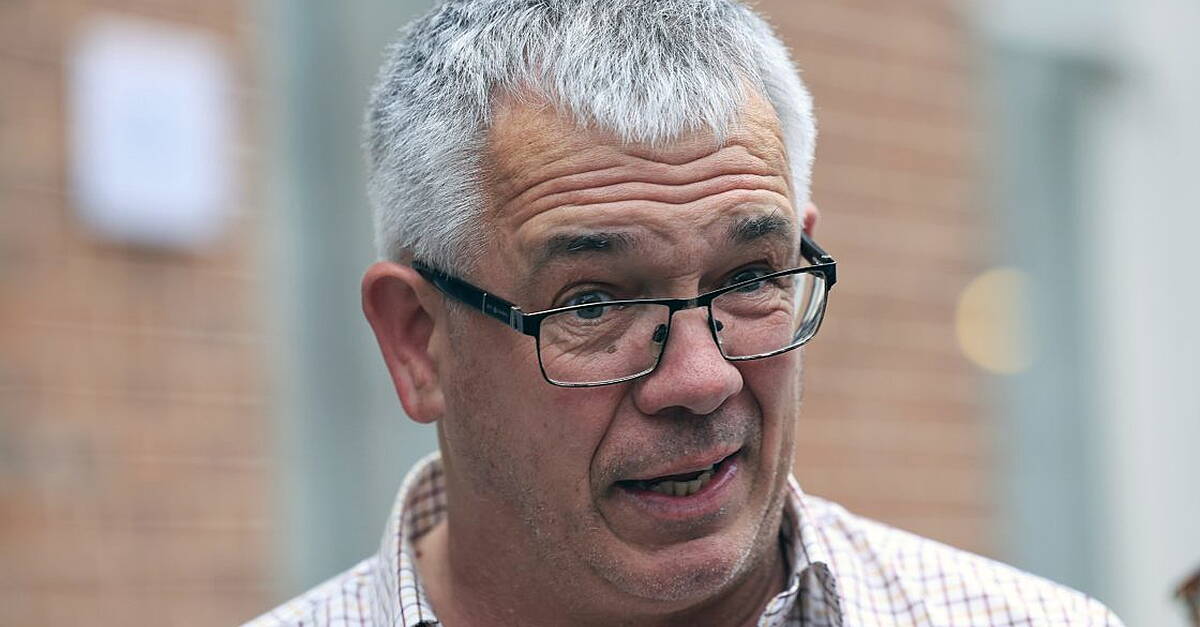
James Geoghegan, a contractor from Co Westmeath, and John Dallon, a farmer and agricultural contractor from Co Kildare, were the main spokespeople for fuel protests that blocked off O’Connell Street in Dublin for days last month.
Both men, while raising criticisms of the government’s fuel subsidy scheme announced during the week, also referred to wider cost-of-living concerns for workers.
Mr Geoghegan and Mr Dallon were among the speakers at a Breaking Point event in Dublin City on Saturday night.
Breaking Point describes itself as a forum where “established ideas meet new ones”.
Speaking ahead of the event, Mr Geoghegan said, “There will be action before the Budget on October 6th and referred to the government support expiring in July.
He said the government’s fuel support package was “too late coming” as there will be no actual payments until late June or early July, after a fuel-heavy period for farming.
He said, in the meantime, the price of oil was still increasing, so the package was “a drop in the ocean”.
He also criticised the ESB (Electricity Supply Board) and suggested oil imports from Russia, the US and the North Sea should be increased if there is a shortage of oil in the coming months due to the effective shutdown of the Strait of Hormuz.
“There will be action before that, for a start, this scheme that’s in is bringing fuel down and it’s helping until July,” he told the Press Association.
“But we’ve a very busy autumn this year, and if that’s not included in the deal” he said it could be “the straw that break their back” for the grain industry.
“We see no fairness and that’s what’s really really annoying people.”
“The voices I’m hearing from people, they’re still not happy,” Mr Dallon said.
He mentioned cuts needed to the USC (Universal Social Charge) tax, the struggles of people with disabilities, the pressure nurses are under, and the 17,000 people who are homeless.
“I think this protest should have enough of an impact on the Government that they should listen because these protests are not going away from what I’m hearing.
“We’ve nothing organised, or I have nothing organised, but the voice of the people of the island of Ireland, they’re looking for another protest because there’s not enough done for the people of the working sector.”
When put to him that he was speaking like a politician, he said the thought “never entered my head”.
The fuel protests began on April 7th as hauliers and agricultural contractors organised slow-moving convoys in cities, on motorways and restricted access to Dublin’s busiest streets.
They continued in the days after that and escalated to blockades of fuel depots that supply half the country and Ireland’s only oil refinery in Whitegate, Co Cork.
This prompted some panic buying at forecourts, hundreds of which ran dry, and for the Whitegate refinery to consider redirecting its product to international markets or carrying out a “controlled shutdown” of its operations.
The Irish government threatened to send in the army to remove heavy machinery blocking critical infrastructure; the blockades were lifted in Dublin in a late-night policing operation almost a week after they began.
The public order unit was sent to Whitegate, and blockades were eventually lifted elsewhere.
The fuel protests prompted Sinn Féin to table a motion of no confidence in the government; junior minister Michael Healy-Rae announced his resignation during that Dáil debate, which the coalition government went on to win.
Also speaking at the event in Dublin on Saturday were the editor of conservative news website Gript, John McGuirk, and Christopher Duffy, who is another spokesman for the fuel protests.
Mr McGuirk said the protests would “clearly will have an impact” on the forthcoming by-elections, and referred to the Sunday Independent opinion poll that put Independent Ireland on 9 per cent and Aontu on 6 per cent.
Ireland
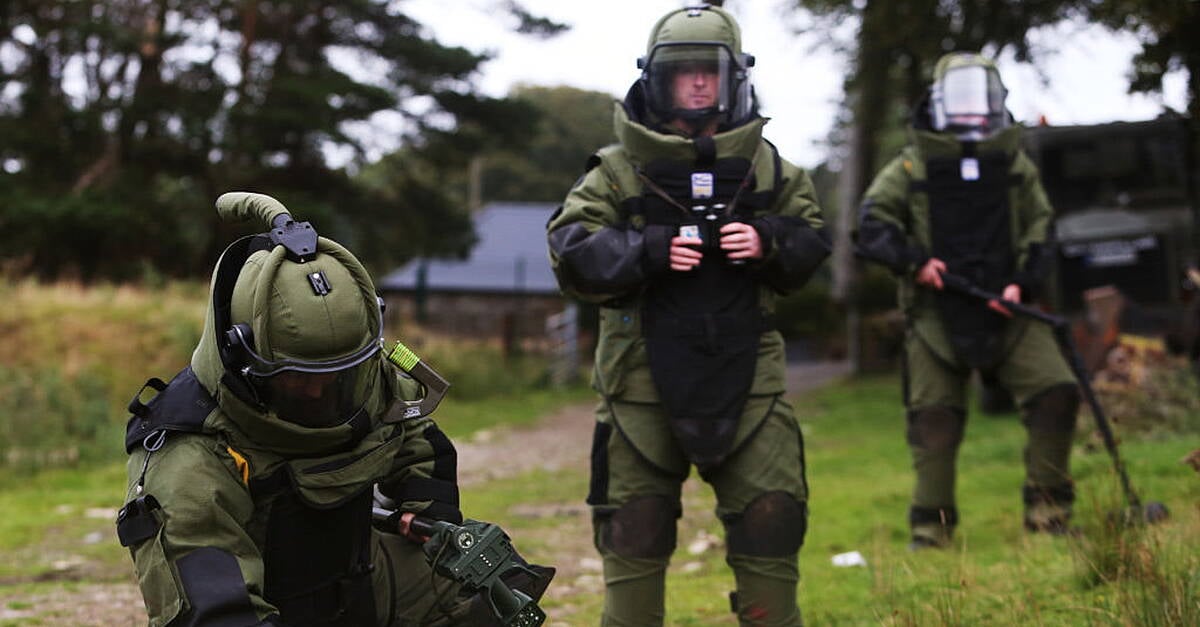
Army bomb squad called as suspicious device found in Donegal
“If that is the case (if those parties are on the right of politics), then that is the highest support for the right of the Irish political spectrum in an organised way since the Progressive Democrats were founded in 1985.”
Asked about an Irish Times report that he had been placed on leave of absence, Mr McGuirk said his title remained as editor of Gript and declined to comment.
The Press Association was told the event was “at capacity”, with around 30-40 people in attendance, and so could not be admitted to the event.




Comments (0)