Possible cause of lacunar stroke affecting 35,000 Brits identified by experts
The finding could explain why usual treatments do not work for lacunar strokes, researchers said
Lacunar strokes are caused by damage to the tiny blood vessels deep within the brain.
Picture:
Getty
A possible cause of a stroke which affects 35,000 Brits has been identified by researchers, which could pave the way for new treatments. Lacunar strokes are caused by damage to the tiny blood vessels deep within the brain.They can lead to people developing problems with thinking, memory, movement, and ultimately dementia.Unlike ischaemic strokes, which are caused by a blocked blood vessel, experts at the University of Edinburgh and the UK Dementia Research Institute suggest lacunar strokes may be caused by the widening of arteries in the brain.Read more: Opera singer, 72, who hid deafness hails 'life-changing' ear surgery ahead of landmark NHS trialRead more: NHS volunteers 'can make powerful contribution' to future of health service
The discovery could pave the way for new treatments.
Picture:
Alamy
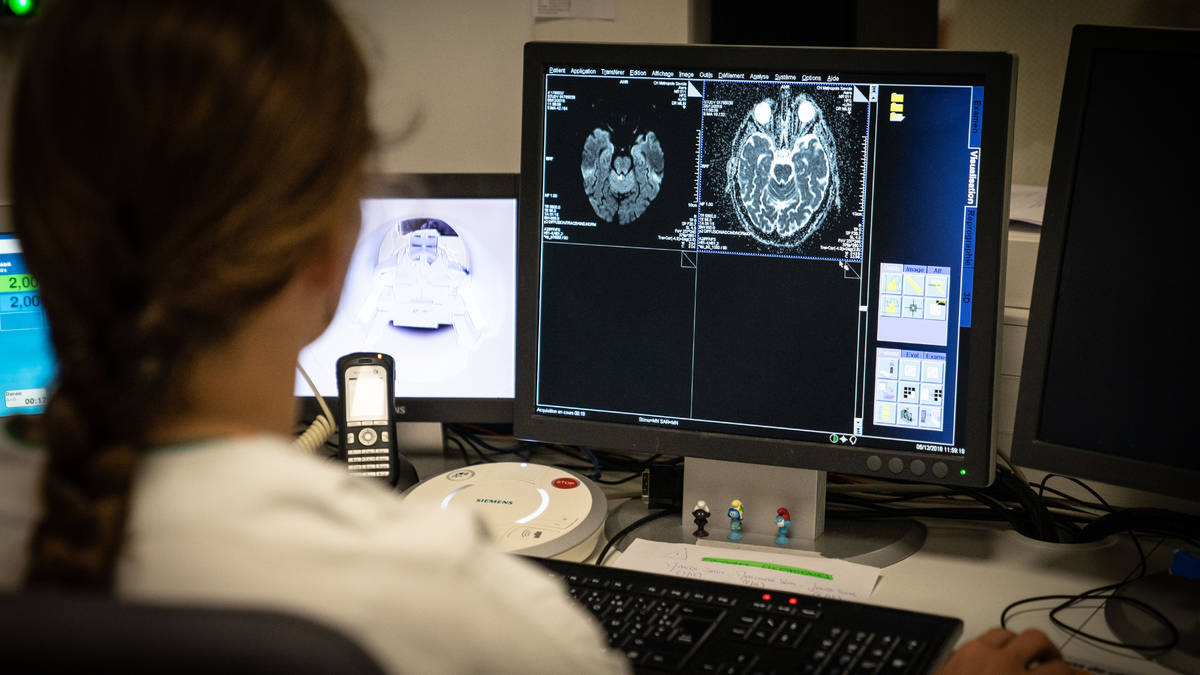
The study included 229 people who had experienced a lacunar or mild non-lacunar stroke.They underwent cognitive tests and brain scans at the time of the stroke and again one year later.Researchers tracked the cause of the stroke, signs of small vessel disease and new areas of brain damage.The analysis found that the narrowing of large arteries was not linked to lacunar stroke, but rather the widening of arteries.Patients with widened arteries were four times more likely to have a lacunar stroke, according to the study.
This could explain why usual treatments, such as anti-platelet drugs, which stop blood clots from forming in the arteries, do not work, researchers said.Elsewhere, widened arteries were also linked to a higher risk of having so-called silent strokes, which happen without obvious symptoms.More than one in four patients had silent strokes during the study despite having treatment to help prevent further strokes.The British Heart Foundation estimates that lacunar strokes account for about a fifth of all strokes in the UK, or about 35,000 every year.Experts have called for new treatments to target the underlying damage to the small blood vessels in the brain.
The British Heart Foundation estimates that lacunar strokes account for about a fifth of all strokes in the UK.
Picture:
Getty
Joanna Wardlaw, professor of applied neuroimaging at the University of Edinburgh’s Institute for Neuroscience and Cardiovascular Disease and group leader at the UK Dementia Research Institute, said: “This study provides strong evidence that lacunar stroke is not caused by fatty blockage of larger arteries, but by disease of the small vessels within the brain itself.“Recognising this distinction is crucial, because it explains why conventional treatments like anti-platelet drugs are not as effective for this type of stroke and highlights the urgent need to develop new therapies that target the underlying microvascular damage.”