
Remember me







Share

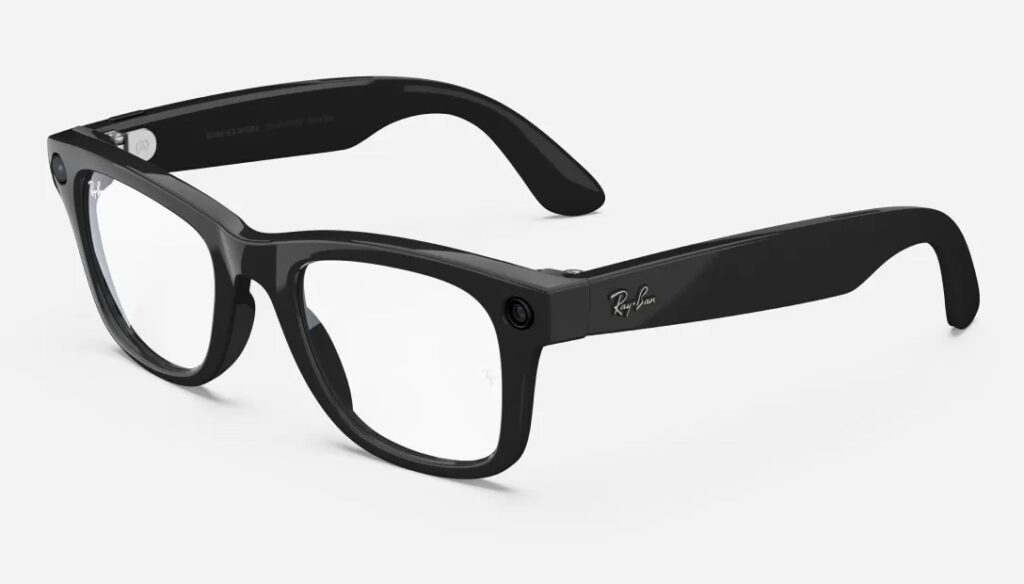
A BBC investigation has highlighted a growing trend of “humiliating” social media content created using smart glasses, after a woman was covertly filmed and later told she would have to pay to have the footage removed.
The woman, identified by the BBC as Alice (not her real name), was approached by a man in a London shopping centre. At the time, she believed he was simply trying to talk to her and was unaware that the smart glasses he was wearing were recording their interaction.
Alice only discovered the footage after it was posted online and viewed roughly 40,000 times. “My initial reaction was complete shock,” she told the BBC. “He had no phone, he did not have a camera directly in my face.”
The incident escalated when Alice contacted the content creator to explain that the video made her feel “humiliated” and to request its deletion. In an email response seen by the BBC, the man stated he would only remove the video as a “paid service.” Alice described the demand as a “complete breach of privacy,” adding that the ordeal made her feel “exploited” and “powerless.”
The man, who operates multiple accounts across platforms including TikTok and Instagram, refused to reveal his identity to the BBC. In an email, he claimed he intended to create “light-hearted, respectful interactions” and denied engaging in harassment.
Regarding the request for payment, he claimed the wording was a “misunderstanding” and intended for separate editing services, though Alice noted she had only requested the video’s removal.
Legal experts have expressed concern over the lack of protection for victims in these scenarios. Professor Clare McGlynn of Durham University told the BBC that while this is not “standard blackmail,” refusing to remove a video unless a victim pays is a clear “threat.”
Dr. Beatriz Kira from the University of Sussex added that platforms must do more to cut the financial incentives for influencers who profit from harmful content.
While TikTok has since banned the man’s account for breaching bullying and harassment rules, and Meta has removed the specific video of Alice, she remains uneasy. “He still has the file,” she told the BBC. “I just feel powerless.”
A government spokesperson told the BBC that filming and sharing content without consent is “vile” and stated that new strategies are being implemented to tackle technology-enabled abuse.
For latest tech stories go to TechDigest.tv Discover more from Tech DigestSubscribe to get the latest posts sent to your email.