
Remember me




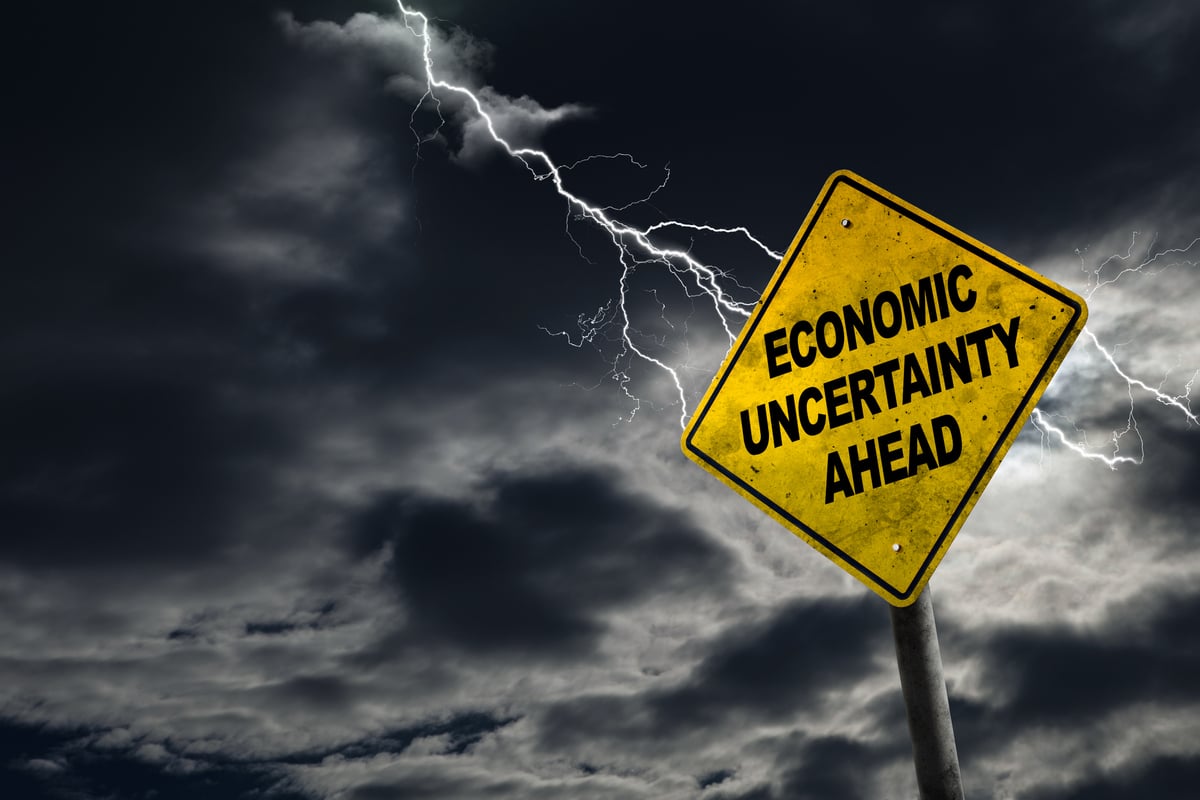



Wall Street is a bit of a fishbowl, with many industry participants hyper-focused on the short term. This is why you see lemming-like behavior when big events transpire, leading to often dramatic price moves for stocks and the broader market. Right now, there are a lot of moving parts in the world, and investors are concerned that a recession could be on the horizon.
That's not the least bit unreasonable. The bigger issue is what you should do about it. For most investors, the answer is probably nothing. Or, perhaps, even double down on your investment plan if there is a recession. Here's why.
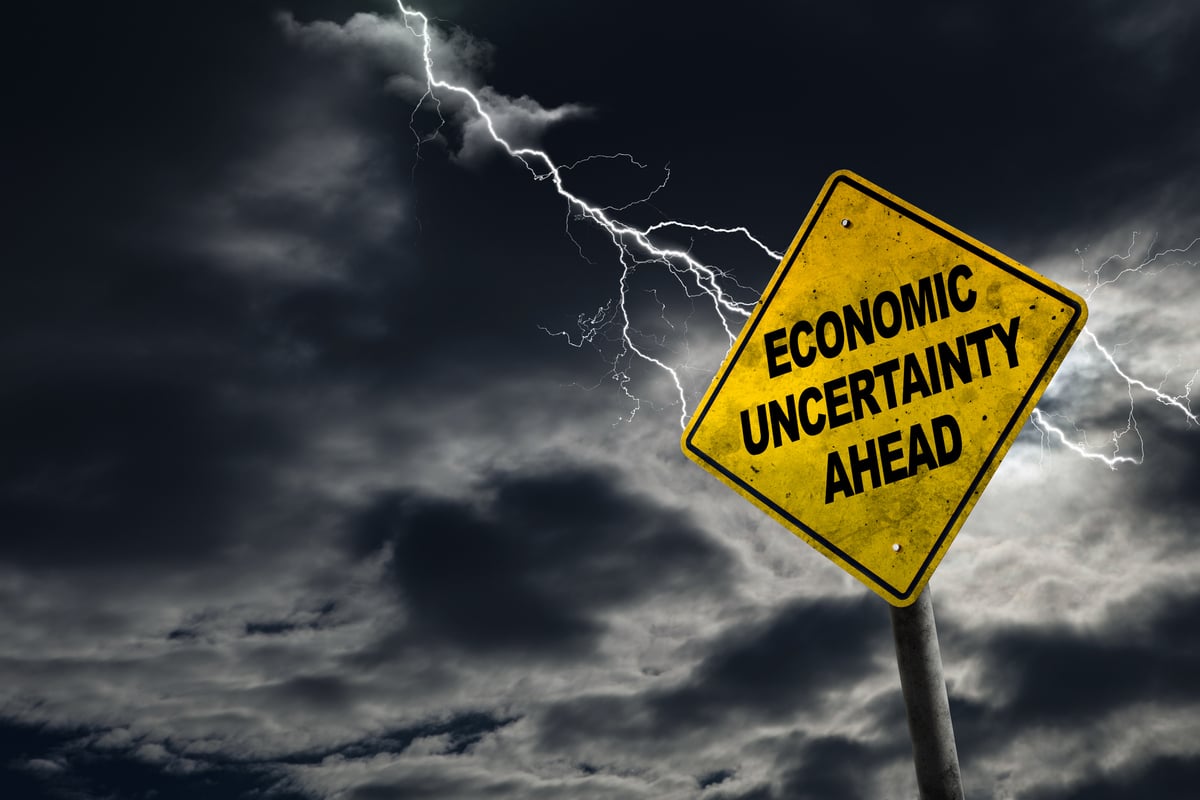
Image source: Getty Images.
Short-term versus long-term investingIf your investment horizon is measured in days, weeks, or months (or for some minutes and hours), then a recession is probably going to require you to make massive changes to your portfolio. After all, your goal is to take advantage of short-term market moves, and if history is any guide, a recession will likely be accompanied by a market downturn.
That said, short-term trading of this kind borders on market timing. It is very difficult to consistently time the market's ups and downs. If you are trying to do that, a recession and bear market may be exactly what you need to convince you to switch gears and take a long-term investment approach.

Today's Change
(0.82%) $5.50
Current Price
$678.04
However, if you are already a long-term investor, a recession and/or bear market probably shouldn't change anything about the way you invest. Quite the contrary, you might find such difficult periods a great time to buy more of what you already own. Wall Street history is very clear on this.
The economy and markets go up and downThe chart below of the S&P 500 index (^GSPC +0.84%) goes back to the 1950s. There are 11 recessions displayed (the gray bars). Some of those recessions were deep and long, including one that was so bad it was given the name the Great Recession. That's a nod to the Great Depression, which tells you how painful the period between 2007 and 2009 was for the economy and the stock market.
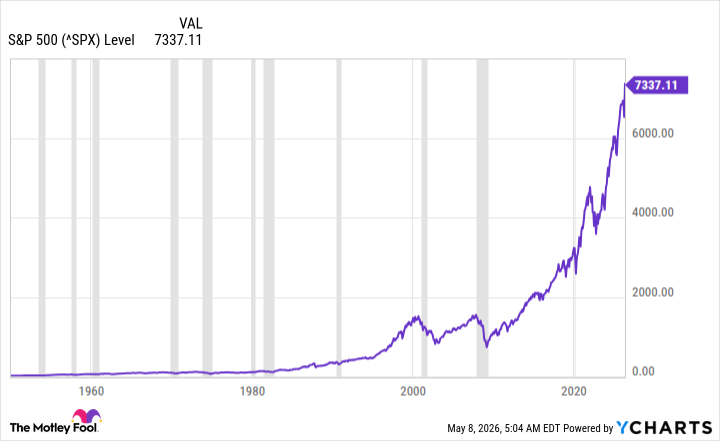
And yet, as the graph clearly shows, the S&P 500 index has continued to rise despite economic setbacks. Sure, there are bear markets in the mix, often at the same time as a recession, but the long-term trend is for growth. You could easily buy and hold a low-cost exchange-traded fund like Vanguard S&P 500 ETF (VOO +0.82%) and achieve results like this.
At the end of the day, recessions and bear markets are simply part of how the economy and the market function. Each helps to clear out excesses that build up over time. They may be painful in the short term, but they are best viewed as a cleansing reaction when things go to extremes.
If you are a stock picker, meanwhile, the S&P 500's long-term trend is the evidence that supports the logic of not making dramatic strategy shifts during recessions and bear markets. If you have an investment approach that works for you, stick with it, and over the long term, you should end up OK.
Maybe you want to lean inAll of that said, there's another investment takeaway here. If you are a long-term investor with an investment approach that works for you, why sit back and do nothing when stock prices are falling?
It is hard to buy while fear is elevated and everyone else appears to be selling. But the S&P 500 performance graph above is also evidence that buying during downturns has been a winning long-term move. So don't change your strategy, but do at least consider doubling down if there's a recession and bear market.
Comments (0)