
Remember me
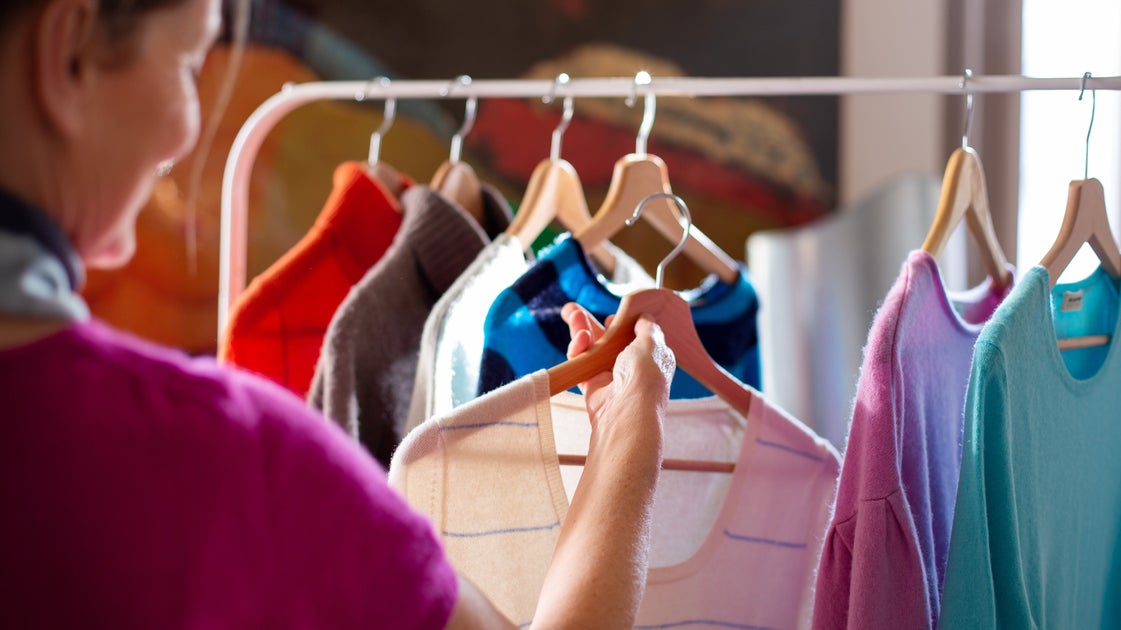





If you’ve been on social media lately, you’ve likely seen posts from folks about their desire to only buy clothing made from “natural fibers.” Meaning, items made from from 100% cotton, linen, silk or wool — and not clothing made of synthetic fibers such as polyester.
Folks have many reasons for making the switch. Some people are doing it for comfort, while others are doing it to protect the environment, to follow a “non-toxic” lifestyle or just to avoid the plastics that are inherent to polyester.
Yet, none of this is black and white, experts stressed to HuffPost. Natural fibers like cotton are not all good and synthetic fibers like polyester are not all bad.
But, it is true that polyester is plastic, said Meagan Phipps, a textile designer, and a critic in the textiles department at the Rhode Island School of Design.
“It’s a plastic fiber,” Phipps said. Polyester is made of a common plastic known as polyethylene terephthalate or PET.
To make polyester, manufacturers take PET chips, melt them down and extrude them through something that looks a lot like a shower head, Phipps said.
The liquefied polyester comes out through this device and can be textured in all different ways to mimic other fibers such as cotton, she said. This is then turned into a dress you buy or the workout shorts you order online.
Polyester has a big impact on the environment.
“Polyester is the most-produced fiber internationally,” said Phipps. “Seventy-seven million tons were produced just in 2024 alone.”
Phipps said she thinks part of the move away from polyester relates to the fiber itself and also the mass consumption of textiles that has become prominent.
“We can’t really talk about polyester, and really about the clothing industry at all, without talking about mass consumption,” she added.
Polyester is an inexpensive fiber, so it allows people to buy it at high rates, Phipps said. It’s now normal for people to buy one-time use going-out tops or a new dress for every formal occasion; this was not a common habit decades ago.
“So, because of this hunger in our economy for having access to fast fashion and the ability to consume, price is a really critical component,” she said. These items need to be inexpensive in order for people to buy more and more and more.
(It’s worth noting that the Iran War and the closure of the Strait of Hormuz is threatening the affordability of polyester as its becoming harder and more expensive for manufacturers to get the petrochemicals necessary for making polyester.)
There are environmental implications, of course, when you buy a piece of clothing to wear just once or a few times. It’s estimated that 66% of discarded clothing and textiles ends up in landfills.
And, it takes polyester a really long time to break down. “It takes over 300 years to biodegrade naturally,” said Phipps.
When textiles break down in landfills (not just polyester ― cotton, too), they emit greenhouse gases and potentially forever chemicals if the textiles are treated with certain chemicals that make them sweat-resistant and stain-resistant. Both of these things can pollute our air and water.
Research shows that people who live near landfills are more likely to have health issues like asthma, cancer and more.
Kathrin Ziegler via Getty Images
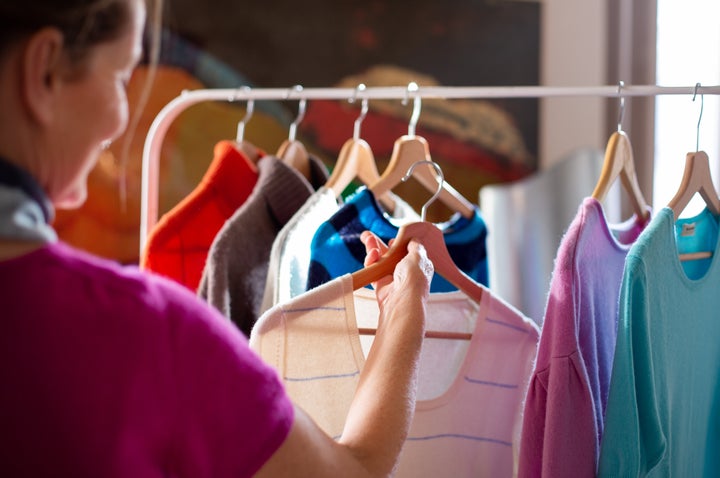
Lots of people want to make the switch from polyester and synthetic fabrics to natural fabrics.But cotton can also have a big environmental impact.
“Cotton is, after polyester, the second-largest fiber produced globally. I think in 2024, 24 million tons were produced,” said Phipps.
When it comes to the production of any kind of fiber, including cotton, there are a wide range of degrees of responsibility when it comes to its production, she said.
“Conventional cotton, which is the most widely grown of the cotton varietals, it’s been genetically engineered to have a whiter color on the fiber level, to have greater yields of the fiber component, to have all sorts of various things,” said Phipps.
“This has resulted in a plant that relies extremely heavily on immense amounts of irrigation and pesticide use,” she added.
For instance, it takes 7,500 to 10,000 liters of water to make the cotton for one pair of jeans, Phipps said. That’s equivalent to the amount of drinking water one person needs over about 10 years, said Phipps.
Not only does cotton require a lot of water to grow, it also has a long growing season, she said, and a lot of the regions where cotton is grown aren’t able to keep up with the demand for water. A lot of these regions also don’t have robust drinking water infrastructure, said Phipps.
“Like, areas where there really is a need for access to clean water, and unfortunately, just from the sheer amount of water use, but also all the pesticides that are used on conventional cotton, it can be really damaging to those communities and their drinking water,” Phipps said, “and it can contaminate the soil, as well, that it’s grown on.”
Organic cotton or eco-focused cotton can be a better environmental alternative, but isn’t accessible to everyone.
To combat the impact conventional cotton has on the environment and on communities, more and more people and companies are turning to eco-friendly cotton and organic cotton that are “more well-suited to the environment that they grow in,” said Phipps.
“I think the more we grow awareness, the more we can try to support organic cotton,” she said.
Items grown with eco-focused fibers are often more costly than the alternative, though. Folks can also consider buying blends, like items made with organic cotton and a synthetic material, which may be more affordable.
“I think for consumers, consider all of these different factors when you’re thinking about what you can buy,” said Kelly Dobos, a cosmetic chemist with Unbiased Science.
“And if you can afford to buy a natural fiber, high-quality garment, and do the dry cleaning and the maintenance, I think that’s great, but I don’t know that that’s the reality for every family,” Dobos added.
Prasit photo via Getty Images
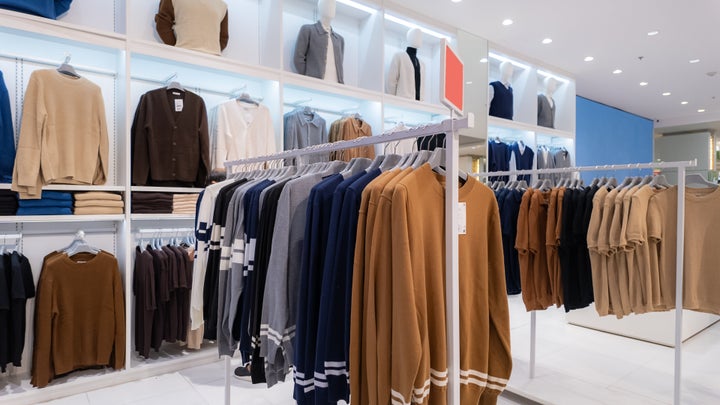
“You can really think about polyester the same way you would think about single-use plastics. It has a lot of the same environmental implications,” said Maegan Phipps.Polyester is an affordable option and can be easier to maintain.
Polyester has benefits, which is why it became so popular when it was developed in the 1950s, noted Dobos. “Polyesters gained a lot of praise ... because unlike cotton and other materials, they were really wrinkle-resistant,” said Dobos.
“Polyester is hydrophobic, it means that repels water, so it’s also resistant to stains as well,” Dobos noted.
This can be good for the item’s longevity. If it’s less likely to stain, you’ll probably be able to wear it for a longer period of time, she said.
Phipps noted that since natural fibers are often pricier, people may be more inclined to take better care of their pricy, 100% linen dress, though, when compared to a cheaper polyester dress.
Yet, again, polyester is more affordable than natural fibers, which makes it an attainable option for folks at all different income levels. Plus, polyester is pretty easy to wash and take care of, which may not always be the case for clothing made from natural fibers.
“In some ways, there are these benefits to these fibers, and when we think about sustainability and environmental cases for different materials, I think it’s really less driven by whether a fiber is natural or synthetic, but there’s all these other concerns that go into it,” said Dobos. For example, things like farming practices, water consumption, and how long you can keep a garment and continue wearing it.
More and more people are also shopping secondhand, which decreases the demand for new items and keeps older textiles out of the trash bin, which is a sustainability boon, too.
So, since polyester is plastic — what about microplastics?
As mentioned, polyester is a type of plastic, so the issue of microplastics is real. Every time you wash something made from polyester it yields microplastics, explained Phipps.
“You can really think about polyester the same way you would think about single-use plastics. It has a lot of the same environmental implications,” said Phipps.
But there have been innovations to make polyester more environmentally friendly.
There are ways that manufacturers make it more biodegradable, and there are even polyester fabrics that are made from recycled plastics, like plastic found in the ocean, said Phipps.
Clothing is a source of microplastics, but there are many other sources, too, stressed Dobos.
“We’re still following the science on these microplastics, so I think we have to be careful in how we frame the way that we talk about these materials,” Dobos said.
Yet, microplastics are known to end up in our oceans and are harmful to aquatic life and the ocean water itself.
In humans, the research is unfolding, but microplastics have been found in the brain, liver and in blood, too.
Whether microplastics actually impact our health is hotly debated by scientists.
Some research points to yes, such as a small study that found people with higher levels of microplastics had a higher risk of stroke and heart attack, yet the FDA states that “current scientific evidence does not demonstrate that levels of microplastics or nanoplastics detected in foods pose a risk to human health.”
“We are still looking into the science of this, and again, just because we found these microplastic particles, do we really know how detrimental they are yet? And I think we’re still understanding that. So, I think there’s more to come in the science for sure,” said Dobos.
Social media users also say polyester is linked to cancer, hormone disruption and infertility, but Ryan Marino, a medical toxicologist and assistant professor at Case Western Reserve University, told NPR this is not proven, and the amount of exposure to any cancer-causing chemicals via clothing is likely not enough to cause any problems.
In the end, the clothing you choose depends on your budget, lifestyle and preferences. While there are concerns regarding polyester, not all cotton products are the savior that social media makes it out to be.
“For me, I don’t like to see someone’s choices be degraded or treated in a way that makes them feel bad,” said Dobos.
If you can make changes to be more sustainable, that is great. And that can include shopping for recycled polyester products or shopping secondhand, not just buying new organic cotton alternatives.
Related
What’s The Difference Between $50 Jeans And $500 Jeans? This Unexpected Laundry Habit Is A Potential Sign Of ADHD
 This Magic Number Is The Highest Heel Height You Should Wear, According To Podiatrists
 Is ‘Store Poison’ Just A Myth — Or A Real Reason To Wash Your New Clothes?
Comments (0)