Iran responds to US proposal to end war as hostile drones spotted amid ceasefire
Both sides reportedly want to stop hostilities and allow traffic through the strait of Hormuz - while they negotiate a peace deal.Iran’s response, sent to mediator Pakistan, focused on ending the war on all fronts, especially Lebanon, and on the safety of shipping through the strait, Iranian state TV said, without indicating how or when the vital waterway might reopen.It followed a US proposal to end fighting before starting talks on more contentious issues, including Iran's nuclear program.There was no immediate U.S. comment on the Iranian response.After some 48 hours of relative calm following sporadic clashes last week, hostile drones were detected over several Gulf countries on Sunday, underlining the threat still facing the region despite a month-old ceasefire.Read more: Iran warns British warships face 'immediate repsonse' as HMS Dragon sets sail for Middle EastRead more: Middle East clashes continue as Trump awaits Iranian response to ceasefire proposals
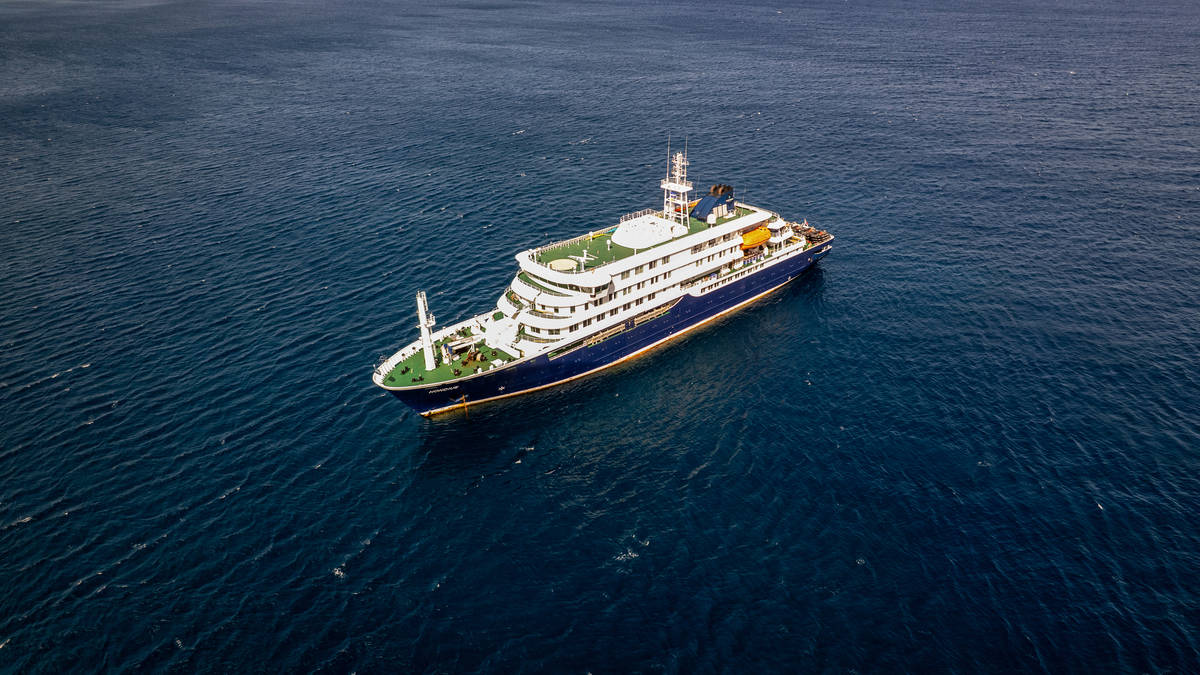
Still, the Qatar Energy-operated carrier Al Kharaitiyat passed safely through the strait and was heading for Pakistan's Port Qasim, according to data from shipping analytics firm Kpler, the first Qatari vessel carrying liquefied natural gas to cross the strait since the US and Israel started the war on February 28.Sources said earlier the transfer, which offered a modicum of relief to Pakistan after a wave of power blackouts caused by a halt to vital gas imports, had been approved by Iran to buildconfidence with Qatar and Pakistan, both mediators in the war.A Panama-flagged bulk carrier bound for Brazilthat had previously attempted to transit the strait on May 4, passed through, using a route designated by Iran’s armed forces,Iran’s semi-official Tasnim news agency reported on Sunday.With US President Donald Trump due to visit China this week, there has been mounting pressure to draw a line under the war, which has ignited a global energy crisis and poses a growingthreat to the world economy.But, despite diplomatic efforts to break a deadlock betweenthe two sides and the passage of the two vessels, the threat toshipping lanes and the economies of the region remained high.On Sunday, the United Arab Emirates said it intercepted twodrones coming from Iran, while Qatar condemned a drone attackthat hit a cargo ship coming from Abu Dhabi in its waters.Kuwait said its air defences had dealt with hostile drones thatentered its airspace.Tehran has largely blocked non-Iranian shipping through thenarrow Strait of Hormuz, which before the war carried one-fifthof the world's oil supply and which has emerged as one of thecentral pressure points in the war.