
Remember me










If you didn’t hear the buzz around apple cider vinegar, you’re probably living under a rock! We’ve all heard a great deal about how apple cider vinegar is good for you. Many people even correlate the use of apple cider vinegar with reducing belly fat. But is that actually true?
Apple cider vinegar, in the simplest terms, is fermented vinegar made from crushed apples. People use it as a dressing for salads or even pickles. The role of apple cider vinegar in reducing belly fat has always sparked conversations, but because of mixed scientific evidence, its benefits are either under- or over-represented.
We offer a balanced perspective. Here, we discuss four ways in which apple cider vinegar may help reduce belly fat, while also discussing the potential risks it poses to your body.
1. Does Apple Cider Vinegar Reduce Belly Fat by Lowering Bloating?Belly fat is a type of visceral fat that isn’t always visible to the naked eye but is often accompanied by a bloated belly. This is where tons and tons of remedies involving apple cider vinegar come into play. But do these remedies actually reduce belly fat and bloating? We’ve found that yes, there is some truth to this claim, but with a few caveats.
Apple cider vinegar contains probiotics and prebiotics that can help balance the bacteria in your gut. In other words, it improves gut health. As a result, digestion becomes a smoother process, which in turn helps reduce belly fat.

However, this isn’t always the case! In some scenarios, apple cider vinegar actually slows down digestion, leading to the opposite effect. For people with more sensitive stomachs, the acidity may also cause discomfort or nausea.
2. Does Apple Cider Vinegar Regulate Blood Sugar?The role of apple cider vinegar in regulating blood sugar levels is ambiguous at best. Some studies suggest that the acidic content in apple cider vinegar keeps food in your stomach longer. Hence, it slows the rate at which sugar is absorbed into the bloodstream. This can modestly control blood sugar levels and help in reducing belly fat by lowering fat storage.
Apple cider vinegar may also improve insulin sensitivity. This means it can help your body use insulin more effectively (glucose is taken up by your cells more efficiently). Thus stabilizing blood sugar levels, especially after meals.
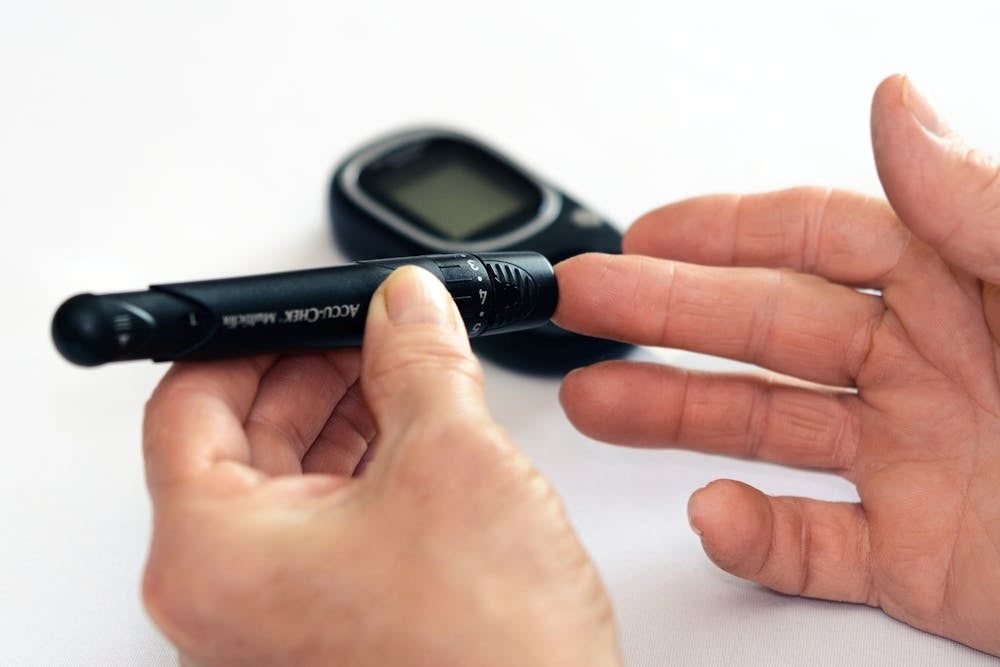
That said, apple cider vinegar isn’t a substitute for medication prescribed to people with diabetes for blood sugar monitoring. Here, a consultation with a doctor about the use, dosage, and long-term effects of apple cider vinegar on your body is a necessary precaution.
3. Does Apple Cider Vinegar Reduce Belly Fat by Lowering Appetite?Food that makes us feel fuller often leads to less overconsumption and, in turn, less belly fat. But is apple cider vinegar a viable option? There are strong arguments from both sides of the coin.
We talked about how apple cider vinegar slows down digestion and smoothens it, hence keeping food in your stomach for longer. This effect, combined with more stable blood sugar levels, may lead to a feeling of satiety, reducing cravings.

On the other hand, apple cider vinegar may have greater satiety effects, but these are only short-term. Experts suggest that apple cider vinegar does not give meaningful long-lasting results, especially for weight loss. Only a balanced diet and regular exercise can make a measurable impact on belly fat.
4. Does Apple Cider Vinegar Improve Gut Health?We’ve already established the potential benefits of apple cider vinegar, which, when combined, can improve gut health. Let’s break them down individually!
Apple cider vinegar contains probiotics and prebiotics that can help improve your gut health by nourishing good gut bacteria. It can aid digestion and make it smoother due to its acidic content. Additionally, apple cider vinegar helps stabilise your blood sugar levels. All of these combined not only improve gut health but also potentially reduce belly fat. But is this claim actually true?

In reality, the long-term overall role of apple cider vinegar in improving gut health is questionable simply because of a lack of strong evidence. If taken undiluted, apple cider vinegar can damage tooth enamel and cause throat irritation due to its acidic content. Hence, these two contrasting effects make the long-term result unclear.
Final ThoughtsApple cider vinegar does have a role in reducing belly fat, but the extent to which it does so depends on several factors. First, the effects of apple cider vinegar are time-bound. Most of the benefits, such as smoother digestion, a healthier gut, and reduced cravings, are short-term and might not deliver the lasting, significant effects most desire.
Secondly, how you use apple cider vinegar affects the benefits you expect to receive. Apple cider vinegar should always be consumed diluted. Otherwise, the acidic content in it can cause discomfort in your stomach and throat. If taken raw, apple cider vinegar can be a menace to your teeth as it can potentially harm your tooth enamel.

While apple cider vinegar can help you reduce your belly fat and improve your health in other ways, the impact might be short-term. The tip is to consume undiluted apple cider vinegar, but not in excess. Always remember: apple cider vinegar might be good, but it can never replace the potential of a good, healthy diet, prescribed medication, and regular exercise.
Comments (0)