
Remember me





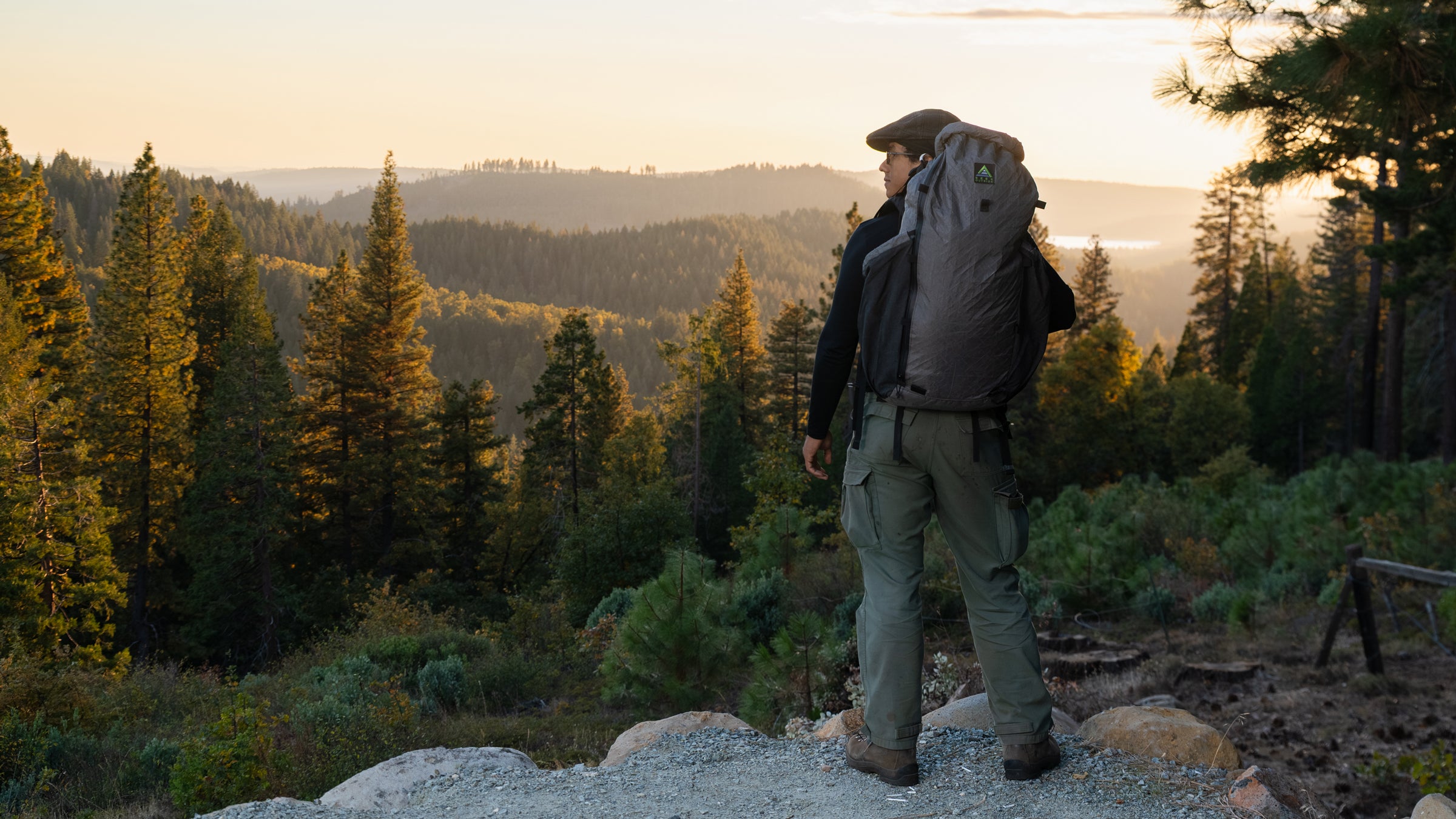

As a former soldier and current wildland firefighter, I know firsthand that when an operation requires carrying an injured person out or getting equipment to a distant ridgetop, that’s inevitably when the helicopter suddenly can’t take off, the convoy just left, and the roads are impassable. It’s time to lace up the Lambo-feeties and rev those Chevro-legs—by rucking.
To the average outdoorsperson, hiking vs. rucking might seem like splitting hairs. After all, they both usually involve walking with weight in a pack. The difference is largely rucking’s militaristic origins. Hiking, whatever your speed or load, is a way to enjoy the outdoors. Rucking, meanwhile, is training. Its benefits—simplicity, cardiovascular improvements, (moderate) strength improvements, bone density improvements, and focus on mental toughness—have garnered it immense popularity in recent years, as have military fitness influencers such as David Goggins.
Rucking is ultimately as easy as grabbing a pack and heading out the door. Still, the best pack for rucking, a solid route, smart accessories, and a few programming considerations can be the difference between a fad and a healthy habit that sticks. So, for those looking to get outdoors, challenge themselves, or simply burn more calories with less impact, we’ve compiled a few tips, tricks, and gear recommendations to get you moving.
How to Ruck
Unlike hiking, where the ethos is “walk a fun route,” rucking’s mission statement is to improve your conditioning by focusing on weight carried, pace, verticality, and/or duration. Like any fitness routine, the exact programming should depend on a combination of your goals and health concerns.
Start SmallRucking emphasizes progressive overload, essentially tracking and improving the four factors mentioned above. For beginning ruckers, a safe starting point is usually ten to 15 percent of your bodyweight, and one to three miles in distance. Going too heavy and too far is exactly how many people learn to hate rucking.
Most people have little reason to carry more than around 30 percent of their body weight. They’ll reap more by advancing their rucking pace, verticality, or distance. However, some athletes may have more specific needs.
Pick Your Routes WiselyIf you’re rucking for a specific benefit, make sure you’re training with that goal in mind. As an engine wildland firefighter, I need to be able to move fast with heavy hoses. Accordingly, my rucks are often heavy, steep, fast, and under two miles. A backcountry hunter might need to carry over 100 pounds for long distances, at a moderate pace. Some expeditioners and guides might need to prioritize training for longevity and verticality over weight and pace.
Those in steep country with a history of knee, back, or ankle pain may want to find routes that start uphill. Starting uphill is hard, but it warms up the joints before the impact of downslopes.
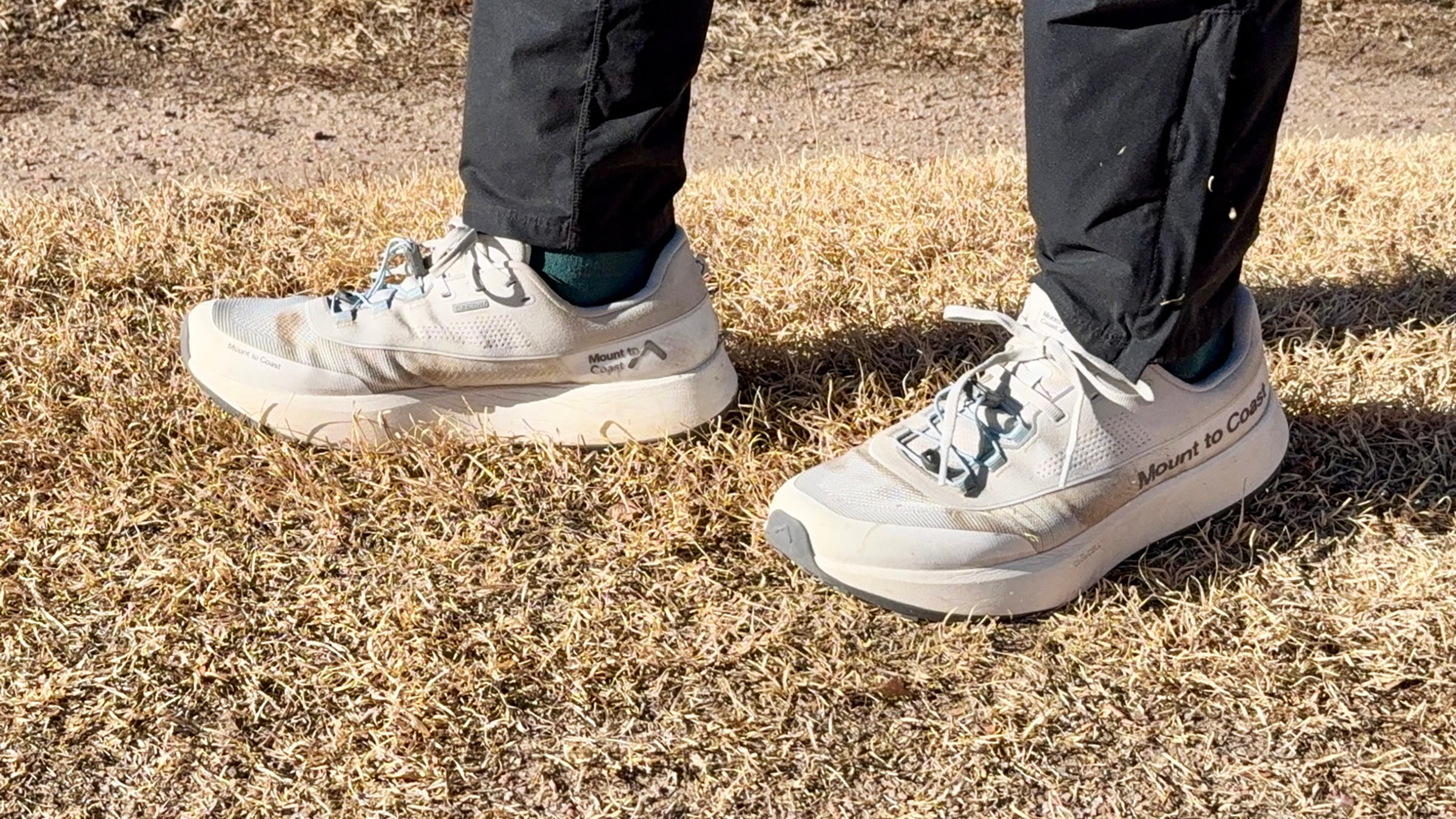
Always Have the Appropriate Gear on Hand (And Foot)Your footwear should match the terrain you’re traversing. Sneakers are fine for urban rucking. Trail runners or boots, depending on how much ankle support you want, should suffice for most trails. Those looking to push place and weight across technical terrain should invest in a good pair of hiking boots with a stiff, supportive shank.
Likewise, those trying to tackle more technical or remote rucks should carry a first aid kit, preferably with a SAM splint, and a GPS or mapping app of some kind.
How to Pick the Best Pack for Rucking
Of course, the most crucial piece of gear for carrying a load is your ruck pack. Weighted vests or rucksacks that distribute weight mostly across the shoulders and chest force your core and traps to work harder to stabilize you. For those looking to keep the weight light, the pace up-tempo, and the upper body more engaged, vest-style plate carriers are fantastic options.
However, ruck packs with robust hipbelts are far easier and more comfortable to carry when you need to train with higher weights or for longer mileage. External frame packs, in particular, reign supreme in transferring weight to your hips, allowing you to train longer and harder.
To help you choose the best pack for rucking for your needs, we’ve rounded up not only some of the best ruck packs on the market, but some of the most flexible. These packs can pull double duty as ideal carry systems for Every Day Carry (EDC), hiking, backpacking, hunting, paddling, photography, and more.
Best Packs for Rucking: At a Glance
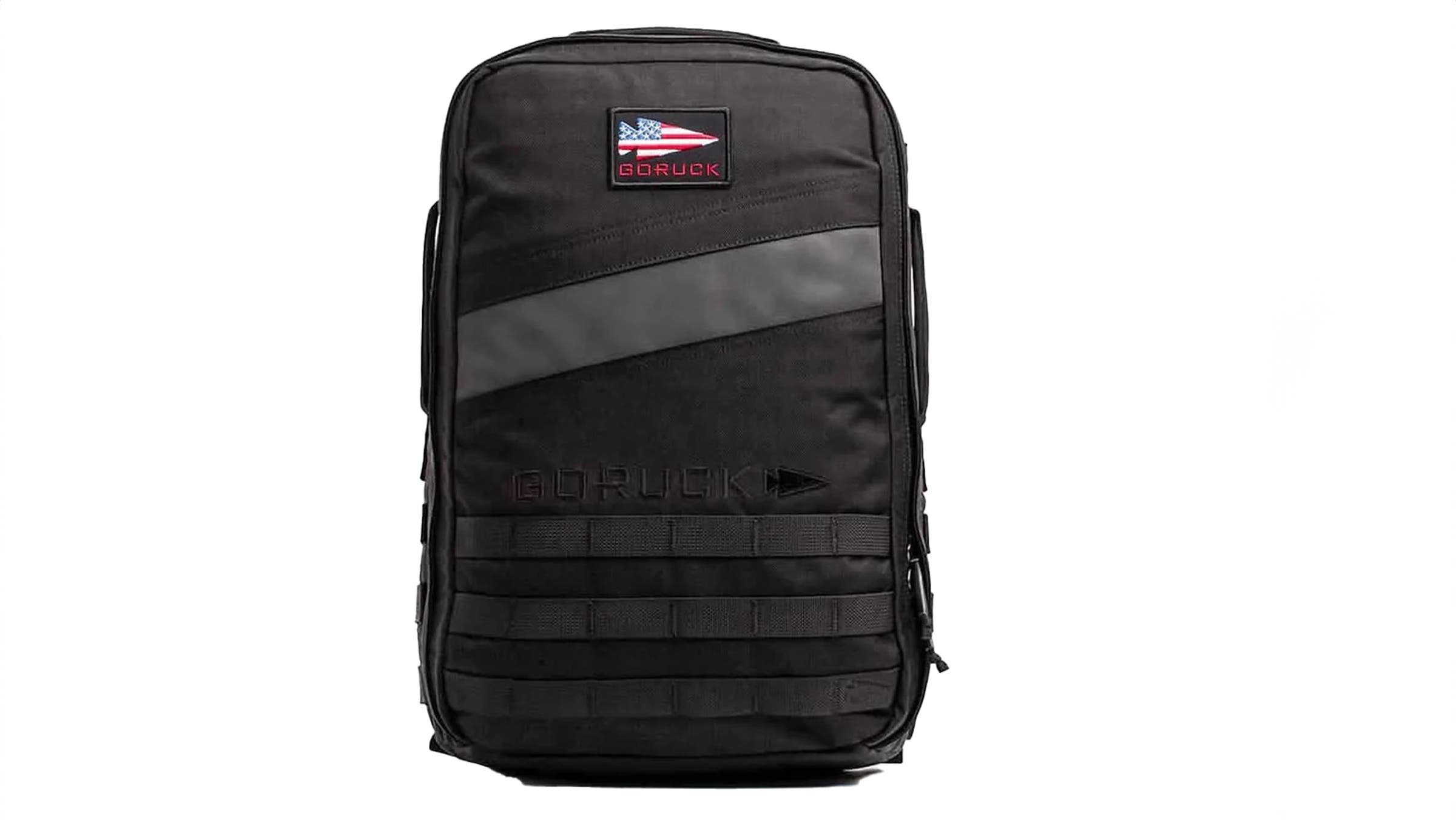 (Photo: Courtesy GORUCK)
The Best Ruck Pack for the Dedicated Rucker
GORUCK Rucker 4.0 25L
(Photo: Courtesy GORUCK)
The Best Ruck Pack for the Dedicated Rucker
GORUCK Rucker 4.0 25L
Sizes: 15, 20, and 25-liter sizes
Construction: 1000D Cordura and plastic frame sheet
Features: Removable hip belt, durable fabric, and padded laptop/weight compartment
Max weight: 75 lbs
Use Case: Dedicated rucksack and carry-on bag
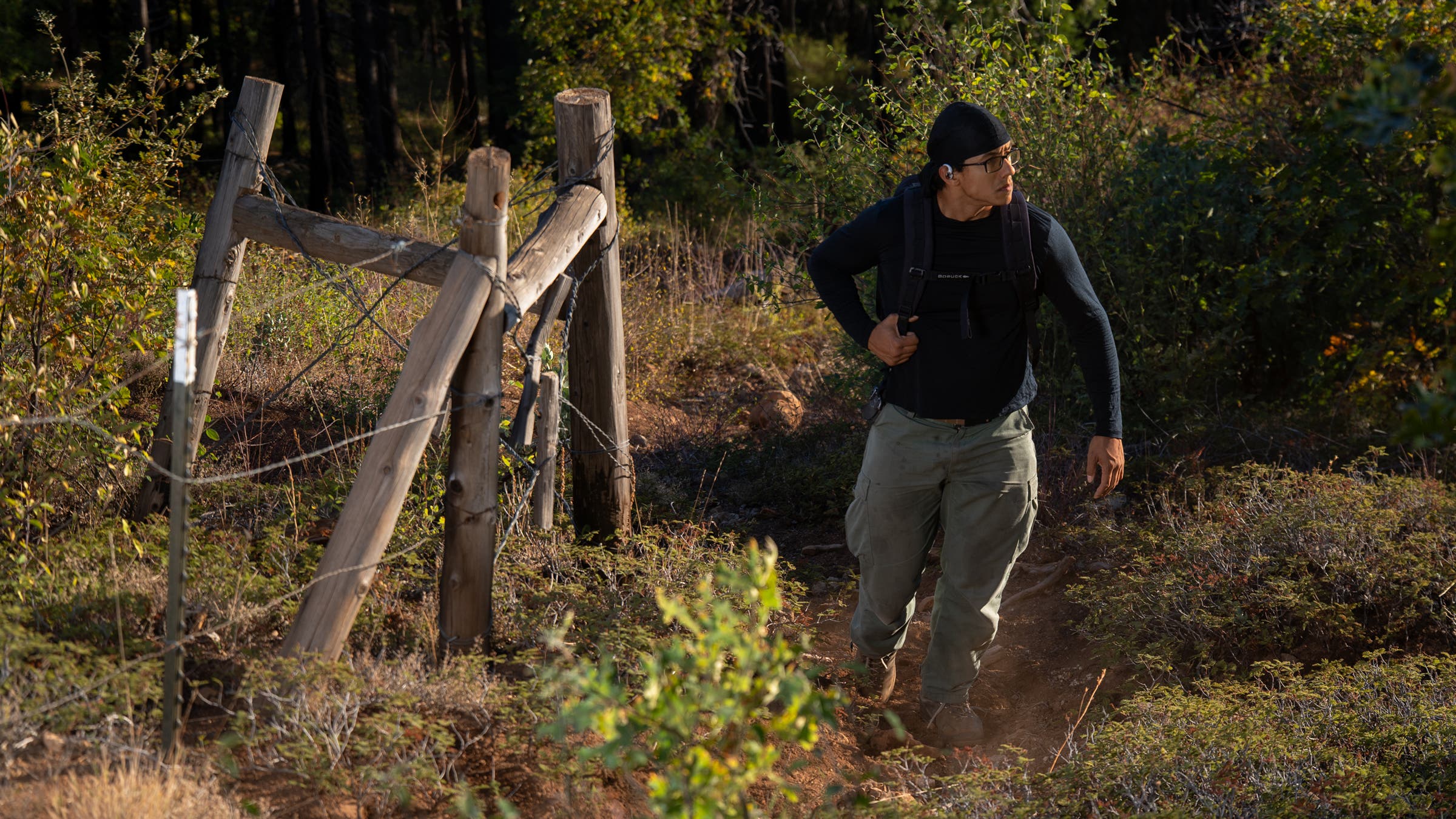 The GORUCK Rucker 4.0 being work on a steep climb (Photo: Ian Graber-Stiehl)
GORUCK is the biggest name in rucking packs for good reason: They make simple, virtually indestructible rucking packs, with enough functionality for EDC and travel, while giving back to the community that made rucking a thing—donating one percent of profits to veterans-focused nonprofits.
The Rucker 4.0 is their flagship training rucksack. For a training-focused pack, it’s on the high end price-wise. It also has an unadjustable torso length. However, the line’s three volume options (15, 20, and 25 liters) fit a wide range of torsos. They also feature robust stitching and heavy-duty 1000-denier Cordura.
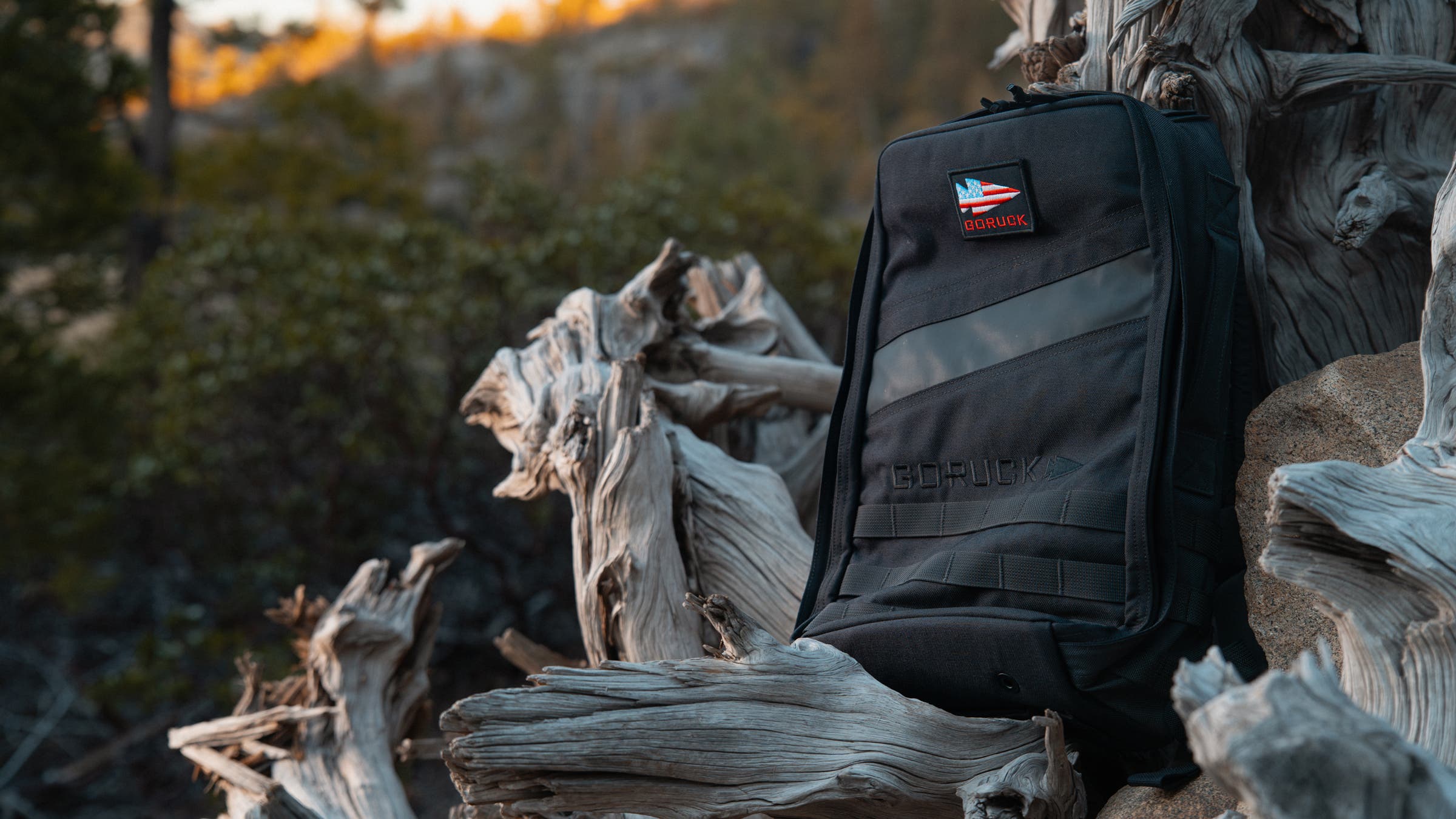 GORUCK’s Ruck 4.0 Posed Against a Tree Stump (Photo: Ian Graber-Stiehl)
In my testing, the Rucker 4.0 was comfortable without its hip belt up to around 30 pounds. Past that, I’d recommend getting the hip belt, which adds another $35.
The pack’s layout is also rather straightforward and versatile for carry-on and EDC use. The dual-padded plate compartments can hold 75 pounds of GORUCK’s steel plates—and securely sequester electronics. Throughout my testing, I never worried about carrying my laptop immediately next to 30 pounds of steel plate.
Bottom line: If you want a pack that can carry light to relatively heavy rucking loads, stow away easily as an EDC or carry-on laptop bag, and last you for years, the Rucker 4.0 is easily a top contender.
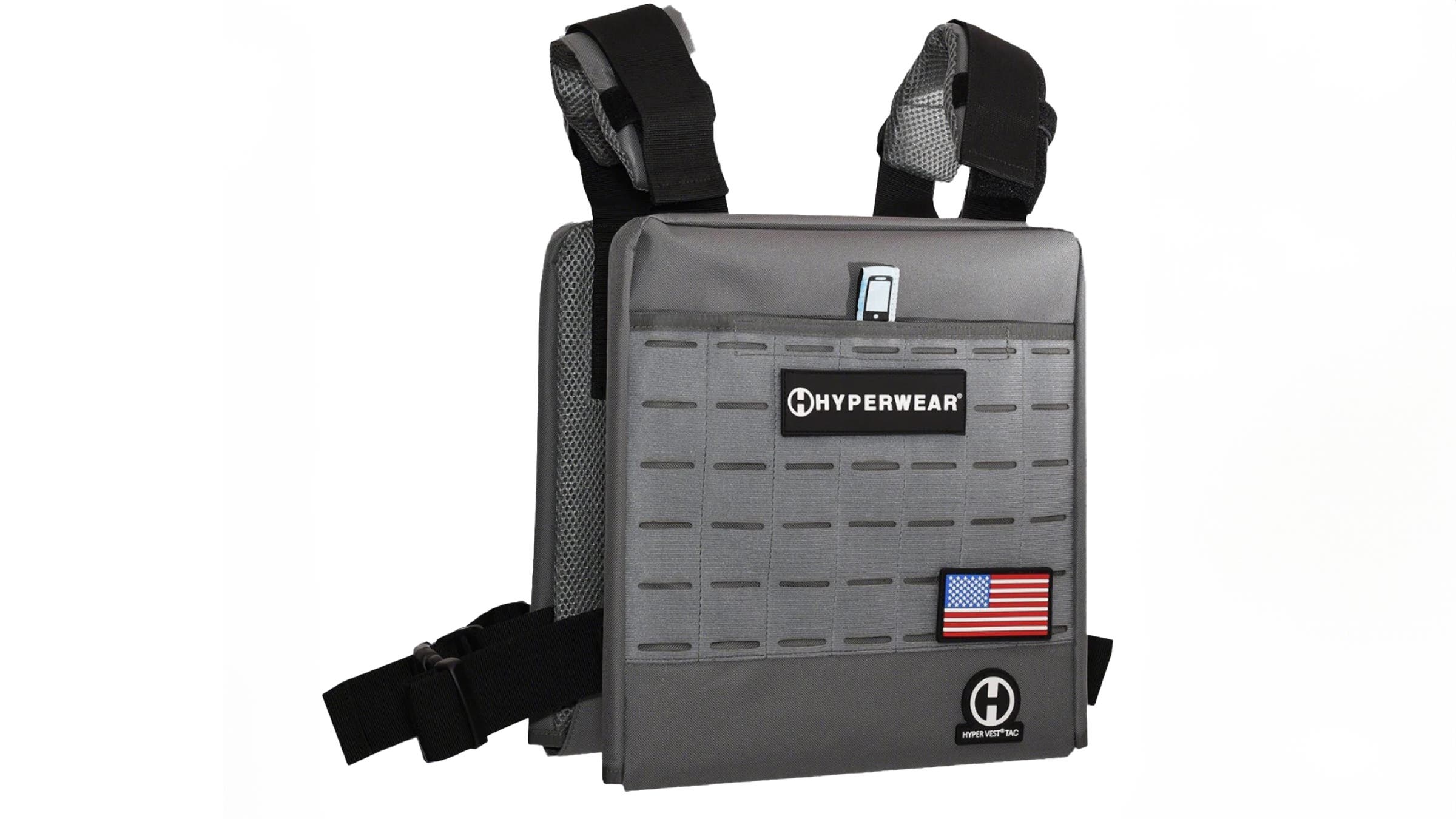 (Photo: Courtesy Hyperwear)
The Best Ruck Pack for the Gym Rucker
Hyperwear Hypervest
(Photo: Courtesy Hyperwear)
The Best Ruck Pack for the Gym Rucker
Hyperwear Hypervest
Sizes: 22 or 44lb-carrying options
Construction: 600D Nylon
Features: Adjustable weight plates
Max weight: 44 lbs
Use Case: All-around fitness platform
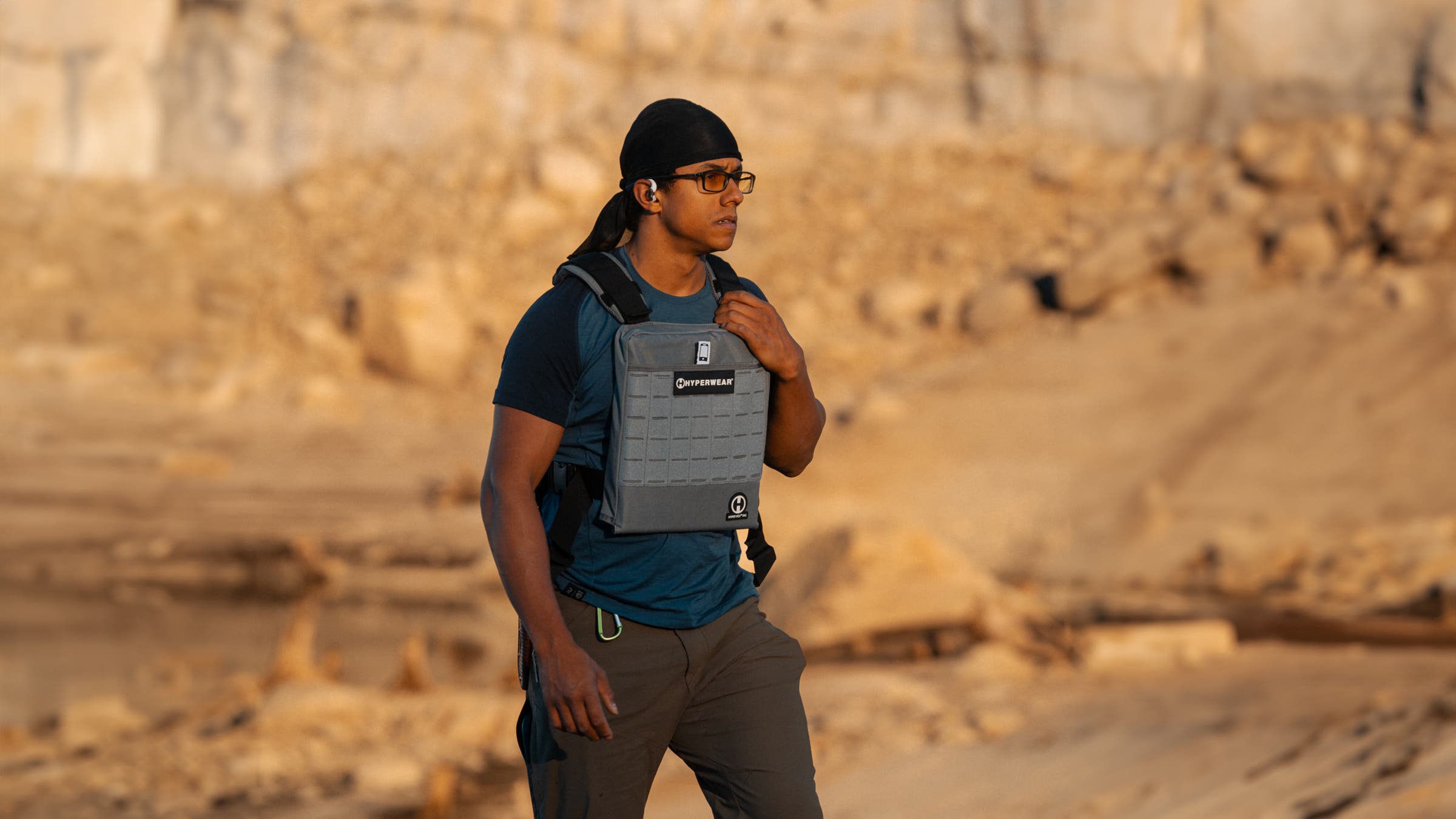 The Hyperwear Hypervest being used on a ruck (Photo: Ian Graber-Stiehl)
If you’re the sort of fitness junkie whose ideal ruck is a 30-minute stairmaster climb to cap off leg day at the gym, or hitting a few laps at the local park after a calisthenics session, then look no further than the Hyperwear Hypervest.
This vest features dual front and rear pockets and a modular plate system. The Hypervest comes in 22 or 42-pound maximum weight models. The plates themselves can be adjusted to dial in your carry weight.
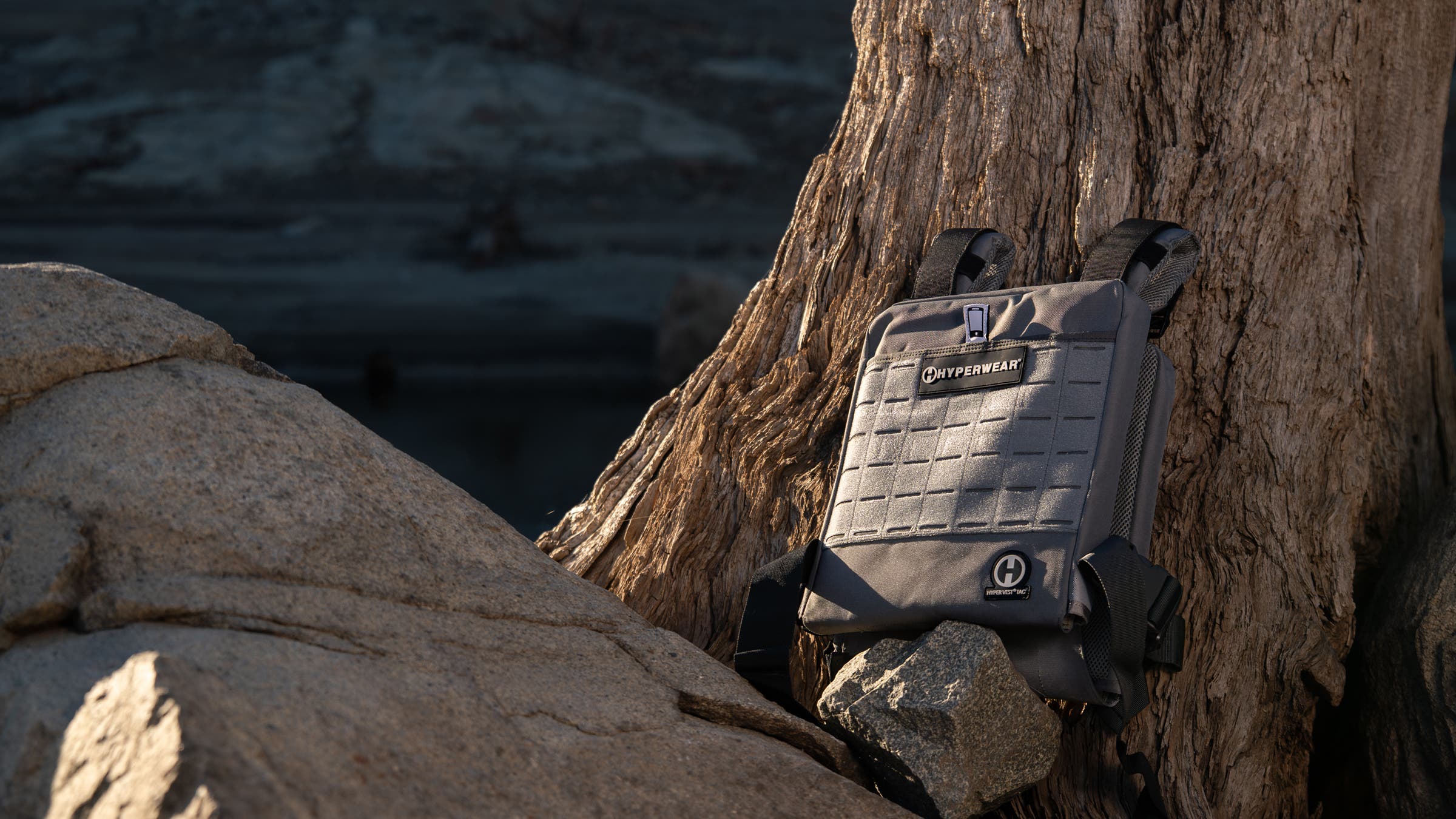 The Hyperwear Hypervest posed against a (Photo: Ian Graber-Stiehl)
I found that the inside seams of the 42-lb version dug slightly into my back. Likewise, the system for cinching the sides is a bit clunky. Nevertheless, the Hypervest has a wide range of adjustability in fit and load, solid construction, decent storage pocket space, and a more snug and comfortable fit than the vast majority of adjustable workout vests.
For rucking, it’s best suited to shorter, sub-three-mile rucks. In steep terrain, you’ll feel the lack of a hip belt. Even so, for those who want an adjustable rucking platform with reams of other fitness capabilities, the Hypervest is a fantastic option.
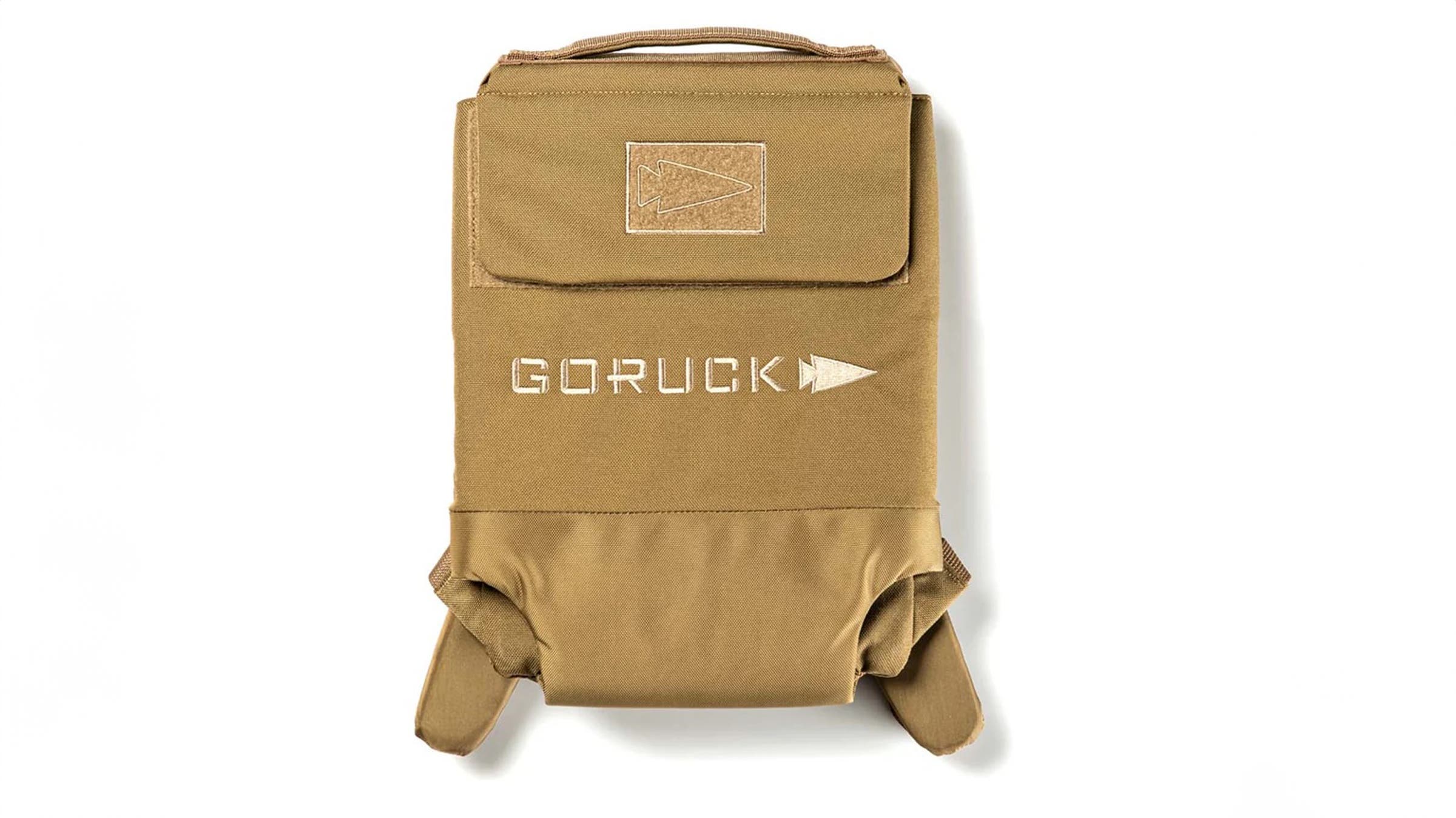 (Photo: Courtesy GORUCK)
The Best Ruck Pack for the Ruck-Focused Workout Rat
GORUCK Plate Carrier 3.0
(Photo: Courtesy GORUCK)
The Best Ruck Pack for the Ruck-Focused Workout Rat
GORUCK Plate Carrier 3.0
Sizes: Standard and Long
Construction: 1000D Cordura
Features: Rucking-focused rear-loading,
Max weight: 30-45 lbs
Use Case: Rucking-focused fitness routines
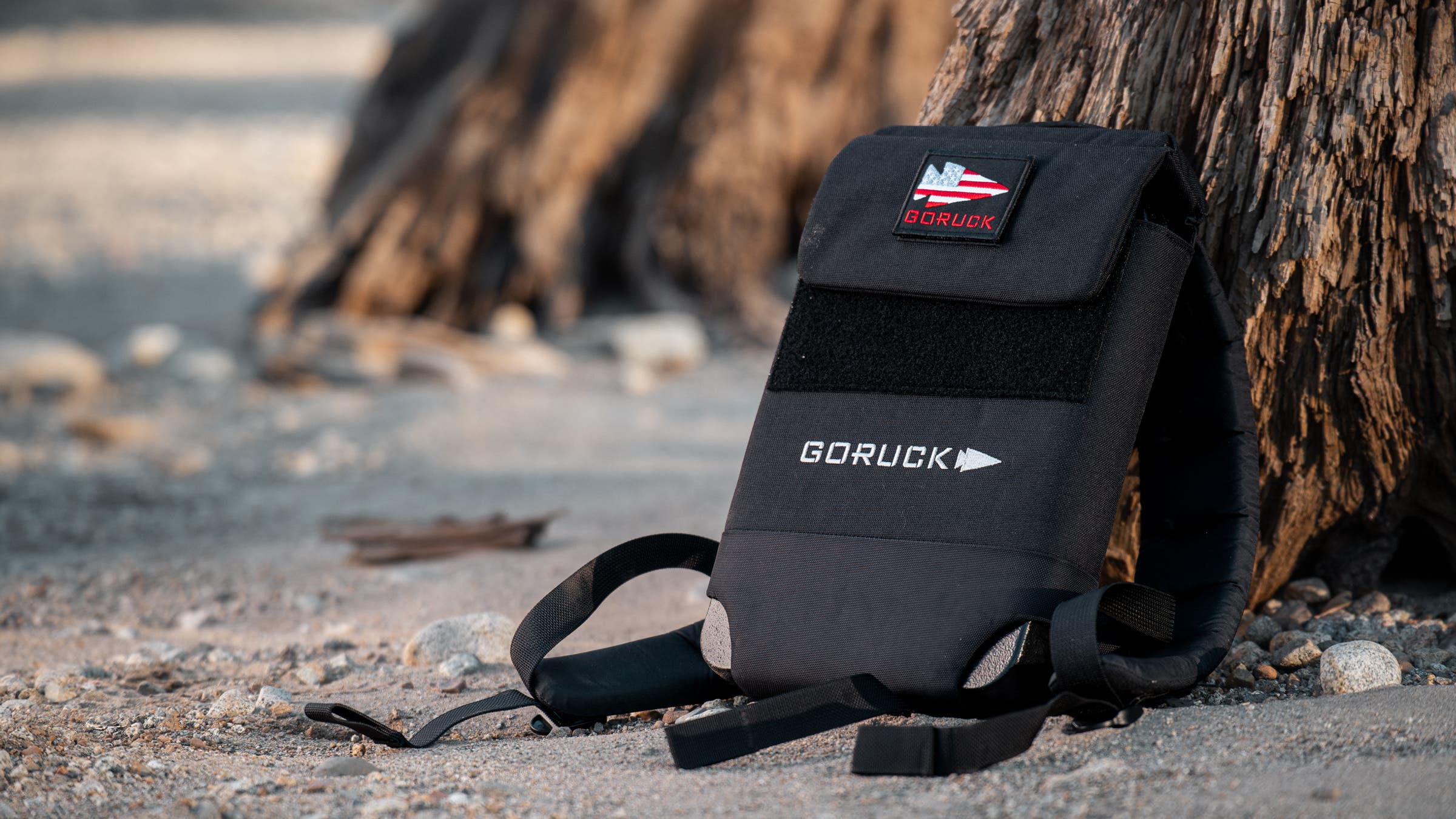 The GORCUK Plate Carrier 3.0 posed against a stump (Photo: Ian Graber-Stiehl)
The Hypervest may take the cake for the best ruck pack for all-around calisthenics and fitness routines. However, for a more durable, cost-effective, and rucking-centric platform, the GORUCK Plate Carrier 3.0 takes the cake.
The Plate Carrier 3.0 is rear-loading only—no slot for weights on the front. For training like pullups and front squats, the rear-only loading can be slightly awkward, depending on the user. However, for rucking, more glute and hamstring-dominant back squats, pushups, and more, it’s a very comfortable and capable plate carrier.
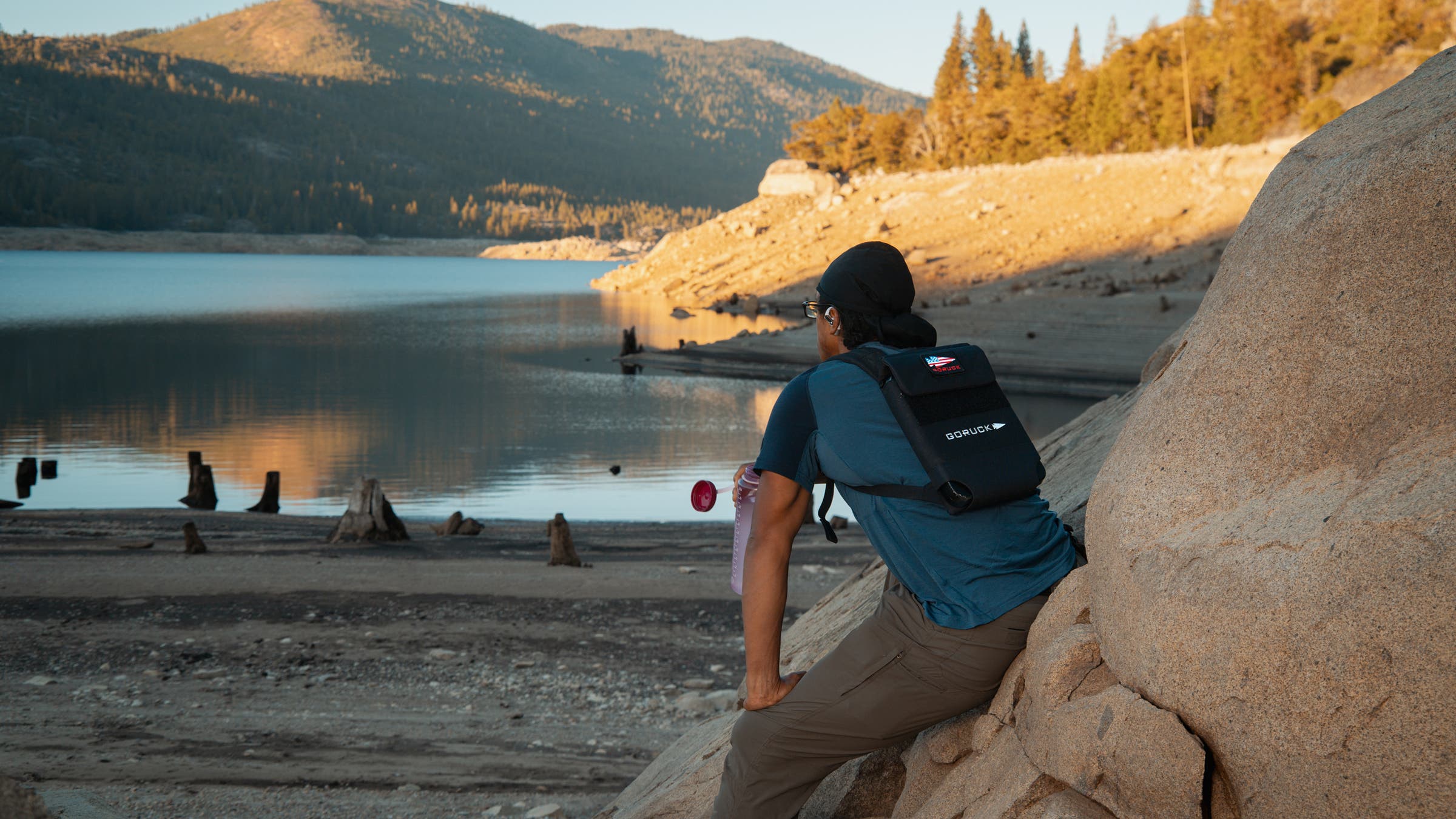 The GORCUK Plate Carrier 3.0 used on a rest during a ruck (Photo: Ian Graber-Stiehl)
GORUCK built the Plate Carrier with around 10 millimeter-thick foam. Its plates, with built-in handles, work well as standalone free weights. And while the Plate Carrier isn’t built to haul heavy (with the standard size accommodating up to 30lbs, and the long holding up to 45 lbs), what it carries, it carries well.
For the fitness junkie looking for a plate carrier first and foremost for rucking, with some versatility for other workouts, the 3.0 is a premium pick for a reasonable price.
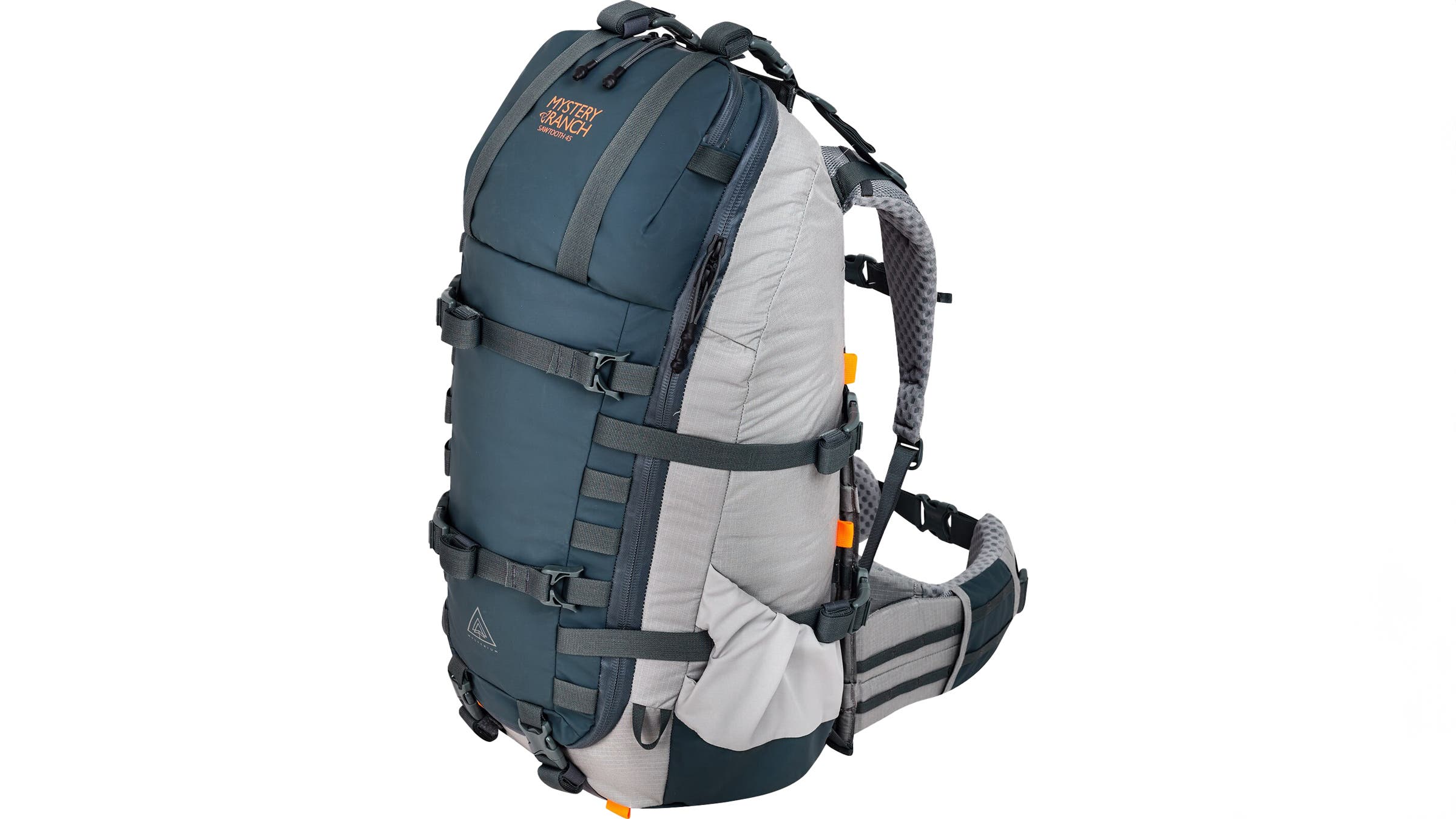 (Photo: Courtesy Mystery Ranch)
The Best Ruck Pack for the Sportsman’s Rucker
Mystery Ranch Sawtooth 45L
(Photo: Courtesy Mystery Ranch)
The Best Ruck Pack for the Sportsman’s Rucker
Mystery Ranch Sawtooth 45L
Sizes: 4 frame sizes
Volumes: 45, 65, and 85 Liters
Construction: 330 HT Cordura, with external frame
Features: Customizable hip belt, external frame, and frontal opening
Max weight: Up to 150 lbs
Use Case: Hunting, photography, and heavy-duty hiking
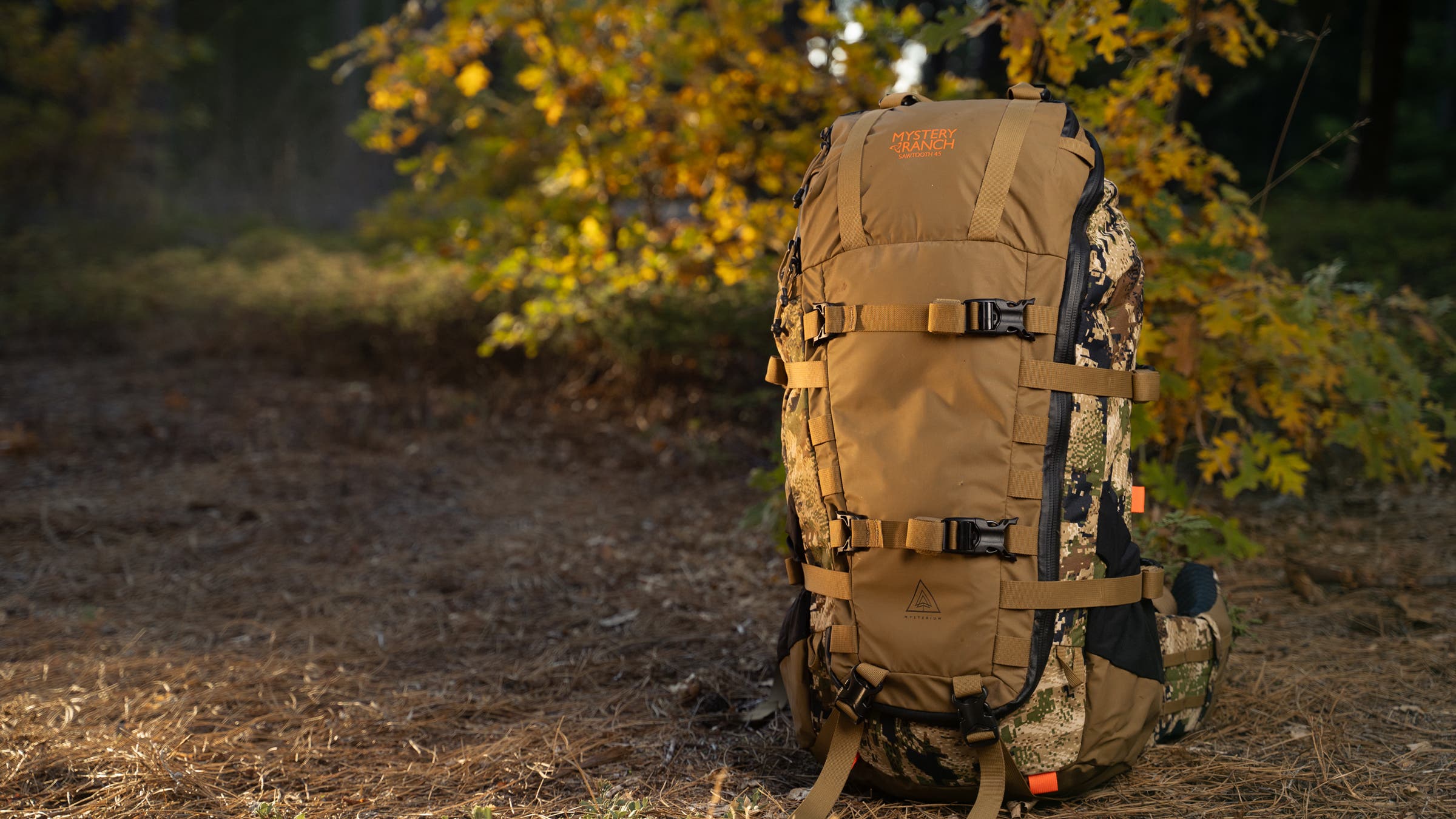 Mystery Ranch Sawtooth 45’s front face (Photo: Ian Graber-Stiehl)
While a big step up in price, Mystery Ranch is, as ever, a big step up in versatility. You’d be hard-pressed to find a pack they produce that isn’t great for rucking. Where the Sawtooth specifically shines is its large frontal opening, color scheme, and rugged build—ideal for hunters, wildlife photographers, and paddlers.
Like all of their external frame packs, the Sawtooth line is rated to carry up to 150 pounds. Heavy loads are made all the easier by one of the most robust, fit-adjustable, and comfortable harness systems on the market. This makes it one of the best rucking platforms for the sorts of outdoorsfolk, like backcountry hunters, who need to train for carrying truly heavy loads.
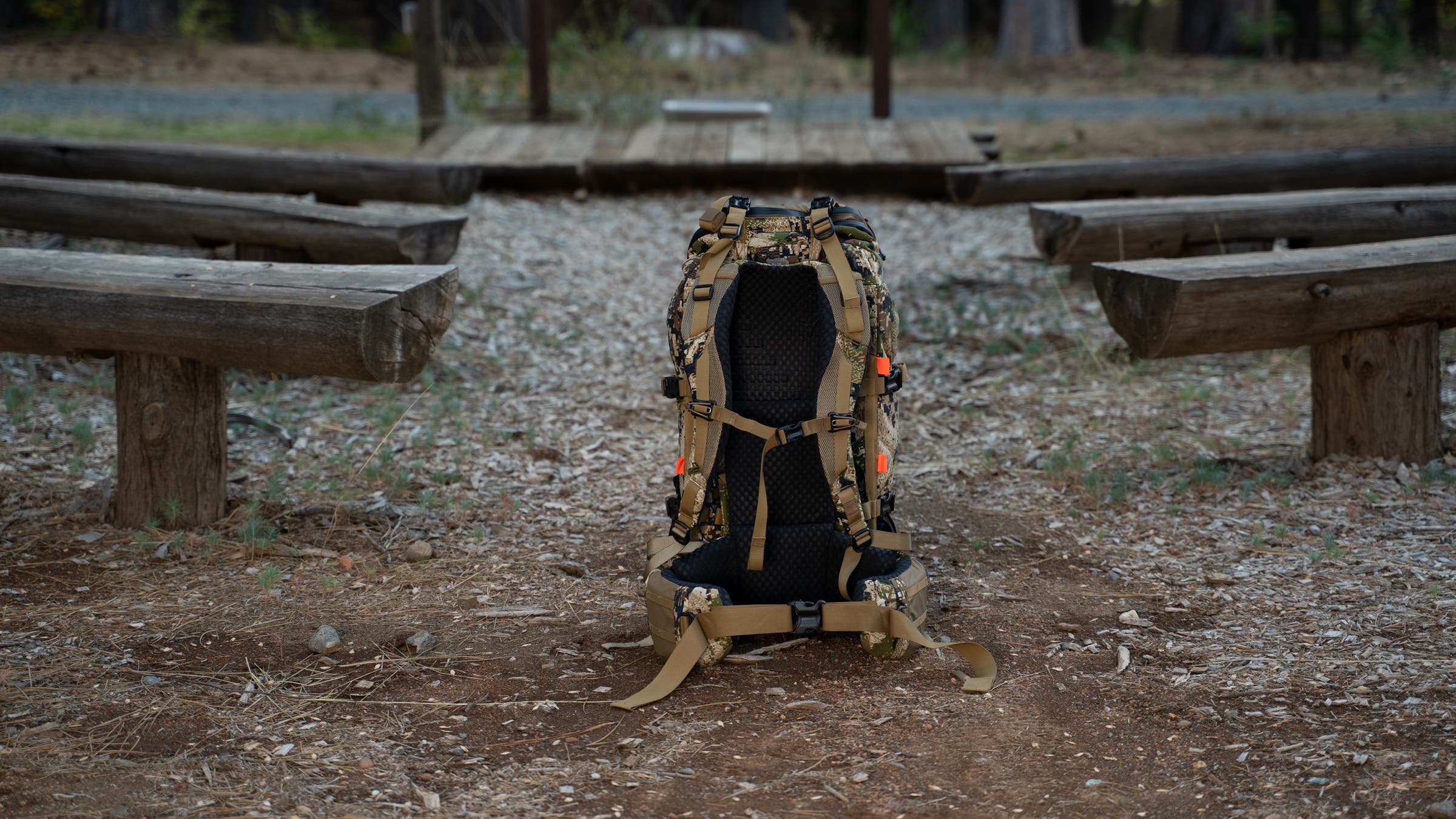 Mystery Ranch Sawtooth 45 external frame harness (Photo: Ian Graber-Stiehl)
The new Sawtooth actually fixes one of the few complaints this reviewer has ever had with Mystery Ranch suspensions: when you get sweaty, under heavy loads, they want to slip down your hip—requiring the occasional fidgety adjustment. The Sawtooth features a new, less slippery material on the newest iterations of Mystery Ranch’s external frame suspension. It’s a major upgrade on what was already one of the most proven external frame pack systems on the market.
The Sawtooth runs in three volume options (45, 65, and 85 liters) with an overload shelf (a space for strapping items between the pack and frame) that’s easier to use than most other external frame packs on the market. So, while the pack itself isn’t designed to carry weight plates, it’s plenty easy to strap any plates (rucking or weightlifting) between the frame and pack.
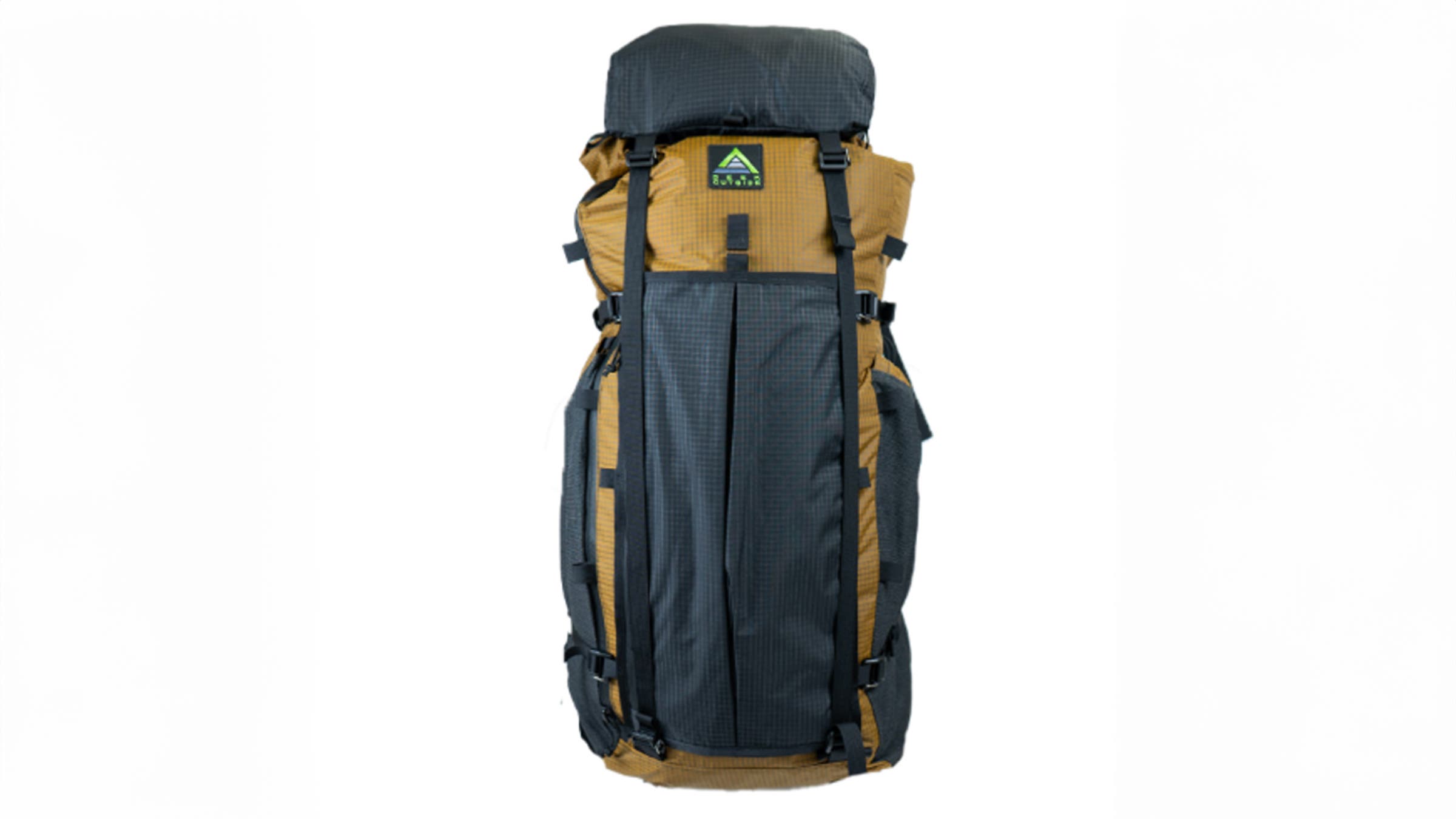 (Photo: Courtesy Seek Outside)
The Best Ruck Pack for the All-Around Adventurer
Seek Outside Goshawk 4800
(Photo: Courtesy Seek Outside)
The Best Ruck Pack for the All-Around Adventurer
Seek Outside Goshawk 4800
Sizes: 5 hip belt sizes; multiple frame extensions to tailor to torso length
Volumes: 4800 cu in (79-liter) and 6300 cu in (103-liter)
Construction: Ultragrid, Ultra 200x, and Ultra 400x options
Features: Waterproof fabric, roll top and frontal opening, modular accessories, and customizable hipbelt
Max weight: 200-300 lbs.
Use Case: An all-around adventure pack that doubles as a rucksack
Jack of all trades, master of none, the Goshawk’s price sets a high bar, which its performance easily leaps. We’ve previously found the 6300 to be among the heaviest hauling expedition packs. However, the Colorado brand’s 2025 updates to the smaller (relatively) 4800 make it one of the most versatile external frame packs.
The Goshawk isn’t a rucksack. It’s a flex adventurer with rucking utility. The 4800 can be ordered in UltraGrid or Ultra 200x. In addition to some of the toughest and most water-resistant ultralight fibers on the market, the Goshawk sports both roll top and frontal openings, with accessories galore (Seek Outside offers one of the most modular pack systems on the market).
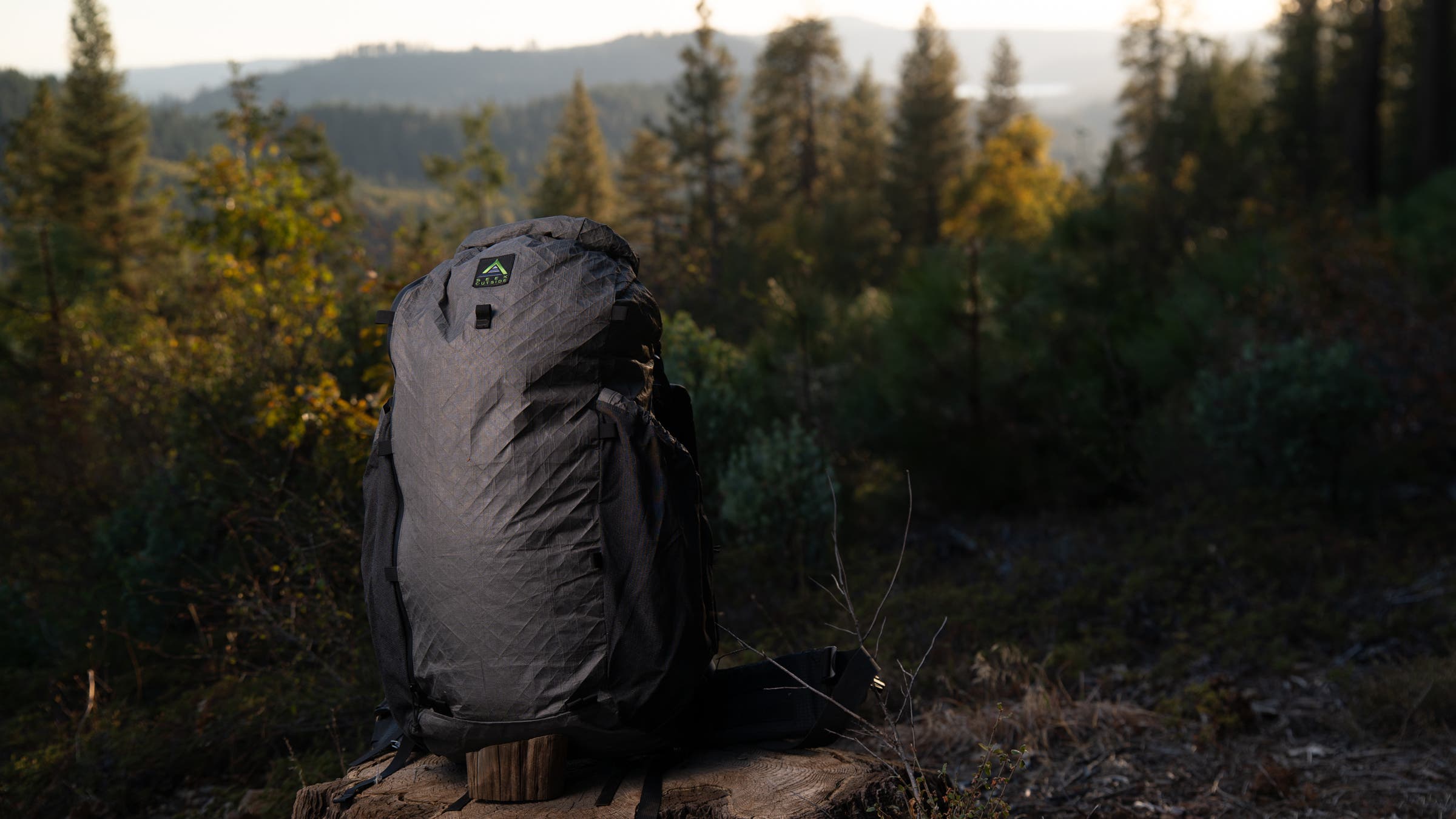 Seek Outside Goshawk 4800 posed on a stump (Photo: Ian Graber-Stiehl)
The Revolution frame that Seek Outside built the Goshawk around is virtually peerless. Seek Outside makes buying other model packs to swap onto a single frame far easier than most other external frame pack companies. The Revolution is also rated up to 300 pounds. I’ve tested it up to 150 pounds. Even surpassing the triple-digit mark, it remains the most comfortable carry system I’ve ever used—all the more so with 2025’s redesigned hip belt.
Simply put: The Goshawk hauls like no other. It boasts a nigh-on overwhelming level of versatility and customizability. However, you can strap any kind of weight to the frame and get to rucking in far more comfort than you’ll get from almost any other pack
As a wildland firefighter in steep country, the Goshawk is my go-to rucking platform for my heaviest training. The more amazing part is that it’s also quickly become my go-to for paddling, wildlife and landscape photography, backpacking, canyoneering, bushcraft, and so much more. If you’re looking for the definitive “If I could just have one” pack for adventures and rucking alike, this may be the best ruck pack for you.
Comments (0)