
Remember me








Call them what you will—hybrid, road-to-trail, gravel—running shoes designed to work well on asphalt and unpaved surfaces are having a moment. Nearly all brands now offer a model in this growing segment.
This hybrid running shoes trend is overdue. After all, most of us who love soft surfaces reach them via paved roads. Consider my mainstay 10-mile loop: It starts with 15 minutes on asphalt, features a middle section of rocky, rooted New England forest trails, and ends with 25 minutes on a combination of dirt, grass, and asphalt.
For most of my 46 years as a runner, these types of routes required compromise. Trail shoes that were firm, heavy, and aggressively lugged made road stretches jarringly unpleasant. Road shoes made me take momentum-interrupting, minced steps on trails; the uppers on some got torn from my off-label use. Now, though, we can have it all, thanks to hybrid running shoes that shine on all surfaces.
How I Tested and Selected the Best Hybrid Running Shoes
Over the previous 11 months, I collected 13 models that brands advertise for multi-surface running. I wore each hybrid running shoe for at least three runs on a variety of surfaces. My initial assessment was two-fold: Does this shoe feel and perform good enough on asphalt that I would want to wear it on an asphalt-only run? And does this shoe feel and perform good enough on trails/dirt/gravel/grass that I would want to wear it on a run with no asphalt? If the answer to either question was “no” after three runs, I stopped testing the hybrid shoe.
I eventually whittled the test pile to the following five models. I’ve run at least 100 miles in all of them, on every surface available to me—asphalt, dirt, gravel, cinder path, rocky trail, grass, sand, and forest trail. Most of these runs were at an easy to moderate pace, but I’ve also done faster asphalt running in all of them. I’ve run at least 90 minutes in each at least twice. Here are my five favorite hybrid running shoes of 2025.
Best Hybrid Running Shoes: At a Glance
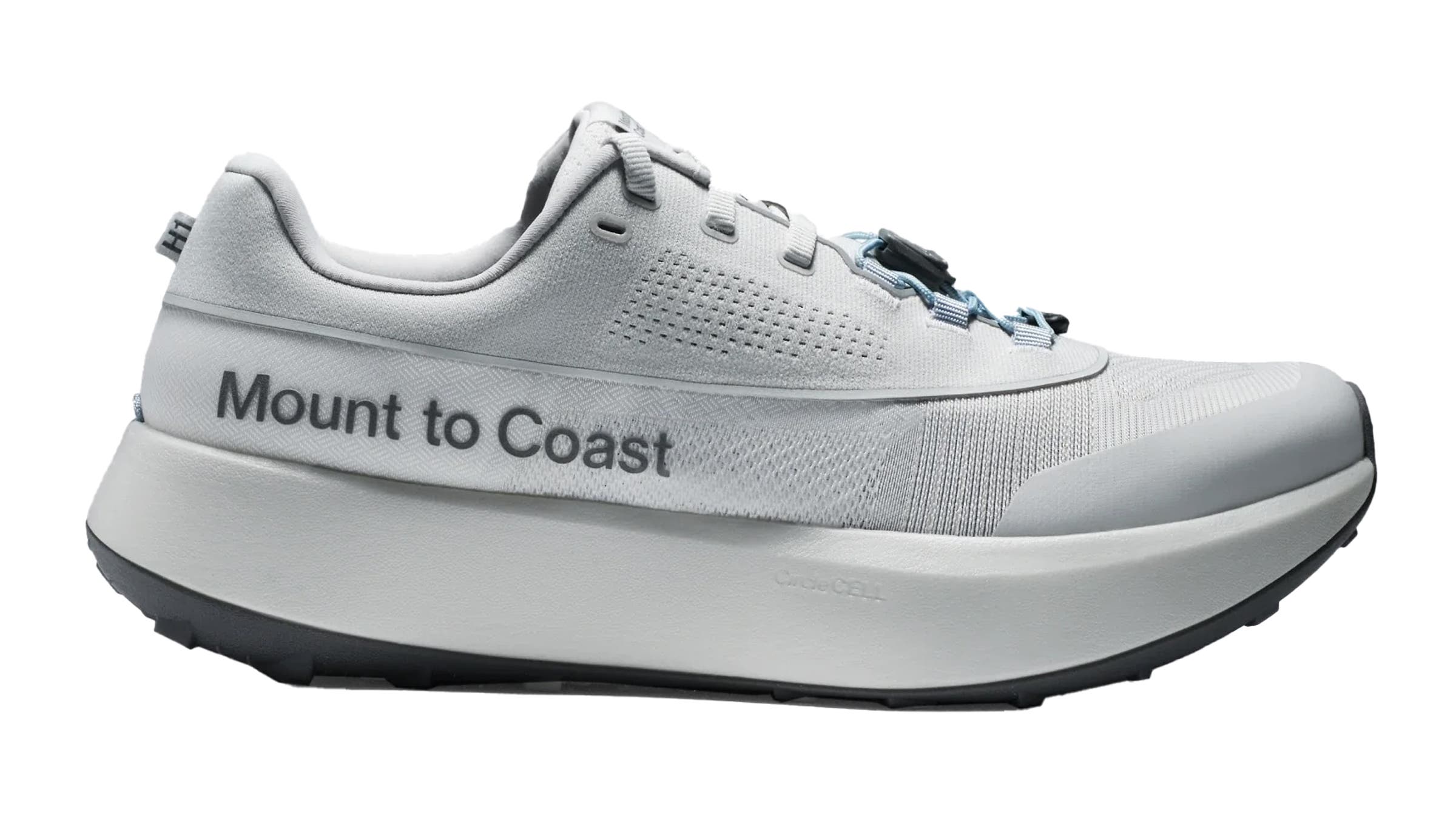
Best Hybrid Shoe Overall: Mount to Coast H1
 (Photo: Courtesy Mount to Coast)
Weight: 8.4 oz (men’s 9), 7.2 oz (women’s 8)
Stack Heights: 36–30 mm
Heel-to-toe Drop: 6 mm
Pros and Cons
+ Feels and works great on all surfaces
+ Comfortable, consistent cushioning
+ Durable outsole and midsole
+ Ecofriendly midsole materials
– Some will want more traction on technical trails
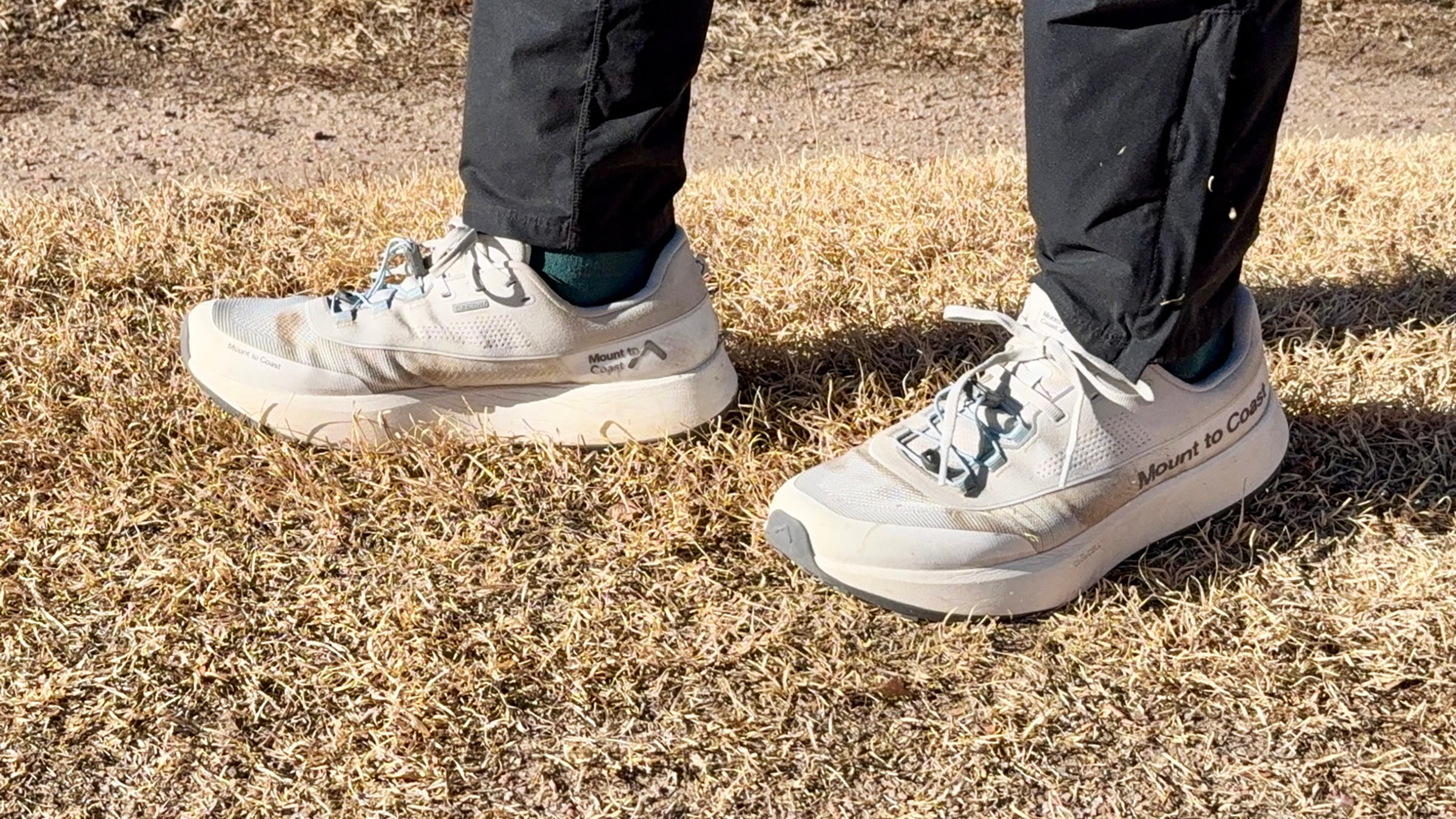
This hybrid running shoe is a dream come true. I’ve been raving about it to friends since last December, when Mount to Coast made me a pair well in advance of its release this fall. “Finally,” I told anyone who would listen, “a hybrid shoe that feels equally great on pavement and everywhere else.” I’ve put more than 300 miles on my pair, and I would have run more in them by now if I hadn’t been testing other shoes.
The H1 debuts Mount to Coast’s CircleCELL midsole foam. Made entirely of renewable feedstock, including recycled organic waste, it’s the first “green” midsole material I’ve run in that doesn’t compromise on comfort and performance. Mount to Coast says its energy return is on a par with that of PEBA, but that it lasts almost twice as long. I’ve noticed no degradation over the course of my 300-plus miles in the H1. If I didn’t know what the midsole was made of, I would have guessed a PEBA/supercritical EVA blend that produces a stable, responsive ride.
I often run one to two hours in the woods before finishing with 30 minutes at half marathon pace on asphalt. When I’ve worn the H1 for these sessions, my splits on the fast-finish section are similar to when I wear performance road shoes, such as the Saucony Endorphin Speed 5. That’s true despite the 2-millimeter outsole lugs that keep me moving well on softer surfaces.
Like other Mount to Coast shoes, the H1 doesn’t elicit an immediate “wow” reaction. Instead, it delivers dependable, consistent cushioning that feels the same in the final mile of a long run as in the first run, and that feels the same now as when I started running in it almost a year ago.
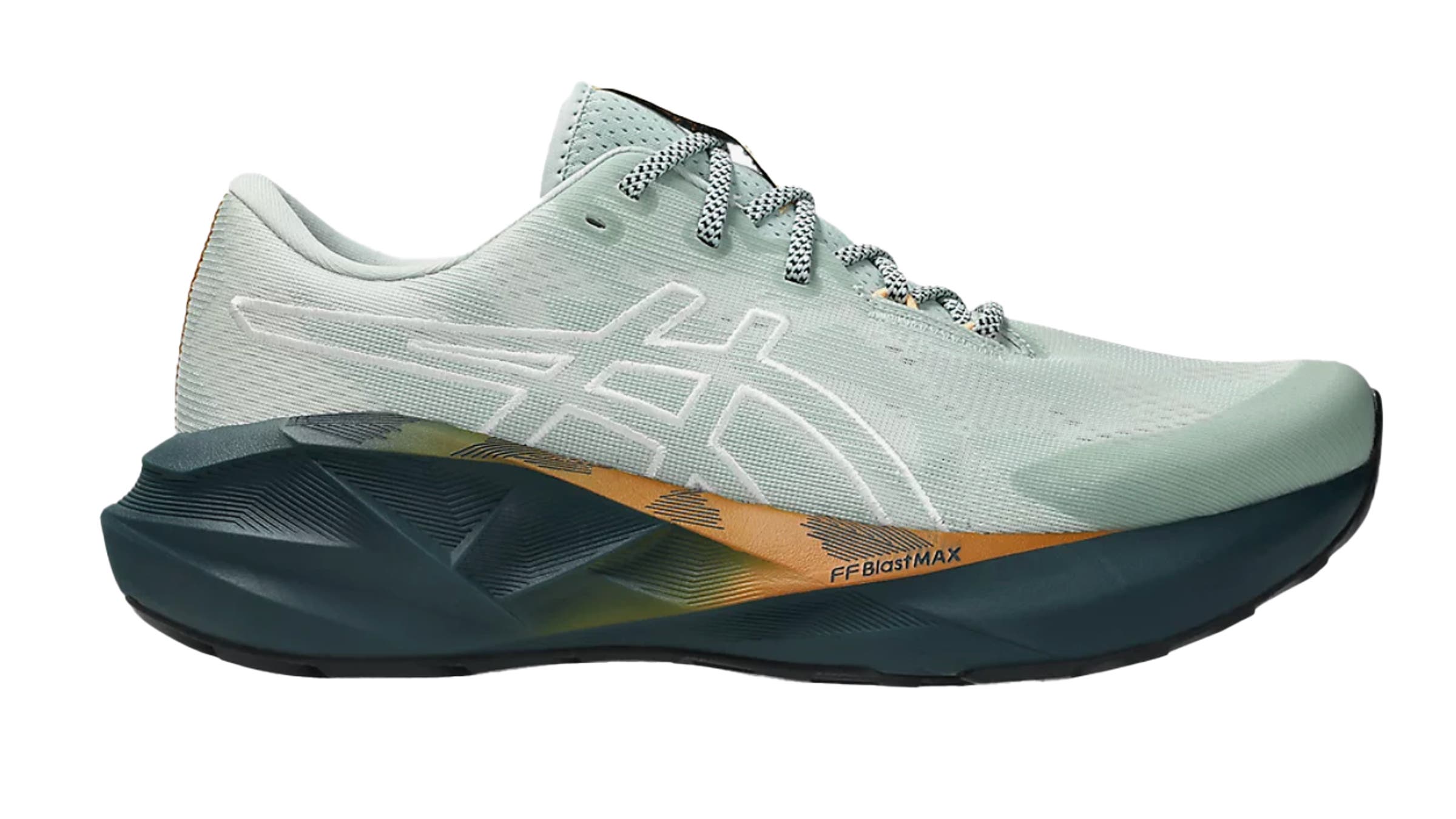
If You Want a Bargain Hybrid Shoe: Asics Novablast 5 TR
 (Photo: Courtesy Asics)
Weight: 9.7 oz (men’s 9), 8.4 oz (women’s 8)
Stack Heights: 41.5–33.5 mm (men’s), 40.5–32.5 mm (women’s)
Heel-to-toe Drop: 8 mm
Pros and Cons
+ Good value
+ Similar ride to its road sibling, the Novablast 5
+ Runs lighter than its weight
+ Wide platform provides stability on uneven surfaces
– Lacks nimbleness on more technical trails
– Traction so-so on more technical trails
The non-hybrid Novablast 5 a great easy- to moderate-pace road shoe for when you want to just settle in for your daily miles. That’s thanks in large part to its midsole, which is made of polyolefin (POE), a softer, more durable material than standard EVA. POE is also less expensive and returns less energy than PEBA and other high-end foams, making it a good choice for a value-priced, easy-mileage shoe. It makes sense to bring this emphasis on relaxed cushioning at a good price to a hybrid running shoe.
The Novablast TR weighs about three-quarters of an ounce more than its road sibling. The extra weight comes mostly from a toe guard, slightly meatier heel cup and tongue, and a more lugged outsole. I usually find shoes that are pushing the 10-ounce mark a little heavy and clunky, but that’s not the case here. The ride at easy paces is smooth on asphalt, dirt, grass, and gravel.
This isn’t a hardcore trail shoe; don’t take the “TR” in its name to mean “traction.” The outsole lugs are about a millimeter high, and portions of the forefoot have no outsole. The shoe’s wide platform provides pleasant stability in relatively unchallenging settings, but I frequently felt hampered by that same stability when I needed to move nimbly in something other than a straight line.
If You Want a Deluxe Hybrid Shoe: Norda 005
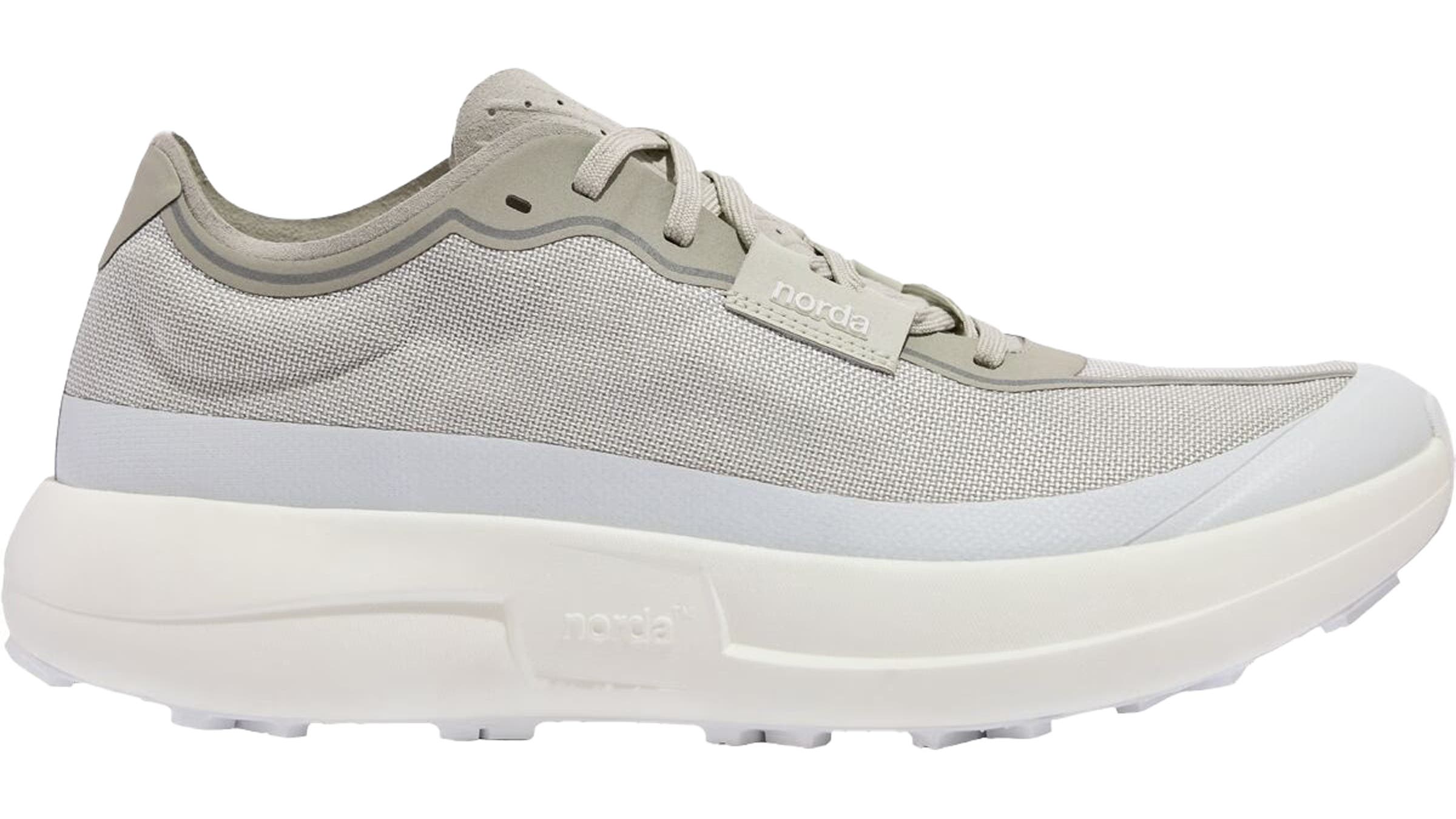 (Photo: Courtesy Norda)
Weight: 8.0 oz (men’s 9), 6.7 oz (women’s 8)
Stack Heights: 38–31 mm
Heel-to-toe Drop: 7 mm
Pros and Cons
+ Road super shoe midsole materials
+ Premium upper material provides durability on trails
+ Can be used for racing
– Expensive
– Secure lockdown over the rear of the foot takes time to personalize
The lightest hybrid running shoe in this review is also the most expensive (by far). Unlike many road models in its price range, the 005 softens its potential sticker shock with its durability. The upper is made of Dyneema, a polyethylene fiber with a better strength-to-weight ratio than Kevlar. So, no worries about tears if you catch a sharp rock or root. The midsole—made of TPEE, among the compounds vying to replace PEBA as the default premier midsole material—is also designed to last for hundreds of miles. And the Vibram outsole isn’t going to get chewed up on trails anytime soon.
Durability is especially rare in a hybrid shoe that’s as fun to run in as the 005. The midsole is soft but not mushy at slower paces; it becomes more snappily responsive the more force you put into it. The shoe’s lower weight compared to other hybrids adds to the speedy underfoot sensation. There’s surprisingly good ground feel for the relatively high stack height, and I never felt the outsole detracted from my eagerness to push the pace, regardless of surface.
Norda markets the 005 as a race shoe. I’ve used it for that purpose, and I wound up running 20 seconds faster in a trail 5K than I’d run in three previous editions of the race. At age 61, I consider that a win. But the shoe is too good, and trail races are too infrequent, to not wear it for everyday outings. On those, I’m consistently faster to standard checkpoints in the 005 than in most other shoes.
Two minor gripes so that I don’t get accused of saying everyone should buy a $325 running shoe: First, the T-shaped outsole lugs might wear down sooner than desired with a lot of time on asphalt. Second and more universal, the rear of the shoe is a little baggy, potentially leading to heel slippage on more rugged trails. It took me several runs to find a Goldilocks level of lacing that kept heel landings stable without excessive pressure across the top of my feet.
Fit note: Norda recommends going half a size up in the 005 from your normal running shoe size. That’s what I did, and the fit was spot on.
If You Want a Hybrid Shoe With a Bouncy Ride: Salomon Aero Glide 3 GRVL
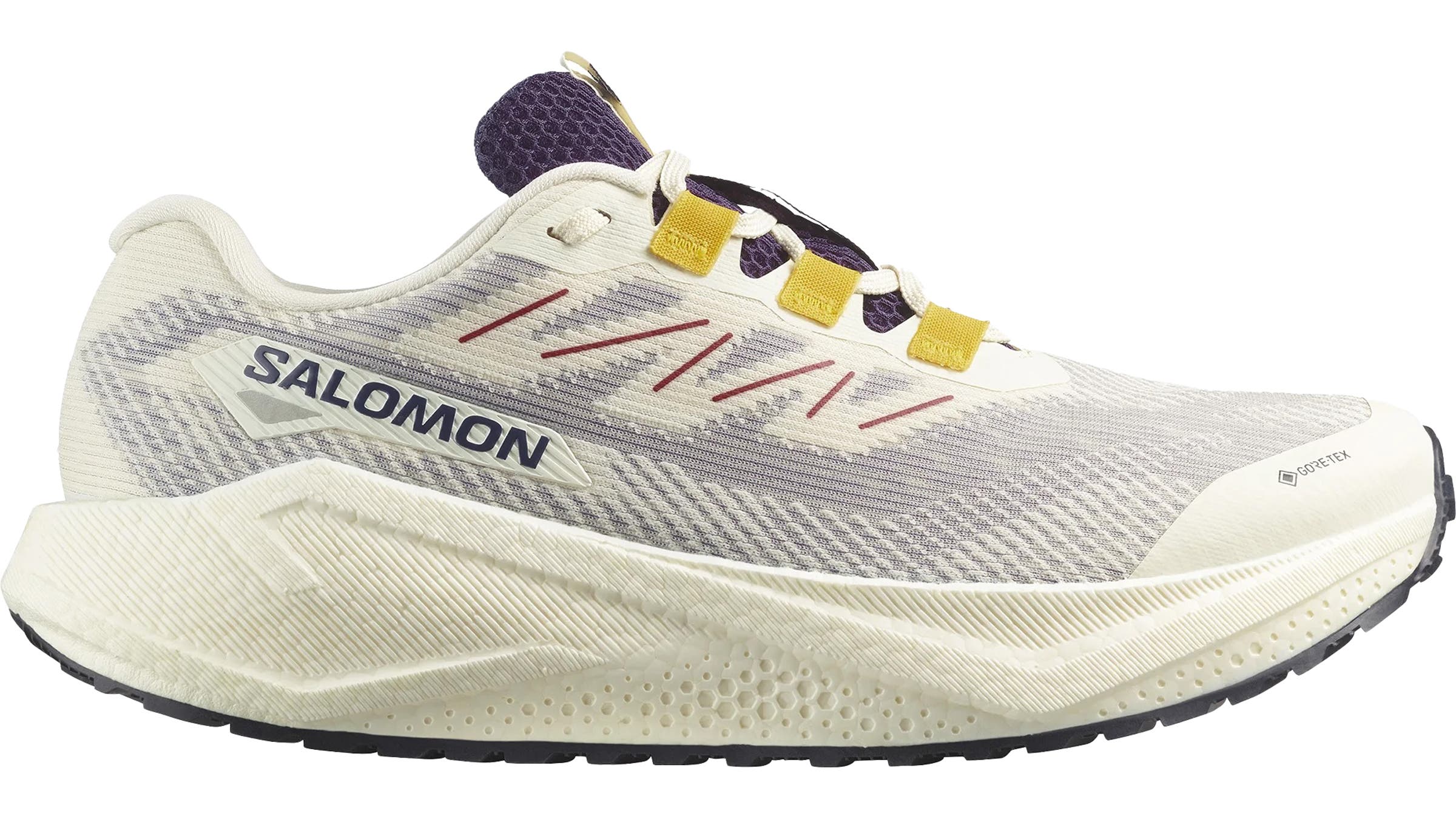 (Photo: Courtesy Salomon)
Weight: 9.4 oz (men’s 9), 8.9 oz (women’s 8)
Stack Heights: 43–35 mm
Heel-to-toe Drop: 8 mm
Pros and Cons
+ Fun, bouncy ride on most surfaces
+ Feels light for its height and weight
– Unstable on some trails
Of the hybrid running shoes in this review, this one feels the most like a high-quality neutral road model when on asphalt. That’s because Salomon converted its most enjoyable roadster, the Aero Glide 3, into a hybrid mostly by making the upper more substantive and adding 2.5-millimeter lugs to both sides of the rimmed rubber outsole. These modifications add about three-quarters of an ounce in weight while preserving the fun, bouncy ride the beaded eTPU midsole provides.
As befits the “GRVL” part of its name, this shoe is also excellent on dirt and gravel roads. The outsole provides just the right amount of grip to move smoothly over those slightly varying surfaces, while the midsole, which really is the star of the show here, keeps you moving along at a steady cruising pace.
The fun continues on mild trails; I love the Aero Glide 3 GRVL when running through forests of mostly pine trees. But the shoe starts to reach its limits on more technical trails. The combination of the high stack height and bouncy midsole introduce enough instability that I often find myself worrying about each root and rock rather than blissing out.
If You Want a Hybrid Shoe With a Firm Ride: Merrell ProMorph
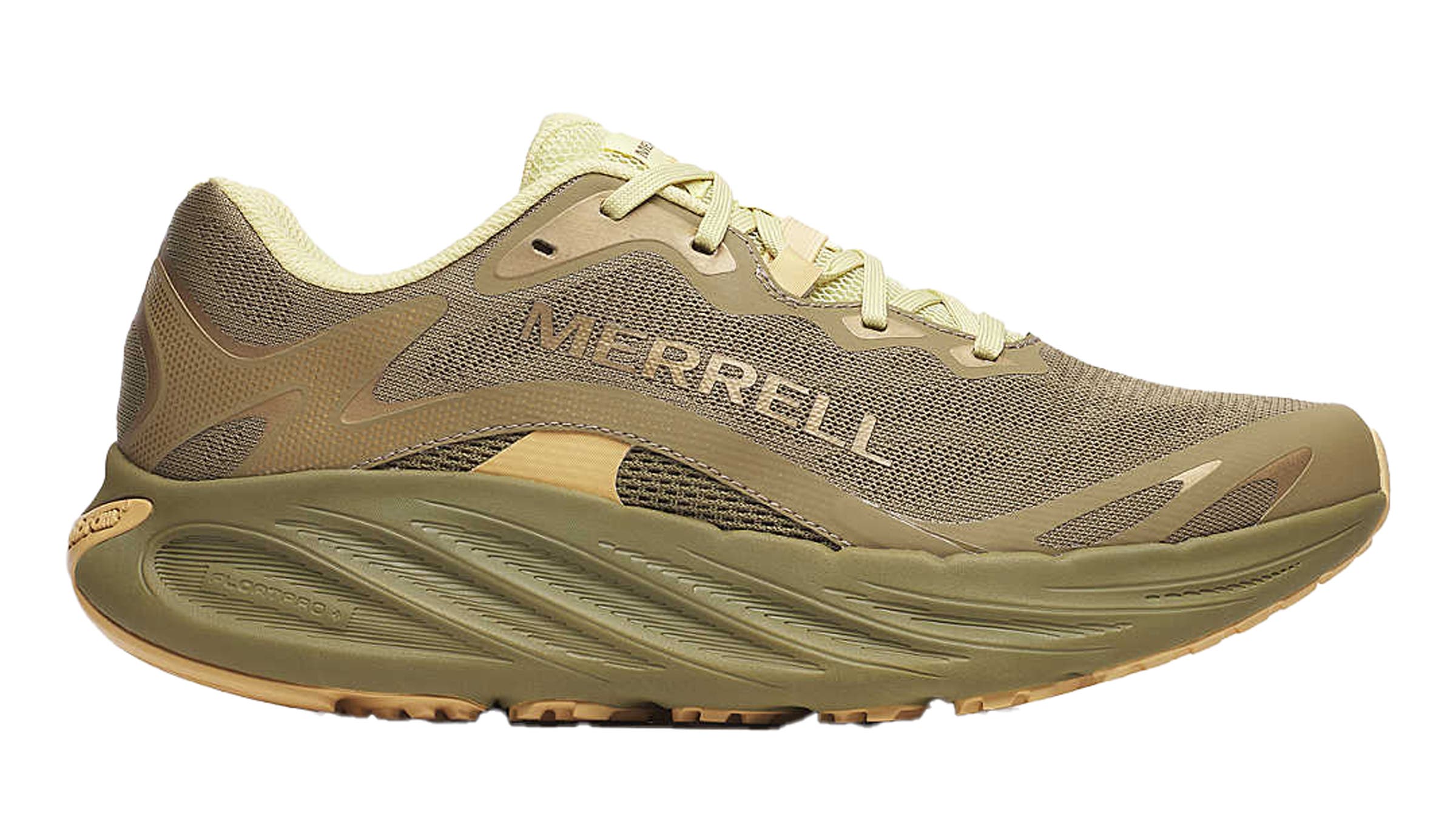 (Photo: Courtesy Merrell)
Weight: 9.1 oz (men’s 9), 7.0 oz (women’s 8)
Stack Heights: 32.5–26.6 mm forefoot
Heel-to-toe Drop: 5.9 mm
Pros and Cons
+ Good ground feel
+ Stable on trails
– Some will find midsole/ride too firm, especially on asphalt
This hybrid running shoe was a pleasant surprise. The Merrell road shoes I’ve run in the past few years have been underwhelming, lacking the springy comfort we’ve come to expect from even basic trainers. While the ProMorph’s ride is definitely on the firm side, it’s more of a responsive firmness that helps to move you forward than a too-stiff firmness that makes running a chore.
I wish I could tell you more about what’s in the ProMorph’s midsole. Alas, Merrell simply calls it “our premium FloatPro+ midsole foam for enduring cushion.” I wouldn’t be surprised if it’s an infused EVA compound. Merrell isn’t alone in being cagey about midsole foam materials, but still—in late 2025, many runners expect to know what they’re running on.
While the ProMorph is good enough on asphalt, it’s best on forest trails and softer roads. Side walls in the rear of the shoe create a nice cradle for the heel. The relatively low stack height gives good ground feel and adds to the shoe’s stability. The firm midsole keeps you from sinking down too much into the ground, while an early forefoot rocker helps to move you forward. Unless you regularly run in mud or on trails that merit the outsole equivalent of mountain bike tires, the ProMorph should work as well as any of Merrell’s trail-only models.
Comments (0)