
Remember me
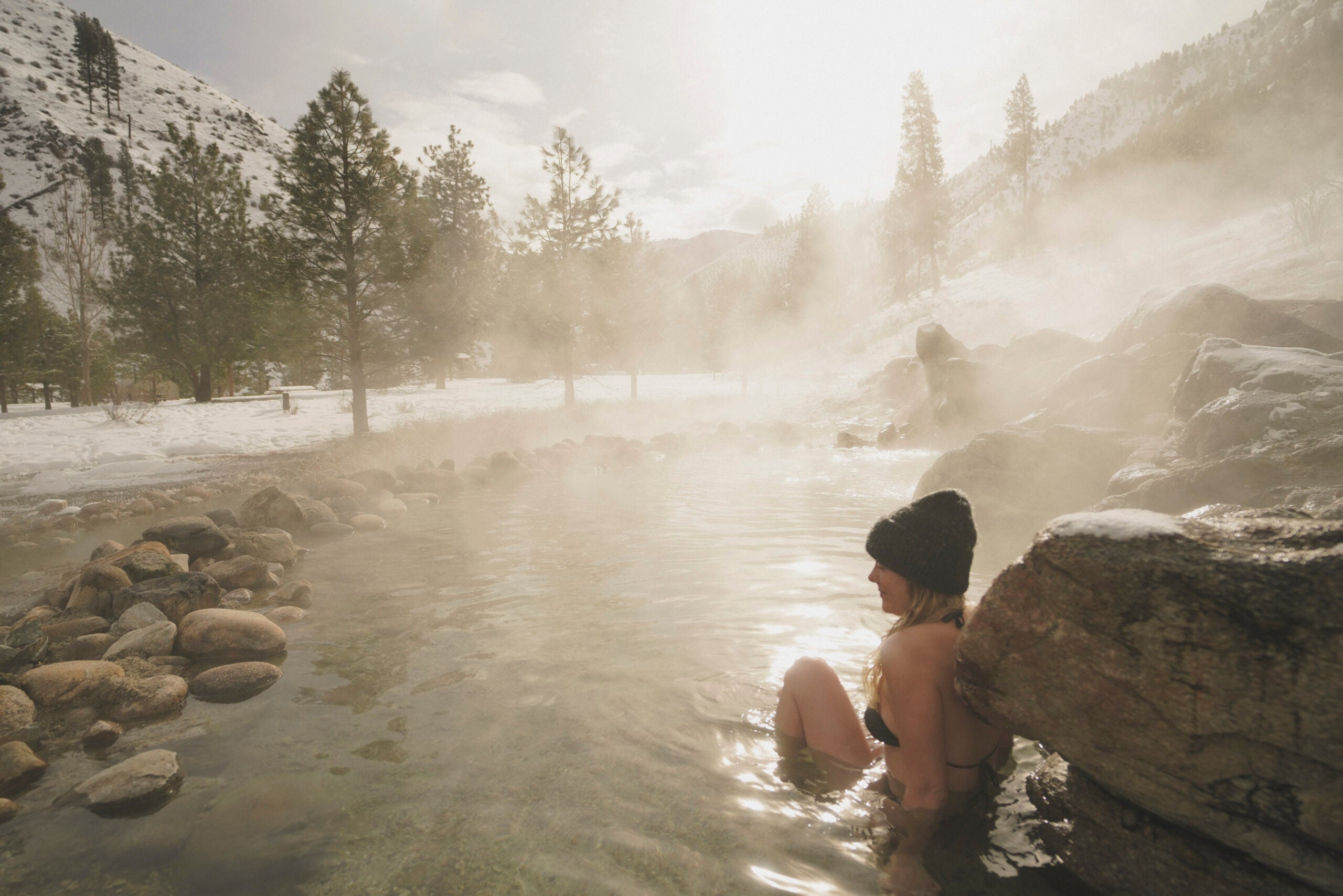





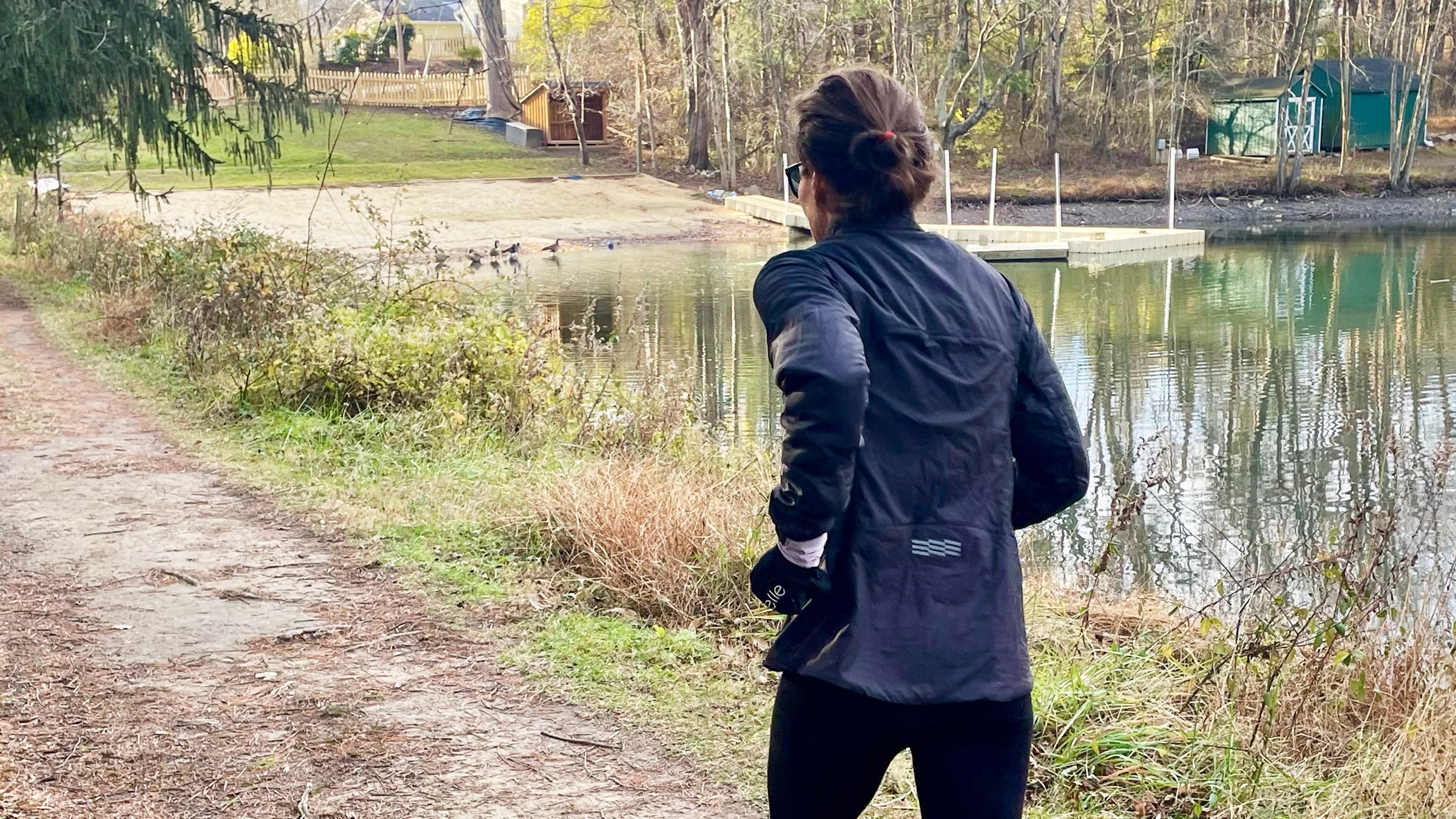



Bring it on, winter. With protective, breathable materials crafted into silhouettes that move with us while we run, weather can’t get the best of us. Get outside all winter long, staying warm and dry in one of these best winter running jackets that have been tested and approved in all kinds of cold-weather conditions.
Best Winter Running Jackets for Women: At a Glance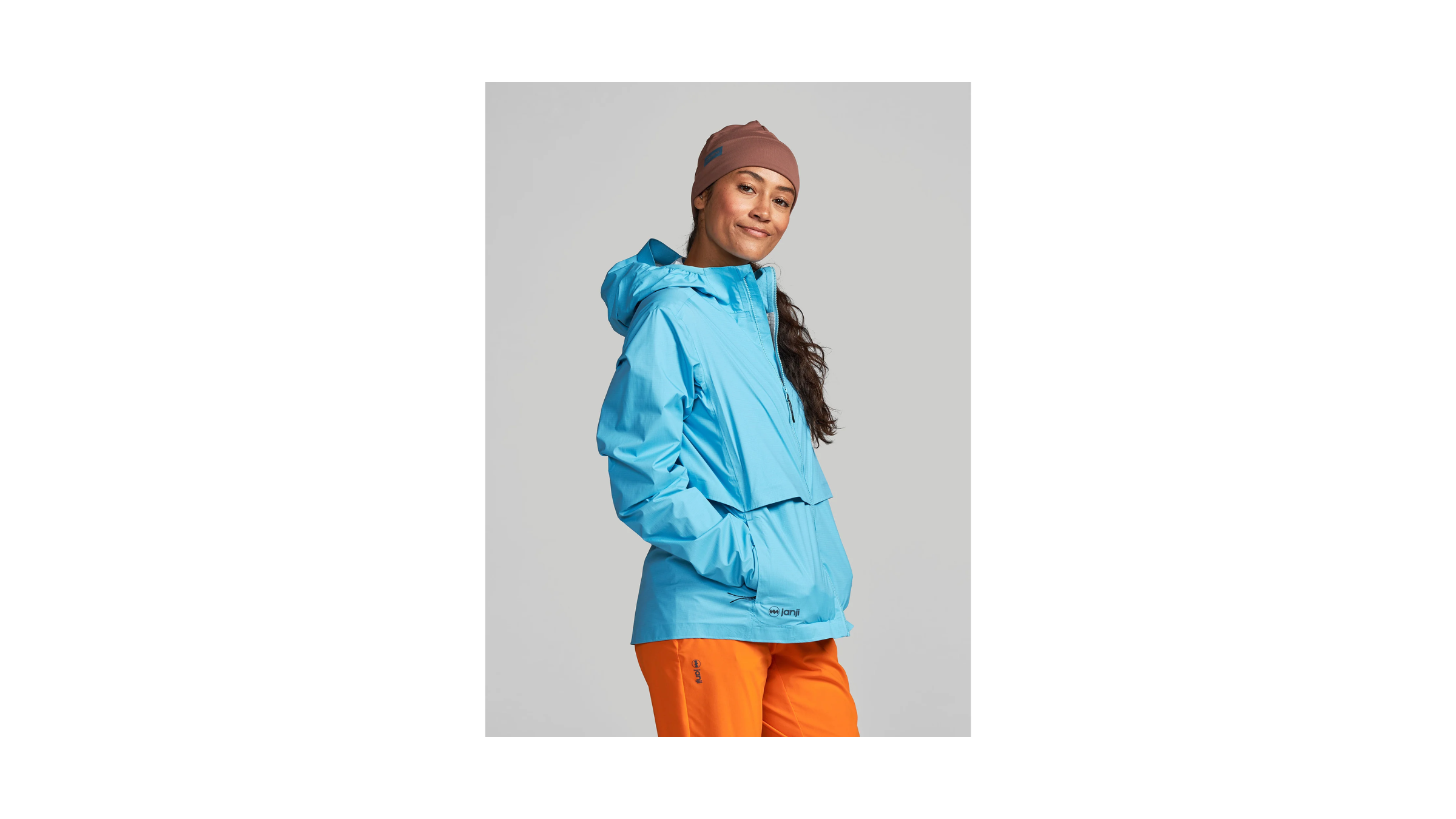 (Photo: Janji)
Best Winter Running Jacket All-Around
Janji Rainrunner Pack Jacket 2.0
(Photo: Janji)
Best Winter Running Jacket All-Around
Janji Rainrunner Pack Jacket 2.0
Materials: 2.5L laminated ripstop, 100% nylon with PFC-free C0-DWR,
Sizing: XXS-XXXL
Pros and Cons
+ Waterproof (PFC-free)
+ Good ventilation
–No drawcord at the waist
Every runner needs a reliable, comfortable, waterproof/breathable shell, and this is our pick for the season’s best winter running jacket for women. We love how the Rainrunner Pack Jacket’s waterproof ripstop material stretches to allow full mobility with every arm swing, and how the smart ventilation panels around the entire torso enable full breathability.
We appreciate thoughtful details, like extended (and stretchy) cuffs that kept our balled hands covered in a downpour, the extra-long cut on the backside that protected our rear ends, and a mesh pocket within the main pocket that kept our phones from bouncing around. Testers liked that the fit of the hood doesn’t block peripheral vision, and the simple snap that keeps this running jacket from flopping around when not in use. The jacket accommodates layering underneath, and its styling makes it work for both casual use and as a full-on winter running workhorse.
“I fell in love with this running jacket,” says our Virginia-based tester. “It excels in rain and wind, keeping me comfortable on a run in the 40s with a consistent downpour and 20-plus mph gusts. I feel like I found a new best friend for East Coast adventures.”
 (Photo: REI)
Best Value Winter Running Jacket
Brooks Canopy Packable Jacket
(Photo: REI)
Best Value Winter Running Jacket
Brooks Canopy Packable Jacket
Materials: 100% recycled nylon with PFAS-free DWR
Sizing: XS-XXL
Pros and Cons
+ Fabric feels soft and smooth
+ Packs down small
– Not waterproof
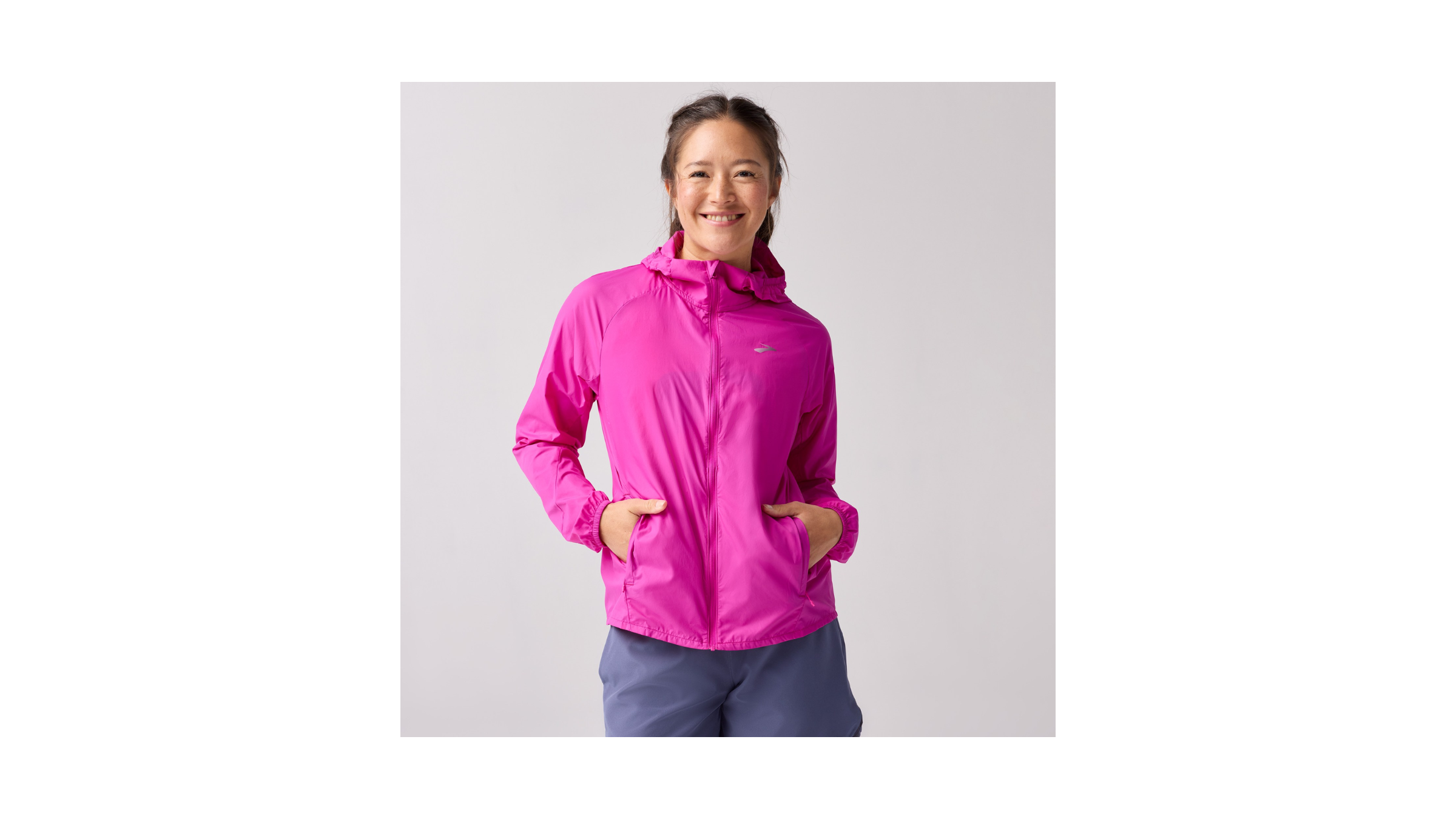
For a seemingly simple winter nylon running jacket, the Brooks Canopy is high on style and function. The hood stayed put, thanks to soft elastic and a great fit. A small visor that extends from the exterior of the hood helped shield us from rain. Two zippered hand pockets added versatility when we wore the running jacket for around-town errands, while two interior slip-in pockets held items close to the body on the run.
The recycled nylon material feels soft and silky—not annoyingly slippery—against the skin when wearing just a short-sleeved shirt underneath. While this jacket isn’t fully waterproof, its combination of water-resistance and packability makes it a great choice for runs in windy, drizzling conditions or as a backup or travel jacket.
 (Photo: ON)
Best Winter Running Jacket for Trails and Travel
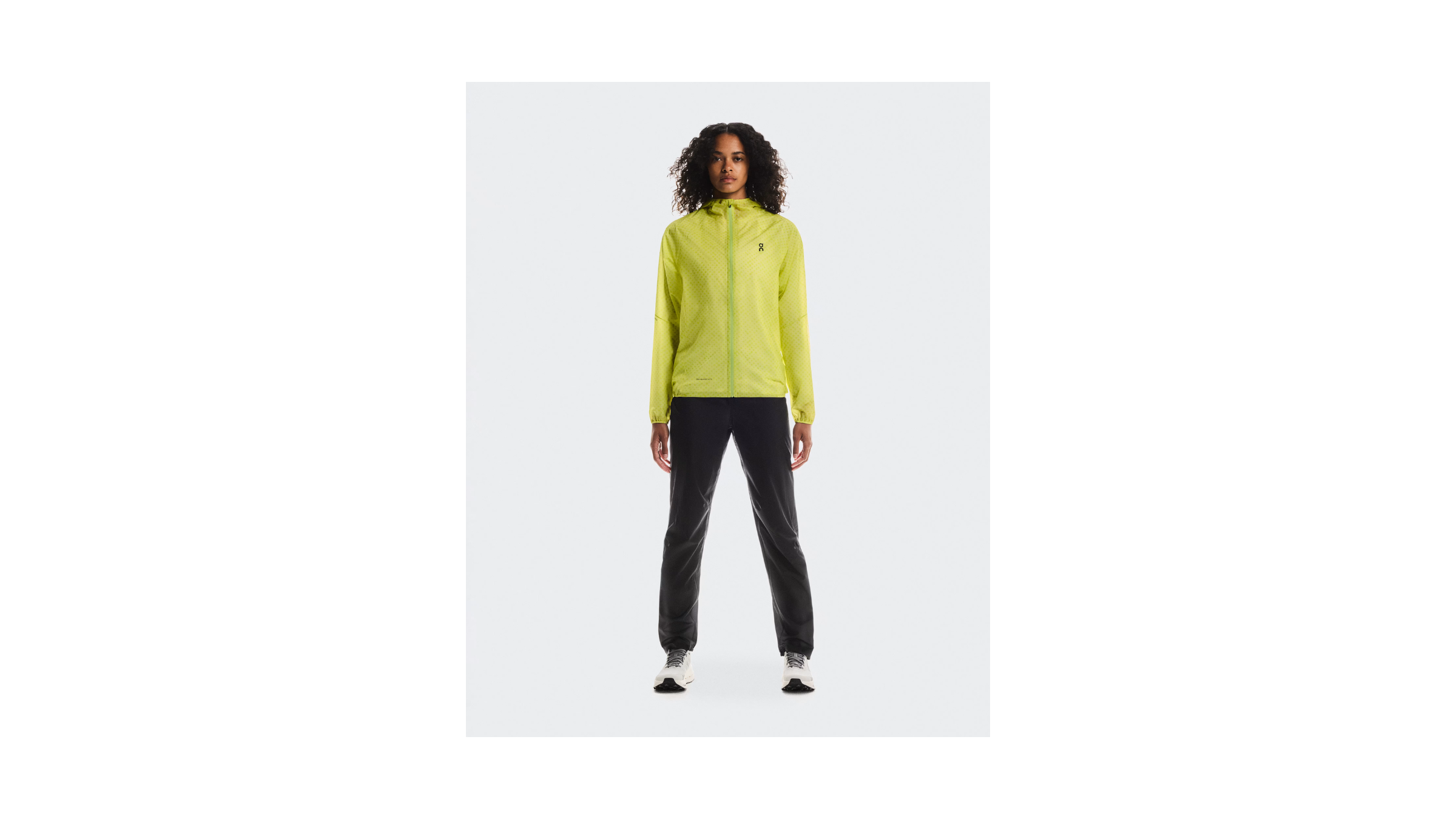
On Running Ultra Jacket
(Photo: ON)
Best Winter Running Jacket for Trails and Travel
On Running Ultra Jacket
Materials: Shell: 100% polyamide, Pocket mesh: 82% polyamide, 18% elastane
Sizing: XS-XXL
Pros and Cons
+ Can fit over a hydration pack
+ Very lightweight for a waterproof jacket
– Loose fit can feel sloppy to some
Some may deem the relaxed fit of this winter running jacket a negative, but we found it valuable. One Colorado tester noted how easily the jacket pulls over a running pack—the jacket even has two pleats sewn into the backside for this purpose—in a deluge or when she needed protection in a pinch from a cold wind on the ridge of an alpine trail. And since the running jacket packs down tiny and weighs close to nothing (4 ounces), we see no reason not to shove it in a trail-running pack to have on hand in shifty weather.
The almost-oversized fit of this jacket joins its monochromatic styling to make it, dare we say, urban cool. And the 2.5-layer waterproof polyamide material wards off rain admirably; one tester stayed comfortable standing in a downpour to watch a race after finishing her own. Reflective logos and detailing add safety for city running, but its ability to pack down small and go with everything make it truly shine as a trail or travel jacket.
 Best Winter Running Jacket for Mild Climates
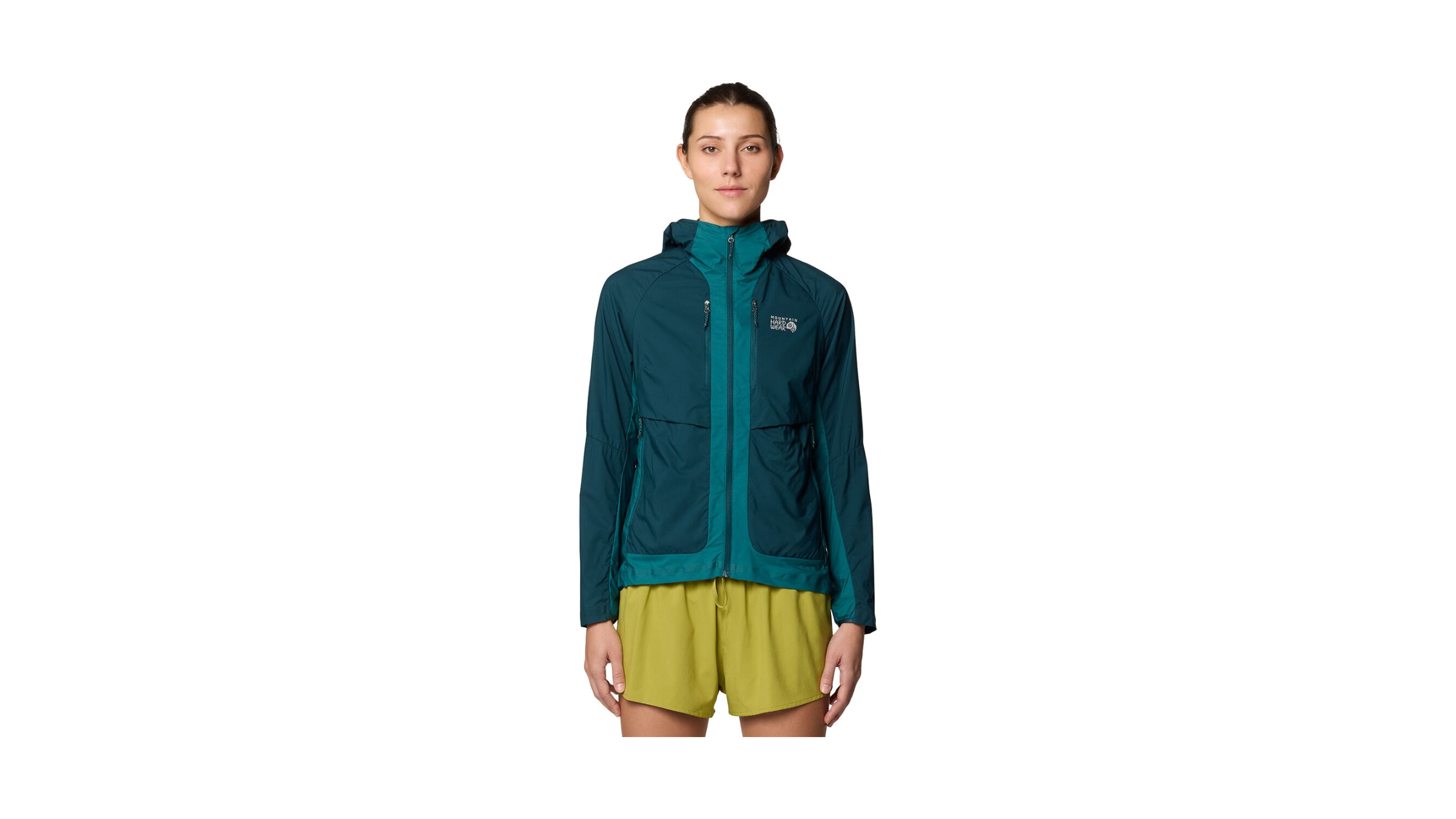
Mountain Hardwear Kor Airshield Hybrid
Best Winter Running Jacket for Mild Climates
Mountain Hardwear Kor Airshield Hybrid
Materials: Pertex Quantum Air 20D Coated Ripstop Nylon
Sizing: XS-XXL
Pros and Cons
+ Multiple pockets for storage options
+ Hood with protective visor
– Not waterproof
With four zippered pockets, a smart venting system, water-resistant paneling, and a hood with a visor, the Kor Airshield Hybrid is one of the most versatile winter running jackets we tested. On the run, a snap closure at the sternum keeps the jacket from flopping around when fully unzipped for breathability. Ventilation panels at the chest add to high-output comfort. The hood has an adjustability cord and elastic binding to help it stay put, and a small built-in visor sheds some rain.
The jacket has a highly water-resistant material on the hood, arms, shoulder panels, and the majority of the front, while soft, lighter-weight, and more breathable fabric covers the rest. “I wore this on back-to-back runs in varying conditions and it breathed great and protected me,” said a Colorado-based runner. “You can layer under it when it’s colder or wear it just over a tee.” We loved loading up the four zippered pockets with snacks and other items for runs, hikes, and dog walks.
 (Photo: Cotopaxi)
Best Winter Jacket for Cold and Dry
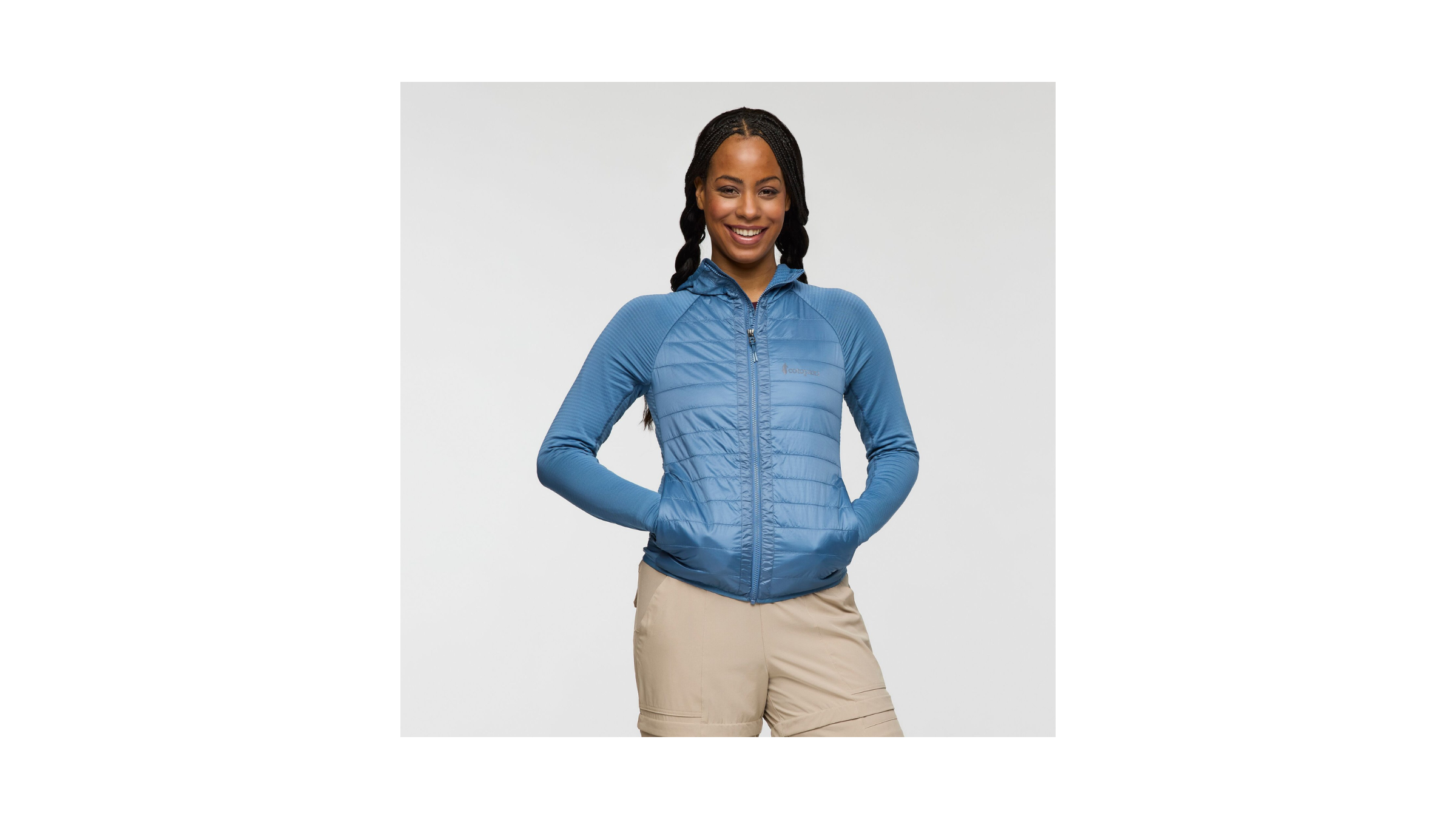
Cotopaxi Capa Hybrid Insulated Hooded Jacket
(Photo: Cotopaxi)
Best Winter Jacket for Cold and Dry
Cotopaxi Capa Hybrid Insulated Hooded Jacket
Materials: Shell: 100% 20D ripstop nylon with PFC-free DWR finish, Liner: 97% polyester/3%spandex, Insulation: Recycled synthetic Primaloft Gold P.U.R.E.
Sizing: XXS-XXL
Pros and Cons
+ Hood fits well and stays put
+ Can be worn casually
+ Lifetime warranty and repairs
– Not waterproof
– Can feel damp in humid climates or for heavy sweaters
With lightly insulated, DWR-coated paneling around the torso and waffle fleece on the shoulders, hood, and arms, the Capa Hybrid Jacket offers a combination of warmth, protection, and breathability—in the right conditions. We love it for cold, dry runs with lightly falling snow or a crushing wind, but the insulated paneling can feel too warm during hard efforts in less-than-frigid temps.
Our testers in the arid foothills of the Colorado Rockies praised the protection during cold, snowy runs. Our East Coast-based tester preferred this winter running jacket during vacation runs in the dry conditions of Joshua Tree over the humidity back home in Virginia, where she felt it made her too sweaty.
The hood and thumbholes add coziness, and two zippered hand-warmer pockets help the running jacket transition to casual wear. Bonus: We found the zippers easy to use even while wearing mittens. Last year, we chose this as our best winter running jacket for snow and cold. For the 2025-2026 season, this jacket was updated with a slightly more generous fit across the chest and around the waist, hips, and biceps, making layering underneath it easier and prompting us to recommend it in cold, dry weather specifically.
 (Photo: Courtesy Brooks)
Paid Advertisement by Brooks
(Photo: Courtesy Brooks)
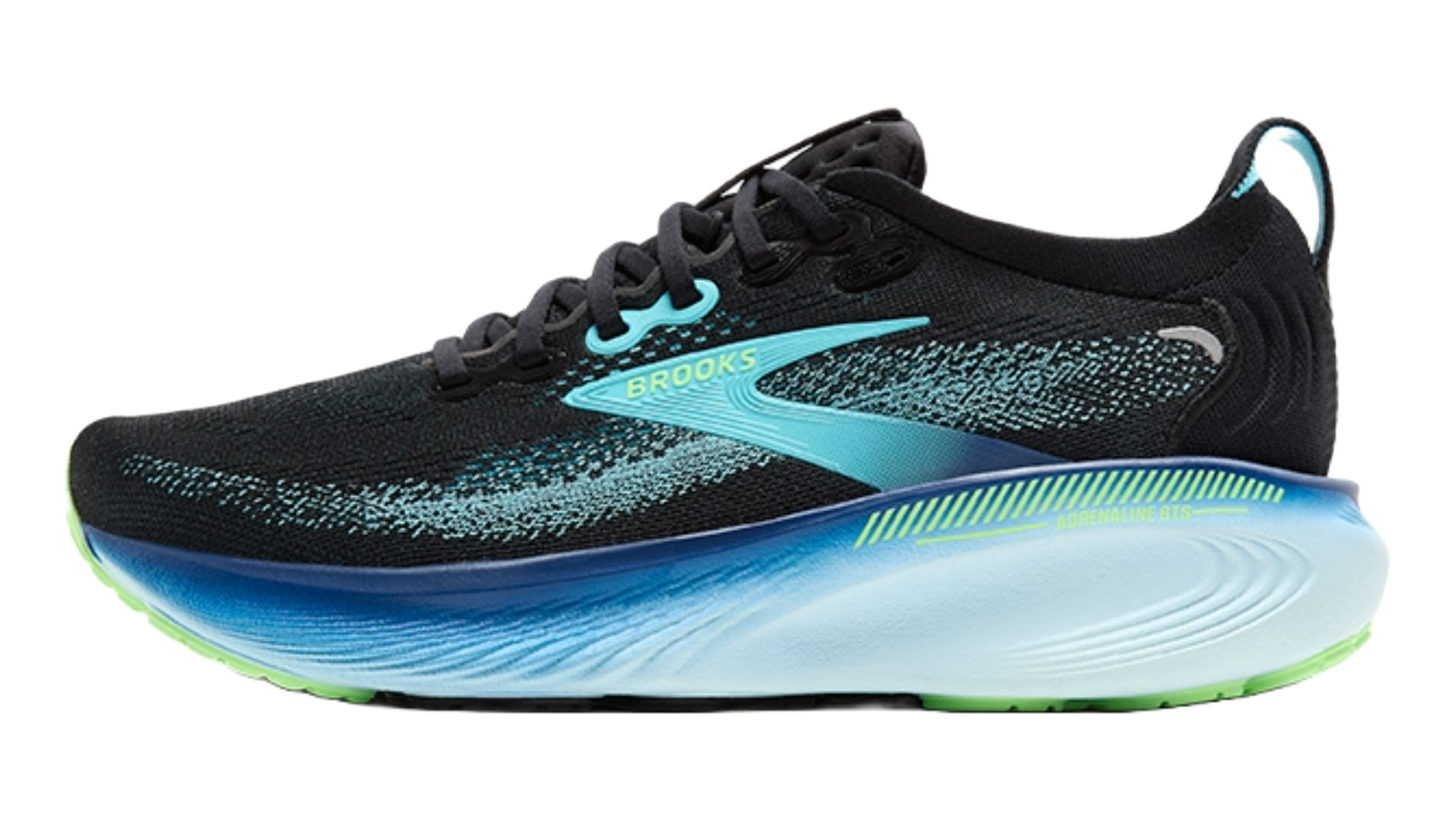
Paid Advertisement by BrooksWith 25 years of Brooks’ innovative technology and runner feedback under its tread, the Adrenaline GTS 25 continues its legacy of structured support and soft cushioning, delivering comfort in every step. The latest iteration of the brand’s most popular shoe features its signature smooth ride and GuideRails™️ technology, designed to keep excess movement in check without restricting natural motion. Now with more nitrogen-infused cushioning, it offers an even softer, more dynamic feel on the pavement. Find out why this trusted shoe has been a favorite of beginner runners and marathon finishers alike for over a quarter of a century.
 (Photo: Janji)
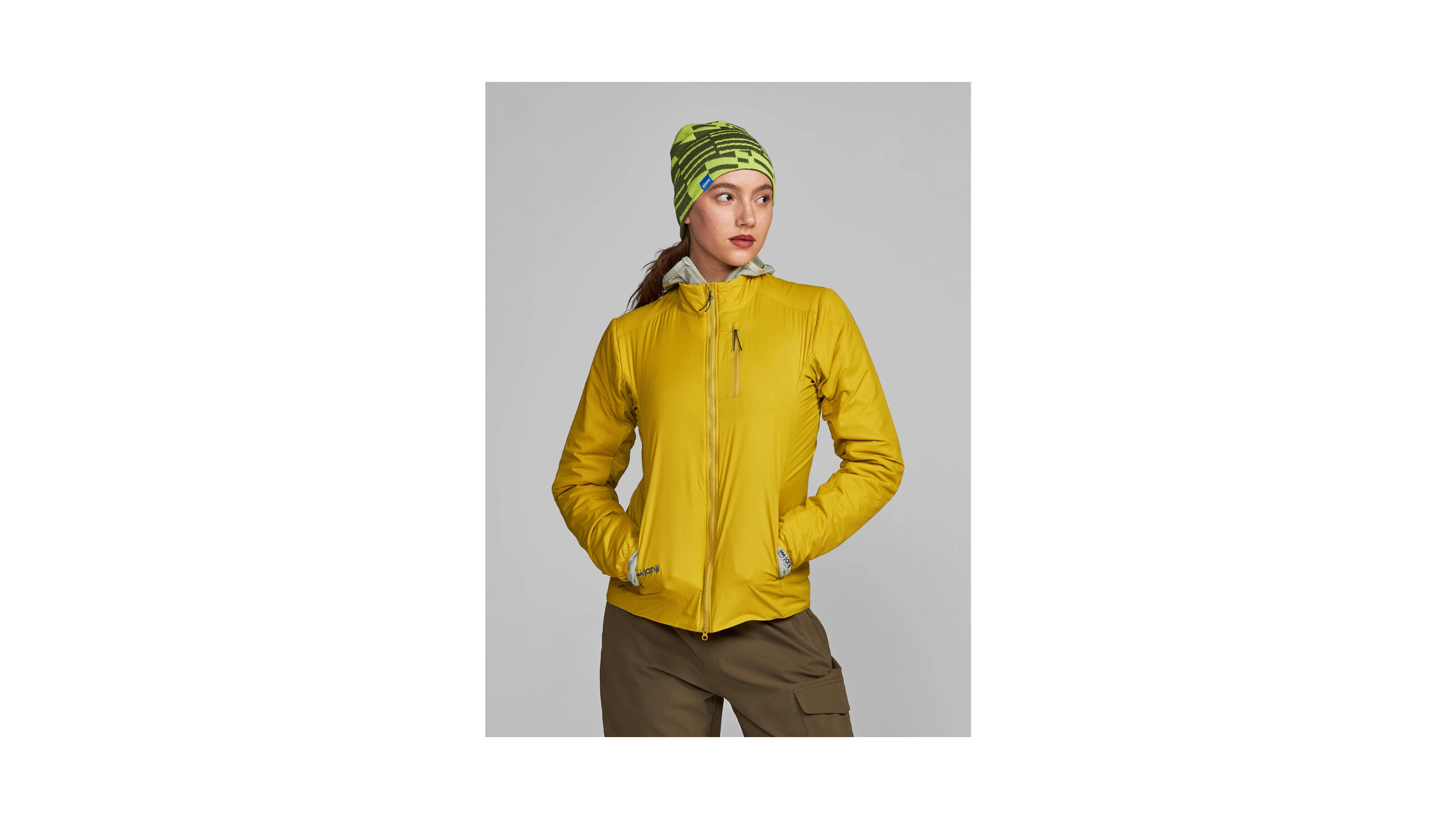
Best Winter Running Jacket for Cold and Damp
Janji ThermalRunner Insulated Jacket
(Photo: Janji)
Best Winter Running Jacket for Cold and Damp
Janji ThermalRunner Insulated Jacket
Materials: Shell: 100% nylon with PFC-free CO-DWR, Insulation: 100% nylon (45% recycled) PrimaLoft Gold Active
Sizing: XXS-XXXL
Pros and Cons
+ Great for layering
+ Can be worn casually
+ Insulates when wet
– Not fully waterproof
– Fit can feel a little sloppy
This lightly insulated running jacket provides breathable warmth and has a water-repellent finish to ward off light rain and snow, making it our pick for cold and damp climates. We tested this winter running jacket in the Northeast, Mid-Atlantic, and Colorado, and found it ideal for both low- and high- effort runs in cool to cold temps. The majority of the jacket is lined with thin, but effective PrimaLoft insulation that stays warm when wet, while the underarms and side paneling are unlined and allow heat to escape. “It’s breathable in all the right places,” said a Vermont-based tester. “This was a highly versatile jacket that I’d take from negative temps up to 40s. It’s good for cold and windy days where you know you’ll still break a sweat.”
We find the slightly baggy fit a bit sloppy, but like how the generous cut can accommodate layers underneath while not being too big to serve as a midlayer underneath a rainshell. We also love having a cinchable drawcord at the waist to reduce drafts and help keep the cold wind at bay.
 (Photo: Le Bent)
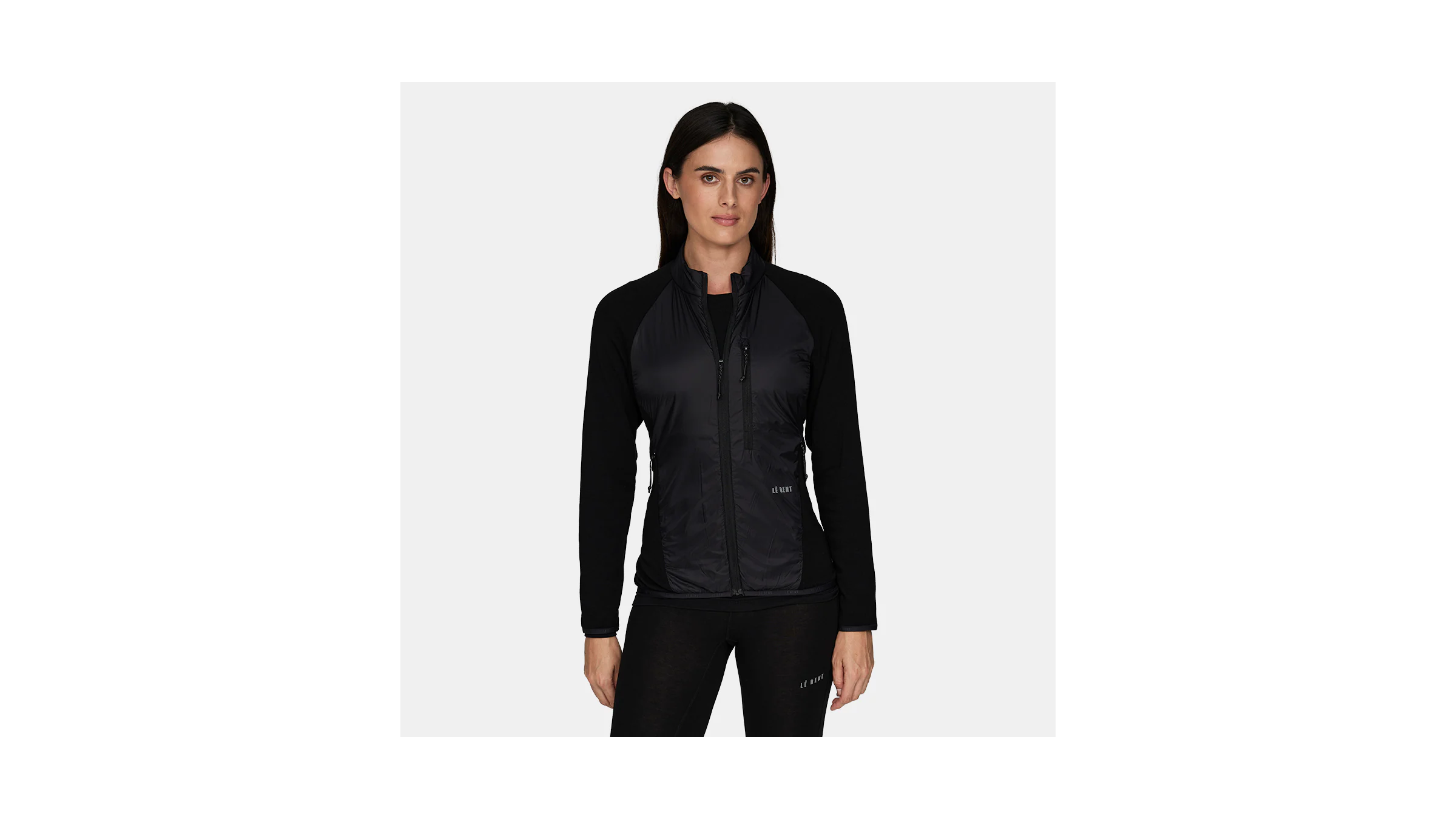
Most Versatile Winter Running Jacket
Le Bent Alpha Active Jacket
(Photo: Le Bent)
Most Versatile Winter Running Jacket
Le Bent Alpha Active Jacket
Materials: Shell: 100% nylon, Body: 44% recycled polyester, 37% bamboo, 16% merino wool, 3% elastane, Lining: 100% nylon interior, Insulation: 100% recycled polyester
Sizing: XS-L
Pros and Cons
+ Great balance of warmth and breathability
+ Can be worn casually
– Not waterproof
– Pricey
Testers from Colorado to New Hampshire quickly fell in love with this winter running jacket’s ability to block a biting wind, insulate from frigid temps, and breathe well under high-output efforts while running and Nordic skiing. The merino wool/bamboo/recycled polyester/elastane main body feels great against the skin, wicks sweat, and wards off odor.
Thanks to raglan-cut sleeves and a well-tailored, active silhouette, this jacket moved with us, staying close to the body as we scrambled over large boulders on rugged trail runs and climbed up and down hill and dale. “I love the super-soft and light fabric. You don’t even feel it’s on you, just that you are warm,” said a Colorado-based tester.
We appreciate the slightly longer cut of the backside that provides coverage, and the stretch in the wrist cuffs for tucking cold hands inside. In all, this is a high-performing jacket for cold-weather running that can be worn for other winter activities on its own or as a midlayer for colder sports like alpine skiing and snowboarding.
How to Choose the Best Winter Running Jacket
Choosing a winter running jacket is primarily about the kinds of winter conditions you face where you live, travel, and run. Consider if you need a waterproof layer, or can get by with water resistance—waterproof jackets are more costly, don’t breathe quite as well, and tend to be somewhat stiffer and noisier, but they’re worth it when you’re out in a downpour or blizzard.
Then decide if you want your winter running jacket to be insulated and provide warmth on its own, or work as a thin, exterior shell. Insulated jackets can make heading out in frigid temps less daunting, especially if you tend to run cold, but can get hot during high-intensity exercise or if the temps rise. Shell jackets allow you to layer underneath to adjust for a range of conditions. Also, consider if you want a fitted jacket that stays close to the body for streamlined mobility, or a looser fit that affords flexibility with layering underneath.
How We Test Winter Running Jackets
Head tester and writer Lisa Jhung researches each gear category and works with gear companies to narrow down which winter running jackets to get into the test loop. She then orders samples for herself and her team of testers, who live in Boulder and Louisville, Colorado, New Hampshire, Virginia, and Vermont. Jackets are worn in a range of winter conditions, from cold, dry, sometimes snowy, occasionally rainy/sleeting Colorado Front Range roads and trails, to cold, damp, and bone-chillingly humid New Hampshire and Vermont conditions.
Meet Our TestersLisa Jhung has been running for 35 years, testing and writing about gear for 25-ish years, and manages a pool of testers out of her home in Boulder, Colorado. She runs in all conditions and loves heading out in a gnarly snowstorm.
Kristen Mecca moved to Virginia, and then New Hampshire, after running all over Colorado, including multiple podium finishes at the Pikes Peak Ascent and snowshoe races. She now tests gear through the East Coast winter and is a stickler for irritating seams and rough materials.
Vermont-based Lindsay Warner Hrenko puts running gear to the test by logging miles on roads and trails, Nordic skiing, and cold-weather mountain biking. She appreciates apparel that can handle winter in the Northeast while allowing sweat and body heat to escape, that also allows her to wear to school drop off and not feel silly.
Katie Bleichman runs the roads, dirt roads, and rugged trails around Louisville and Boulder, Colorado, with her favorite routes being the hilly dirt paths around the mesas of the Flatirons. She most-often runs in the pre-dawn hours before work, which, in the winters of Colorado, means she demands a lot out of her cold-weather running apparel.
Comments (0)