
Remember me

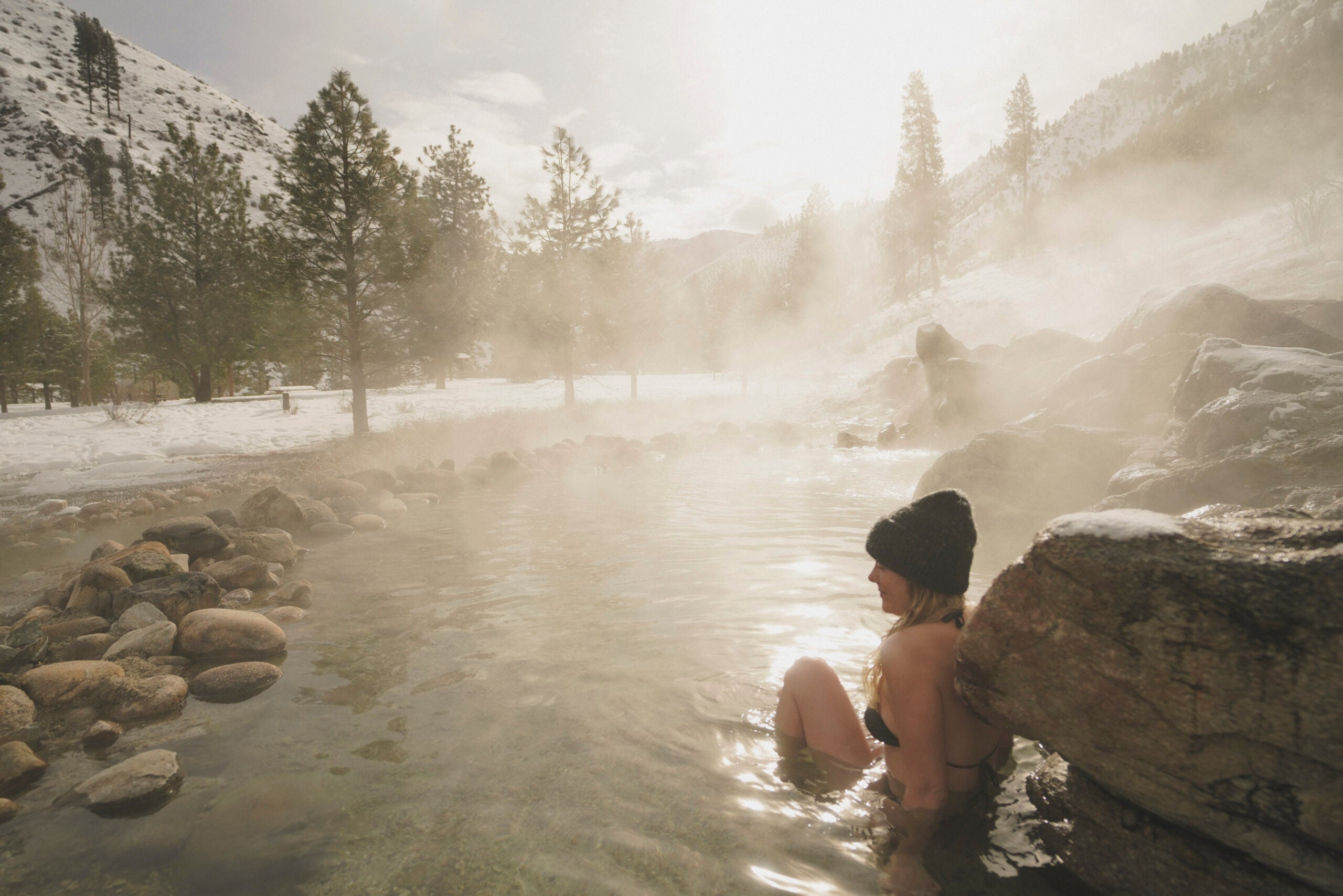

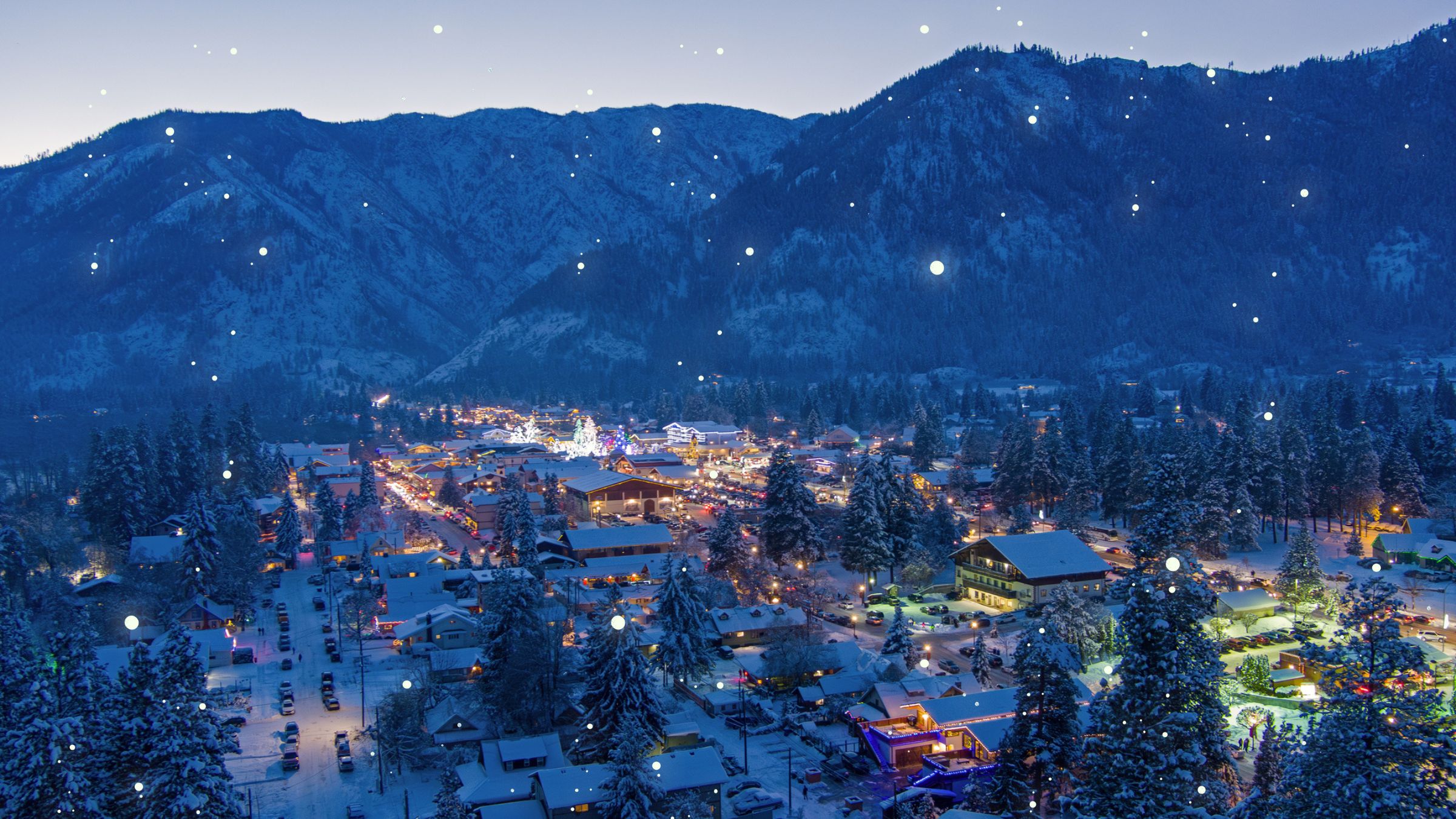
Is there anything better than topping off a winter adventure with a soak in hot springs? I don’t think there’s a finer pairing in the world. After wearing yourself out skiing, snowshoeing, fat biking or ice climbing, your legs are worked and your toes are ice-cold. Then you sink into a pool of 104-degree water and everything … just … melts. The contrast of a cold adventure with a hot soak defines the winter season for me, so much so, that I admittedly look forward to the après soak as much as the actual adventure.
I’ve hand-picked seven places across the country where you can enjoy the best of both worlds: winter adventures and hot springs. So pack your warm layers and a bathing suit, and get ready for an adventurous take on hot/cold therapy.
Durango Hot Springs, Colorado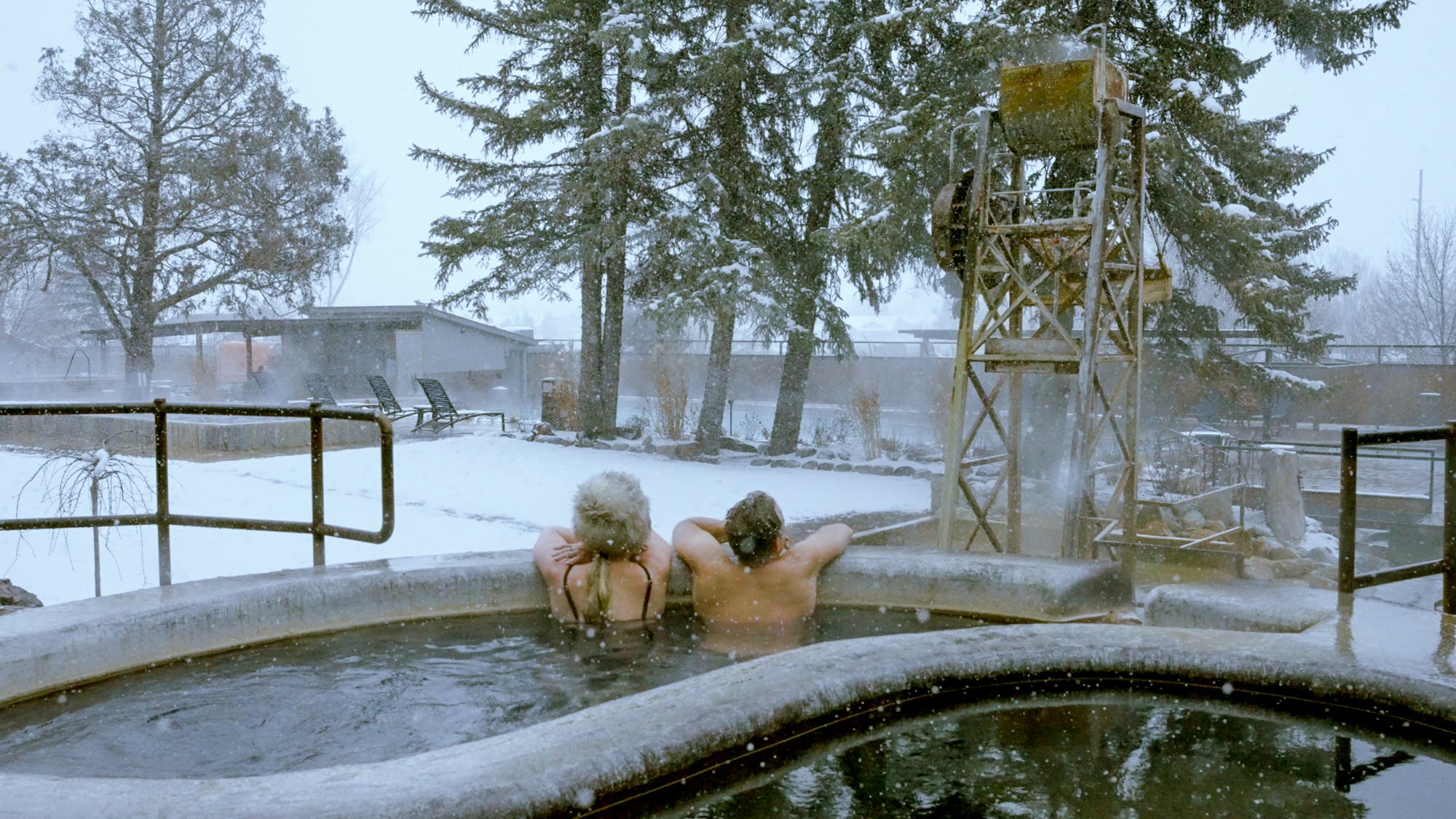 (Photo: Courtesy of Durango Hot Springs)
I wish all developed hot springs were built like Durango Hot Springs. The day spa features a series of 32 natural mineral pools scattered throughout the property, all of which vary in their temperatures and size. Some are single tubs that offer privacy, others are larger tubs built for groups. There’s an adults-only section and a large, warm pool that kids love.
Beyond the soaking pools, there are food trucks, a bar, and a stage that hosts the occasional live band. It’s casual, but well kept, and the springs have become a popular hangout for locals, particularly during winter when they’re headed home from skiing Purgatory or other spots in the San Juan Mountains (see below). I hit these springs every time I have the chance to ski Purgatory and always find myself wishing the facility was located on the other side of the country where I live (tickets start at $32 per adult).
Earn Your SoakPurgatory Resort has plenty of lift-served terrain (1,600 acres and more than 2,000 vertical feet of drop), but spend the extra money and book a cat ski trip. Purgatory runs private and group cat ski trips on 35,000 acres of primo San Juan Mountains backcountry which include up to eight runs in deep powder. You can rack up up to 10,000 vertical feet of skiing without having to stand in a single lift line. On two occasions, I’ve had the chance to grab a seat in one of Purgatory’s cats and was blown away by the diversity of terrain, which varies from exposed slopes to casual meadows and perfectly spaced glades. And your time will be well spent, as expert guides make sure you hit the secret powder stashes (starting at $500 per seat).
Olympic Hot Springs, Washington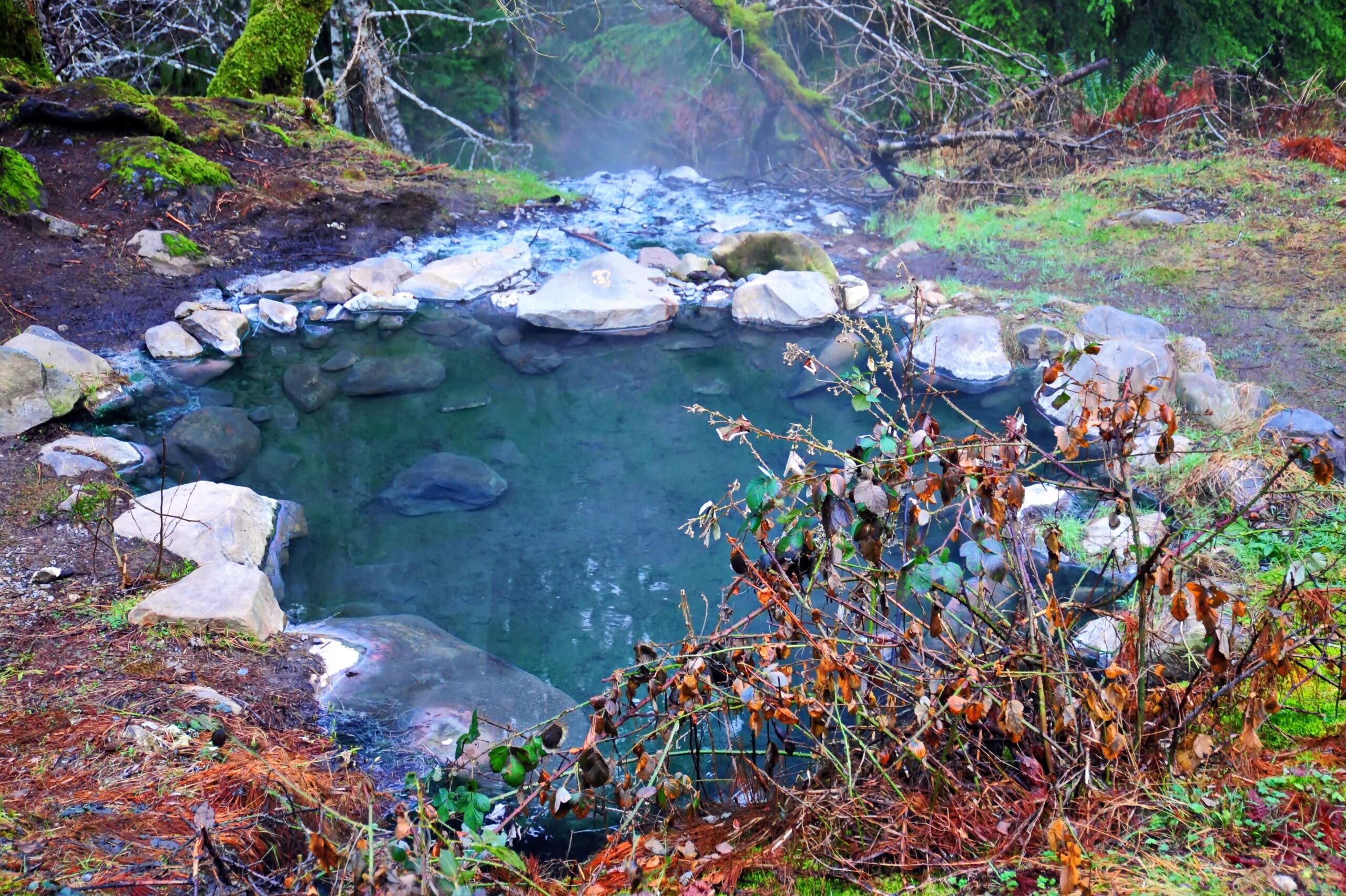 One of the hot springs in the Sul Duc area of the Olympic National Park on the Olympic Peninsula, in Washington State. (Photo: Getty)
Washington’s Olympic National Park, sitting on a lush peninsula that juts out into the Pacific Ocean, has two hot springs within its borders: the developed Sol Duc Hot Springs Resort and the more primitive Olympic Hot Springs. The Sol Duc Hot Springs, which has three mineral pools and a larger freshwater pool, are closed during winter, but make for a good option if you show up in the summer.
For a real adventure, hike to the more remote and wild Olympic Hot Springs, a series of pools deep within Olympic National Park’s federally designated wilderness. There are 21 pools scattered throughout the area, some of which are found adjacent to the trail while others are deeper in the forest. Rock dams have been built to hem in the hot water, and pools vary in depth. Bring a thermometer; some of the pools can be as hot as 118 degrees. The springs used to be accessible by car, but the road washed out during a flood. Now, soaking requires a long, 20-mile round trip hike on a closed road, but you’ll pass some waterfalls and canyon overlooks that make the trek worth it.
Earn Your SoakI soaked in Sol Duc Springs after riding bikes and camping in Olympic National Park during the summer. But if you show up in winter, head to the park’s Hurricane Ridge, which is one of the last lift-served ski areas inside a national park in this country.
You can do a little bit of everything at Hurricane Ridge, which sits at 5,242 feet in elevation. There are more than 15 miles of snowshoe and cross country ski routes, a designated sledding area, and popular slopes and bowls for backcountry skiing deeper in the park. A non-profit ski club operates two rope tows and a small lift servicing a small downhill ski area. Sign up for a snowshoe trek with a park ranger, which is free, and includes snowshoes, and lasts less than two hours.
A couple of things to consider: the Hurricane Ridge visitor center was lost to a fire in 2023, so there is no warming area or on-site food. Bring the right gear and food for a backcountry adventure. Also, the road to Hurricane Ridge is only cleared Friday through Sunday during winter. Check road conditions before you head up.
Homestead Crater, Midway Utah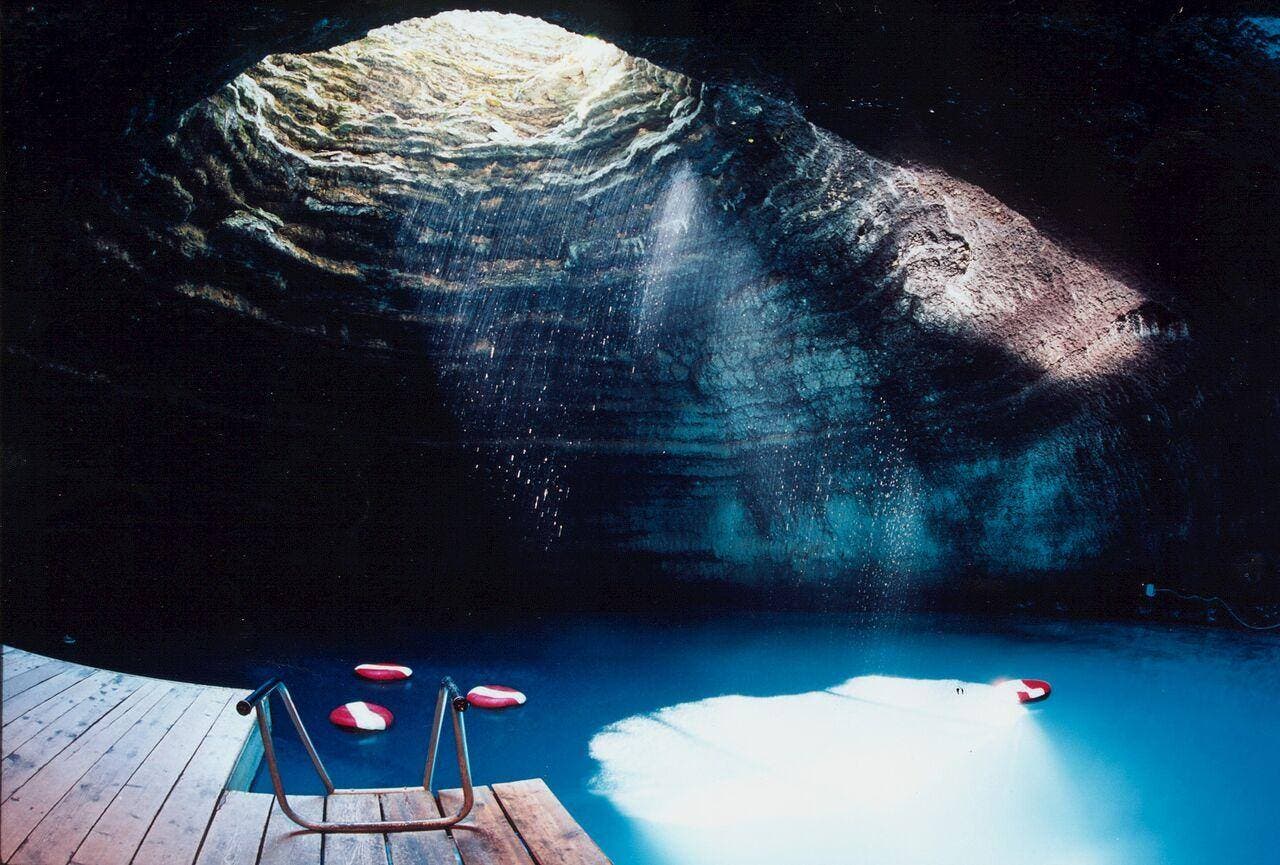 (Photo: Courtesy of Herber Valley)
The Homestead Crater isn’t like any other hot springs. First of all, it’s underground. The pool, which is fed by a geothermal spring, sits in the bottom of a 55-foot deep cave. And the water is 65 feet deep, so this isn’t a little soaking pool, it’s a full-on swimming and diving experience. If you’ve ever wanted to snorkel in a hot tub, this is your chance. In fact, on certain occasions, you can scuba dive in the hot springs inside Homestead Crater. Or sign up for a standup paddle board yoga class with Park City Yoga. You can swim laps or simply float.
The hot springs are located inside the larger Homestead Resort property, so you need to make advanced reservations. It’s located only 30 minutes from Park City, which has some of the best winter adventures in the country (from $15 per person, advanced reservations required).
Earn Your SoakRunning laps at either Park City Resort or Deer Valley is the obvious choice if you’re looking to build up some lactic acid before soaking at Homestead Crater. Keep in mind that Park City is also a hub of mountain biking with more than 400 miles of trail surrounding the small town during the summer. And those local mountain bikers don’t hang up their bike shoes come winter. They just transition to fat bikes, with more than 50 miles of trail groomed and designated for nordic use.
Start on the Historic Union Pacific Rail Trail, where six miles are groomed for fat biking in the winter, connecting downtown Park City to the Round Valley Trail System, which has 15 miles of groomed trail during the winter. White Pine Touring Center rents fat bikes (from $59).
Frenchman’s Bend Hot Springs, Idaho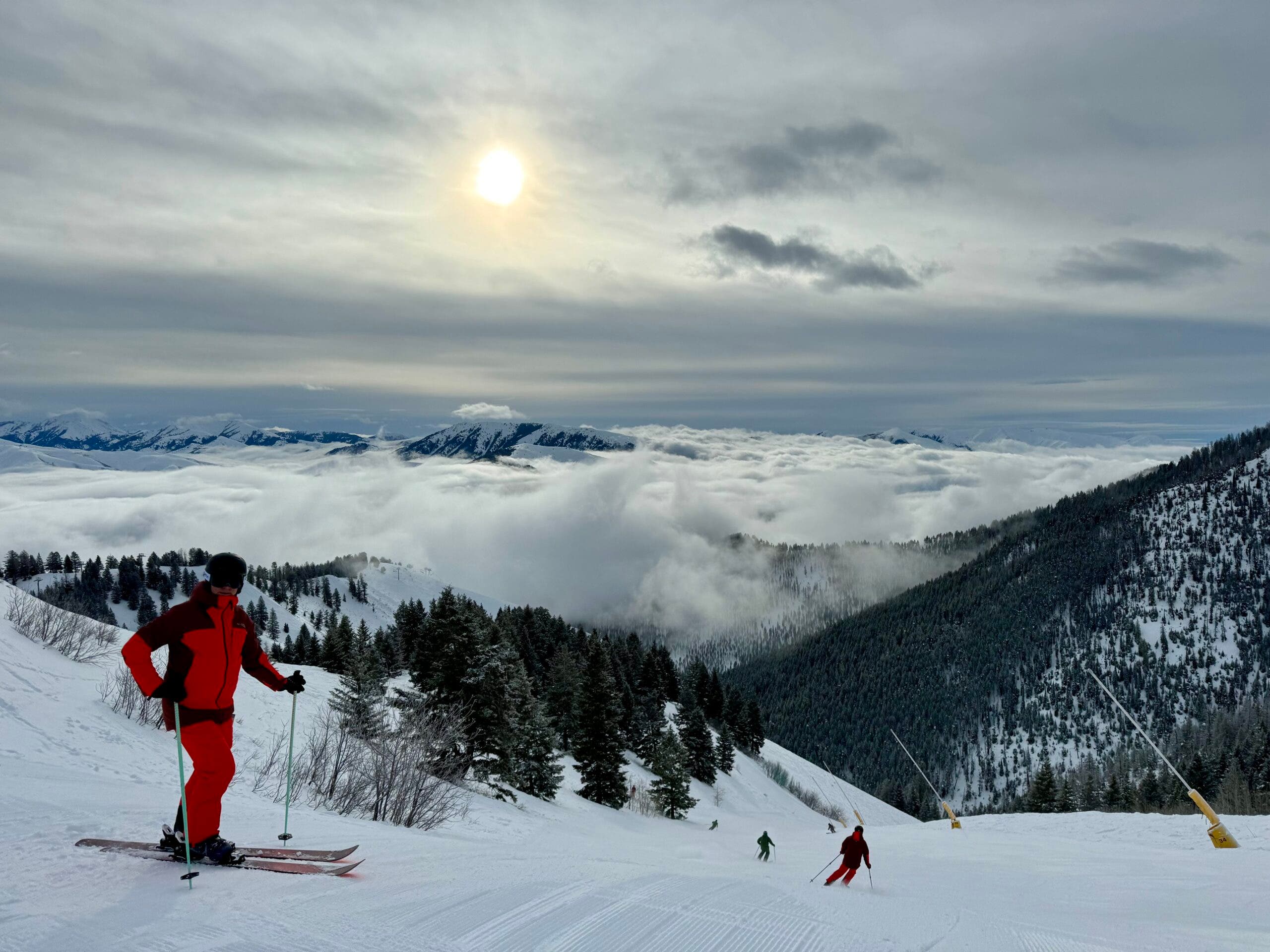 (Photo: Courtesy of Graham Averill)
Idaho has the most hot springs of any state in the country. I once spent three days bike-packing through the Sawtooth Mountains, camping at a different hot springs each night. Frenchman’s Bend Hot Springs is 30 minutes west of Ketchum, in the Sawtooth National Forest. You’ll find three pools on the edge of Warm Springs Creek, all of which are easily accessible from a gravel forest service road. The pools, all dammed by rings of rock, vary in temperature, with the closest to the creek being the coolest.
Don’t expect to have this hot springs to yourself; the road side-nature make them popular, but it’s a family-friendly setting and the springs are large. The springs are essentially carved out of Warm Springs Creek, so you have a natural cold plunge at the ready if you’re feeling brave.
Earn Your SoakSun Valley is America’s original downhill ski resort, operating the first chairlift in the world in 1938. The skiing has only gotten better, with more than 2,000 acres of terrain spread across two different mountains. Bald Mountain, the main peak, has 3,400 feet of vertical drop. Sun Valley is probably best known for its groomers, and beginners should head to Seattle Ridge, where a bunch of wide open, mellow runs dominate the north side of the mountain. If you want really long, leg burners, head to Warm Springs, which has top-to-bottom groomers that offer more than 3,000 feet of drop. Lift tickets start at $126 a day, but Sun Valley is also on the Ikon and Mountain Collective passes.
Hot Springs, North Carolina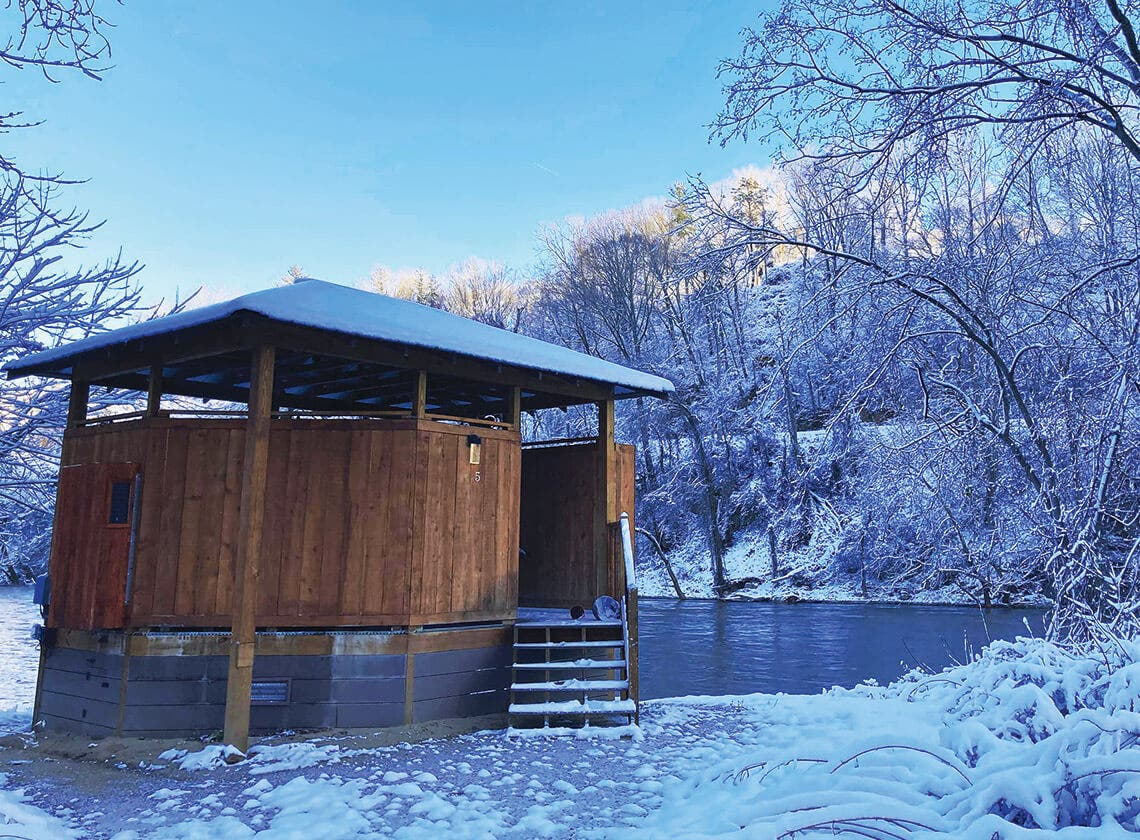 (Photo: Courtesy of Hot Springs Resort and Spa)
Finding natural hot springs on the East Coast isn’t easy. Of the handful that exist, most have been developed and turned into resorts. The town of Hot Springs, North Carolina, has two developed options for soaking in natural, mineral-rich water though—the Hot Springs Resort and Spa, which has a handful of private tubs you can reserve (from $50 an hour for two people), and Broadwing Farm, which sits on 85 acres of farmland a mile from downtown Hot Springs. Here you can rent cabins for the night (from $190 a night), each of which come with their own hot tub fed by the local springs. The water comes out of the ground at 92 degrees, then you can adjust the temperature to your liking at the tub. Regardless of which option you choose, know that your money is being well spent; the town of Hot Springs was hit hard by Hurricane Helene and is in the process of bouncing back from the devastation.
Earn Your SoakSoaking in the mineral-rich springs in this area of North Carolina has been a popular activity since the late 1700s, but I love the town of Hot Springs because of its proximity to the Appalachian Trail, which traces the border of North Carolina and Tennessee just west of downtown.
In the winter, that means you can cross country ski across Max Patch, a grassy bald mountain that stands at 4,624 feet offering long range views of the surrounding Blue Ridge Mountains. The Appalachian Trail traverses the mountaintop meadow, and a series of side trails allow you to create loops of varying distance. It’s a popular spot for sledding after a snowfall, too.
Bozeman Hot Springs, Montana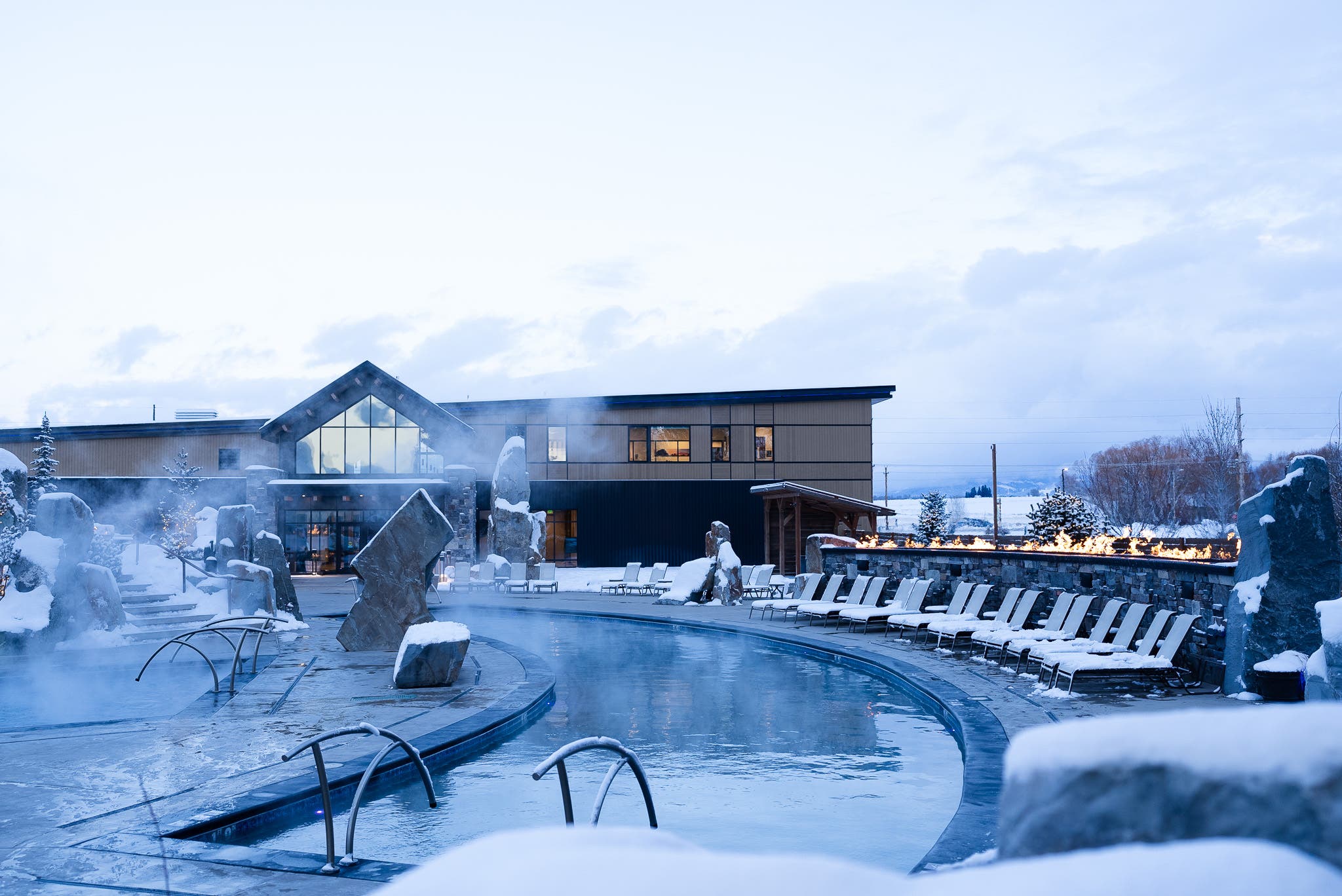 (Photo: Karly Noetzel)
The natural hot springs that sit on the edge of Bozeman have been luring weary adventurers since the late 1800s. These days the Bozeman Hot Springs experience is less Wild West and more holistic health, with 12 different indoor and outdoor pools ranging in temps from 59 degrees to 106 degrees, wet and dry saunas, and a full workout facility. It’s a casual, communal vibe here, as the pools are popular with locals looking to relax in the evenings and on weekends. There’s even live music certain nights of the week (day passes start at $21 a person).
Earn Your SoakBozeman is one of the great winter adventure towns, with quick access to downhill skiing at Bridger Bowl, a local’s favorite, big resort lines at Big Sky, and winter hiking and snowshoeing opportunities in Yellowstone National Park, two hours south. But I say stick close to town and experience the vertical paradise of Hyalite Canyon, where more than 150 established routes make it ground zero for ice climbing in the lower 48. Unless you’re really comfortable on ice, go with a guide. Montana Alpine Guides will put you on the best walls for your ability (from $275 a person).
Grover Hot Springs State Park, California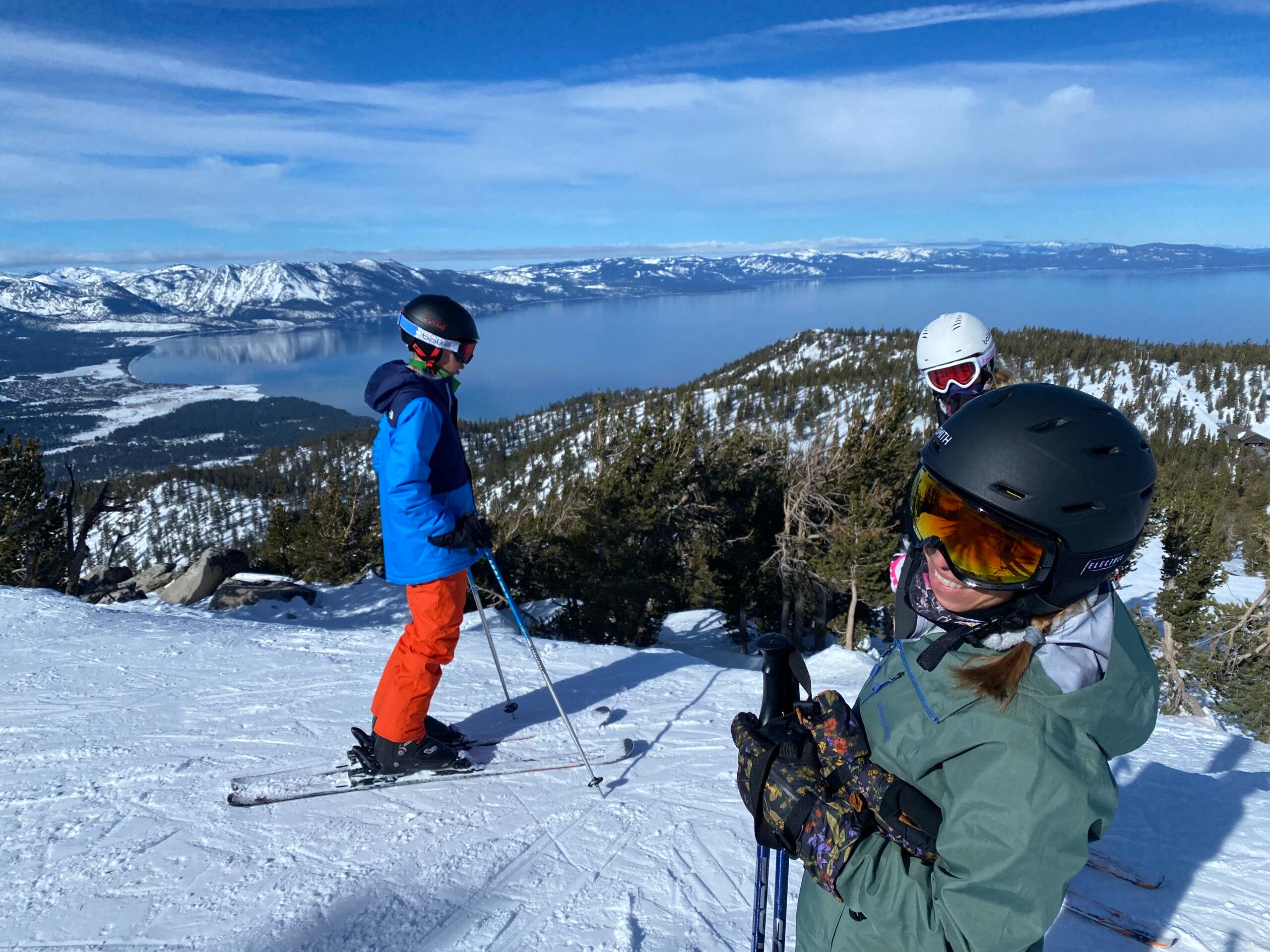 (Photo: Graham Averill )
Tucked into the enticingly-named Hot Springs Valley, on the eastern edge of the Sierra Nevada Mountains and just 45 minutes south of Lake Tahoe, Grover Hot Springs State Park sits in a 555-acre parcel of meadows and tall conifer forest that turns into a winter wonderland when the snow falls. A creek runs through the property and there are hiking trails that link up with the surrounding national forest, but the focus of the park is a large swimming pool that’s fed by six different hot springs. The hue of the water is green because of the minerals settling at the bottom of the pool, and the temperature is kept at a near-perfect 102-104 degrees year round. The hot springs is open Thursday through Sunday during the winter. If you’re lucky, there will be snow on the ground as you lounge in the pool (day use fee is $8, pool entry is $10).
Earn Your SoakThe expansive meadow inside the state park is a popular spot for cross country skiing, but you’re in Lake Tahoe, after all, so you should definitely get some lift-served turns in. There are plenty of ski resorts to choose from, but I’m a sucker for Heavenly Resort, mostly because the views of the ice-blue lake below are out of this world. Even just riding the gondola up to 9,000 feet provides killer shots of Lake Tahoe (the higher you go up the mountain, the better the view).
If you want a view with a challenge, tackle Gunbarrel, one of Heavenly’s most iconic slopes which gives the skier a bird’s eye view of the water below, but then demands you tackle 1,600 vertical feet of moguls. Your legs will be shredded and ready for the hot springs. (Lift tickets start at $127 per day, and Heavenly is part of the Epic mega pass).
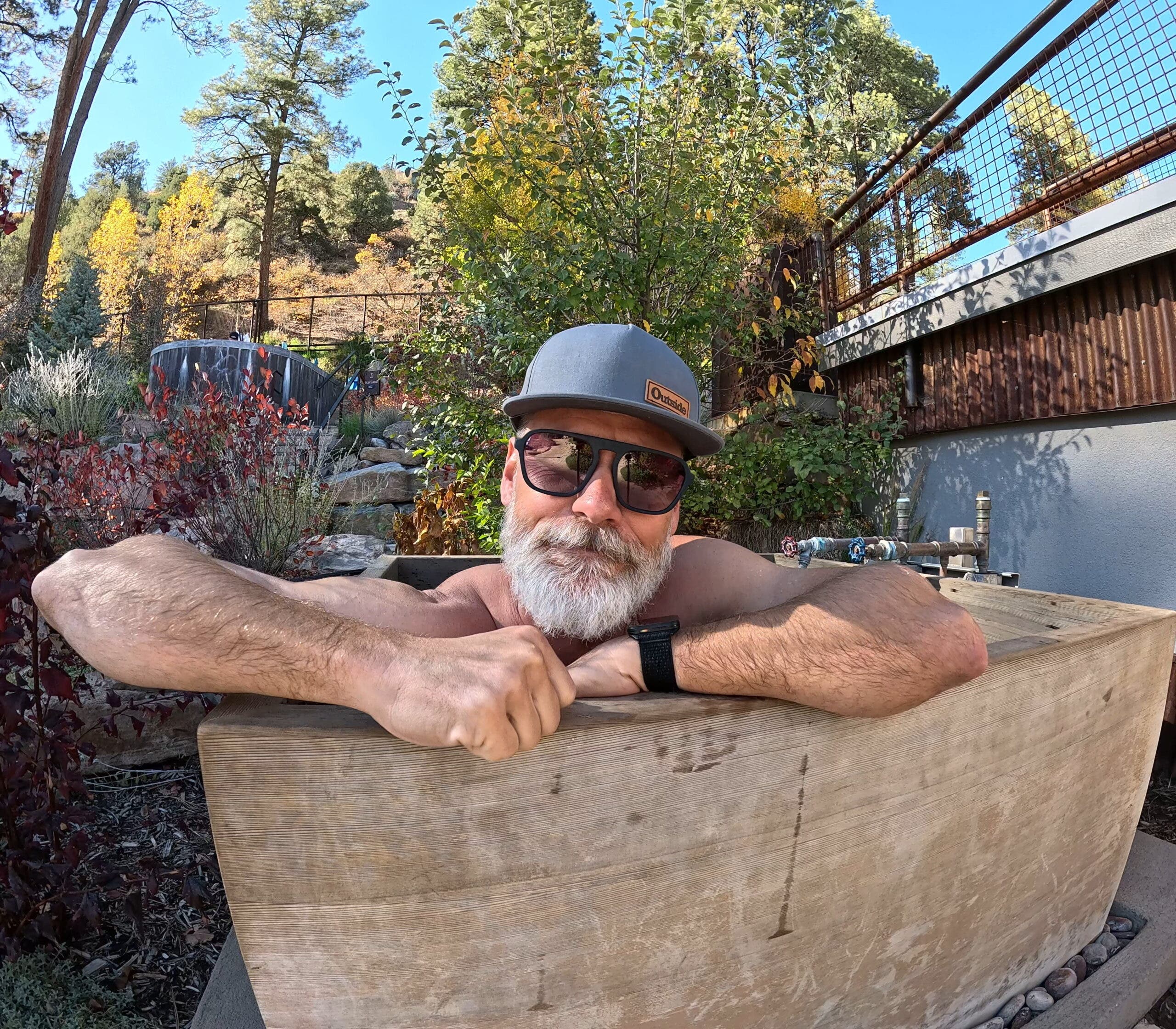
Graham Averill is Outside magazine’s national parks columnist, but he loves a good winter adventure, especially if there’s the promise of a cold beer and hot tub after the day is done. He recently wrote about what it’s like to visit America’s most-crowded national park.
 (Photo: Courtesy of Graham Averill)
Comments (0)