
Remember me


Scottish Liberal Democrats call for extension of fuel duty relief scheme
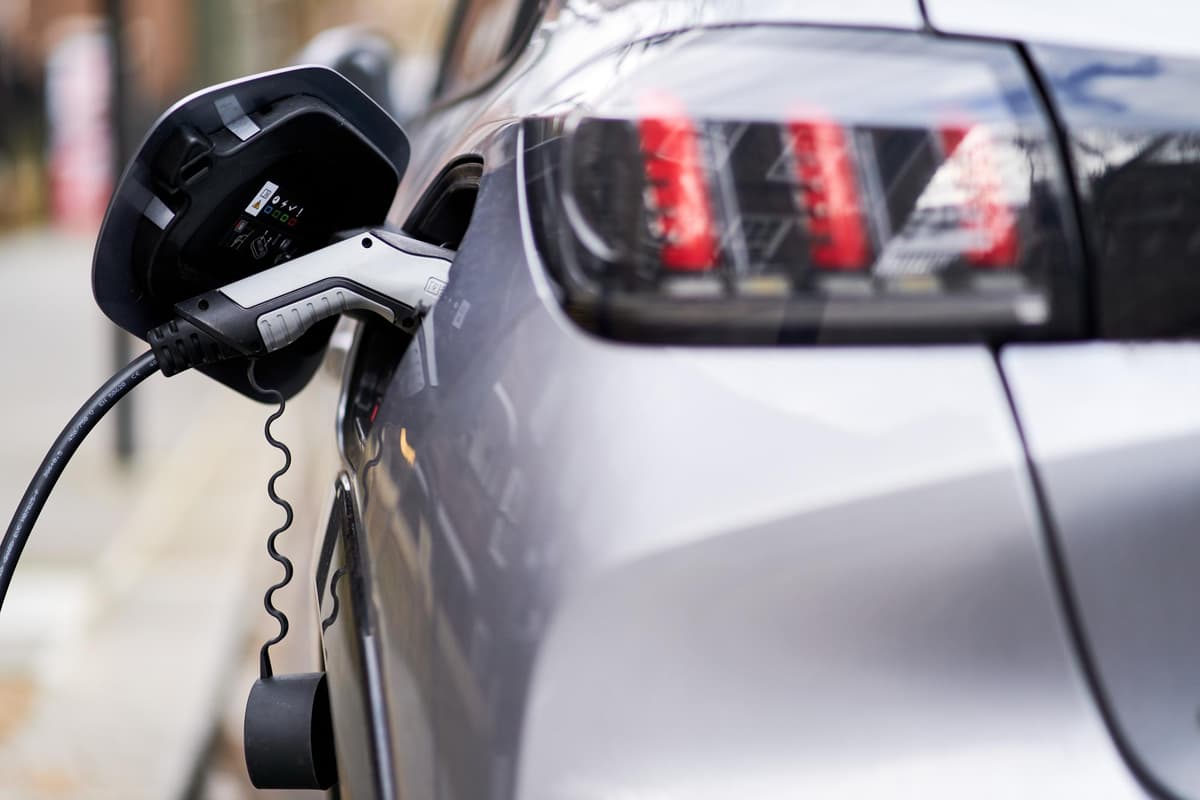
Drivers of electric vehicles in rural Scotland must be given relief from a new mileage tax because they will be hit hardest, the UK Chancellor has been urged.
Rachel Reeves announced a 3p-per-mile charge from 2028 in last month’s UK Budget which has been widely criticised as likely to stall the transition from petrol and diesel models. Hybrids would be charged 1.5p a mile.

 The new pay per mile tax will be introduced in 2028 | Contributed
The move has been condemned by the Scottish Government as the “wrong decision” because motorists north of the Border have higher average annual mileages than elsewhere.
Now, the Scottish Liberal Democrats have called for an extension of the rural fuel duty relief scheme to include electric vehicles (EVs).
Their Westminster colleagues introduced the discount in 2012, covering areas such as the Western Isles, while in UK Government in coalition with the Conservatives.
The party said Scottish rural drivers were likely to pay far more than the expected average £250 a year from the new charge.
David Green, its Caithness, Sutherland and Ross candidate, said: “This policy will hit rural areas like the Highlands harder than anywhere else due to the lack of public transport options and the large distances that journeys can involve.
“We know the extra costs that come with living in rural and remote areas. It's why Liberal Democrats introduced the rural fuel duty relief, and more recently called for its expansion to 20 more areas, saving drivers 5p a litre at the pump.
"At the very least, it would make sense for a similar allowance to be made for EV drivers in rural and remote areas.
“The sparser charging network is already a disincentive to people switching.“
Jamie Greene, the Scottish Liberal Democrats’ transport spokesperson, added: “It beggars belief that in the midst of a cost-of-living crisis and in the face of air pollution and rising respiratory diseases, the [UK] Government is looking to hit people with an electric car tax.”
Rural transport campaigners also called for a re-think.
Jenny Milne, director of the Scottish Rural and Islands Transport Community, said: “This introduction of pay per mile will heavily burden those in rural communities who already struggle with the cost of transport, and will become more isolated and disadvantaged.
“Furthermore, community transport buses are encouraged to be electric and will face the same consequences.
“We also call for exemptions to be considered such as those who are blue badge holders in a rural/island location and for those offering electric cars as a service in rural and island areas which fill vital lifeline transport."
Ms Milne said rural car-sharing clubs, which often had EVs, would be hit too. She said: "The current push for reduction in car use is encouraging communities to offer 'cars as a service', such as a car clubs.
“These are cars owned by communities or made available through partnerships with other organisations. Access to these is critical for areas with no bus or rail services and for those who cannot afford to run a car.”
Finance Secretary Shona Robison said cars in Scotland travelled an 14.5 per cent further a year than the UK average. She said: “Drivers in rural Scotland likely to pay more because of our geography. “
The UK Treasury was approached for comment.