
Remember me
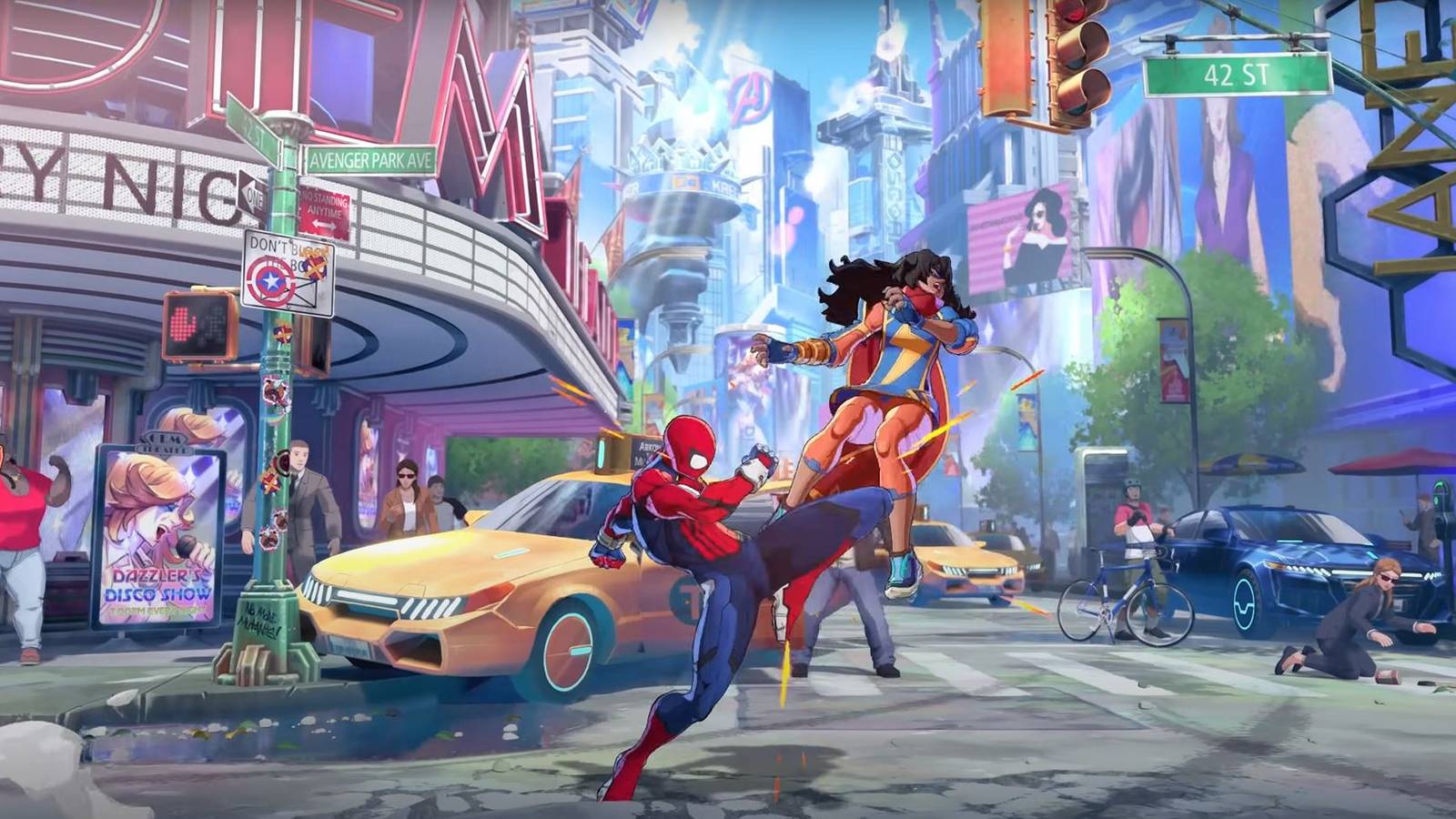

Marvel Tōkon: Fighting Souls is all about timing. The game arrives at a time when the fighting game community is starved for the return of a new Marvel vs Capcom title that seemingly will never come: enter Arc System Works, hot off of proving its value in developing Dragon Ball FighterZ, a 3v3 that once replaced Marvel vs Capcom 2 during 2018’s EVO. We’re also in a time when Marvel awareness remains high. Fittingly enough, Marvel Tōkon’s gameplay is all about timing, too.
Marvel Tōkon marks a bold new chapter in Marvel gaming, pairing Arc System Works’ signature 2D fighting flair with Sony’s blockbuster budget ambitions. Built around an evolving tag-team system, the game starts each match with a lone fighter and assist partner before expanding into a full four-character roster as players meet mid-match conditions like accumulating damage or triggering dramatic “Wall Break” transitions between interconnected arenas. The result is a dynamic 4v4 experience that blends assist-driven combat with active tagging, allowing players to seamlessly rotate through their squad and unleash team-based strategies that feel as cinematic as a Marvel event.
The best part of the combat is how it organizes its chaos and gradually builds tension as fights progress. When people hear 4v4, they instantly think that sounds like too much. But here, you don’t have access to your other combatants until you break through the borders of the stage. It takes some time before all four are accessible. It never happens too soon or too late; gameplay always seems to peak right on time in every battle. And once you catch the rhythm of core gameplay and the assist mechanic, everything feels snappy.
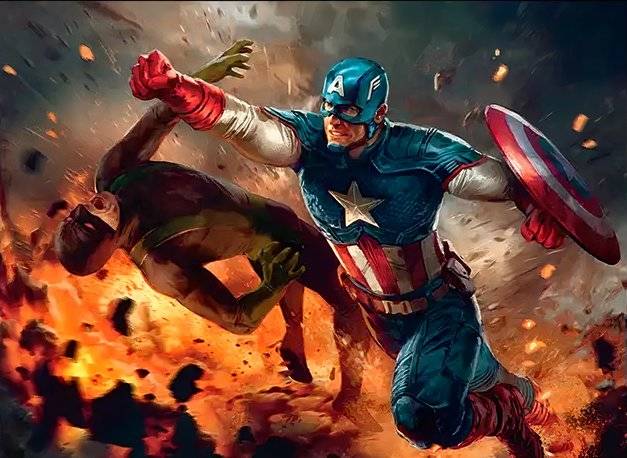
It takes a while to learn the mechanics, which, although simple enough, require some getting used to. Link Attacks can be executed by pressing Square, Triangle, and Circle three times each. Hitting each button sequentially also doles out a combo. Square leverages teammates to execute combo finishers, Triangle ends in a flashy Special Skill attack that deals heavy damage, and Circle starts with a Special Skill before ending in an Ultimate. Each character has a unique attack assigned to the same button: Captain America throws his shield, Iron Man fires a projectile, etc. Circle and down executes a Slam Launcher that sends opponents into the sky, where more combos ensue.
By using the X button and directional button, you can seamlessly integrate allies into the flow of the battle with assist attacks, or you can swap out on the fly. This makes it feel like a truly all-out brawl between groups rather than 1-on-1 contests. It’s much more basic than a lot of other 3v3s out there, with mechanics simple enough to grasp but take some understanding to grasp fully. You won’t get by simply mashing buttons.
There’s also a Skill Gauge to consider when doing Super Skills, as well as an Assemble Gauge when using assist, but as long as you’re not button-mashing and become one with the flow of gameplay, they should never exhaust too soon. You may say, “But what if I’m being punished? How can I get back to the flow with some defense skills?” Well, that’s when rhythm matters most.
There’s Assemble Smash, Assemble Counter, and Crossover, which all rely on timing to change the course of a match. If you press the respective combination of buttons just when an opponent’s hit lands while blocking, your assists can counter instead and break the momentum long enough for a comeback. For Crossover, your opponent can retaliate with a Crossover Reflect, which allows their assist character to block your attack. If they execute a Crossover Reflect at the last moment, it becomes a Perfect Crossover and causes a counterattack against you and the assisting character.
 Image: Arc System Works; Marvel Games
It’s. All. About. Timing. Gameplay is simple, but takes some understanding to master. It’s chaotic, but it’s also controlled. There’s a rhythm to everything you do, whether you’re on the offense or trying to get out of defense. There are not a lot of inputs one needs to remember, but there’s nuance to the gameplay. Whereas contemporary fighters rely on rage mechanics to make second-wind chances more likely, or on battles of attrition against usage of gauges, this game wraps its system around rhythm and the usual ebbs and flows of battle.
I’m excited to play more Marvel Tōkon and look forward to the entire roster being announced and more stages being introduced. Aside from the intricate yet simple gameplay, the manga-inspired mashup with Western characters makes this a unique-looking game, like Marvel meets Tatsunoko vs. Capcom: Ultimate All-Stars. I want to see how far this idea goes from an aesthetic perspective. It would be amazing to fight on the page of a comic book and smash through panels during Wall Break transitions. Speaking of walls, I want to see Japanese Deadpool break a few, but instead of Western pop culture references, it’s stuff you’d only know if you lived in Japan. Hopefully, the reveals and the game as a whole live up to all my lofty, otaku, weeabo wishes, but it’s only a matter of time until we all find out.