The BoF Podcast | Riz Ahmed on the Radical Power of Storytelling
Listen to and follow the ‘BoF Podcast’: Apple Podcasts | Spotify | Overcast
Background:
During Riz Ahmed’s childhood, the Academy Award-winning actor often felt like an outsider, not just in school but in his native England. When an English literature teacher introduced him to Shakespeare’s “Hamlet,” Ahmed was struck by how strongly it resonated with his experience as a British South Asian.
“‘Hamlet’ is about somebody who is grieving the illusion that the world is a fair place. That’s how I feel right now. I think that’s how millions of us feel. He feels powerless in the face of this increasingly shameless injustice. He feels gaslit by it,” he shared last month at BoF Voices 2025 in Oxfordshire, UK. “And most of all, worst of all, toughest of all for him, he realises he is complicit in all the injustice.”
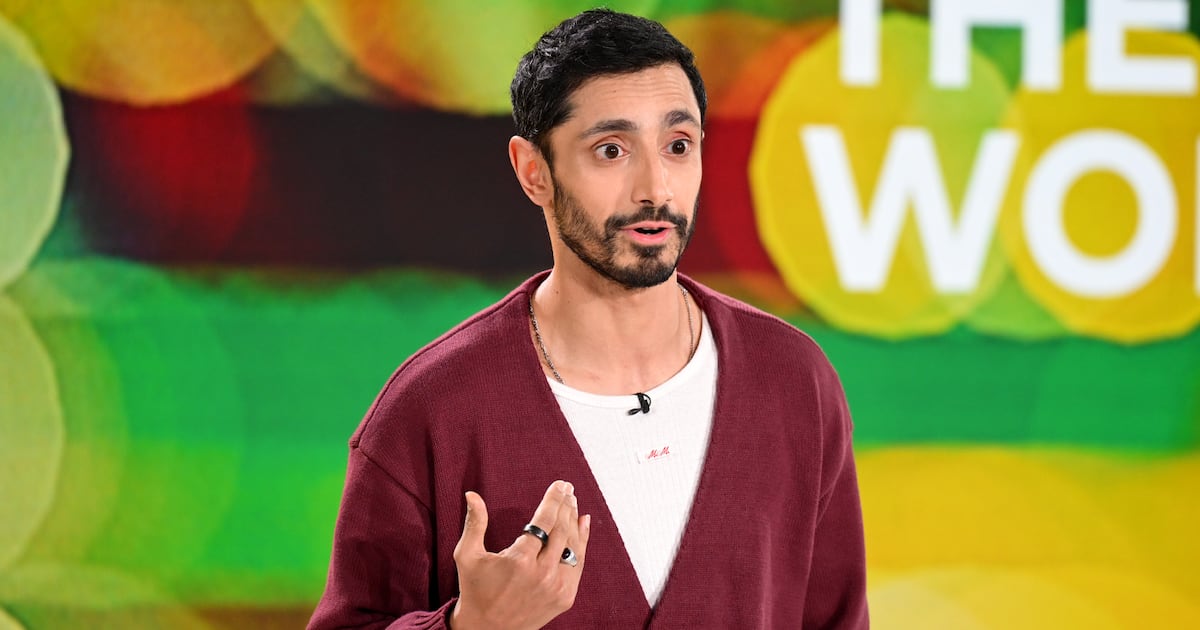
Ahmed spoke on stage at BoF Voices 2025 about the purpose of storytelling and the importance of remembering our sense of shared humanity during divisive times.
Key Insights:Ahead of the theatrical release of the Ahmed-produced 2025 film “Hamlet” — its first cinematic adaptation starring a person of colour — the actor argued that the play’s famous soliloquy is not about suicide, but rather about summoning the courage to defy injustice. “‘To be or not to be’ is about resistance. The most famous lines ever written by a human being have been defanged, deradicalised. It’s about fighting back against oppression,” he said.The “To be or not to be” monologue, he argued, illustrates the importance of storytelling during a time when dominant cultural narratives attempt to divide people and to emphasise the illusion of in-groups and out-groups. “In the same way that we need to rediscover the radical truth of this speech, I believe we need to rediscover the radical purpose and truth at the heart of storytelling,” he said. “Storytelling has been lost to content and distraction and entertainment, but at its heart when it works best, it is reminding us of a very profound and very radical spiritual truth, which is that we are one.”Ahmed concluded that what people gain in achieving their purpose as storytellers — to believe in their shared humanity — is invaluable, despite the personal losses that may be incurred by doing so. “Honestly the things that we are afraid of, the things that we stand to lose were never really ours. We will lose them, but what we stand to gain when we step into our purpose is something so profound,” he said. “What does it mean to rediscover not just the radical truth at the heart of the most famous speech ever written, but what does it mean to rediscover our radical purpose as storytellers, insisting on our oneness in a time when people might try and divide us?”Additional Resources:








Comments (0)