
Remember me
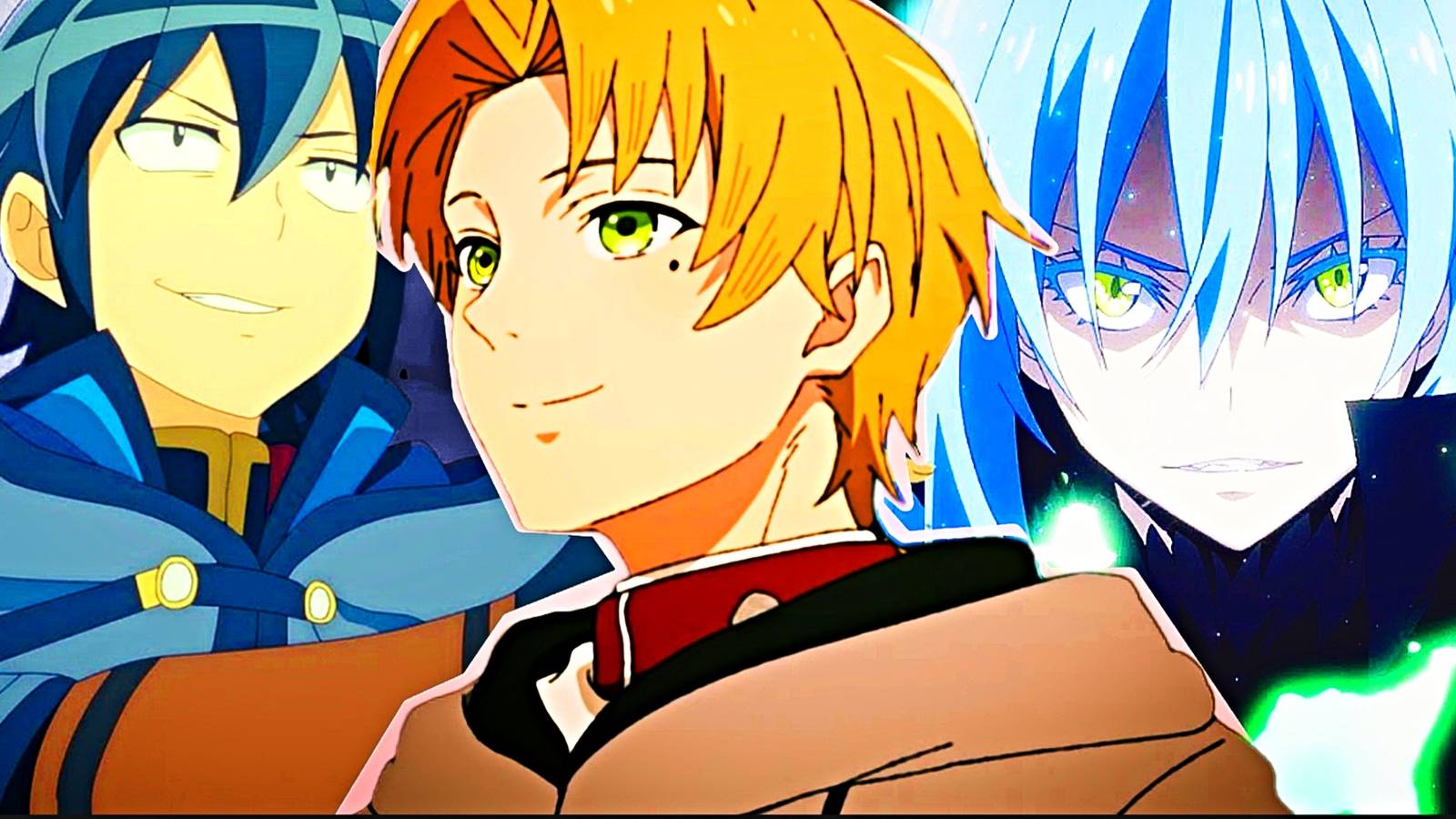

Isekai anime have become a cornerstone of modern anime culture, promising thrilling adventures, fantastical worlds, and protagonists who seem destined for greatness. Yet, for every beloved series, there are countless others that feel formulaic, uninspired, or outright frustrating. Longtime fans know there’s a certain bittersweet reality lurking behind the genre’s flashy premises.
From overpowered heroes to sudden cancellations, the isekai world is full of patterns that seasoned viewers can spot from a mile away. While it’s tempting to dismiss these issues as minor, they reflect deeper trends in how the genre is produced, adapted, and consumed. Here are eight harsh truths every isekai fan has endured, sometimes painfully.
Too Many Generic Isekai Are Being Produced
The explosion of isekai anime in recent years has created a flood of titles that often feel indistinguishable from one another. Every new series seems to rely on familiar tropes like high school students transported to another world, instant overpowered abilities, and exaggerated fantasy kingdoms. For fans seeking originality, this glut can be exhausting.
Even when a series starts with promise, it’s difficult to escape the sense of déjà vu. Names, plots, and character designs often follow a checklist rather than offering genuine creativity. While a few standout isekai titles shine through the clutter, the majority risk blending into an indistinct sea of mediocrity, leaving audiences longing for something more innovative.
Most Isekai Adaptations Only Get One Season Wise Man's Grandchild's Shin Wolflord creating a sword out of magic as he looks stern.
Nothing kills excitement faster than investing time in a new series, only to discover it won’t continue. Many isekai anime are adapted from light novels, but animation studios frequently commit to just a single season, leaving storylines incomplete. For fans, this can be incredibly frustrating, as cliffhangers and unresolved plots dominate the narrative.
The one-season trap often stems from poor sales, low streaming numbers, or a lack of marketing push. Even if a series has strong worldbuilding or interesting characters, it may never see a proper conclusion. This means viewers are left to piece together endings from novels or fan speculation, rather than enjoying a satisfying televised finale.
Animation Quality Often Drops After the First Episodes
A common complaint among isekai fans is the noticeable dip in animation quality after the opening episodes. Studios often pour resources into flashy introductions, dazzling fight scenes, and intricate CG for the first few episodes, only to scale back once the series settles into routine.
This inconsistency can be jarring, especially for fans who were initially drawn in by the visual spectacle. The drop-off not only diminishes immersion but also undermines suspense and emotional impact. Even major studios occasionally fall prey to this pattern, proving that not every animated world maintains its initial luster.
If There’s a Truck Scene, the Main Character Is Going to Die
“Truck-kun” has become an infamous trope in the isekai community. It’s almost a rite of passage: if the protagonist is hit by a vehicle early in the series, audiences can instantly predict that this event will lead to their transportation into another world. While the scene can be shocking at first, repetition has made it almost comical.
This plot device highlights a broader reliance on formulaic storytelling in isekai. By leaning on predictable mechanisms, writers sometimes sacrifice creativity and character development. Fans often anticipate the moment, and its inevitability can make the emotional weight feel hollow, especially for viewers seeking surprises.
Most Isekai Protagonists Are Overpowered and Boring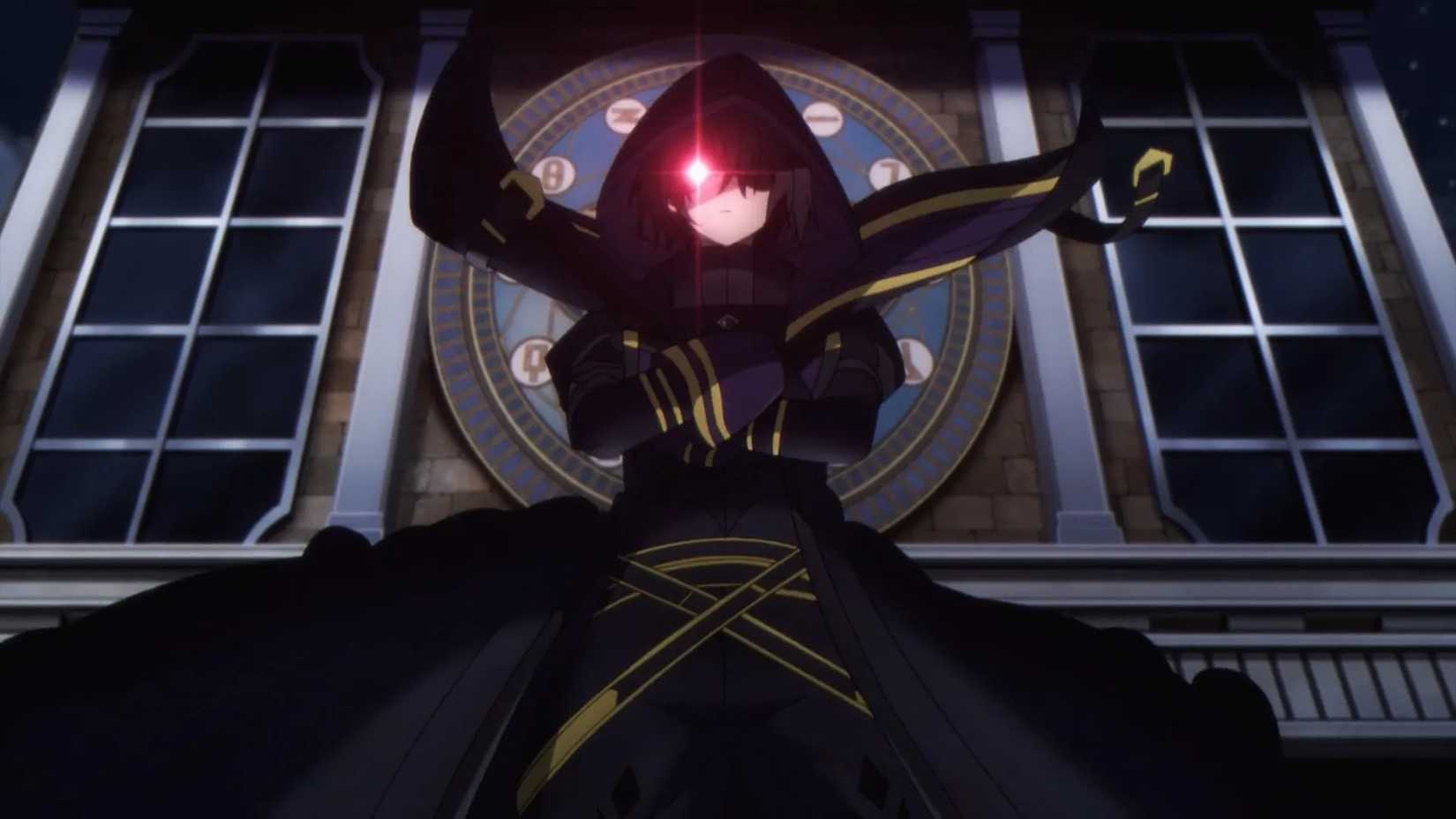 Cid Kageno as Shadow
The “overpowered protagonist” is a defining feature of many modern isekai. Heroes who can defeat any enemy effortlessly, summon legendary powers, or instantly master new skills often make for frustratingly dull storytelling. Without meaningful challenges, tension disappears, leaving viewers with little reason to invest emotionally.
While some overpowered characters are executed cleverly, many fall into the trap of making victory predictable and unearned. Growth, strategy, and struggle, which are key elements of compelling storytelling, are sacrificed for instant gratification. Fans craving nuanced development are frequently left disappointed, longing for protagonists who earn their success.
The Harem Trope Is Getting Old Shadow Garden from The Eminence in Shadow
Isekai series frequently pair protagonists with multiple love interests, creating the familiar “harem” scenario. What might have been charming or humorous in moderation now feels repetitive and formulaic, particularly when romantic tension serves as a crutch rather than an organic story element.
This overuse can alienate viewers who want depth in character relationships. Instead of exploring meaningful connections, many shows focus on quantity over quality, reducing characters to stereotypes or eye candy. Fans notice the repetitiveness, and for many, it has become a genre cliché that dampens engagement.
Fanservice Levels Are Wild and Unnecessary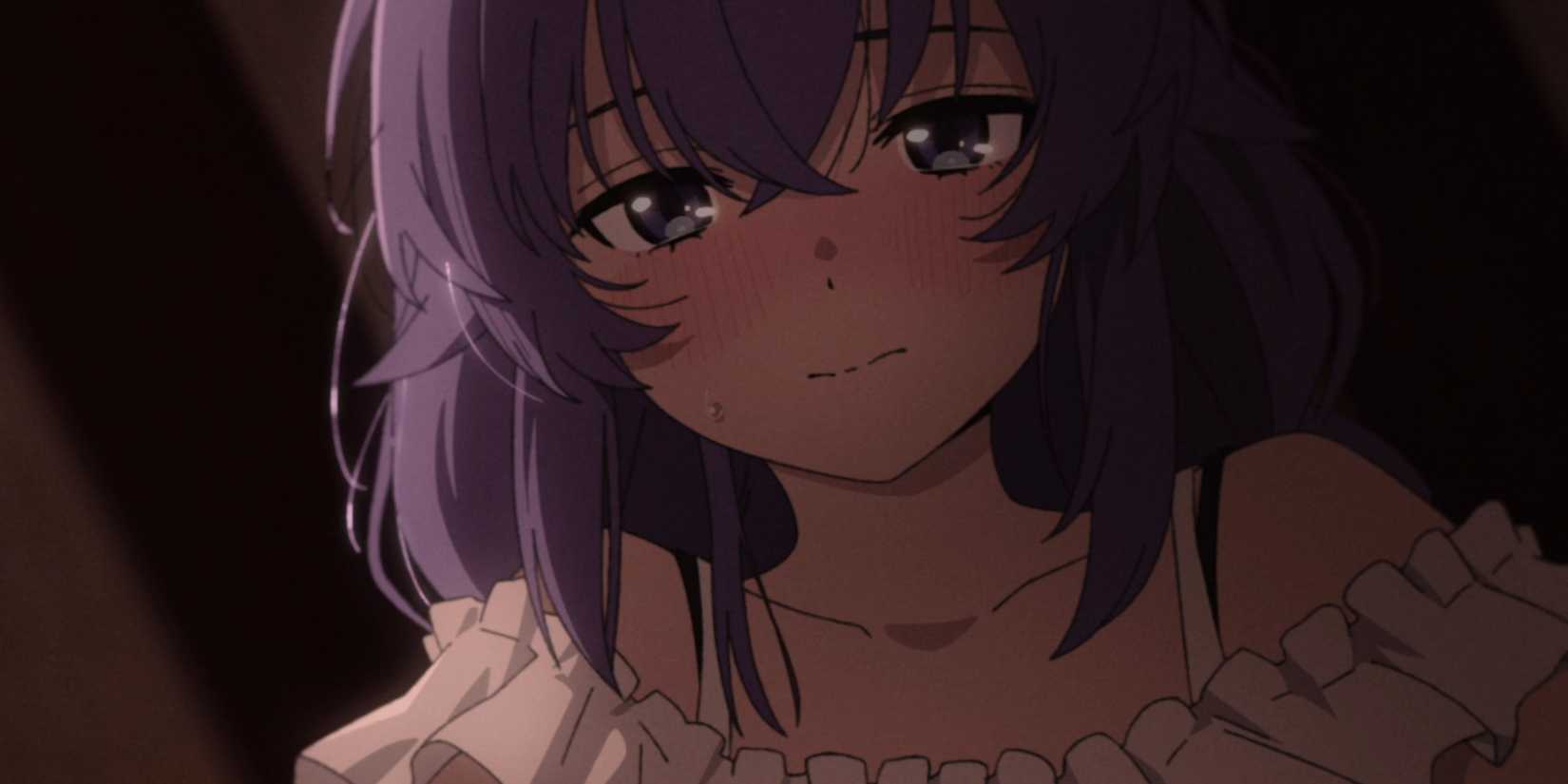 Roxy with Rudy before Mushoku Tensei: Jobless Reincarnation season 2 episode 24
Fanservice in isekai is often excessive, detracting from the story rather than enhancing it. Revealing outfits, gratuitous camera angles, and suggestive scenarios are common, sometimes overshadowing plot, worldbuilding, or character development. This can be especially frustrating in shows with otherwise compelling narratives.
For long-time fans, constant fanservice signals a shift in focus from storytelling to visual "eye candy." While it may attract casual viewers, it risks alienating those seeking substance. Over time, this trend has become one of the genre’s most polarizing traits, leaving some fans to avoid new series entirely.
Problematic Tropes Persist (Slavery, Incest, and Worse) The rising of the Shield Hero season 4 Raphtalia and naofumi
Certain isekai series incorporate deeply troubling themes, including slavery, incest, and sexualization of minors. While fantasy worlds allow writers creative freedom, these tropes often feel exploitative or unnecessary. They can provoke discomfort among viewers, highlighting a moral blind spot in some anime production.
Fans have begun to call out these patterns, advocating for more responsible storytelling. While some series tackle dark subjects thoughtfully, others rely on shock value or taboo for attention. This is a harsh truth, because enjoying isekai sometimes requires navigating content that is ethically or emotionally troubling, complicating fandom.
Comments (0)