
Remember me


Two of Britain's major teaching unions have warned of school strikes in 2026 as they prepare to battle Labour ministers over pay and conditions.
Paul Whiteman, general secretary of the National Association of Head Teachers (NAHT), said there was a 'real possibility of industrial difficulties' next year.
He claimed that teachers may no longer tolerate the 'burden of pressure' being placed on them.
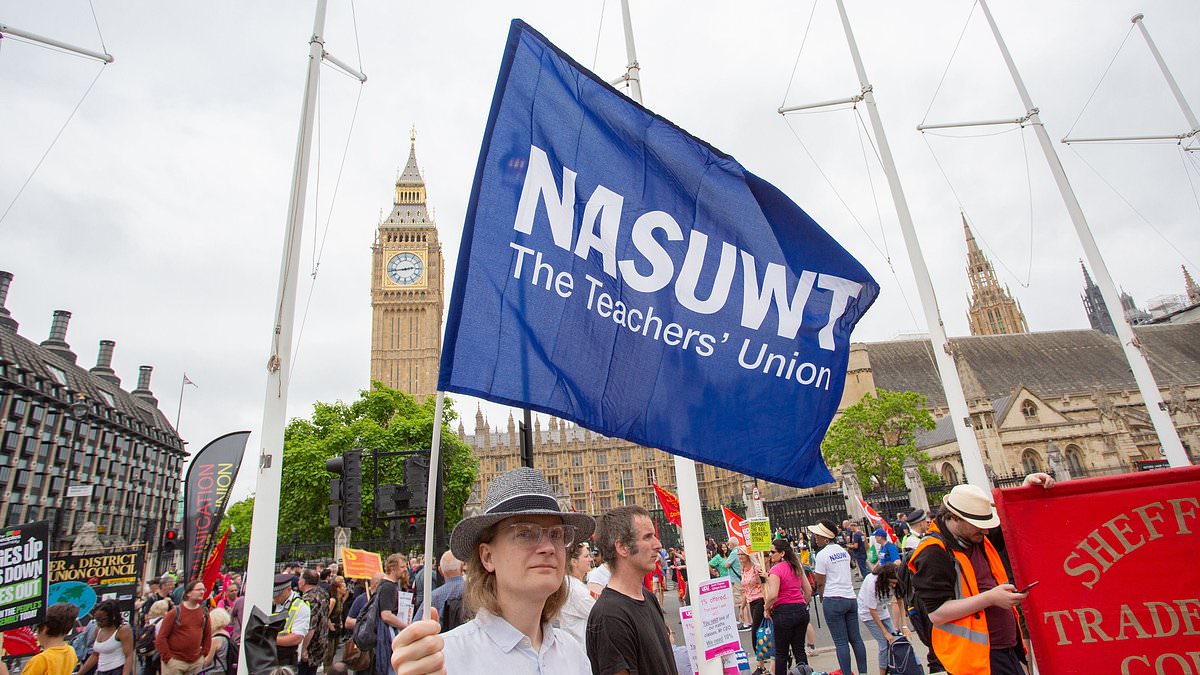
Matt Wrack, general secretary of NASUWT, said talks about strikes were 'inevitable' at his union's upcoming conference as he warned of a squeeze on school budgets.
The Government is being alerted to the prospect of fresh public sector strife following this month's latest walkout by resident doctors in England.
The British Medical Association oversaw a five-day strike in the run-up to Christmas as they continued their bitter dispute with Health Secretary Wes Streeting.
Speaking to The Independent, Mr Whiteman said teachers' anger about pay and conditions could similarly 'come to a head' in the coming months.
'Whether that's a walkout or other industrial action, I don't know, but I think what will come to a head is the whole package of difficulties,' he said.

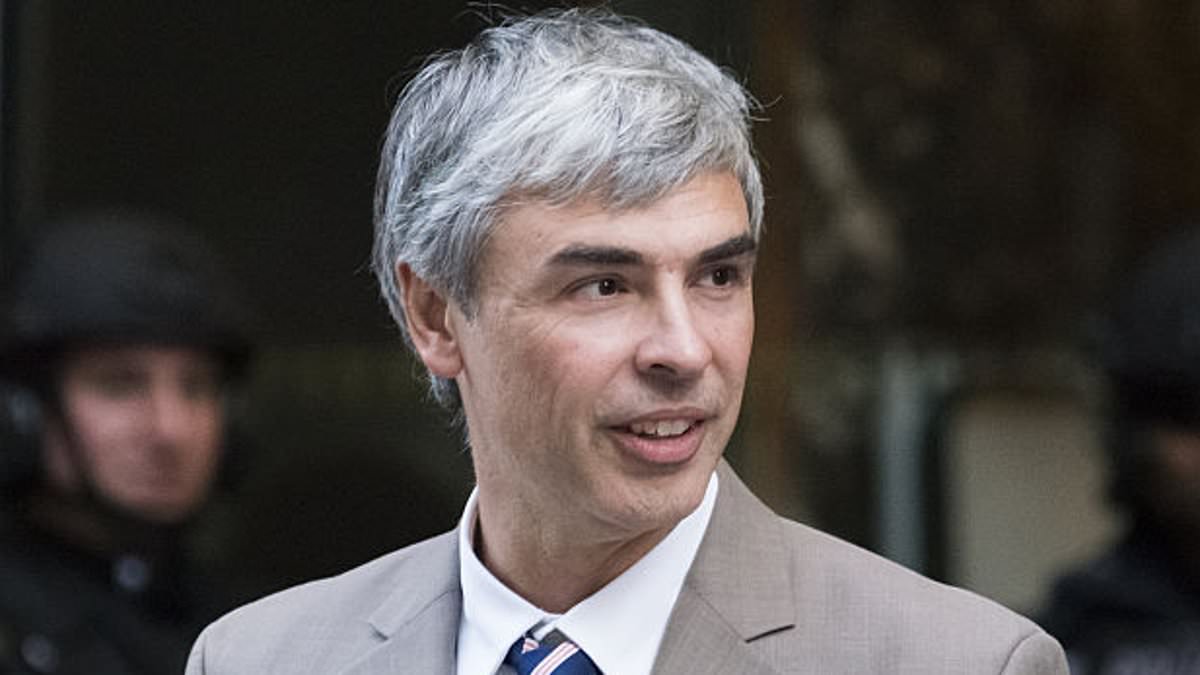
Paul Whiteman, general secretary of the National Association of Head Teachers (NAHT), said there was a 'real possibility of industrial difficulties' next yea

Matt Wrack, general secretary of NASUWT, said talks about strikes were 'inevitable' at his union's upcoming conference as he warned of a squeeze on school budgets
Mr Whiteman added: 'I don't think it will be just pay, I think it will be about workload and working hours and just the intensity and the danger of work.'
Although he argued the Government has a 'huge ambition for education', the union boss said he does not believe it has yet been backed up with 'the right resources'.
Mr Whiteman insisted warnings over possible industrial action were 'not sabre-rattling' but said NAHT officials were 'feeling the burden of pressure on behalf of our members'.
'They've carried that burden for so very, very long, I don't think they'd be able to tolerate it for much more,' he continued.
Mr Wrack, a former boss of the Fire Brigades Union, said talks of strikes were 'inevitable' at NASUWT's conference in April without improvements in pay and conditions.
In May, the Government accepted a recommendation by the School Teachers' Review Body (STRB) of a 4 per cent pay rise for the 2025-26 school year.
But Mr Wrack described this as 'unhelpful' when teachers' real earnings 'have fallen over the past 15 years'.
'There's been changes to pensions which have worsened pensions. So the package that teachers get is not what it was 15 years ago,' he told the website.
'It seems to us to suggest that we might have two or possibly three years of low pay rises, which may be below even the Government's measure of inflation.
'But certainly below how we assess inflation using RPI, and that additionally, those pay rises are not going to be adequately funded.'
He added schools were caught in a 'vicious cycle' because future teacher pay rises will have to come out of existing budgets.
'So we get a low pay rise, but if we get a slightly higher pay rise, that just exacerbates the crisis in the schools,' Mr Wrack continued.
A spokesperson for the Department for Education said: 'Through our Plan for Change, we are restoring teaching as the highly valued profession it should be.
'Our recent proposals mean teacher pay would rise by almost 17 per cent across this parliament, equating to a significant real terms increase over the five years.
'Despite deeply challenging choices about public spending, mainstream school funding will rise again next year, reaching almost £51billion, to help every child to achieve and thrive.
'We are helping schools get the best value for money on areas like energy, recruitment, and banking, so every penny is invested in delivering opportunities for young people.'
Comments (0)