
Remember me
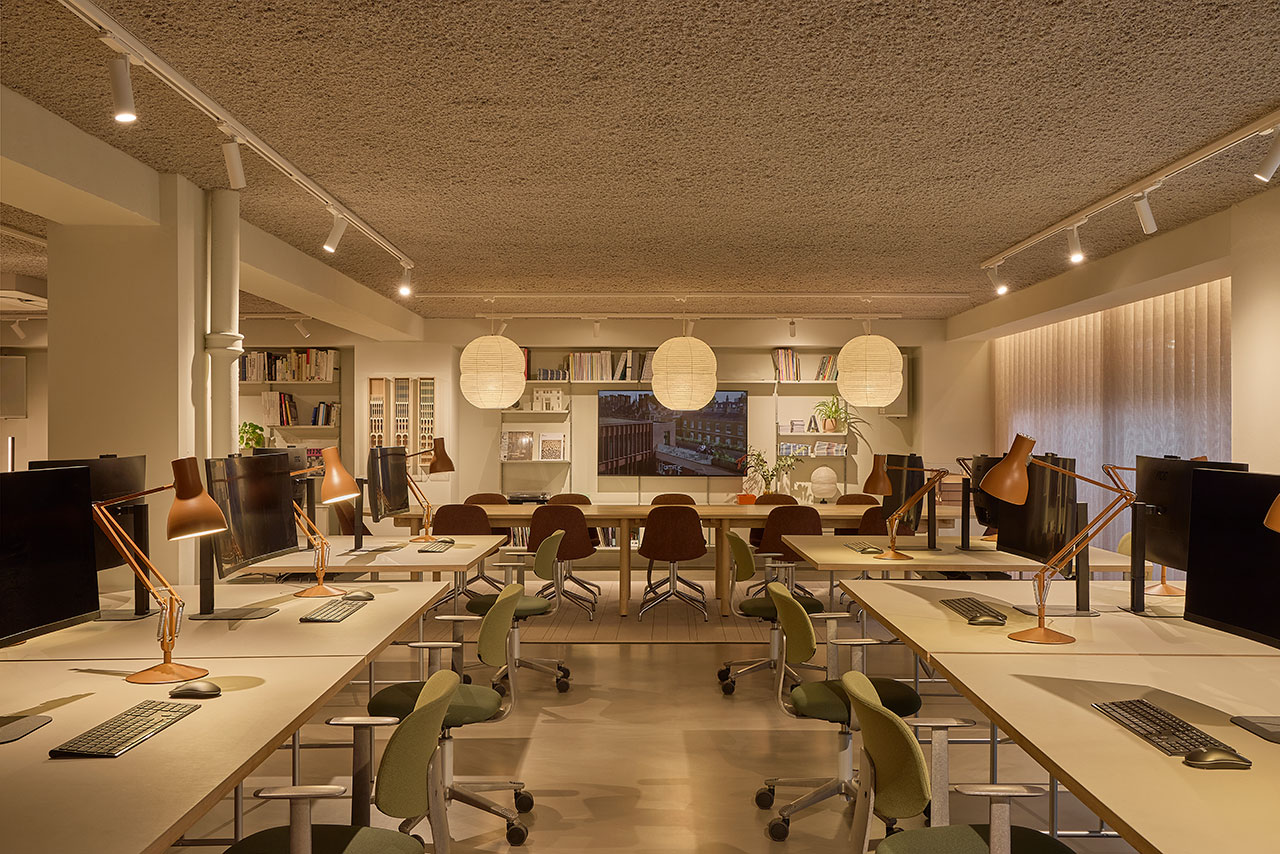

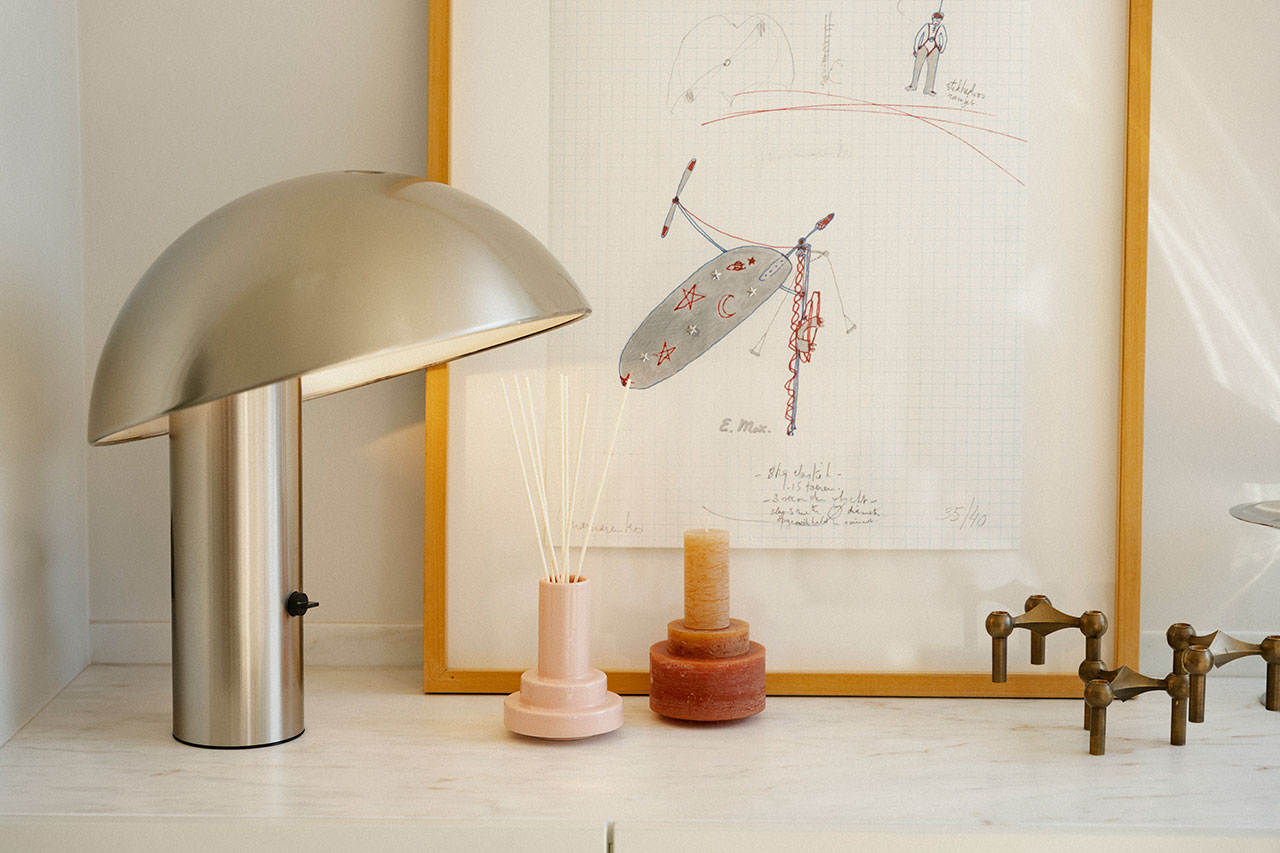
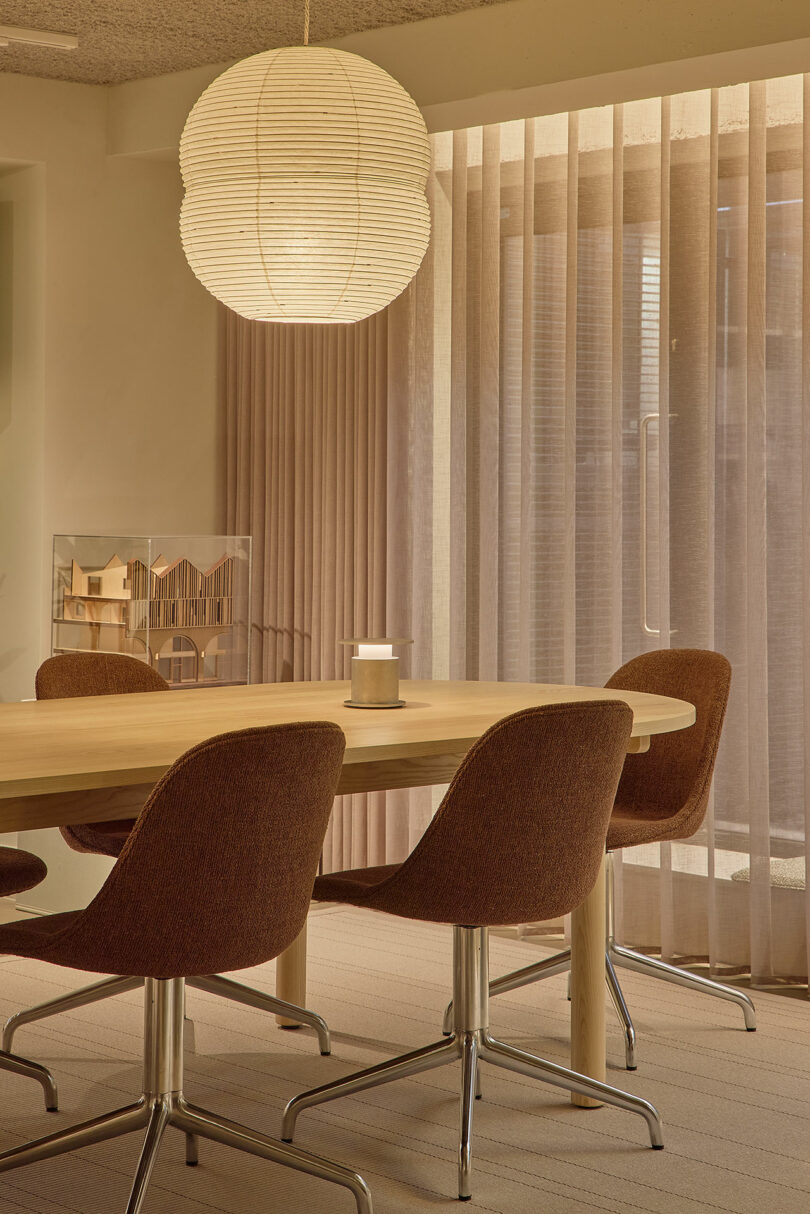
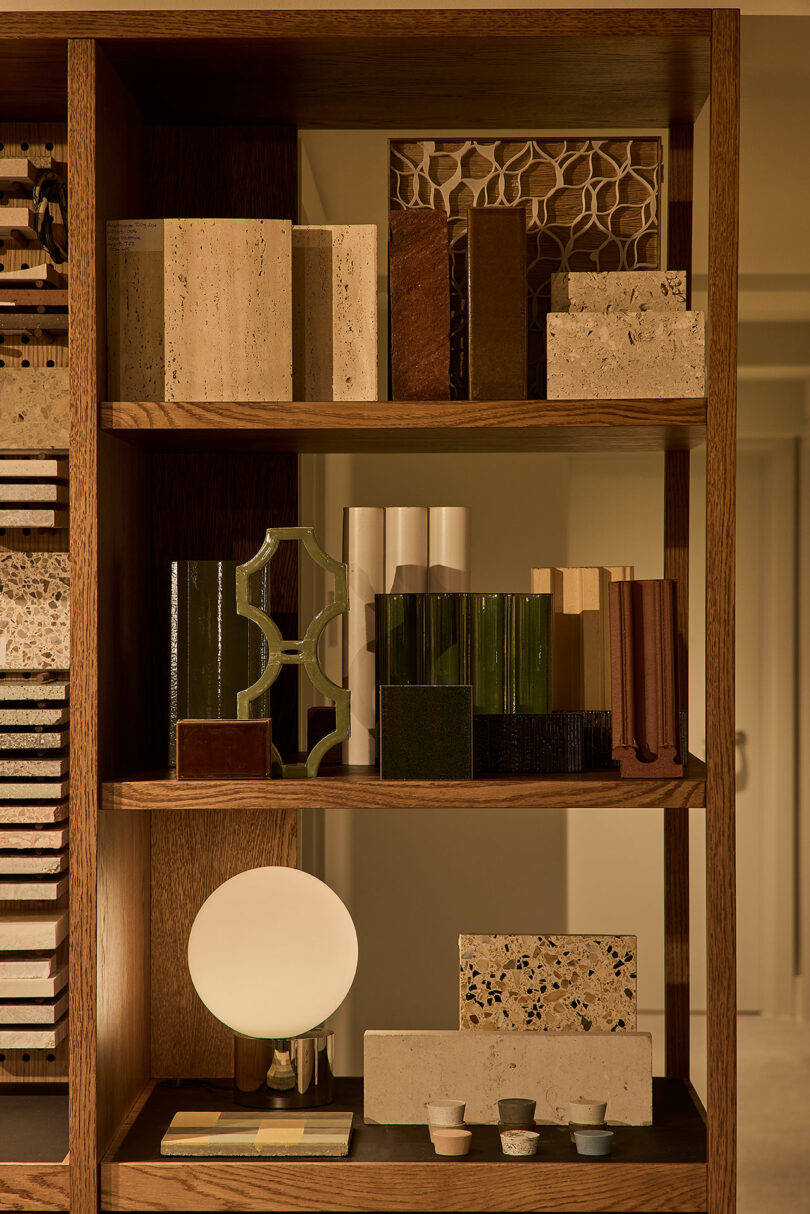
At dMFK Architects’ London headquarters, the team designs for a range of clients, creating interiors for both work and play functions. When leadership decided to convert a former post-production studio, they envisioned a multipurpose hub to help foster connections in an increasingly digital world. “Our new space is a living sample library, opening dialogue internally and outward within our industry,” says Julian de Metz, director at dMFK Architects. “We’ve invited suppliers to bring in materials in development, with interesting sustainable narratives, or ones that haven’t been pushed out into the world yet, so we can test, discuss, and sometimes co-evolve an idea.”
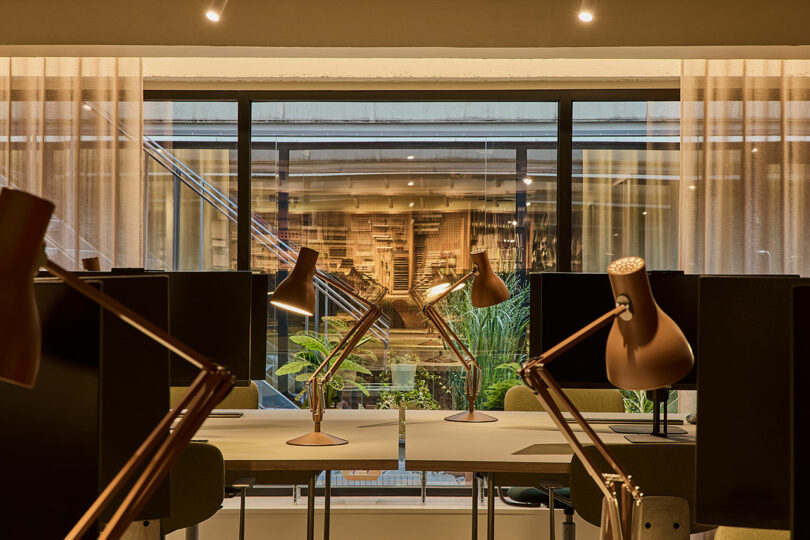
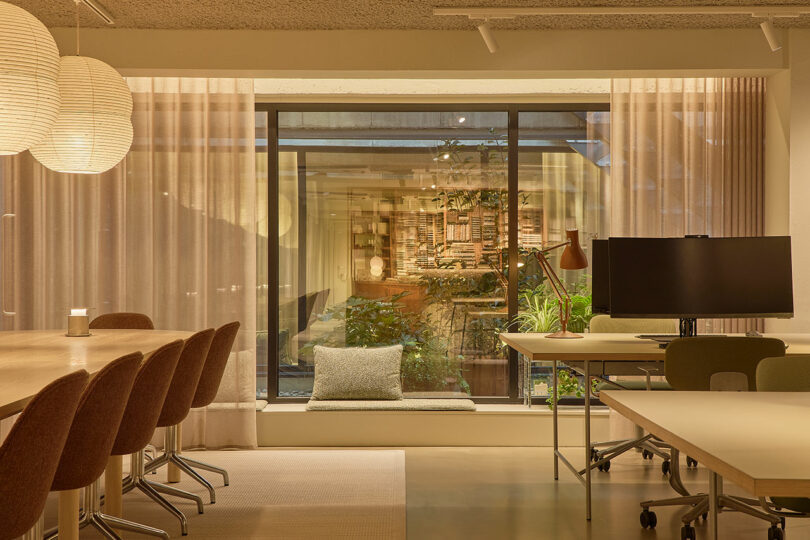
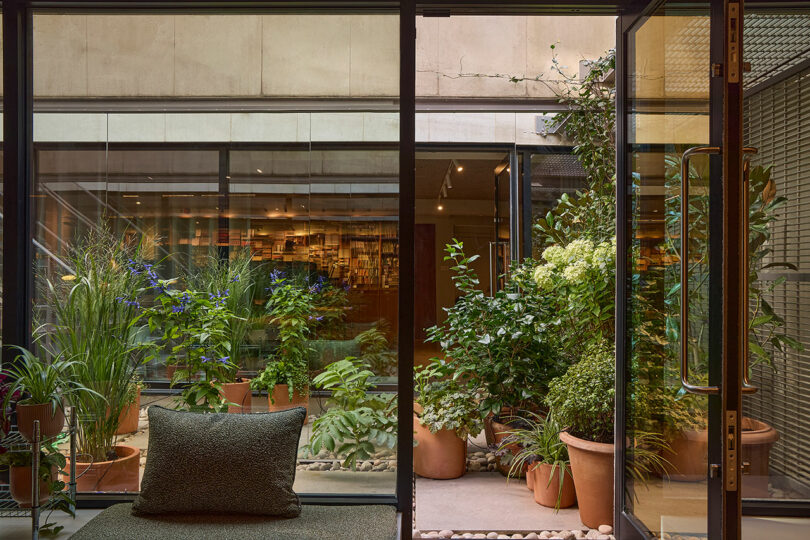
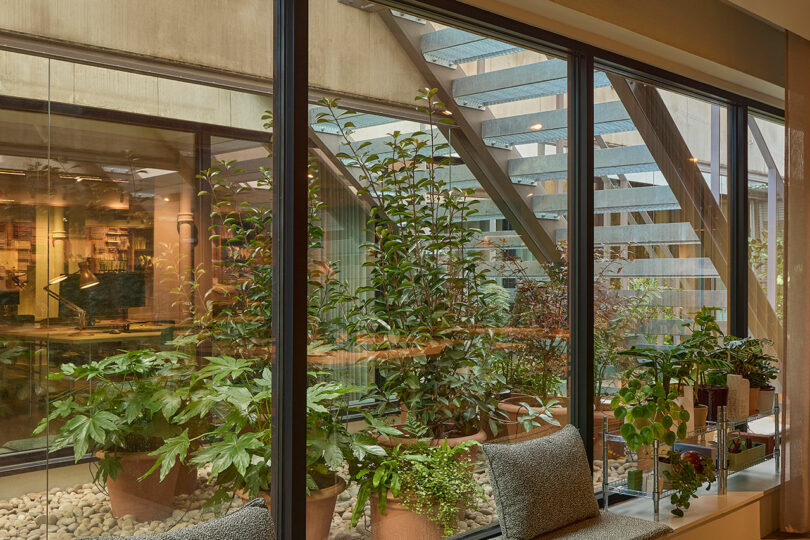
Located at 76 Charlotte Street, the 2,000-square-foot basement-level space, dubbed Downstairs at dMFK, is accessed via a lushly planted mirrored lightwell, which creates the illusion that the space extends under the street. There are 16 workstations, meeting rooms, a kitchen, and a host of other sections that support focused tasks and group work. Vendors were invited to experiment in this ideal setting for their test products, as long as the items complemented the existing aesthetic.
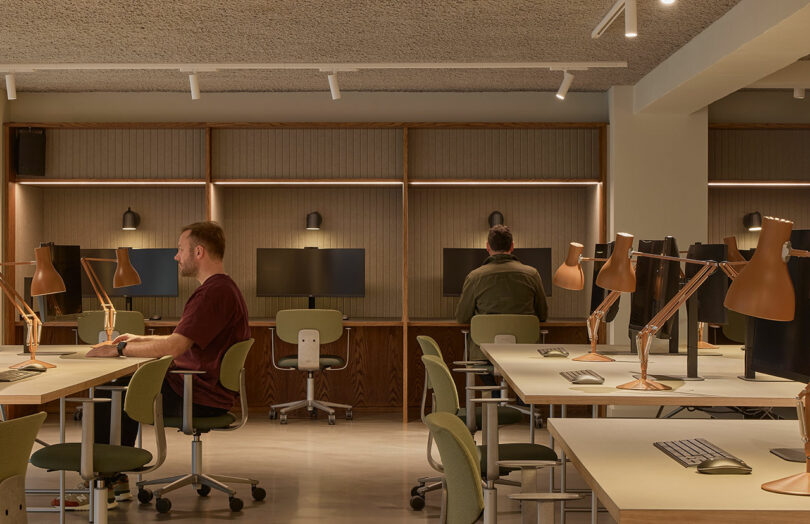
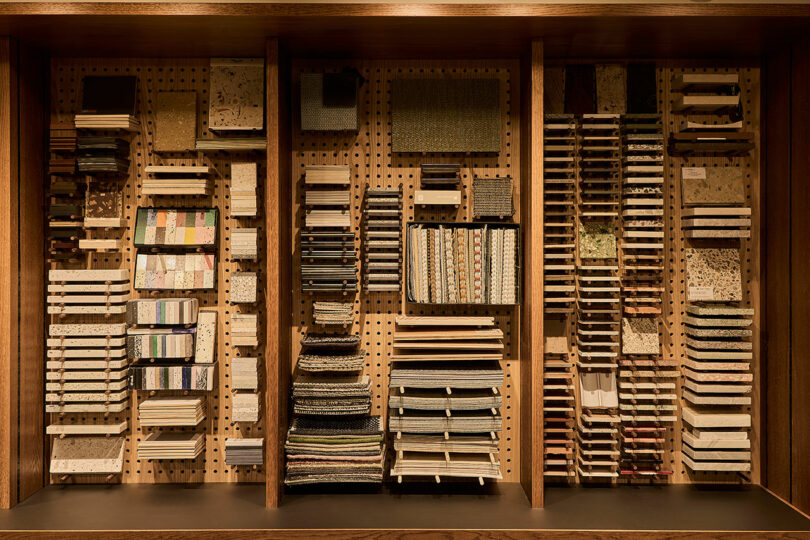
In the materials library, for example, there is a curated selection of samples anchored by a terrazzo bar by Avantgarde Tiling, a company interested in exploring a new technology. Made from Thames flint, a stone that normally doesn’t bond with cement, the table uses a custom calcium sulfoaluminate binder, which securely holds the aggregates and incorporates aluminum by-products. Durable, repairable, and fully recyclable, the installation showcases innovation with material.
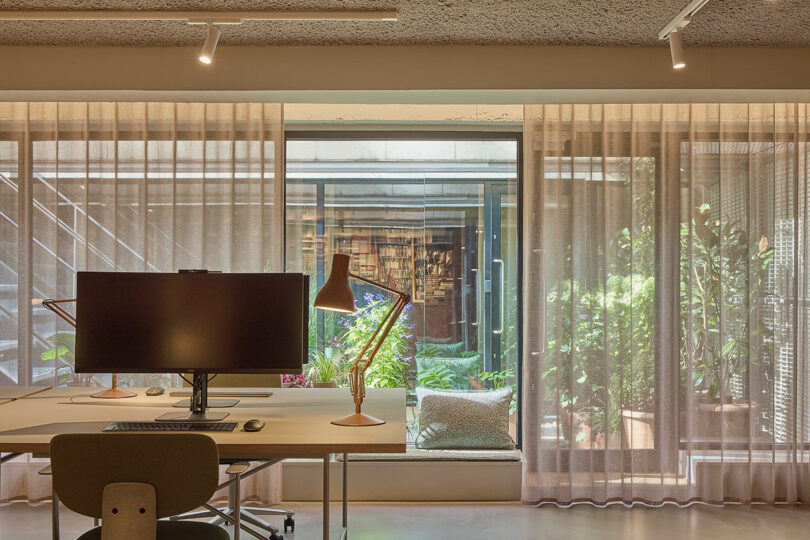
Finishes highlight dMFK’s commitment to sustainability. Sphere8’s seamless resin flooring made from castor beans and recycled plastic chippings enlivens the corridor. An absorbent SonaSpray Eco+ ceiling by Oscar Acoustics is made from recycled newspapers – the product’s first installation in London. These surfaces add to the sense of calm in the environment.
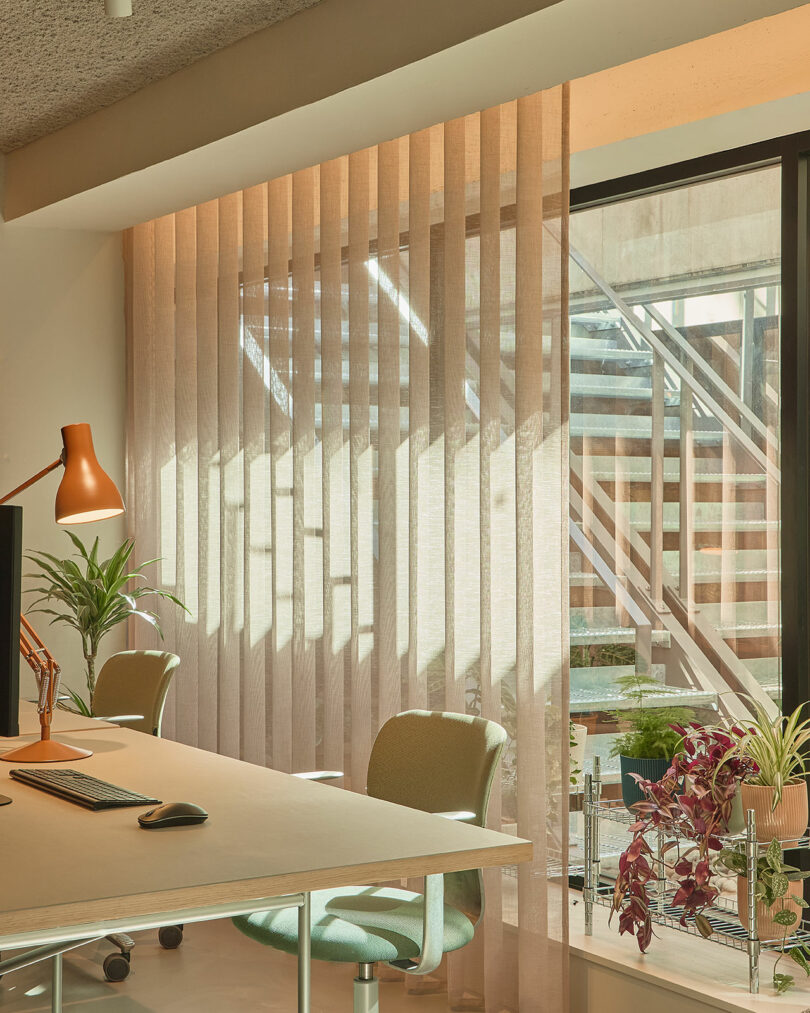
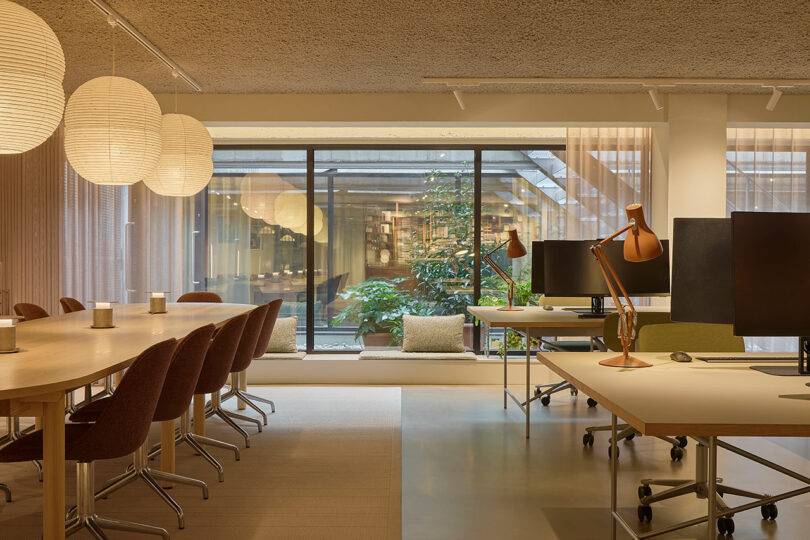
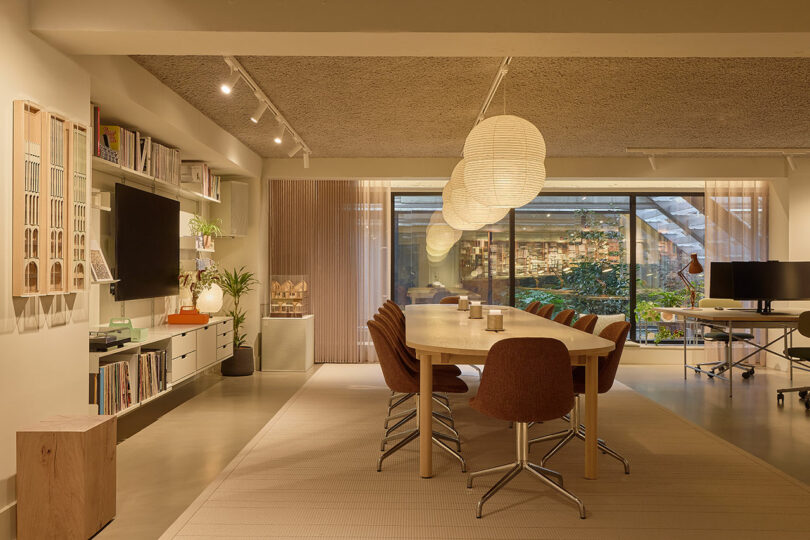
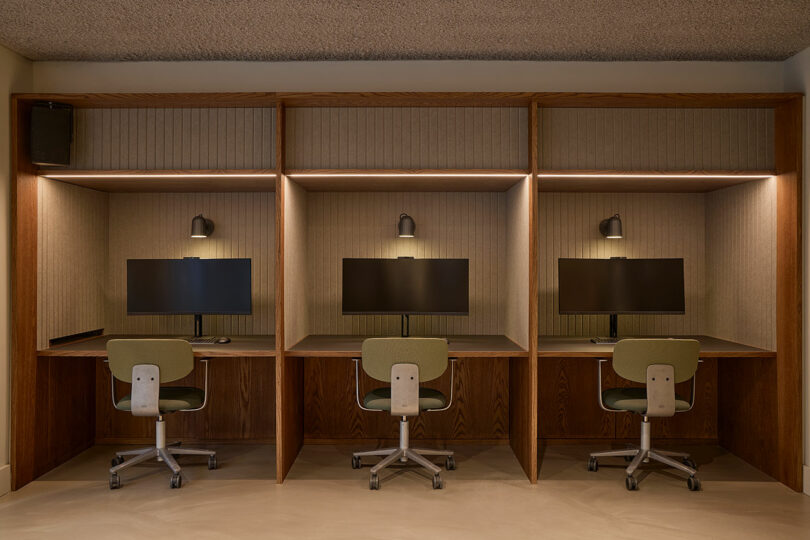
The perimeter walls layer texture and acoustic performance. The Collective’s fluted panels line booths, while at the shopfront, Daybreak curtains by Kvadrat’s diffuse sunlight, while the brand’s Divina fabric frames the rear wall and focus area, which forms a soft and cohesive envelope. A reused d&b Audiotechnik system, recovered from Spiritland’s Royal Festival Hall, delivers rich sound for talks, screenings, and other events.
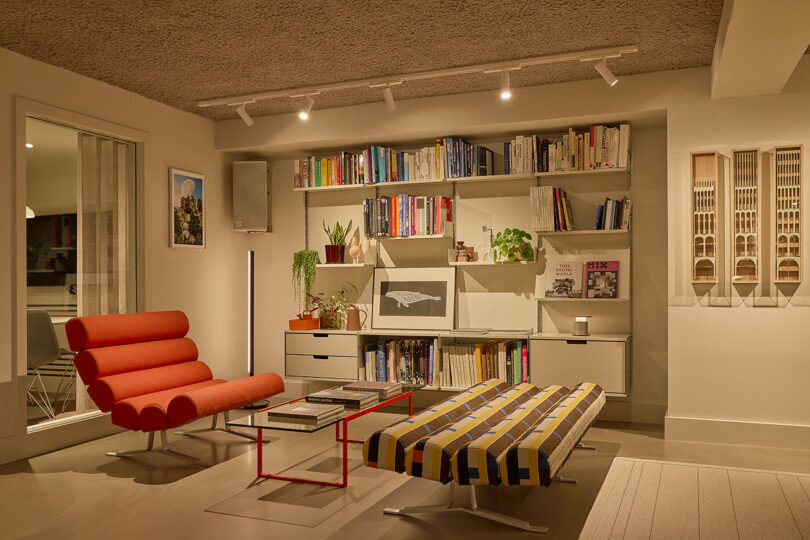
The Living Room is a rotating furniture display curated by retailer twentytwentyone. The inaugural vignette includes William Plunkett’s lounge chair and daybed, upholstered in a textile derived from Anni Albers’ 1925 Wall Hanging. The pieces will be rotated quarterly, each a prime example of craft and form.
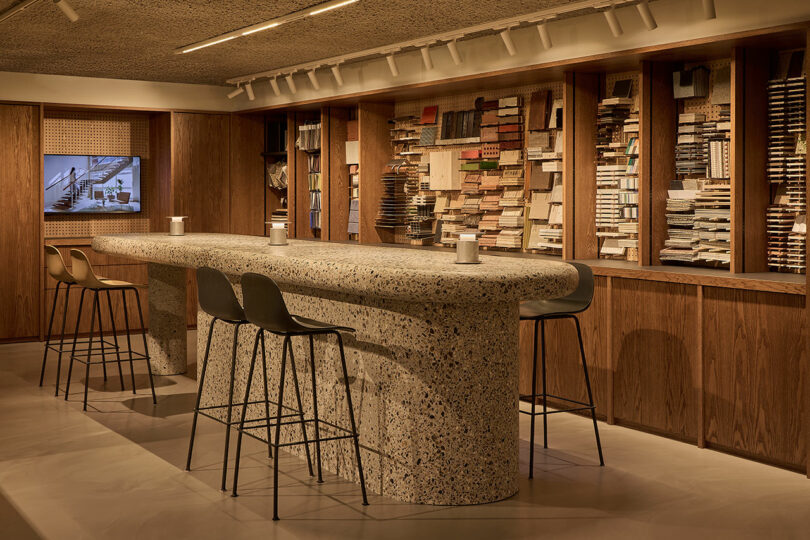
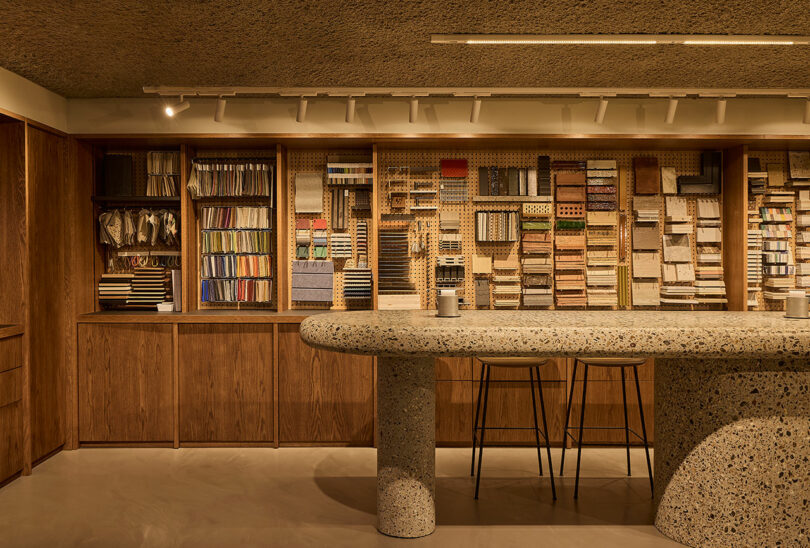
For the staff, this is a center of activity that came from a forgotten zone that will now evolve just as their work does. “Downstairs at dMFK was previously a windowless suite and storeroom,” notes de Metz. “The constraints became opportunities, and we knew we could transform it into something special. The space is flexible, and the continual exchange keeps the practice sharp and alive.”
For more information about Downstairs at dMFK by dMFK Architects, please visit dmfk.co.uk.
Photography by Ed Reeve.

Anna Zappia is a New York City-based writer and editor with a passion for textiles, and she can often be found at a fashion exhibit or shopping for more books. Anna writes the Friday Five column, as well as commercial content.
Comments (0)