Children should be taught to treat stab wounds in schools, MP suggests
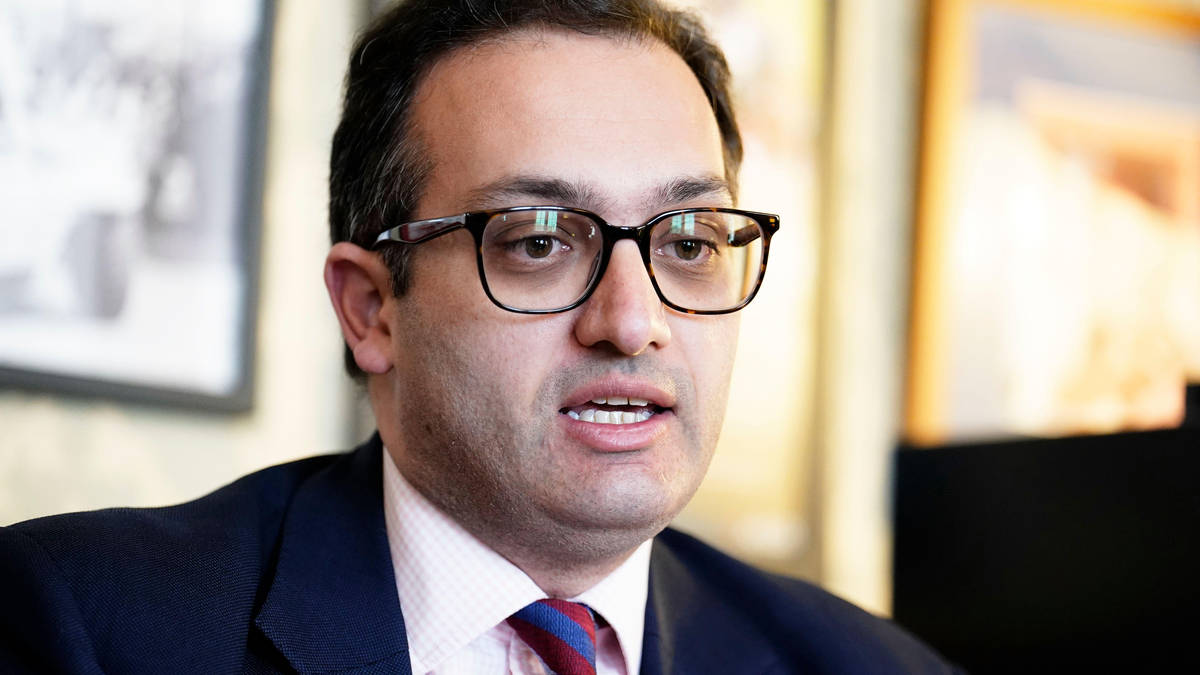
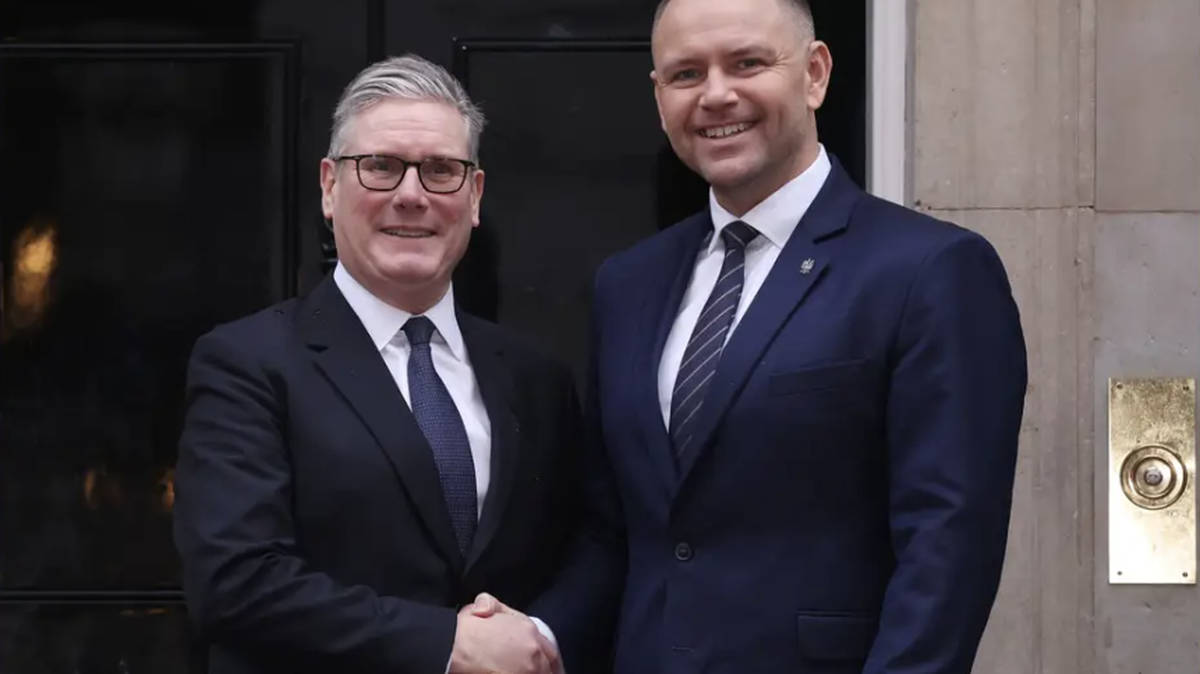
Neil Shastri-Hurst MP has suggested children should be taught how to treat stab wounds and "catastrophic bleeding" in schools.
Picture:
Alamy
Children should be taught how to treat stab wounds and "catastrophic bleeding" in schools, a Conservative MP has said, as he warned many people do not know what to do in an emergency. Dr Neil Shastri-Hurst, a former surgeon, said the lessons and workshops would help save lives - as he said people who witness car crashes, stabbings or "terror-style attacks" could intervene in the critical moments after an incident to provide aid and get assistance. The Solihull West and Shirley MP said the changes would be "proportionate" and would not put pressure on schools. They would also teach youngsters how to keep themselves safe and assess risk to themselves. Dr Shastri-Hurst said: "Every year, thousands of people in England find themselves at the centre of sudden, chaotic emergencies. "A child at the roadside following a road traffic collision. "The victim of knife crime bleeding out.
The Solihull West and Shirley MP said the changes would be "proportionate" and would not put pressure on schools.
Picture:
Alamy
"A medical emergency unfolding whilst onlookers wait for an ambulance, watching as precious minutes slip away. "All they want to do is help, but too many do not know how. "Not infrequently, the question asked afterwards is not what went wrong, but why no one present knew what to do." Urging colleagues to back it, he later said: "The hardest burden of any of us to carry is not that we tried and failed, but that a life was lost whilst we stood by. Read more: Former soldier jailed after narrowly missing female police officer in petrol bomb attackRead more: 'Send in the Army', Starmer urged after 25,000 homes in South East left without water"Not through indifference, but through the absence of knowledge this House could have chosen to provide." Dr Shastri-Hurst worked at the major trauma service at the Queen Elizabeth Hospital in Birmingham, one of the largest in the UK, before retraining as a barrister. He said children would be taught how to identify and manage severe bleeding if his Emergency and Life Saving Skills (Schools) Bill was passed. This would include how to apply pressure, use a tourniquet where appropriate, and stabilise a victim.
'The Knife Angel' is a 27 feet high sculpture composed of knives by the artist Alfie Bradley as a national monument against violence and aggression.
Picture:
Alamy
Speaking in the Commons, he said the education system lacked proper training for young people in how to recognise an emergency or give live-saving aid in the moments after an incident. While some children are taught first aid, and health and safety, the inconsistency meant differing levels of ability the Tory MP said. He added: "In those first critical moments, before professional help arrives, outcomes are often determined not by advanced medicine, but by whether those present can recognise what is happening, act decisively, and summon help effectively." Introducing the Bill, Dr Shastri-Hurst said it would mean every child would be taught how to recognise emergencies and respond to them. They would also be told how to judge danger to themselves and keep safe. He said: "The importance of this cannot be overstated. "In emergencies, well-intentioned but untrained bystanders can inadvertently worsen outcomes or place themselves in danger." He added: "This is not about turning children into paramedics. "It is not about overloading the curriculum. "It is not about replacing professional emergency services. "It is about ensuring that every young person leaves school equipped with a core set of practical, age-appropriate skills, how to recognise an emergency, how to respond safely, how to communicate clearly with emergency services, and critically how to provide basic life-saving assistance until help arrives. "One day, any one of us may depend, not on a professional, but on a passer-by. "That passer-by may be a young person standing there, willing and wanting to help, but uncertain what to do."