
Remember me

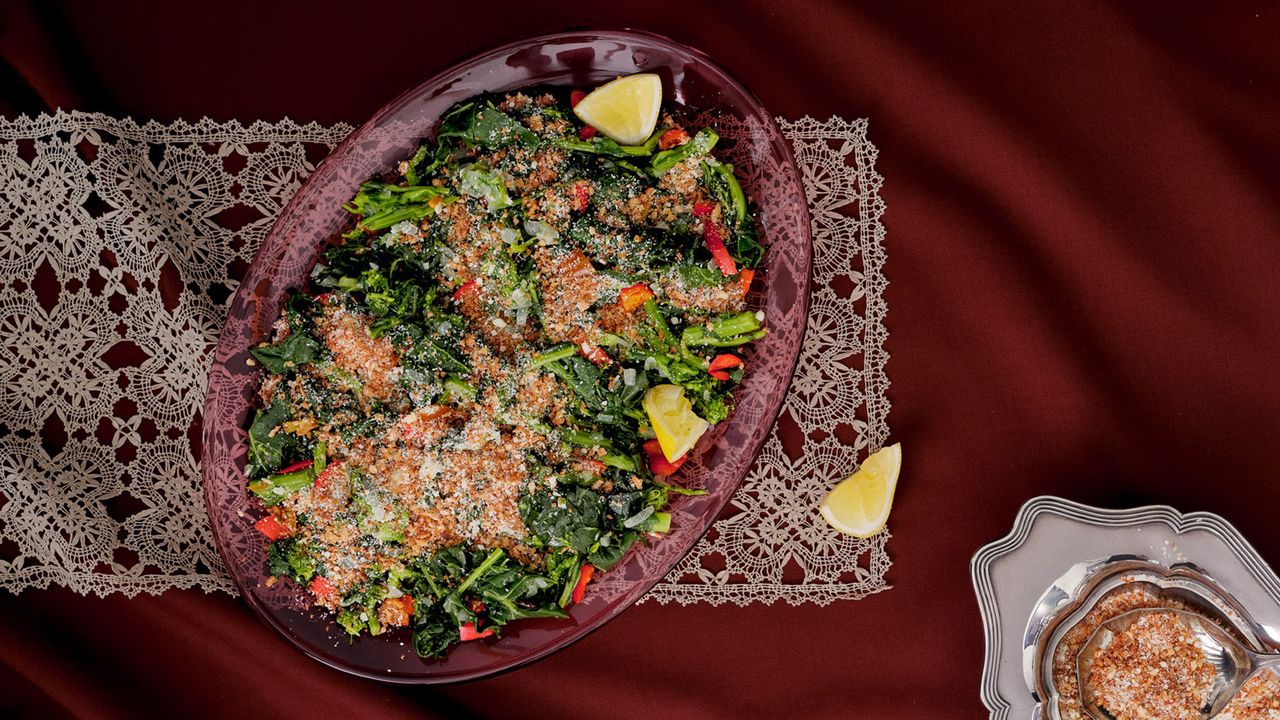

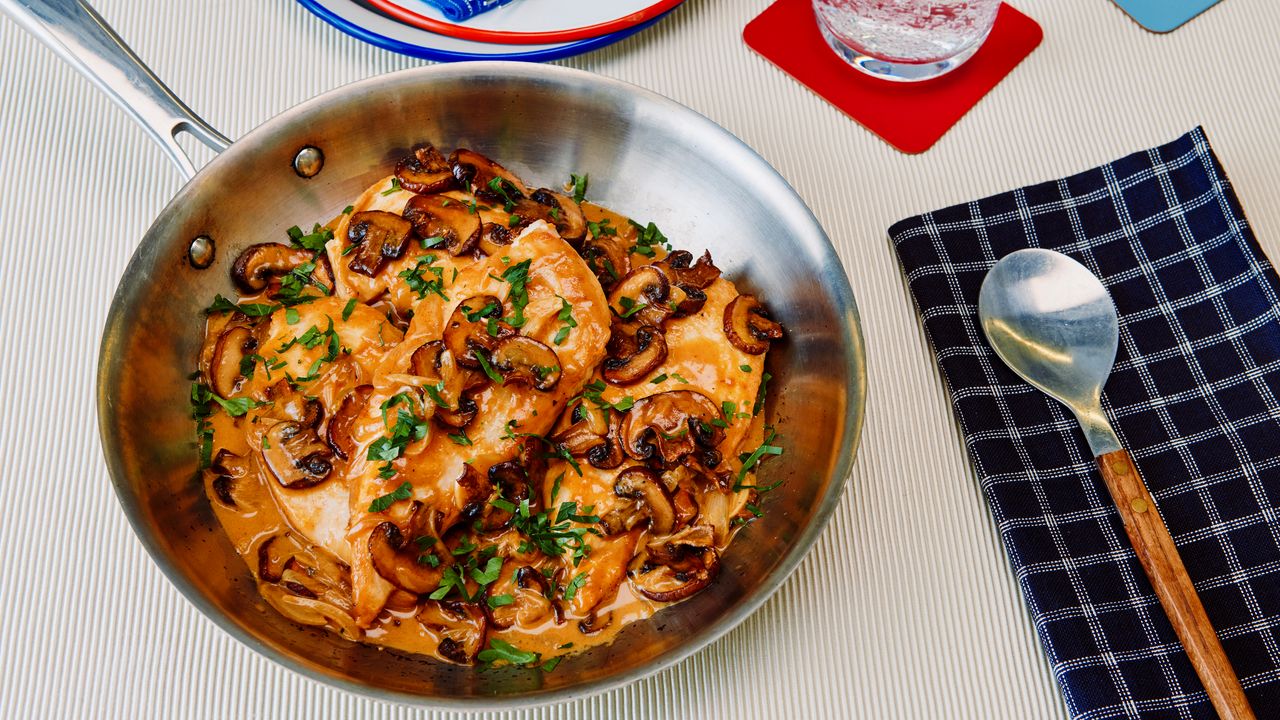
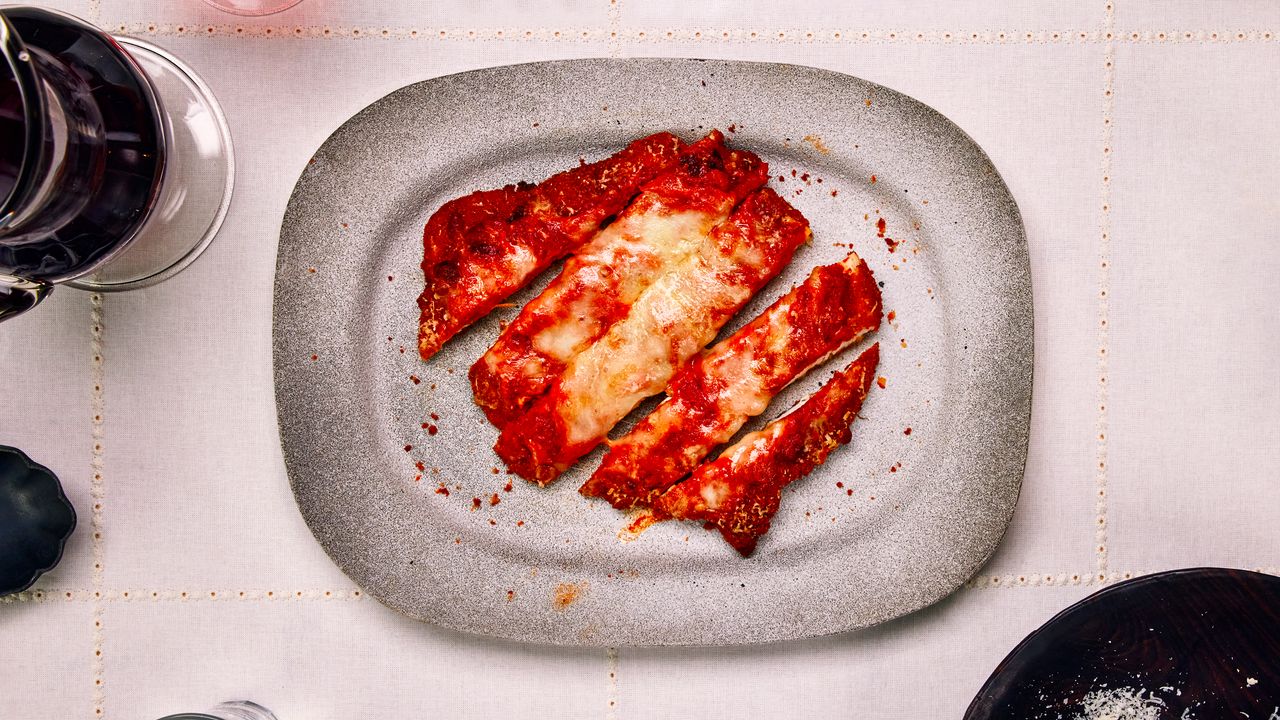
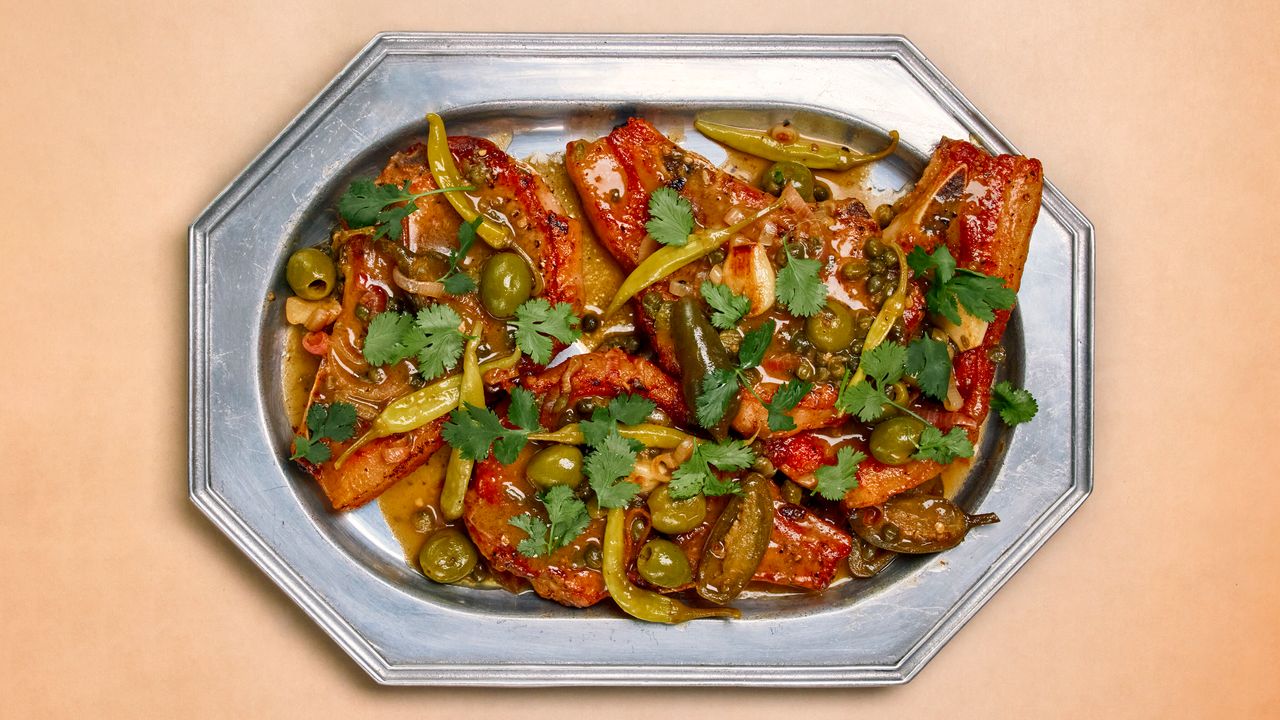

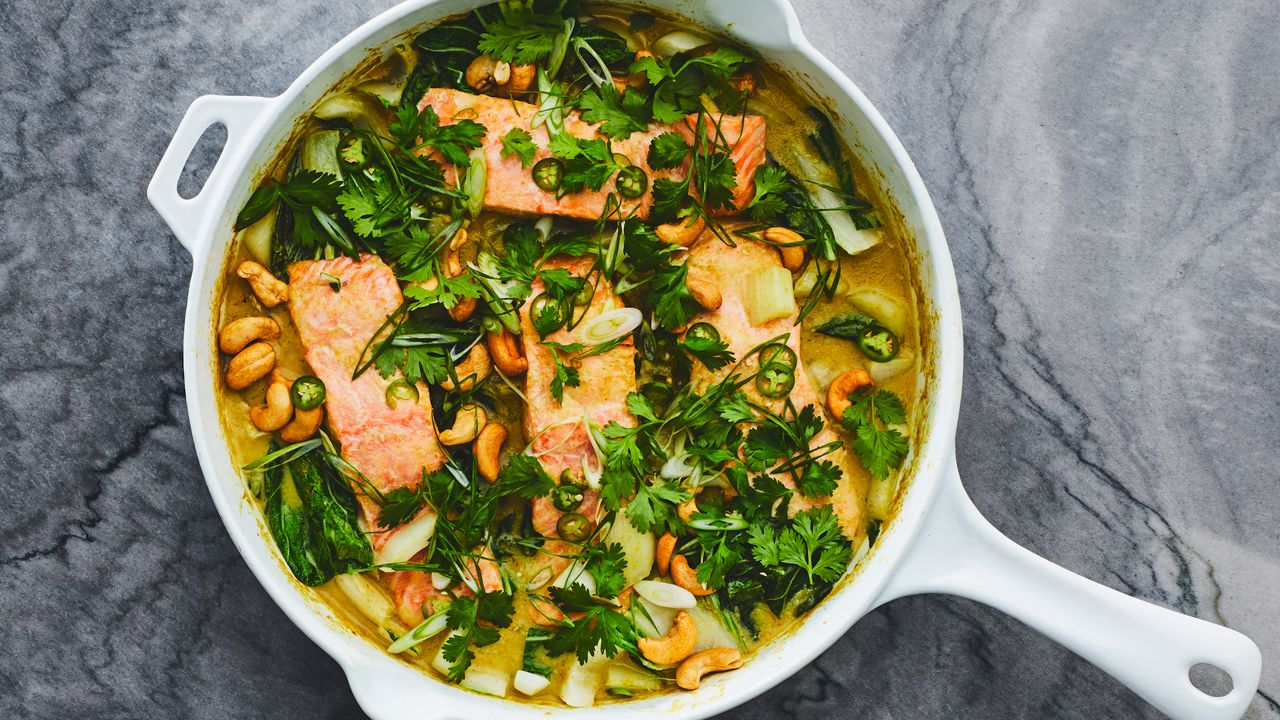
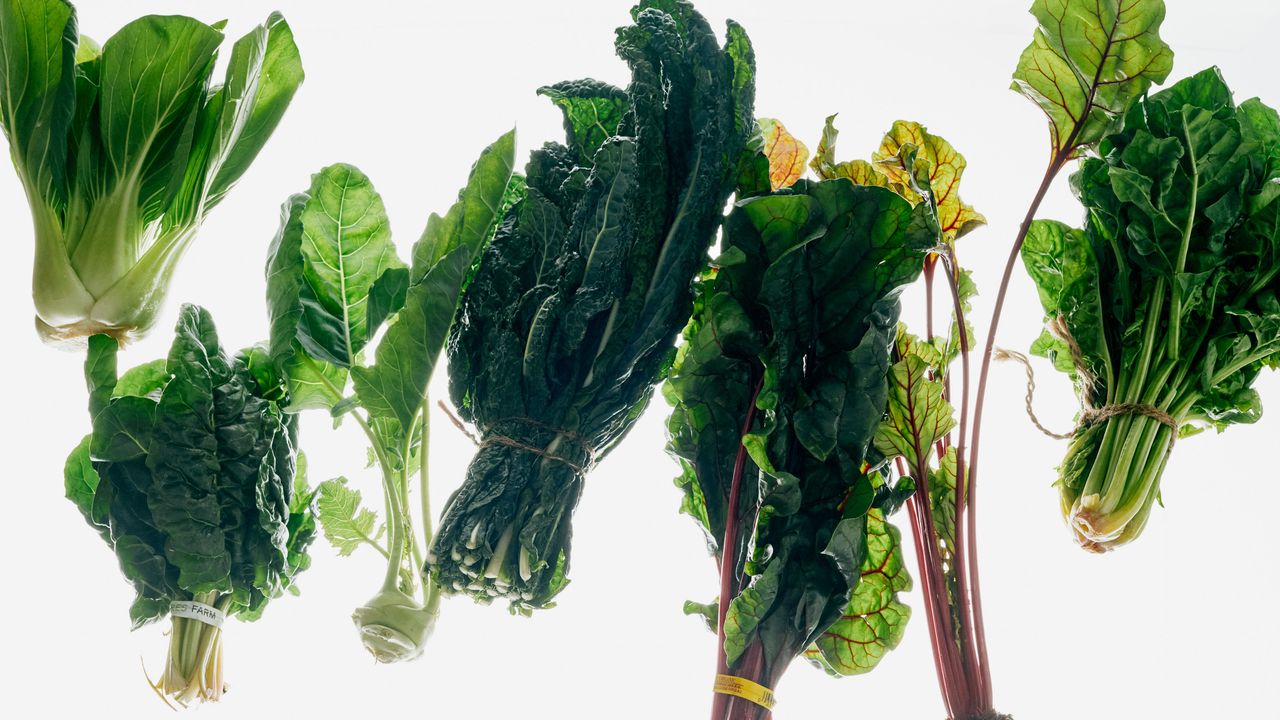

In the past few decades, the types of greens available at American supermarkets and farmers markets have proliferated. Where there was once simply spinach and collards, there’s now peppery arugula, Swiss chard with rainbow-hued ribs, and crunchy bok choy. While many of the leafy vegetables on this list can be eaten raw, most really shine when cooked.
When in doubt, sauté hearty greens with olive oil and garlic and finish with lemon. You can also fold them into Turkish gozleme, braise them, or plunge them into steaming bowls of a Yunnan-inspired rice noodle dish. For something simple, purée them for green soups and smoothies.
How to shop for greens
When buying greens, look for leaves that aren’t torn, brown, or slimy, but don’t worry if they are a bit dirty with mud or sand—that’s typical of certain greens and can easily be removed with a good rinse. If your greens are wet or damp from a sprinkler at a grocery store, wrap them in a paper towel to absorb the moisture. Greens like these are best stored in a plastic bag in the crisper drawer. Keep in mind that their shelf life varies. Shelf life varies by type, with heartier greens like collards and kale lasting longer than more delicate greens like arugula. If your greens are starting to go and you don’t plan to use them in the next day or two, blanch them and transfer them to the freezer for another day.
How do I choose (and swap between) different types of greens?
Think about how you plan to cook. If you want greens that can handle longer cooking times, reach for collards, kale, or chard. For quick sautés or salads, spinach, arugula, or mizuna are better choices.
Break out of your romaine rut and explore the wide world of salad greens.
Arrow
Which greens are the most nutritious?
Most leafy greens are nutrient-dense, but some stand out for particular vitamins and minerals. Kale, collard greens, mustard greens, and Swiss chard are especially high in vitamins A, C, and K, while spinach is rich in iron and folate. Dandelion greens and beet greens also pack a nutritional punch, offering high levels of antioxidants and minerals. That said, there’s no single “best” green—enjoying a variety of them matters more than choosing one over another.
Which greens are best when cooked?
Heartier greens like collards, kale, mustard greens, broccoli rabe, and chard benefit most from cooking, which softens their texture and tames bitterness. These types of greens hold their structure well when sautéed, braised, or added to soups and stews. More delicate greens—like mizuna, arugula, and sorrel—can be cooked briefly but are often best enjoyed raw or lightly wilted.
Can all leafy greens be eaten raw?
Nearly all of the greens on this list can be eaten raw, but that doesn’t mean they always should be. Tender greens like spinach, arugula, mizuna, and sorrel work well in salads, while bitter or fibrous greens—such as collards, mustard greens, and broccoli rabe—are generally more enjoyable once cooked. Preparation makes a big difference: massaging, slicing thinly, or blanching can make many greens more palatable raw.
Types of greens

Arugula leaves
Photo by Travis Rainey, Food styling by Rebecca Jurkevich
Comments (0)