
Remember me


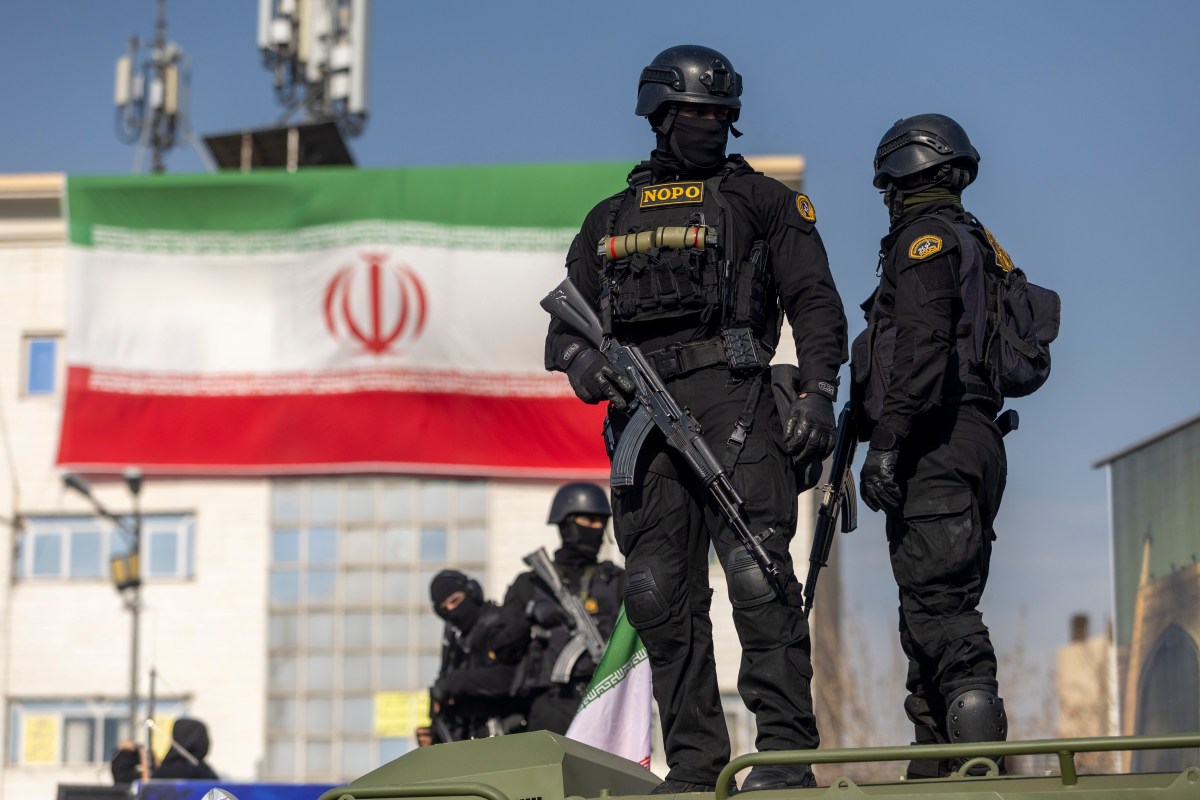
A former U.K. lawmaker has said the Iranian regime may have used "toxic chemical substances" to clamp down on the protests that have swept the country in recent weeks.
Speaking to British broadcaster GB News on Saturday morning, former Member of Parliament Bill Rammell said he had seen a "credible report" detailing severe mistreatment of detainees amid the ongoing demonstrations.
"People believe some kind of toxic chemical substance has been used against protestors," Rammell read from the report, "causing some of the injured to lose their lives days later."
Newsweek has contacted Iran’s Ministry of Foreign Affairs via email for comment.
Why It MattersRammell noted that the report’s findings were not yet confirmed, but said that if true, these would represent an "extraordinary" escalation in Tehran’s tactics against its own citizens.
Any such violation of the Chemical Weapons Convention, to which Iran is a signatory, would incur significant legal, reputational and political consequences for the regime. These include the possibility of sanctions or other diplomatic ramifications against the already isolated nation, while raising further questions about the West’s "red line" when it comes to Tehran’s treatment of protestors.
What To KnowClaims regarding chemical weapons use by any nation are treated with particular caution given the potential fallout from verified cases.
In the case of the 2022 protests—sparked by the death in custody of the 22‑year‑old Kurdish-Iranian Mahsa Amini—protestors said security forces were using prohibited nerve agents to quell demonstrations, though others said these were more likely tear gases or other compounds which are not internationally banned despite the serious health risks they pose.
There has been no verified usage of prohibited chemical agents in the protests that erupted in December, which were ignited by economic grievances but have evolved into a broader opposition to the country’s religious leadership.
The hundreds of demonstrations appear to represent the biggest challenge to Iran's clerical regime since the Islamic Revolution of 1979 that swept them to power.
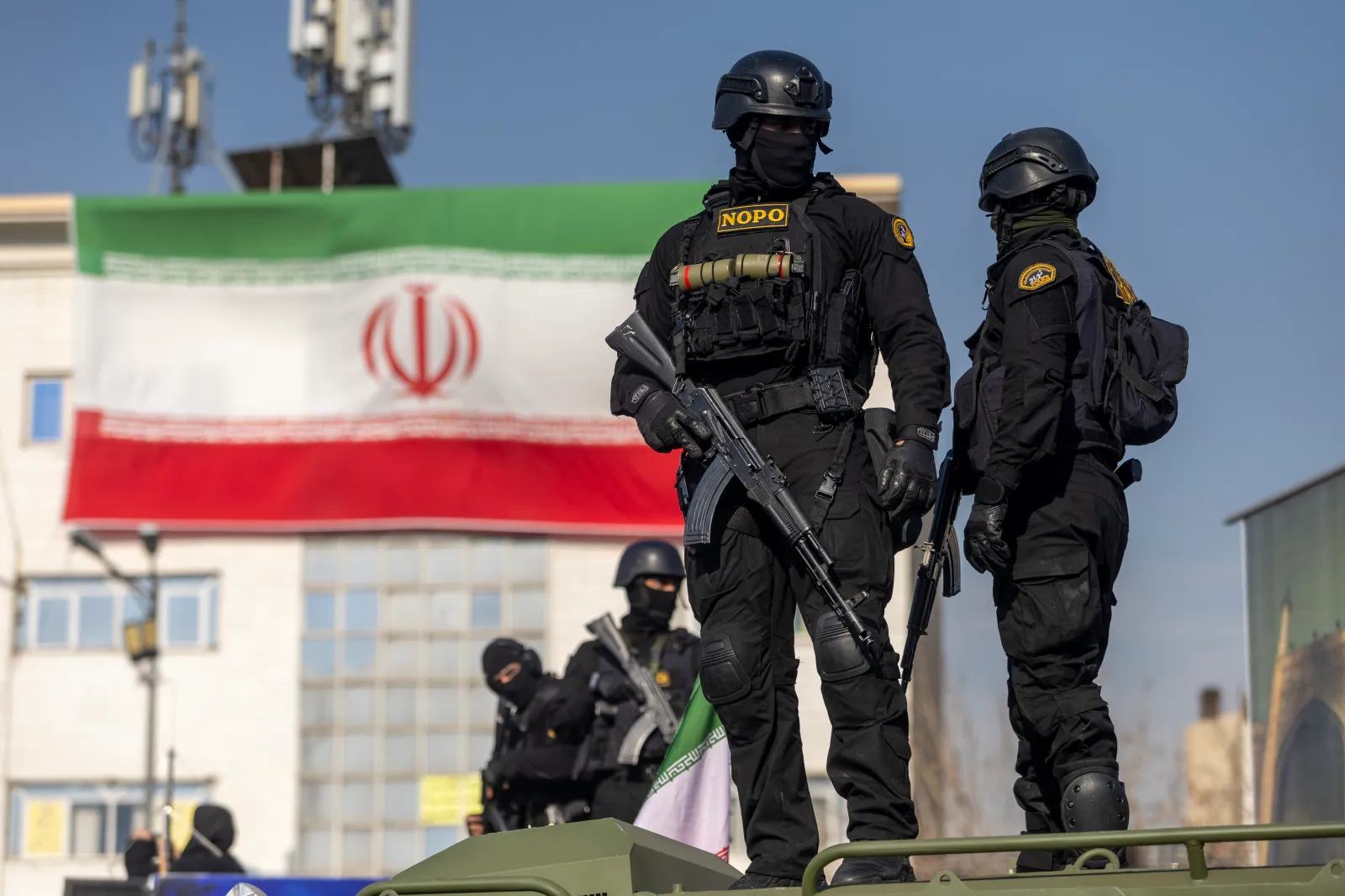
But Tehran has drawn on nearly every other available tactic to suppress these protests, including mass detentions, the use of lethal force by police and the Islamic Revolutionary Guard Corps, and internet blackouts to both stimy the spread of demonstrations and conceal the scale of its actions.
Estimates vary, but the U.S.-based Human Rights Activists News Agency (HRANA) said on Friday it had confirmed the death of 3,090 Iranians—with 3,882 cases under review—including 2,885 protesters, 165 government-affiliated individuals, and 21 non-protesting civilians.
What People Are SayingFormer Labour MP Bill Rammell, speaking to GB News on Saturday, said: "There’s a history in this part of the region—if you look at Saddam Hussein, who used gases against 5,000 people in Halabja, and murdered them brutally—I fear this has got real echoes of that."
Lama Fakih, program director at Human Rights Watch, wrote on Friday: "The mass killings by Iranian security forces since January 8 are unprecedented in the country and a stark reminder that rulers who massacre their own people will keep committing atrocities until they are held to account. United Nations member states should urgently convene a special UN Human Rights Council session to put human rights and accountability in Iran front and center of the international response."
What Happens NextThe Institute for the Study of War, in an update on Friday, said the regime will "likely tighten security around possible upcoming protest dates due to its fears of renewed unrest," but added that a prolonged clampdown "would likely severely strain Iran’s economy and could risk exhausting security forces."