
Remember me

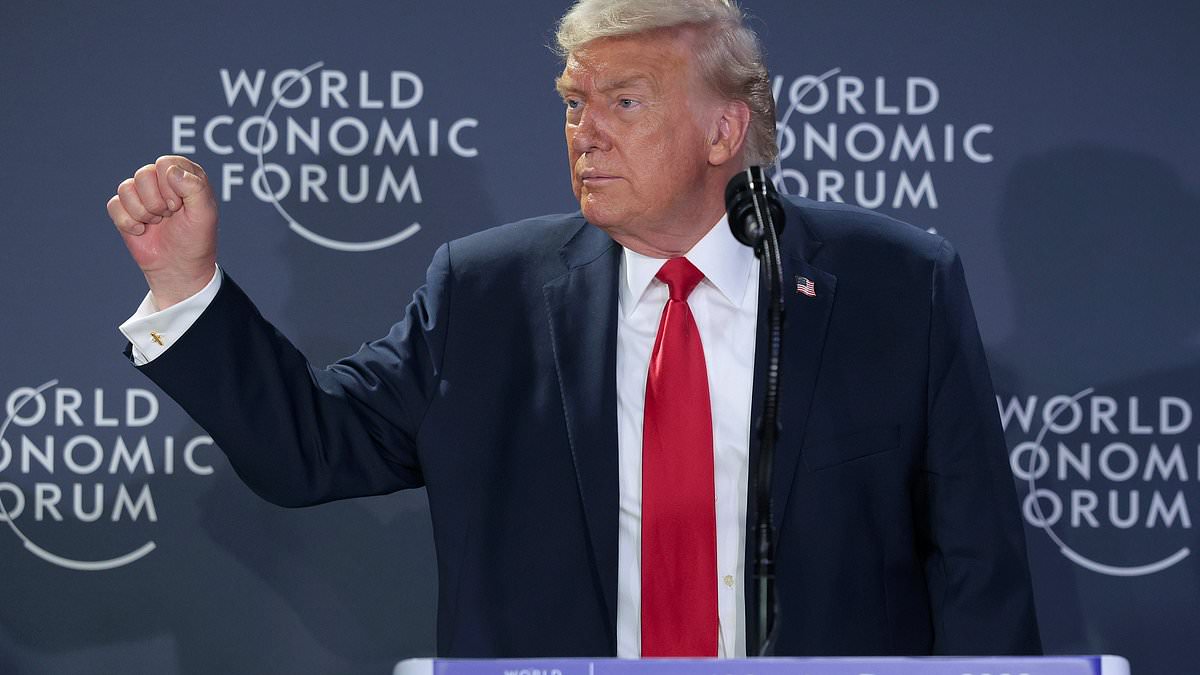




Call it the Monroe Doctrine, the Donroe Doctrine or what you will, but the lessons of Trump’s strike against Venezuela and his kidnapping of its autocratic president Nicolas Maduro are clear enough.
That you’d better take Donald Trump seriously when he talks about controlling the Western hemisphere, including Greenland, for example.
That American interests are more important than any supposed international laws or conventions. And that hydrocarbons still matter now - and will do well into the future.
Never mind that the global oil market is well supplied right now.

Trump believes that oil is for the long term, whatever European capitals say

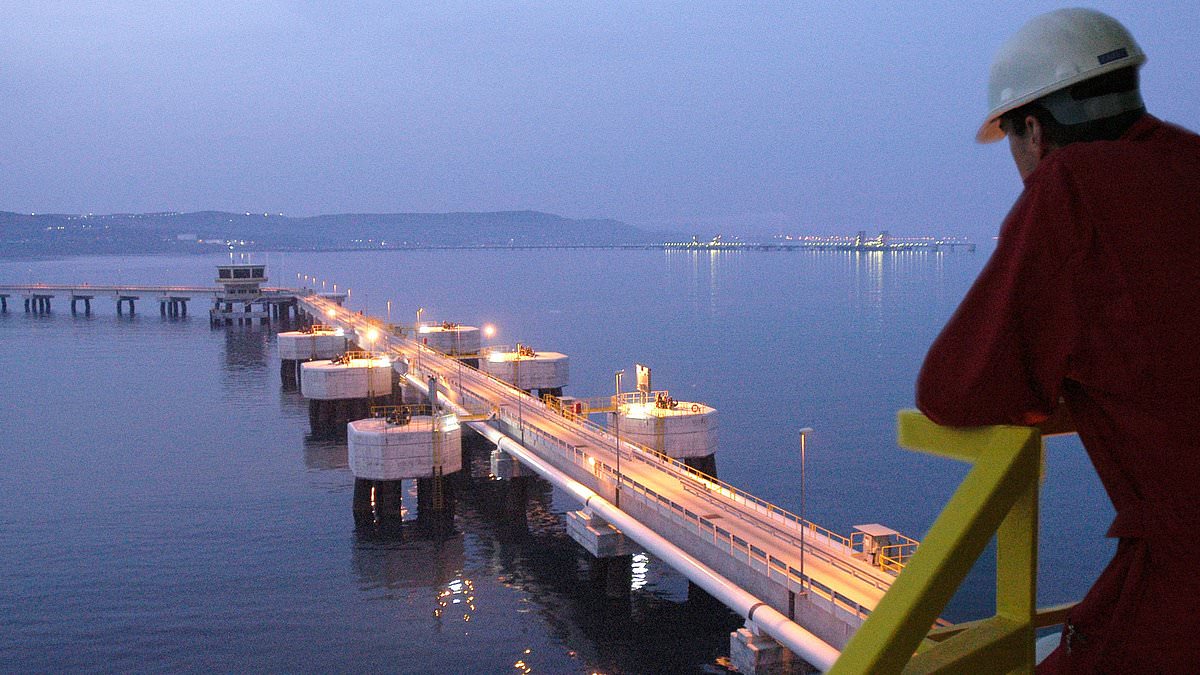
The Ceyhan crude oil terminal near Turkey's southern coastal city of Adana
Ignore, for a moment, that the US is already a hydrocarbon giant thanks to fracking.
And the fact that Venezuela’s neglected, rusting oil infrastructure will take years and billions of dollars of investment to come back on stream with the sort of capacity that Trump and his advisers seem to have in mind.
That, in a way, is the point.
Oil is for the long term, whatever European capitals and their deep-Green commissariats like to say. Venezuela has the biggest proven reserves in the world and America wants a piece of the action in the decades to come.
Let’s look at a few basic facts and figures.
It is estimated that oil, coal and gas supplied 76.4 per cent of the world's primary energy in 2024. Hydrocarbon-based electricity generation did not diminish - it continued to grow.
Renewable solar and wind power meanwhile, provided only six per cent of the world's energy in 2024/
Between 2023 and 2024 the world added more energy from gas-powered generation than it did from solar power and more from coal than from wind power.
The world has increased its use of hydrocarbons by 50 per cent in 25 years and reduced our dependence on them by less than one per cent.
However important renewables and nuclear might eventually prove to be , the foreseeable future includes plenty of oil, gas and coal – all of which, by the way, are useful for manufacturing key elements of Green technology such as turbine blades and solar panels.
For all the talk of a transition to renewables, European nations, and Germany in particular, had been relying on Russian gas for energy – a politically disastrous policy, as we now see, which was driven in part by the cock-eyed Greens and their refusal to countenance nuclear power.
With Russia largely, although not completely out of the equation, Western Europe is now heavily dependent on imports of expensive Liquefied Natural Gas from Norway, the US, Algeria, Qatar.
Yet oil is already available from the Mediterranean and the near east – and can be pumped directly into the economies of Western Europe largely through the existing network of pipelines
But for this to happen, Europe needs a change of heart. First it must accept that the Green ‘transition’ cannot possibly take place overnight and certainly not within the absurd Net Zero timetable set by successive British governments.
Hydrocarbons will be an important part of the mix for a long while yet.
Second, the European capitals will need to accept there is a new world order. Caught between the demands of the US and Russia, they should accept there are alternatives which will give them more autonomy - but that this will require diplomacy.
In particular, they should look south to the Mediterranean and east to Turkey, the Caspian, the Black Sea and beyond, where things are changing rapidly.

The Mediterranean basin could be a game-changer when it comes to energy supply
An expansionist Turkey under Erdogan is already exploring for gas and oil in the eastern Med – Europe’s backyard. Despite the historical claims of Greece, the fact is that these waters lie directly off the Turkish coast.
Energy provides a compelling reality that outdated international agreements do not - I’m in no doubt that other nations will soon step up their own exploration in the region.
Significant reserves of gas have already been found off the coasts of Egypt, Israel and Cyprus. Lebanon and Syria are showing interest, too.
Turkey, meanwhile, has found massive gas reserves in the Black Sea and is exploring for oil and gas in Kazakhstan, Libya and Somalia.
The Mediterranean basin could be a game-changer when it comes to energy supply.
And while Western capitals remain fixated with Green dogma, the rest of the world is working to keep the lights on.