
Remember me

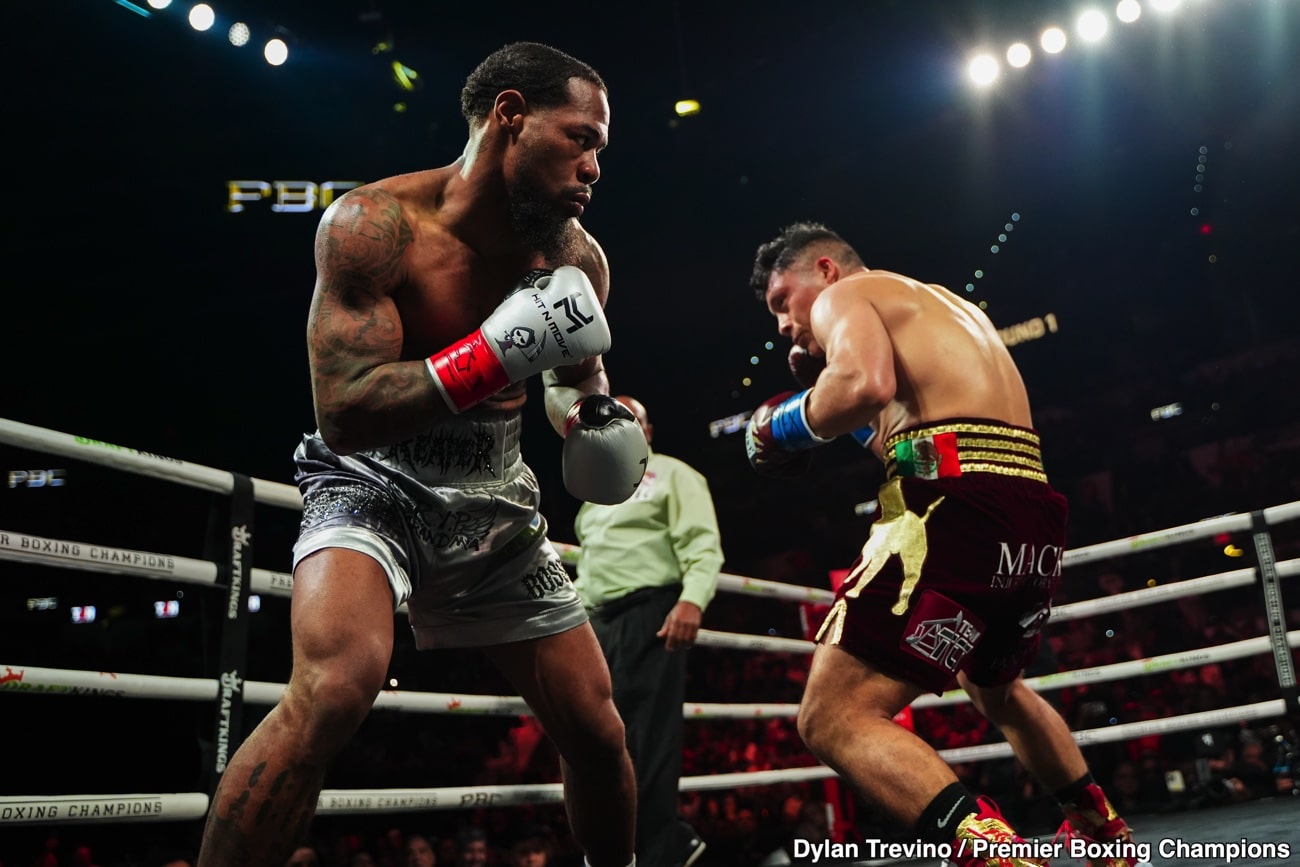


After the Martinez fight, Mbilli spent time away from the gym before returning to Canada. Training has resumed, and the focus is on securing a date. At 168 pounds, inactivity erodes position fast.
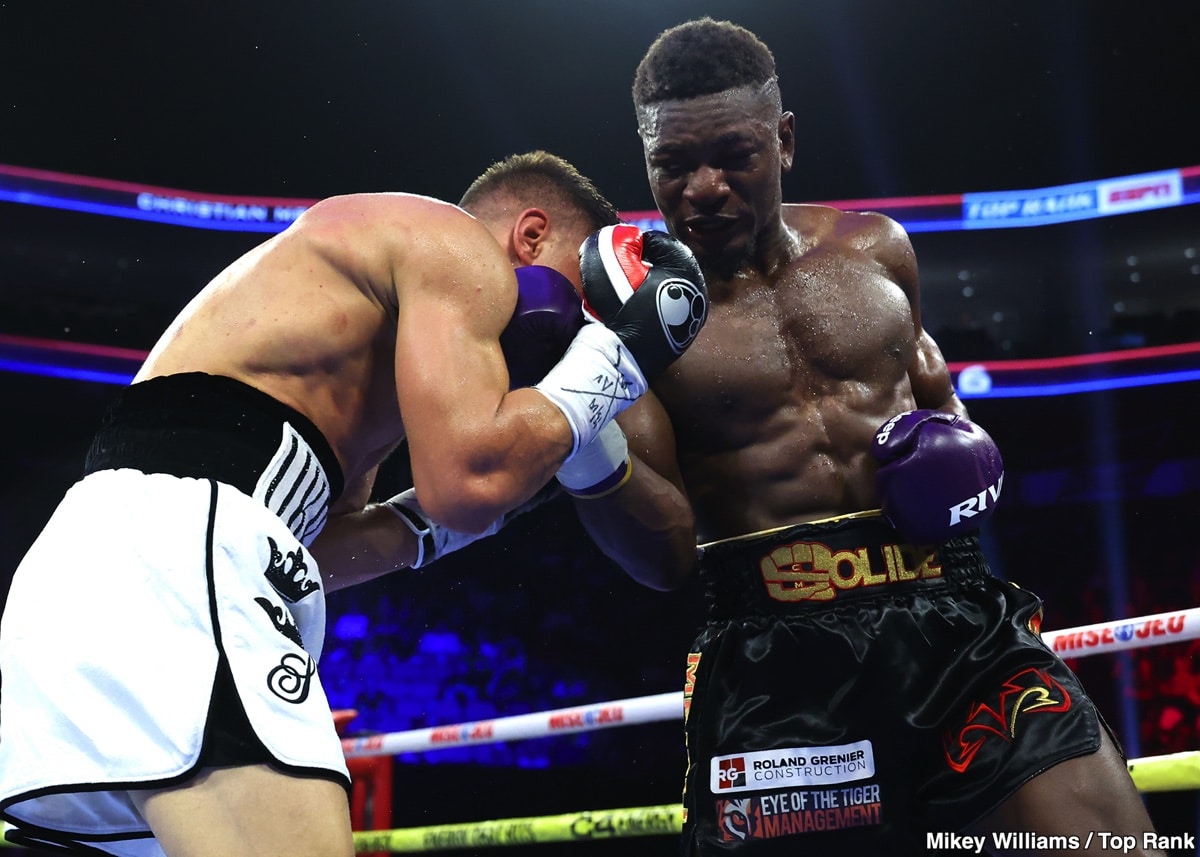
What the Martinez draw changedThe Martinez fight forced Mbilli into extended rounds without control. Martinez held ground, disrupted rhythm, and limited clean follow-ups. Mbilli kept the interim WBC belt, but the fight exposed areas that need work over longer stretches.
The stage helped. The undercard placement brought wider attention. Mbilli left without a win, yet with more visibility inside the division than before.
The division remains unresolvedSuper middleweight remains unsettled following Terence Crawford’s retirement last month. Mandatory obligations are unclear, and title alignment remains unresolved across sanctioning bodies.
Mbilli is among several fighters awaiting direction from the WBC. Discussions have included potential options, including Hamzah Sheeraz, though no opponent or date has been approved. Any movement depends on sanctioning clearance, opponent readiness, and broadcast availability.
That delay increases the value of activity. Staying active keeps leverage.
Why spring timing mattersMbilli has expressed interest in returning before May. March or April allows a full camp without extended downtime following a draw that still requires context.
At 29, Mbilli remains one of the division’s leading pressure fighters. His style relies on forward momentum, combination punching, and sustained pace. Long layoffs dull those tools.
A spring fight would not resolve title questions, yet it would preserve relevance and sharpen timing. Interim belts lose weight without use.
Mbilli’s path forward hinges less on talk and more on rounds. The goal remains unchanged. Convert interim status into a full WBC title opportunity. The schedule now depends on how quickly the division untangles.