
Remember me





At the 2001 general election, Arthur Scargill, the man who led the National Union of Mineworkers during its defining confrontation with Margaret Thatcher, stood against Peter Mandelson in Hartlepool. The seat must have seemed a promising one: Mandelson had by that time been forced to resign twice from Tony Blair’s cabinet. But the result was humiliation: Scargill’s Socialist Labour Party won just 912 votes (2.4 per cent) to Mandelson’s 22,506 (59.1 per cent).
It was such outcomes that encouraged the belief that the left had nowhere else to go. The exceptions to this rule – Ken Livingstone in London, George Galloway in Bethnal Green and Bow, Caroline Lucas in Brighton – were too rare to disprove it. No left force came close to emulating Ukip’s success on the right.
Yet in Zack Polanski’s Greens, rather than the irredeemably sectarian Your Party, a genuine challenger has emerged. The received wisdom used to be that the Greens, like their German counterpart, would have to move to the centre to prosper. But under the “eco-populist” Polanski they now average 14 per cent in the polls, surpassing the Lib Dems and sometimes rivalling Labour. “We are here to replace you,” Polanski warned Keir Starmer in his first speech as leader. What he needs now is a result that vindicates this boast.

New year, new read. Save 40% off an annual subscription this January.
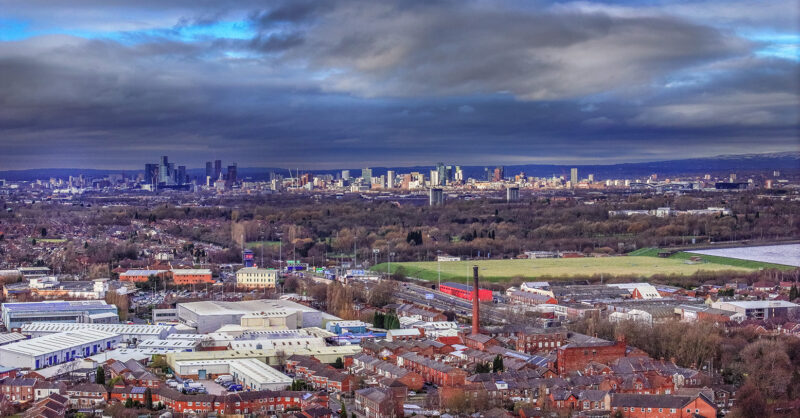
The Gorton and Denton by-election represents the Greens’ best chance yet. Inspired by Plaid Cymru’s victory in Caerphilly last October, they are positioning themselves as the leading alternative to Reform (a projection by Electoral Calculus puts the Greens on 24.6 per cent to Labour’s 23.9 per cent). It’s a threat being taken seriously in Labour circles. In yesterday’s Morning Call a senior insider described a Green victory to me as an “existential risk”. For evidence of why, see the graph below.
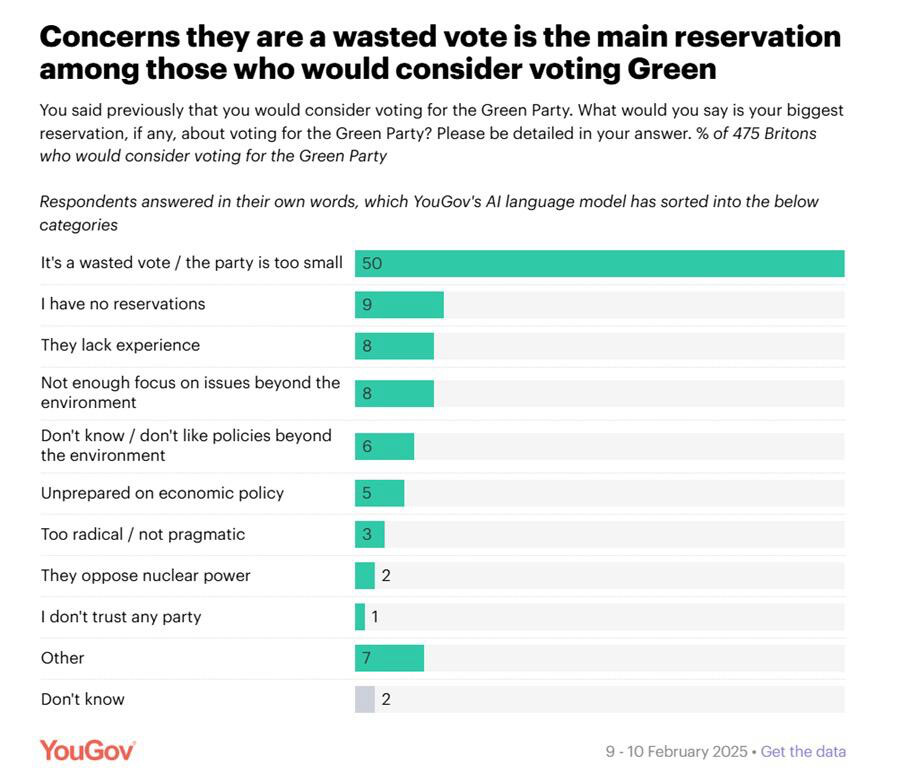
A year ago, YouGov found that of the 21 per cent of voters who would consider backing the Greens – that number will have risen since – few have ideological objections to the party. Instead their primary concern is that their vote would be wasted. Yet if the Greens can prove that they are capable of beating Reform, such misgivings begin to fade. A party that is currently in second place in 39 Labour seats could – like the SNP in Scotland and Plaid Cymru in Wales – advertise itself as the leading progressive choice.
For a preview of Labour’s potential fate, just look to the Conservatives and Reform. In a volatile, fragmented age, insurgent parties can rise with remarkable speed. No longer can the Tories complain that Nigel Farage is splitting “their vote” – instead Reform can throw this charge back at them.
The Gorton and Denton by-election will be remembered as the moment that Andy Burnham’s advance on Westminster was thwarted. But if the Greens win the seat, or even finish a strong second, it could yet pave the way for something bigger – a realignment of left politics.
This piece first appeared in the Morning Call newsletter; receive it every morning by subscribing on Substack here
[Further reading: Labour was right to block Andy Burnham]
Content from our partnersRelated

Comments (0)