Separation anxiety is a major issue that is impacting dog owners in Ireland and beyond. According to K9 Security Ireland, studies show that 40% of pooches exhibit signs of stress when they are apart from their humans.
Dogs Trust data suggests that around half of Irish households have dogs, which shows that thousands of owners are likely dealing with separation anxiety at the moment.
Thankfully though, there are ways to lessen the impacts of the psychological problem. Vet Amir Anwary is among the experts the share their advice.
On TikTok, he said: "Separation anxiety is such a huge problem dogs these days suffer with! But you guys can definitely help them by implementing these steps. If this doesn't help you may need to consult a behaviourist."
1. Stop making a big deal of coming and going
Firstly, Amir warned against a common mistake that many dog owners make. He urges people to stop being overly enthusiastic with their hellos and goodbyes.
The vet recommended: "Stay calm when you leave home and when you return. When you leave home, you go and make it a big scene and when you return home you make it an even bigger scene.
"You are creating heightened emotions around you leaving home which makes the separation anxiety worse because it's so emotional."
Instead, he proposes ignoring your dog for 10 minutes prior to departing and when arriving home. You may think this is "cruel", but it could actually help to keep your pets calm.
2. Keep them entertained
Another top tip is to keep your pets entertained when you are gone, which could be with a treat or puzzle to maintain their mental stimulation.
For safety purposes, avoid toys with small parts that could be swallowed. You should also test these for durability before leaving your dog alone with them.
If your dog is likely to destroy toys or create a choking hazard, do not fret. There are other ways to keep them entertained, such as implementing treat-dispensing cameras.
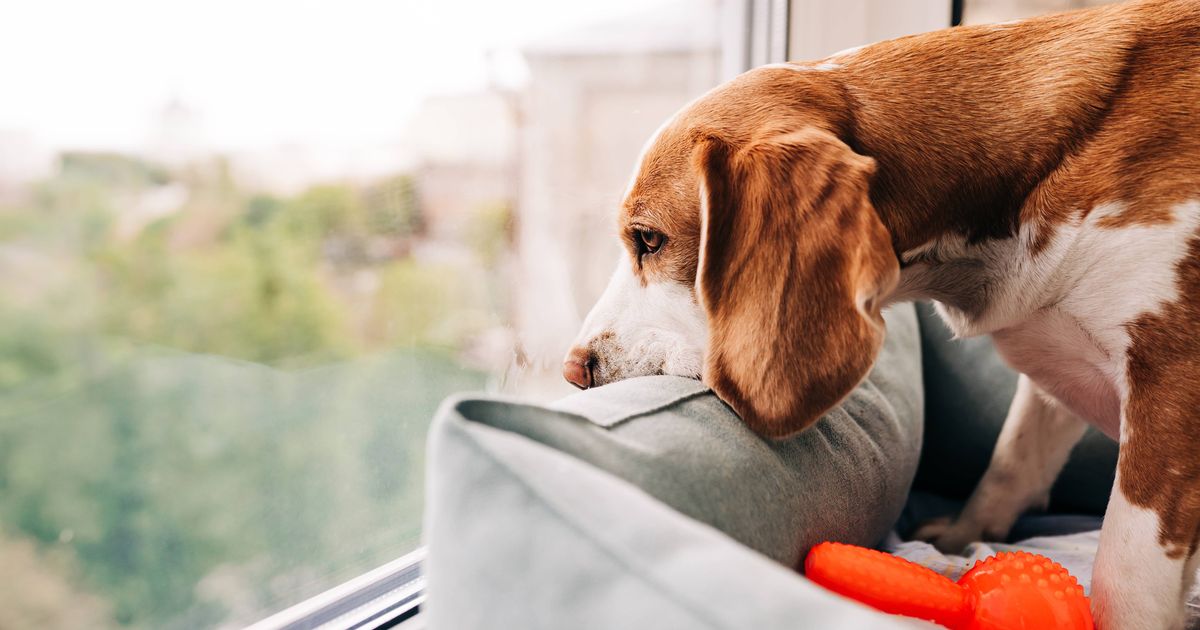
When it is safe to do so, allow your dog access to a window or glass door so they can watch the outside world.
Alternatively, leave a TV or radio on low volume. Some dogs find comfort in familiar sounds or dog-specific TV channels.
3. Take it slow
For those whose pets struggle to be left alone whatsoever, Amir recommends gradually extending the time away. Start slow, beginning with just minutes at a time.
He explained: "This is the hardest one because this is the one that requires the most consistency. When you leave home, start with going away for five minutes and monitor their response."
Amir then advised to gradually step up the time, warning against immediate long absences. He said: "If they're fine with it, go to 10 minutes and monitor their response.
"Stop leaving them alone for two hours at a time. Of course their separation anxiety is not going to get any better, you're going to make it a lot worse."
If these tips do not work, consult a dog behaviourist or vet for additional advice. Every pet is different, so bespoke guidance is likely to work much better.








Comments (0)