
Remember me



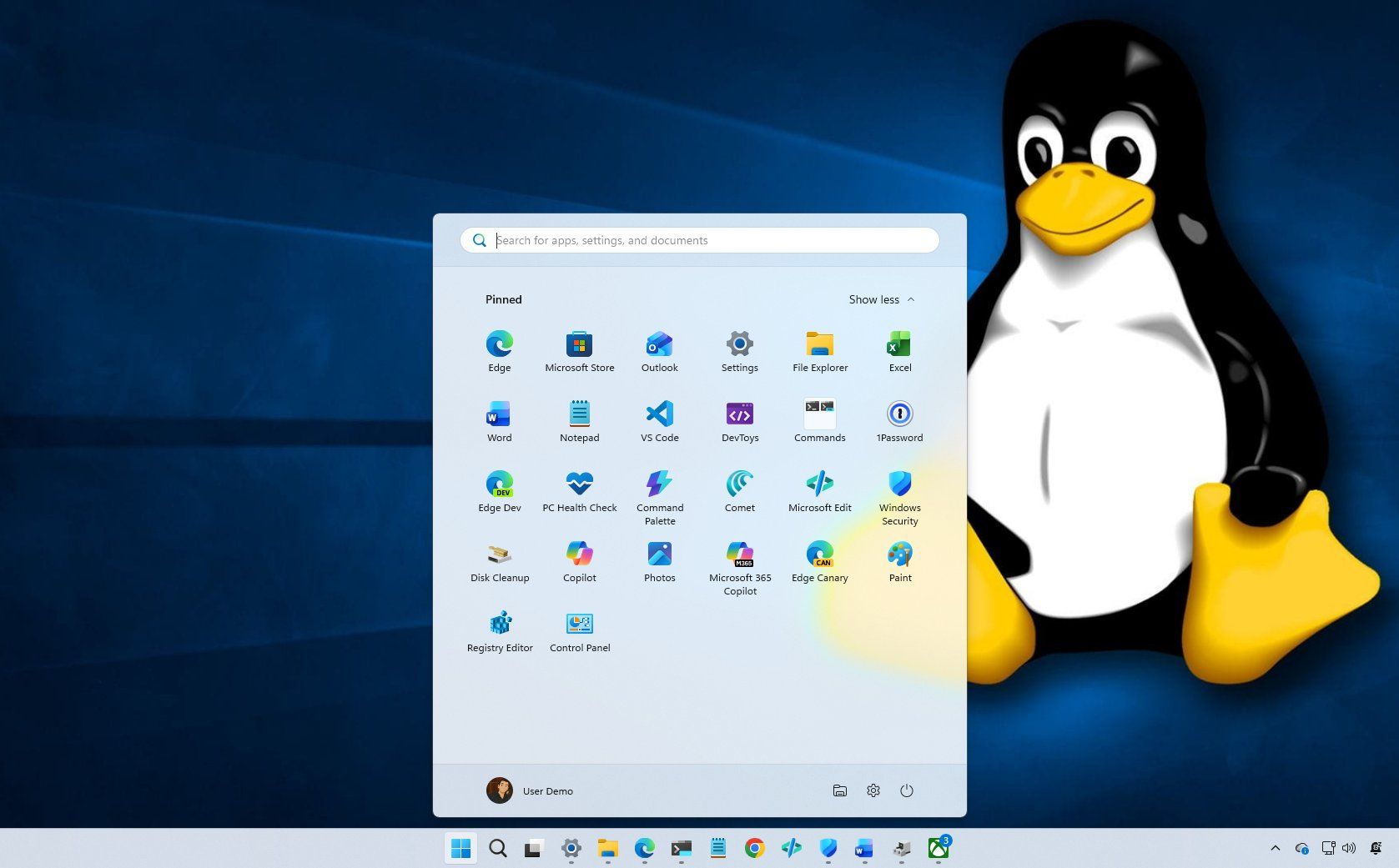

Although Windows 11 is my preferred desktop operating system, it's impossible to ignore that Linux is capable, flexible, and essential across many computing areas. It dominates servers, development environments, and specialized workloads.
However, on the desktop, especially for everyday users, professionals, and power users switching back and forth on mixed workloads, Windows 11 continues to offer clear advantages that Linux supporters often downplay.
You may like Why one Linux power user abandoned 8 years of distros for Windows 11
 I dual-booted Windows and Linux in 2025 — Microsoft is in no danger
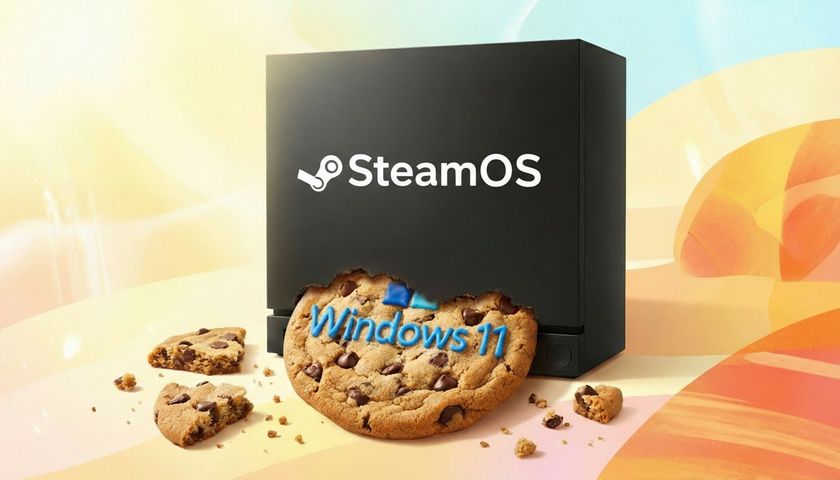 SteamOS is slowly winning over gamers for these four reasons
Reasons for Windows 11 being better than Linux
SteamOS is slowly winning over gamers for these four reasons
Reasons for Windows 11 being better than LinuxThese are the four reasons Windows 11 remains the more practical choice for most people.
1. Compatibility
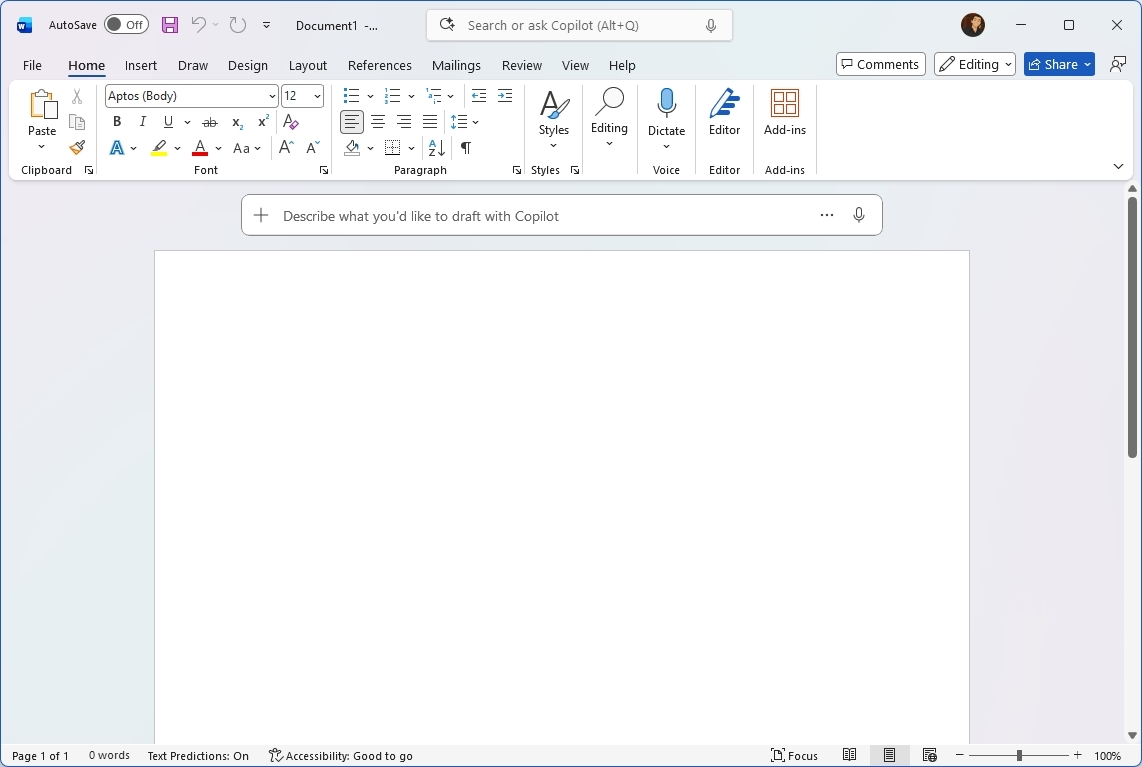
The largest gap between Windows 11 and Linux remains app compatibility. Windows 11 runs the software people actually rely on every day, natively and with full developer support. For example, Adobe Photoshop and the broader Creative Cloud suite, Microsoft 365 (Office) desktop apps, Teams, AutoCAD, proprietary enterprise tools, legacy business programs, and others that were never designed with Linux in mind.
On Linux, the conversation is very different. The solution is often Wine, Proton, dual-booting, virtual machines, or being told to use an alternative. While these tools are impressive from a technical standpoint, they introduce additional layers of complexity. Updates can break compatibility overnight, performance may vary, and official support is almost always nonexistent. That's not flexibility. That's friction.
2. Hardware support
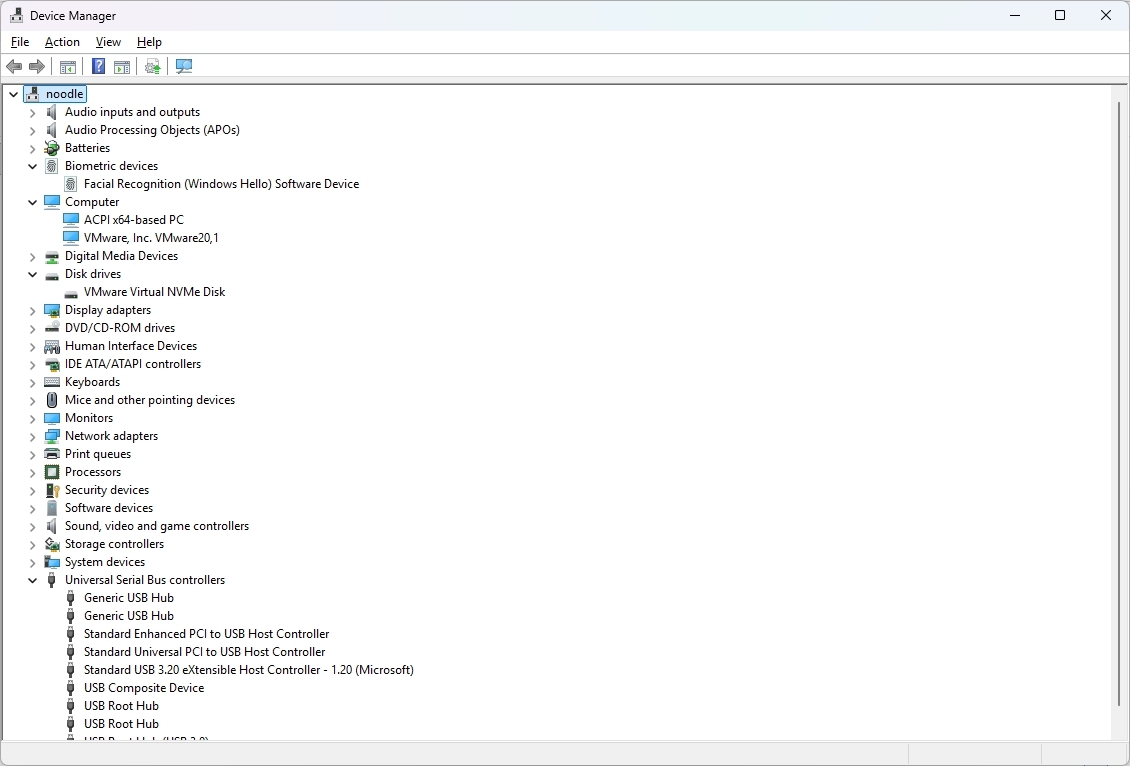
If you get new hardware, such as a webcam, fingerprint reader, or printer, Windows 11 almost always recognizes it instantly. Almost all drivers are delivered automatically through Windows Update with support for virtually every feature.
For most users, this delivers a seamless experience that removes hours of troubleshooting and ensures new hardware integrates with the operating system and apps.
On Linux, the situation is far less predictable. Hardware support depends on the combination of vendor cooperation, kernel version, and the specific distribution.
Although many devices work perfectly, particularly standard components, support for the latest laptops, proprietary graphics, certain Wi-Fi or Bluetooth chips, and specialty peripherals may require manual driver installation or may not work at all.
You may like
Why one Linux power user abandoned 8 years of distros for Windows 11
I dual-booted Windows and Linux in 2025 — Microsoft is in no danger
SteamOS is slowly winning over gamers for these four reasons
Also, features like fingerprint readers, haptic touchpads, or docking stations often need tinkering or community scripts to function. Regular users generally don't want to research chipsets, compile drivers, or check distro compatibility before buying a mouse or printer.
For professionals, creatives, and gamers, this unpredictability can be a major source of friction, making Windows 11 the safer choice for hassle-free hardware integration.
3. Gaming
Proton and other Linux compatibility layers are impressive. They have brought many Windows games to Linux, and for some titles, performance is surprisingly close to native.
However, the reality is that the vast majority of games are still developed and optimized for Windows 11 first. Native support matters. Anti-cheat systems such as Easy Anti-Cheat and BattlEye often break or are unsupported on Linux, making multiplayer gaming unreliable.
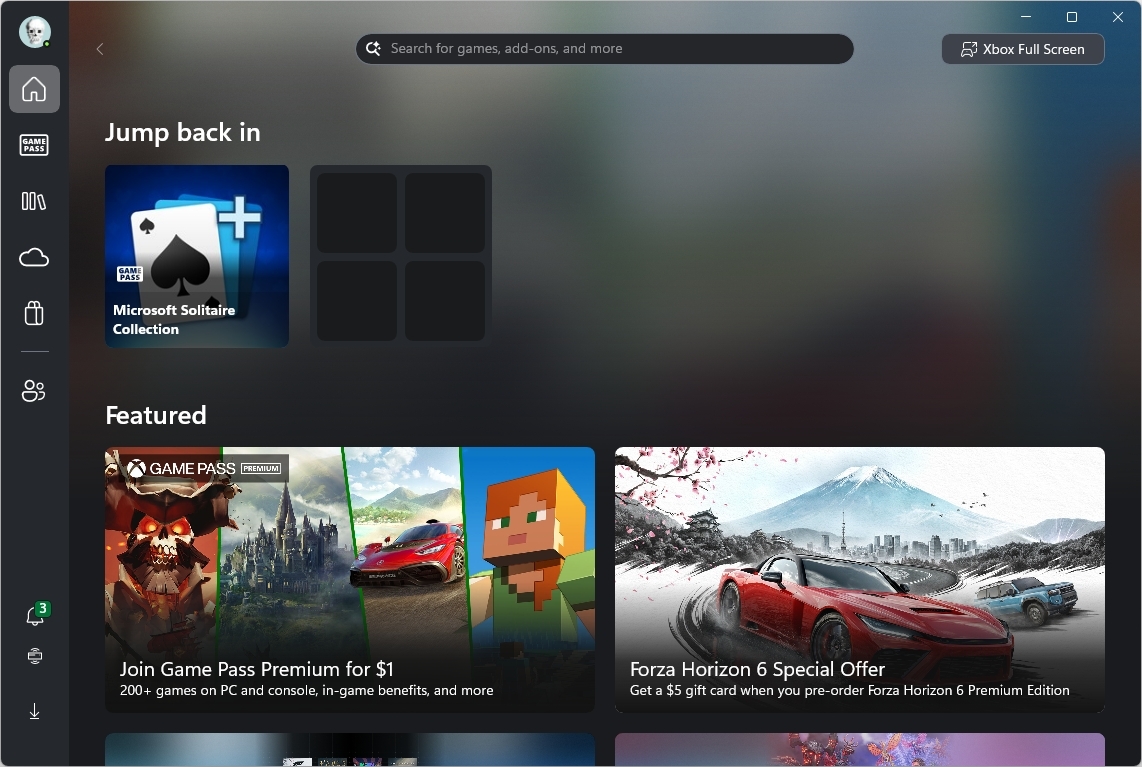
Windows 11 also offers full integration with Game Pass, launch-day releases, and popular storefronts like Steam and Epic Games Store, all running without workarounds.
Also, features like DirectX 12 Ultimate, ray tracing, Variable Refresh Rate (VRR), HDR, DLSS, and other GPU-accelerated enhancements are fully supported and fine-tuned on Windows 11. On Linux, these often run through translation layers like Proton or Wine, which can limit performance, introduce instability, or reduce feature compatibility.
Mods, community content, and third-party tools also favor Microsoft's operating system. Even when a game runs on Linux, updates can introduce bugs, and troubleshooting often requires command-line fixes or waiting for community patches. For VR, flight simulators, and competitive eSports, Windows 11 is the platform developers actually target, making it the clear choice for gamers.
4. Less friction
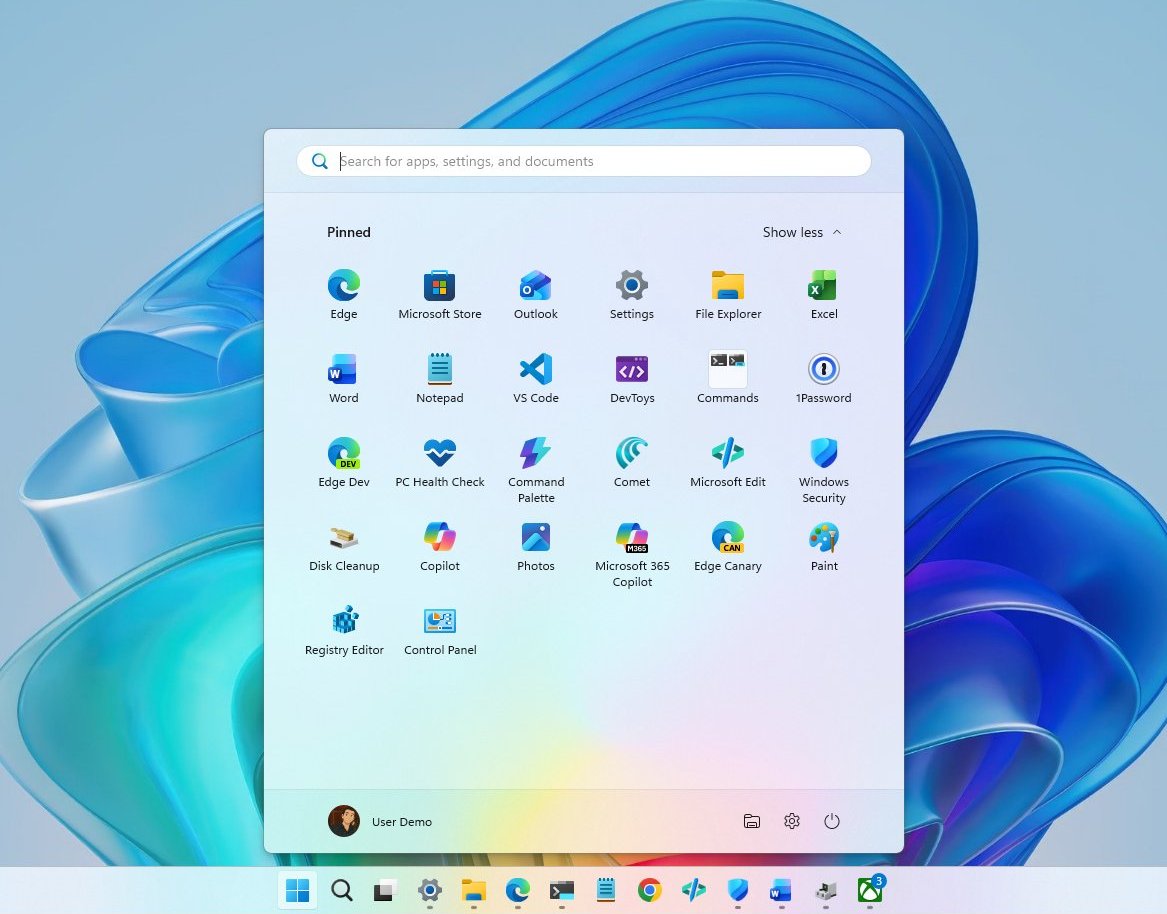
Linux offers near-total control, but that control often comes with decisions most users never need to think about. Choosing between desktop environments, display servers, and even basic system behaviors can quickly turn routine setup into an ongoing project. For enthusiasts, that flexibility is the appeal. For everyone else, it's extra mental effort that gets in the way of the work they actually want to do.
On Windows 11, Microsoft handles most of the settings decisions for you. You might not like all of them, but you usually don't have to think about them.
Also, apps are installed the same way, most peripherals configure automatically, and features are designed to work together out of the box. That predictability matters when you work with multiple apps, gaming, and a growing list of connected devices. In this context, having fewer settings to manage is not a limitation. It’s a productivity feature.
Linux remains an excellent option for specific use cases such as servers, development, education, and users who want full control over every layer of the system. Windows 11, however, is optimized for how most people actually use a personal computer today.
Windows 11 and Linux each have their strengths, but the difference comes down to the desktop experience most people need. Linux excels on servers, in development, and specialized setups, where total control is necessary.
For everyday users, professionals, and gamers, Windows 11 reduces friction, ensures broad hardware and software compatibility, and delivers a polished, predictable experience.
Choosing Windows 11 isn’t about giving up flexibility. It's about prioritizing productivity, reliability, and simplicity, making it the clear choice for most desktop users.

Windows vs. Linux debates always get heated, but this breakdown focuses on what most people actually need day‑to‑day. Do you agree with these four reasons, or do you think Linux deserves more credit? Drop your experience in the comments — especially if you’ve tried switching between the two.
More resourcesFor more helpful articles, coverage, and answers to common questions about Windows 10 and Windows 11, visit the following resources:

Follow Windows Central on Google News to keep our latest news, insights, and features at the top of your feeds!