
Remember me
This content contains affiliate links. When you buy through these links, we may earn an affiliate commission.
When we talk about graphic novels, most people think of fictional stories like Nimona or One Hundred Nights of Hero. Or maybe they think of the graphic novel adaptations of Kindred or Aru Shah and the End of Time. But graphic novels aren’t only for fictional stories. Graphic novels can tell true stories too.
Over the last couple decades, graphic nonfiction has been growing in popularity. Modern classics like Persepolis and Maus illustrate that the medium possesses an intense amount of range. Stories, like these, about complex moments in history are difficult to capture on the page, and the authors could have chosen to write their stories as prose. Instead, they combined text with a visual medium. The art adds layers of meaning to the text, giving authors more avenues for telling their story.
Maybe the artist uses a limited color palette to show the ongoing stress of the characters’ emotions, or maybe they create their art in black and white with bold black outlining to make their art more stark and straightforward. The small facial expression of characters, spatial awareness of the art, and how the author handles dialogue are all giving information to the reader. The blend of text and illustration create a unique form of nonfiction that uses two of our senses to help tell the authors’ true stories.
In addition to highlighting major historical moments, graphic nonfiction can also tackle big ideas around environmentalism, disability, immigration, and so much more. If you’re looking for a place to start with graphic nonfiction, here are eight titles that span across a range of topics and art styles.
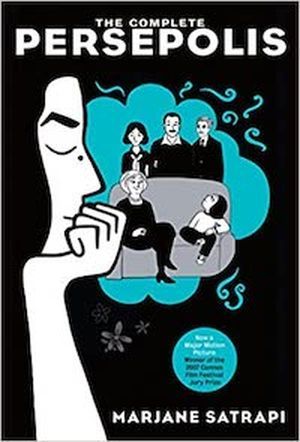 The Complete Persepolis, written and illustrated by Marjane Satrapi, translated from French by Anjali Singh
This graphic memoir follows Marjane Satrapi through the Iranian Revolution and her flight to France. She goes to school in Paris for a few years, but eventually, she returns home to Iran. She finds it completely changed. Satrapi’s bold black and white art style captures your attention from the first page, and her memoir is a testament to her love of Persian culture and the grief she experiences as her homeland is changed forever. While Satrapi’s memoir represents only one perspective on these events in Iran’s history, Persepolis is a modern classic for a reason.
All access members continue below for more great graphic nonfiction.
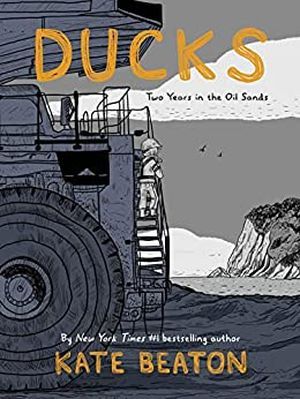 Ducks: Two Years in the Oil Sands, written and illustrated by Kate Beaton
Cartoonist Kate Beaton heads to Western Canada to work in the oil sands, taking advantage of the oil rush to help her save money so she can more fully dedicate herself to her art. But while there, she’s confronted with the harsh realities of working in the small communities popping up because of the oil industry. In episodic-like snippets, she gives readers a behind-the-scenes look at her life, pointing out the many issues—sexism and violence towards women in particular—that are common in these communities.
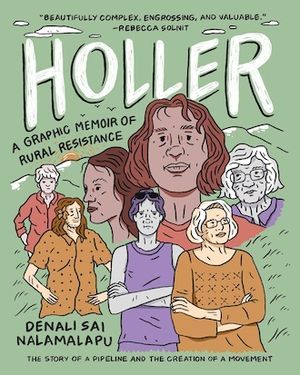 Holler: A Graphic Memoir of Rural Resistance written and illustrated by Denali Sai Nalamalapu
Denali Sai Nalamalapu, a climate activist, brings the story of the Mountain Valley Pipeline and the people who resisted it to vivid life. Spanning 300 miles through West Virginia and Virginia, the pipeline cut through farms and forests, devastating land. Nalamalapu spent hours with activists, distilling their experiences into six illustrated chapters. Each one depicts small but powerful acts of defiance. With its intimate storytelling, Holler shows how collective, everyday resistance can protect both land and hope.
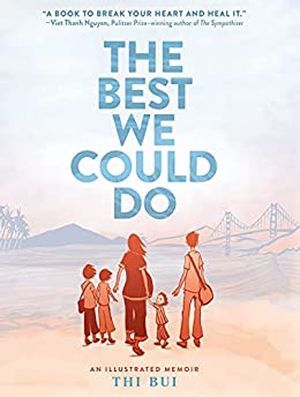 The Best We Could Do written and illustrated by Thi Bui
In her illustrated memoir, Thi Bui describes her family’s experience fleeing Vietnam at the end of the war, their adjustment to life in America, and Bui’s life today. Bui uses an orange-ish color throughout the illustrations to communicate the characters’ depth of emotion, which deepens her storytelling.
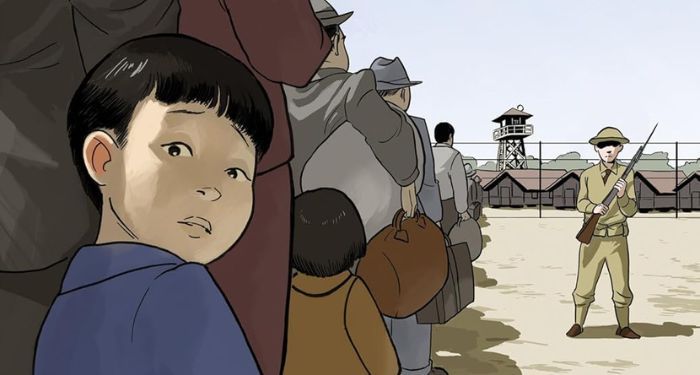
 They Called Us the Enemy by George Takei with Justin Eisinger and Steven Scott, Illustrated by Harmony Becker
In 1942, when he was just 4 years old, George Takei, his family, and thousands of other people of Japanese descent were rounded up and sent to concentration camps. For years, the United States government imprisoned them behind barbed wire, and Takei watched his family grasp at hope. Becker’s black and white art style uses every shade on the spectrum, which adds so much detail to her illustrations.
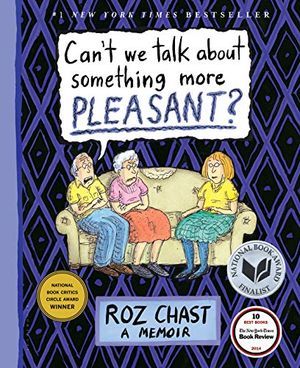 Can’t We Talk about Something More Pleasant? written and illustrated by Roz Chast
Roz Chast’s parents have lived in the same apartment for decades. As her parents age, she begins to think through how she will care for them when they get older and how she wants to spend as much time with them as possible. But her parents want to have nothing to do with any of these conversations. With her classic sense of humor, Chast captures the ridiculous moments of a very difficult time in her life. This graphic memoir is so good, no wonder it was a finalist for the National Book Award.
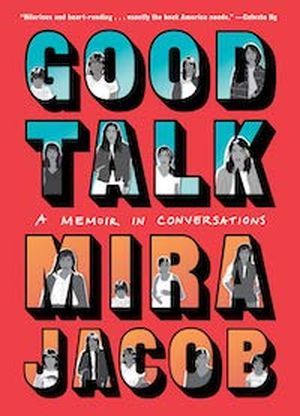 Good Talk written and illustrated by Mira Jacob
In Good Talk, Mira Jacob describes how her son asked her why his Jewish paternal grandparents would vote for Trump, a man who hated immigrants, like Mira and her parents. She’s not quite sure how to answer. Jacob works through these conversations in Good Talk, illustrating them on the page in this cut-out sort of art style that incorporates photos as backgrounds.
 Dear Scarlet: The Story of My Postpartum Depression, written and illustrated by Teresa Wong
Structured as a letter to her daughter Scarlet, Teresa Wong’s memoir describes her experience with postpartum depression and her struggle to find effective treatment for her condition. Despite being told that becoming a mother would be a solely wonderful experience, Wong found herself stuffed in a fog of intense depression. Wong uses a black and white art style that might seem simple on its surface, but once you realize how she uses space within each illustration, you can’t help but be drawn into her world.
Looking for more graphic nonfiction? Check out 18 Graphic Novels and Graphic Nonfiction Books From Around The World and 10 Fascinating Graphic Nonfiction Books for Curious Minds.
Get access to exclusive content and features with an All Access subscription on Book Riot.
Unlimited paywalled content
The New Release Index, a powerful tool for finding your next favorite book
Community features like commenting and poll participation
Comments (0)