Pope Leo Snubs Trump: The First US-Born Pope Declines to Join America's 'Board of Peace' — Why Western Allies Are Refusing to Sign Up
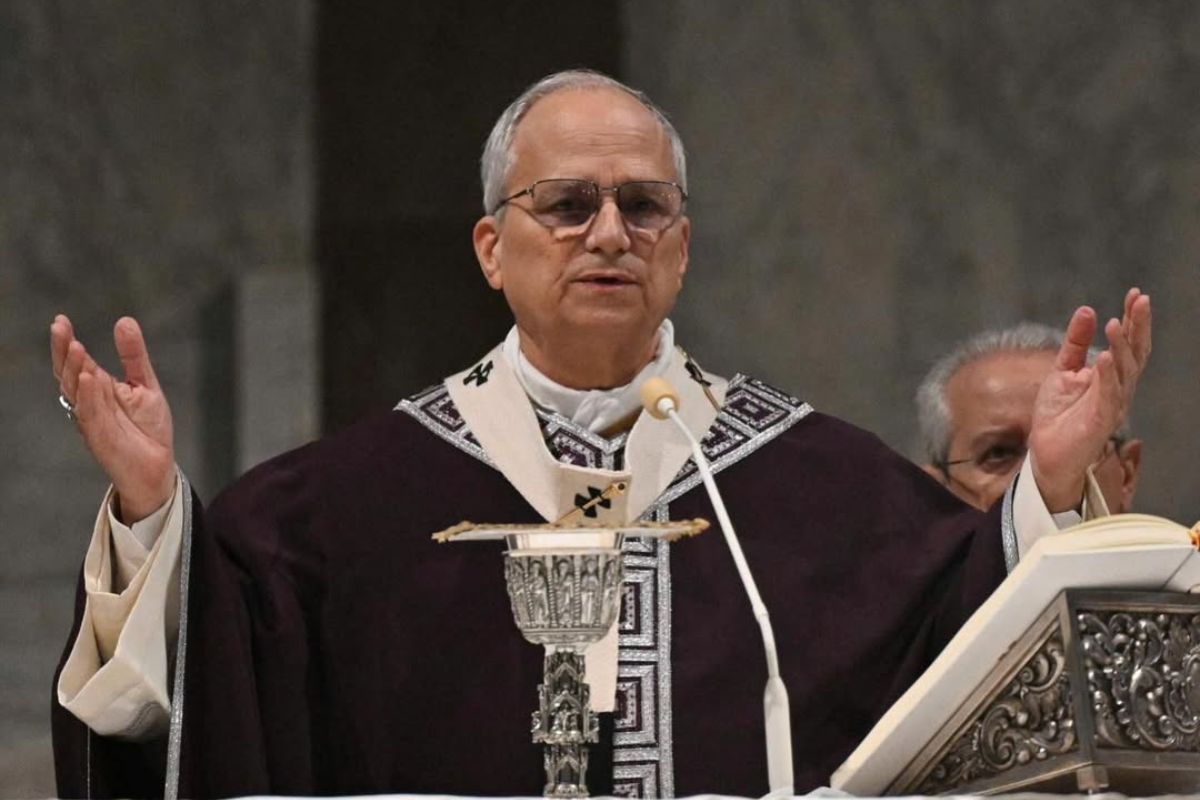
The Vatican said no.Cardinal Pietro Parolin, the Holy See's Secretary of State, confirmed on Tuesday that Pope Leo XIV won't join President Donald Trump's Board of Peace. The board's first meeting takes place today in Washington. But virtually the entire Western democratic alliance is sitting it out.'There are points that leave us somewhat perplexed,' Parolin told reporters in Rome. In Vatican diplomatic language, 'perplexed' isn't mild confusion. It's a pointed disagreement.The cardinal didn't stop there. 'At the international level, it should above all be the UN that manages these crisis situations,' he said, according to America Magazine. That's the Vatican's way of saying Trump's board threatens to sideline the existing global order.Who's In, Who's OutLook at the membership list. More than 20 countries signed on: Israel, Russia, Hungary, Belarus, Saudi Arabia, Argentina, and the United Arab Emirates.Now look at who refused: the United Kingdom, France, Germany, Norway, Greece, and Ukraine. Italy and the European Union are sending observers — not members.The pattern is hard to miss. Trump's allies joined. America's traditional partners didn't.Ukrainian President Volodymyr Zelensky put it bluntly. According to The Hill, he questioned how a board claiming to promote peace could include Russia and Belarus, which are nations he called 'violators of peace and international law.'
Some diplomats have gone further in private. According to Axios, several allies are concerned the US is trying to build a rival to the UN Security Council — one where Trump holds permanent control.The $1 Billion Entry FeeHere's where it gets transactional. The board's charter requires countries to pay $1 billion (£742 million) for permanent membership. Those who don't pay serve three-year terms. And Trump decides whether to renew them.The charter also grants Trump sweeping authority. He can appoint and dismiss members, set agendas, and issue resolutions. Bloomberg described this as Trump holding the board's 'ultimate decision-making power.'Trump claimed on Sunday that member states have pledged more than $5 billion (£3.71 billion) toward Gaza reconstruction. He didn't say which countries made these pledges or who controls the funds. The White House told NBC News that 'virtually every dollar' would go toward rebuilding Gaza, but details remain thin.Why Should You Care?The board's inaugural meeting today will address Gaza's reconstruction. More than 72,000 Palestinians have been killed since Israel declared war in October 2023, according to figures Israel's military recently acknowledged. The territory's entire population has been displaced.For ordinary people watching from afar, the question is simple: Will this board actually bring peace? Or will it undermine the UN system that has — however imperfectly — maintained some international order since World War II?The Vatican's refusal suggests major global institutions aren't buying Trump's vision. Pope Leo XIV, the first American-born pontiff, leads 1.4 billion Catholics worldwide. His 'no' carries weight.Two Americans, One Growing RiftThis isn't Pope Leo's first clash with Trump. He's called the administration's treatment of migrants 'extremely disrespectful.' He backed US Catholic bishops when they issued their first special message in 12 years, criticising mass deportations. And he's condemned what he called 'a diplomacy based on force' and a renewed 'zeal for war.'The pontiff has also confirmed he won't visit the United States in 2026. Instead, he'll travel to Latin America and Africa — home to many of the migrants caught up in American enforcement operations.According to CNN, Pope Leo's insistence on international humanitarian law 'contrasts with a president who told The New York Times in January that he feels constrained only by his own morality.'The White House pushed back. Press Secretary Karoline Leavitt called the Vatican's decision 'deeply unfortunate.' She added: 'I don't think that peace should be partisan or political or controversial.'But as Trump convenes his board today — surrounded by Hungary, Saudi Arabia, and Belarus rather than London, Paris, or Berlin — the question of whose peace this actually serves remains wide open.The Vatican said no. So did most of the West.


Comments (0)