
Remember me


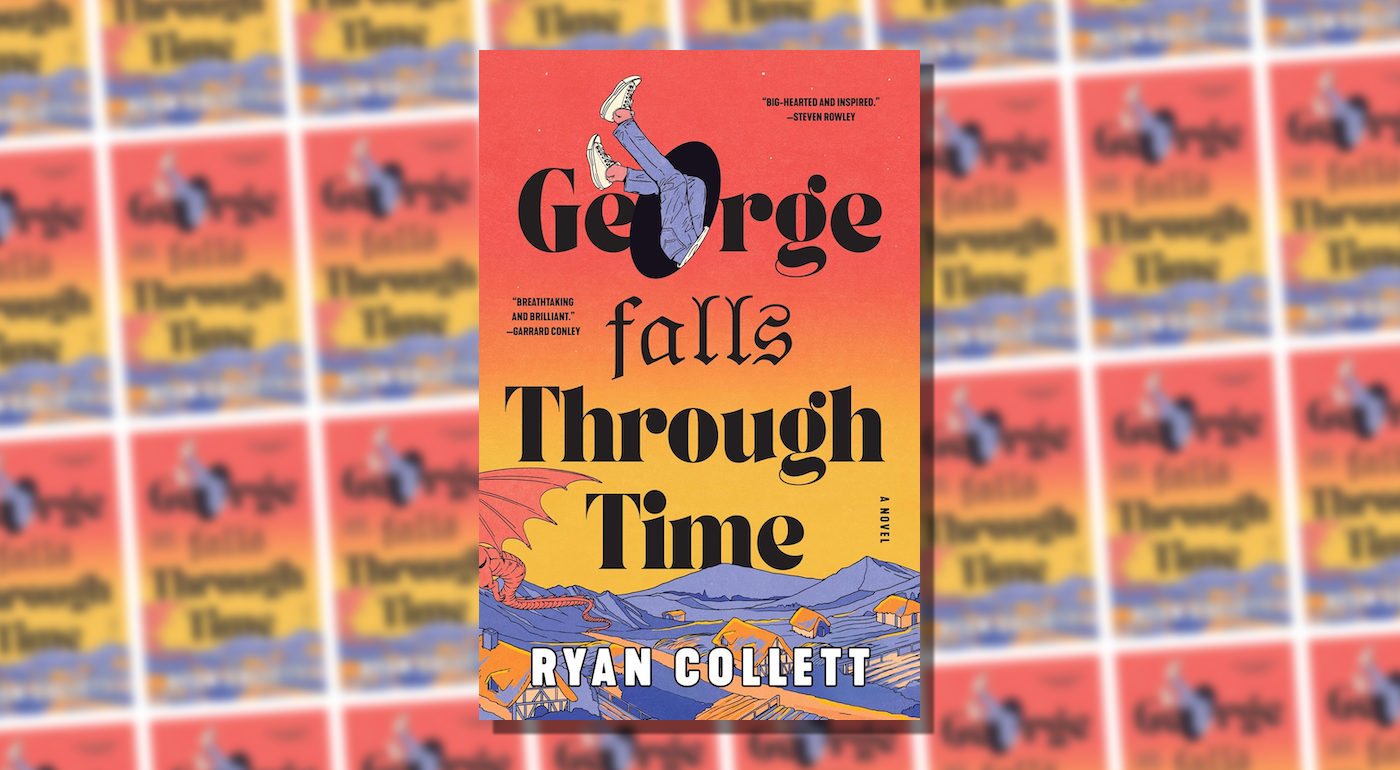




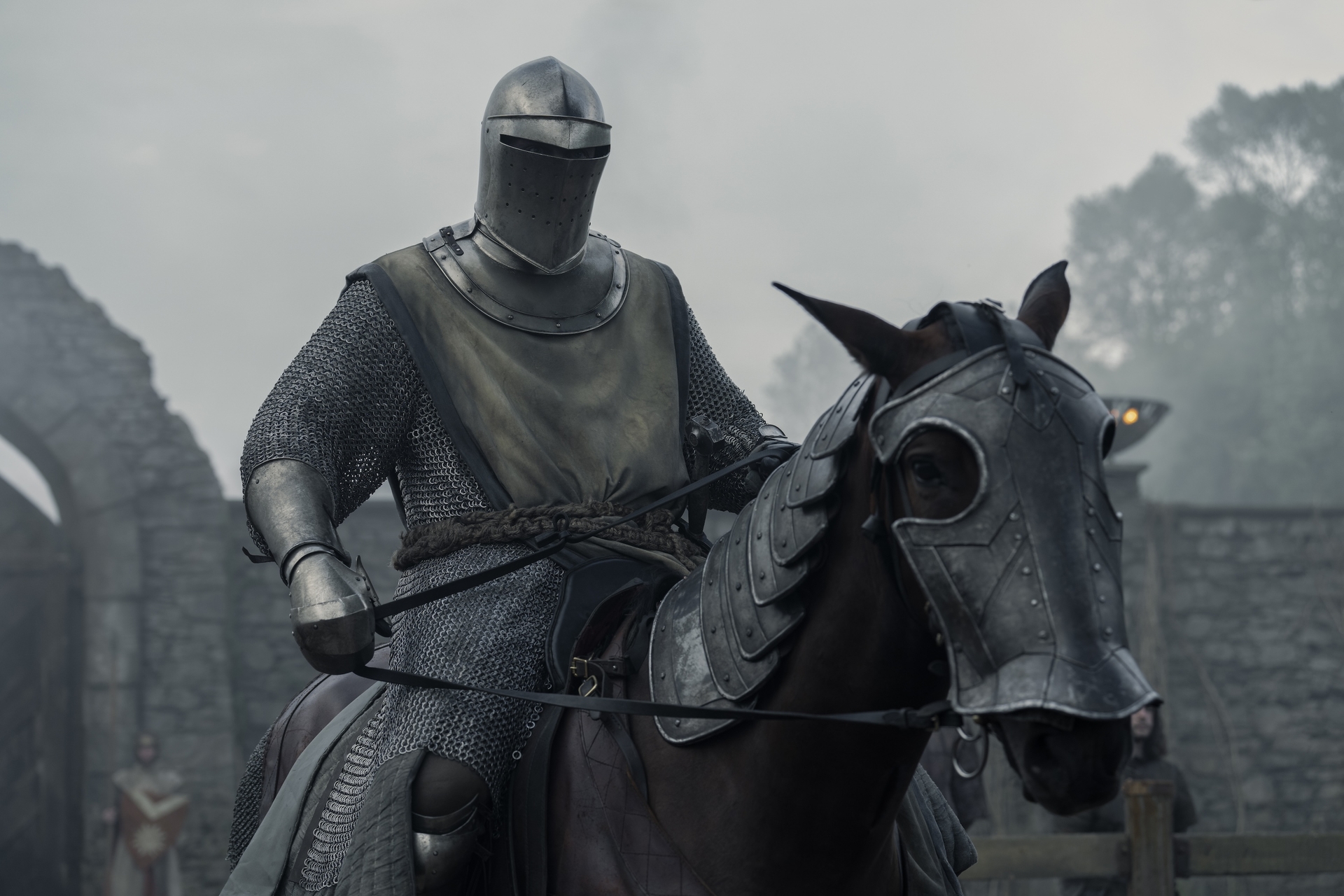
What if millennial life became so acutely stressful that it caused a portal to open up in the middle of London and you tumbled through it into the 1300s? Happened to my friend George. As he’s navigating a breakup, utility bill logistics, and six dogs from his dog-walking gig, George falls through a portal in time and can’t get back. Unable to explain where he came from or why he’s dressed like that, George is imprisoned, beaten, and finally—after months—made into a sort of indentured servant. He manages to escape alongside another indentured servant, Simon, and they develop a cohabitating situationship that works pretty well for them until the king shows up ordering George to slay a dragon.
Interspersed with George’s adventures being beaten up and indentured in 1300s England are his memories of his life before. He had a job he neither loved nor hated, a boyfriend with whom he was neither happy nor unhappy. Formerly a tech guy at an investment firm, he fell into the company of hot, ambitious, plausibly-deniably-straight hedge fund bros who traded their flirtatious approval for minor acts of financial dishonesty on George’s part. The job and the relationship were both ultimately empty, but the loss of both of them at once still engenders enough stress to rip a hole in the fabric of the universe.
Though George Falls Through Time is not a traditional romance, the relationship between George and Simon is still central to the story, and to me easily the most interesting aspect of the book. These two men fall in love, and George never feels it’s a love he can fully trust. The gulf between each of their ideas about what it means to be two men who have sex and say I love you and make a life together is so, so vast. Simon understands his devotion to George in terms of fealty, a concept that has strong overtones of subservience. George worries that he’s taking advantage of Simon, and there’s a clear echo—although Collett wisely doesn’t make it explicit—of the exploitative flirting George remembers from his time with the hedge fund bros. The danger of intimacy still exists in medieval times, though it takes a different shape from George’s life before.
Compared to George’s life before, medieval life is simple—which made me start to feel antsy. George is careful to note that medieval people are just people:
But it was their faces—their bodies—that shocked and made me stop. Their faces were normal. I don’t know what I mean by normal, but that’s the best I can describe it. Their expressions, their eyes, how they darted, the way they breathed as any other human would breathe, how they blinked—they were like me, like anyone else.
 George Falls Through Time
George Falls Through Time
George Falls Through Time
Buy this book from:
We easily fall into the idea that people in history were different in some fundamental way, that human nature was otherwise; and Collett rebuts this idea early and often. But I also felt anxious about the possibility that the book would stray into nostalgia for a “simpler” time. George does seem to find his medieval life an easier one to inhabit than his life before. Sure, he gets brutalized when he first appears and can’t speak a version of English anyone around him can understand. Yes, he and Simon have to hightail it away from the lord’s manor for him to have any hope of freedom from indenture.
With those obstacles out of their way, though, Simon and George fall easily into a kind of pastoral idyll, living in a small shabby house outside of Scarborough. They have livestock. They have sex. They hold hands and say I love you, and everyone they meet in Scarborough seems fine with this. In his one and only demonstration of useful future knowledge, George even sets them up with some basic irrigation. (I did not understand the system, meaning that I would have literally zero useful skills to bring to bear on medieval life. Please, God, do not let a portal open up and dump me through time, for I will not survive.) Their pleasant, mostly easy, mostly affectionate life together is a pointed contrast against the interspersing flashback chapters, where George’s straight friends use him to get ahead professionally, and his gay friends lure him into Too Much Decadence. I was worried about it, is what I’m saying.
This turns out, I think, to be an unfair read. George’s unhappiness in the present day proves itself to be a character note rather than a judgment on sceney queer guys. George is prone to simply letting his life happen to him, handing over the reins of his life to whoever’s willing to hold them. As a Londoner of the twenty-first century, he can do this and never feel that his choices have brought him crashing into the reality of consequence. Even the stress that dumps him into a time portal is redolent with unreality. He gets fired from his job, but the job never felt like his actual life. He fucks a stripper in front of his boyfriend, and they don’t talk about it, and they break up, and he can’t get the internet bill put in his name only, and he’s walking six dogs at once, and none of it feels real. When he’s ordered to slay a dragon, the task is impossible and imaginary, but no more imaginary and impossible than anything else about his life has felt.
If I’ve given a lot of grace to a rather frustrating protagonist, I will now take a moment to be snippy. There are no women in this book. There just aren’t any. Not in George’s life before. Not in his life in the medieval times. None at all. The only named female character is an Afghan wolfhound called Matilda. Do women exist? Maybe one day science can find out the answer. I don’t have much to say about this writing choice by Collett, except that I am getting much much too old for this shit.
What I am not getting too old for, and what I dearly hope to find again in Collett’s future work, is this book’s commitment to utter strangeness. Beyond the timey-wimey shenanigans, which are far stranger and involve far more garbage disposal logistics than I anticipated, Collett has a knack for writing equivocality, never sanding down his characters’ incompatible edges, nor allowing them to settle into certainty. When I rail against the cookie-cutter sameness of our present crop of SFF romance, books like this provide a respite. icon-paragraph-end
George Falls Through Time is published by William Morrow.
Comments (0)