
Remember me









As you get older, you start to notice more things in people's homes that you probably never paid attention to before. People often joke, "you know you're old when..." and the joke references getting excited about going to The Home Depot or that getting groceries is a treat. The same can be true for being excited about things like new faucets or a new washing machine (we recently got a new washer and dryer and my wife and I were incredibly pumped about it.)
One of those features of a home that is instantly noticeable, especially when you've had to set them up in your own home, is lighting. The fixtures can look nice and they can either be a highlight of the room or just blend into the background. But if something is off with the color of the lights, it can add a strange vibe to the entire room. That's why it's smart to consider this one trick when you're choosing the light bulbs for your home.
 Related
The color of your bulbs can be overwhelming
You want to keep a few things in mind
Related
The color of your bulbs can be overwhelming
You want to keep a few things in mind
 Credit: Jonathon Jachura / MUO
I remember when I moved into my house, the previous owners had left us a bunch of extra light bulbs. One thing that was driving me nuts was that some rooms had overly cool lights in the ceiling fan lights and others had sharper and brighter lights. As I went through the light bulb inventory, I found that they had very few matching sets left. I remember trying to mix and match bulbs to see if they were at least the same hue or color and they never looked quite right.
The color, hue, and brightness of your lights matter significantly. Different light colors have different effects on not only the room, but the people in them. For example, red lights help you sleep because they help produce melatonin, reduce eye strain, and help you relax. Your circadian rhythm can be triggered that the end of the day is coming and it's time to wind down. We've used a red light setting in my daughter's room since she was small to signal that it's bedtime. We previously had an automation with a motion sensor that would turn her lights red when the sun went down.
You compare this to blue light, which is what is coming off of our phones, tablets, TVs, and computers, and that interrupts melatonin production, which helps signal to your brain it's time to go to sleep. Your brain processes blue light like it does daylight and wants to stay awake.
When you're choosing the lighting for your home, you should consider different lighting for different areas. This is not only because people will be more comfortable in your home that way, but also because it can make your home look better.
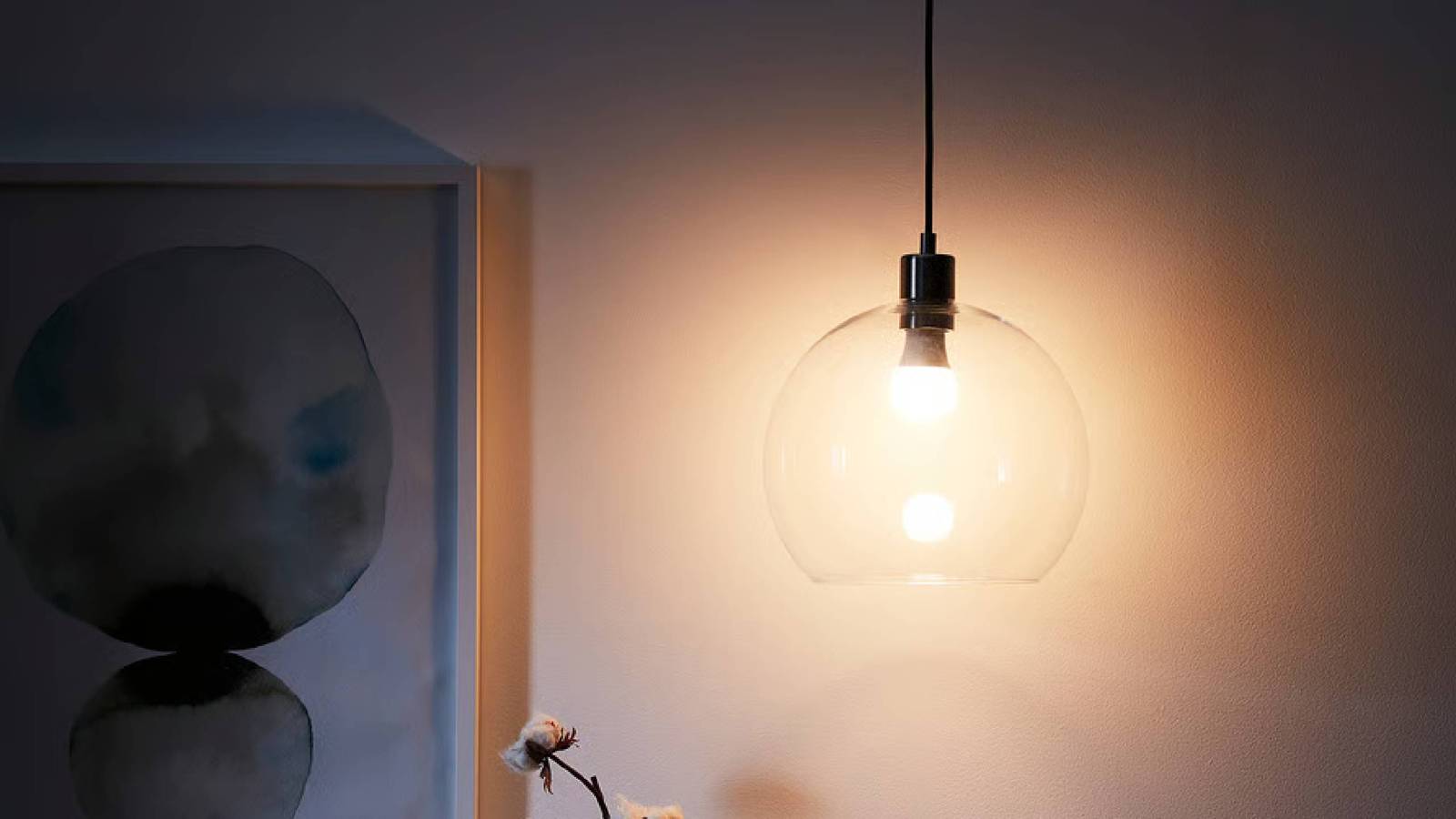
Warmer is a better choiceThe 2700K rule applies to creating a welcoming atmosphere that's meant to make people feel at home. It highlights the 2700 Kelvin color temperature, which is warm white. This is a standard option for many light bulbs and a common choice for any smart bulb that can change colors.
It has been found that 2700K minimizes blue light, helping people feel calmer and more at ease. It goes well with soft wood tones, highlighting the look. This can make your decor pop more, especially if you have some darker tones in your rooms. This will lighten a darker color and soften a harsher one. Keeping your lights at less than 100% brightness will also give you the desired effect of classing up your room.
Warm white is ideal for bedrooms, bathrooms, and living rooms, as people want to feel relaxed in those rooms. Simply adding warm white light bulbs or smart bulbs that can change colors is a way to play up the style in your home without having to go out of your way to spruce up the area. Warm white can make many rooms with all kinds of decor look better.
I have a few WiZ smart bulbs in my house, and all of them can change colors, which is not a unique feature for smart bulbs. In my bedroom, I rely on 2700K almost always. On occasion, I'll choose a brighter white to be able to see something better. But it's almost always calmer in my room with the warm white.
If you're using a smart bulb, a preset warm white option showcased in the bulb's app is almost always going to be 2700K.
How to get the most out of warm white There is an even sharper option available Credit: Chris Hachey / MakeUseOf
While some people do think you can go with the same lighting temperature in an entire house, I'm of the mindset that some rooms should be lit differently. It's smart to have all the same color temperature in one room, so that the room itself looks consistent and isn't jarring to anyone's eyes. If you have two lamps and they are different shades of white, it will look strange.
However, you don't have to rely on the same kind of lighting throughout your home. For more active rooms, you can even go to 3000K, a whiter temperature than the warm white, which has some yellow in it. This can be crisp and works well with more hustling and bustling. You want rooms with a lot of people passing through to be lit brighter. To me, as much as I like going to a romantic dinner at a restaurant, when the lighting is too low, it can actually make for a tough experience to enjoy.
The higher you go in temperature, the whiter the light becomes. If you reach 4000K, you're getting to a more sterile tone that will illuminate the room well. This is something you might want in a basement or a garage. Warm white is meant to be inviting, but you probably don't want to be looking at intricate pieces of machinery in a warm and yellowing hue.
Color temperature is important and 2700K is ideal for your homeWhen you're setting up your lighting in your home, consider a warm white for your bedroom and living room. This can make them feel more welcoming and provide visitors with a sense of calm when they enter. Most warm white settings for a smart bulb are set to 2700K. The warm white temperature can highlight wood decor well and provide a more sophisticated look. You should try and remain consistent with your hues throughout a room.