
Remember me




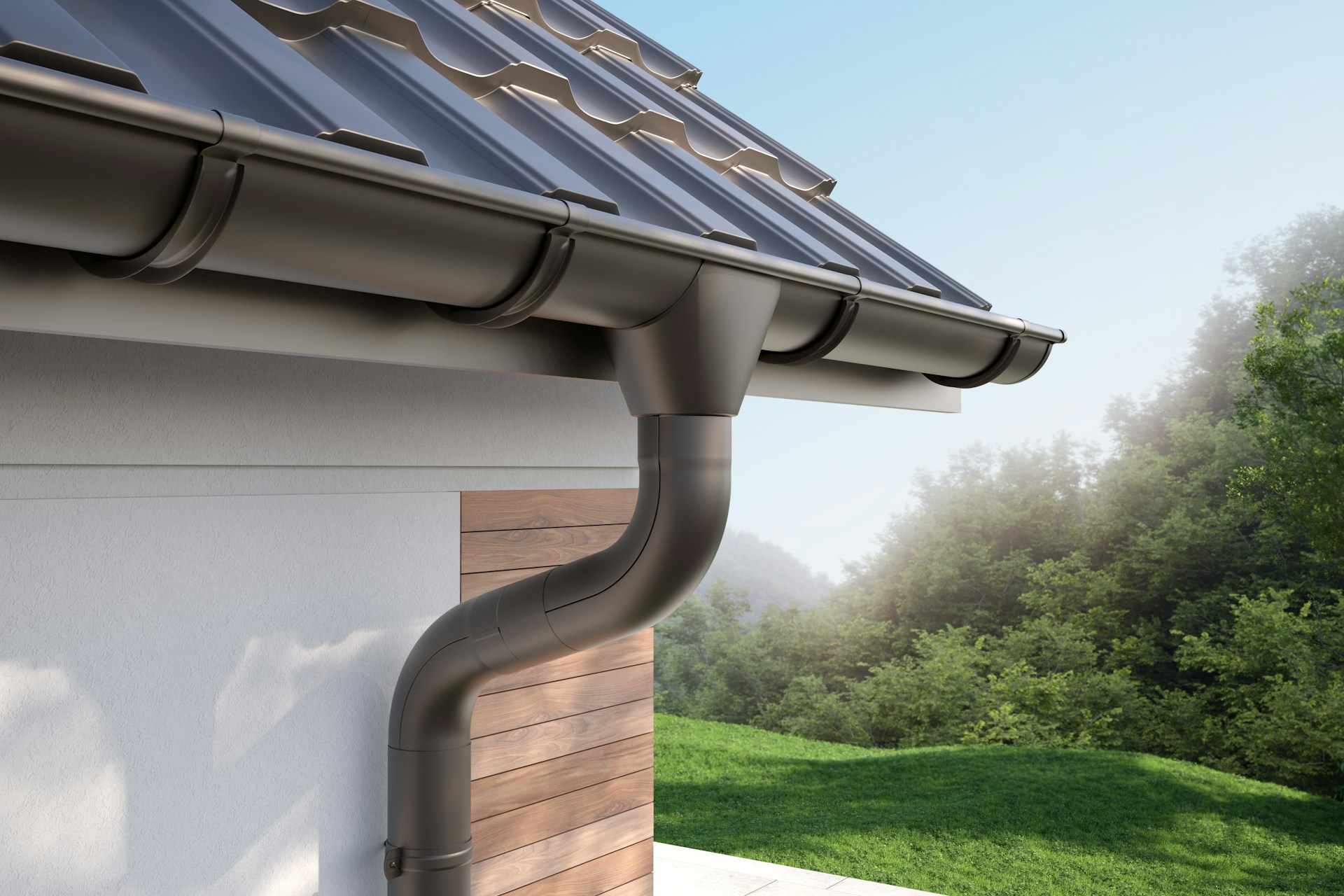





You notice gutters most on a rainy day, when water hits the ground too hard and too close. You also notice them on a clear day, when a roofline looks clean, but one edge feels busy.
Gutters sit right at eye level on many homes, so they quietly affect the whole facade. functional setup. Around Marietta, homeowners often end up comparing options with local crews like Urban Seamless Gutters; they offer gutter installation in Marietta that focuses on clean rooflines and proper water handling. Either way, the best choice starts with how your roof sheds water and how your house is shaped.

Photo by Devin Brown
Your Roof Shape and Water FlowA gutter style that looks right on one house can look off on another. The reason is simple, roof pitch, fascia height, and trim depth change the proportions along the eaves. If your fascia is shallow, a tall gutter can feel like a thick border that crowds the roof edge.
Before you think about profiles, stand back and trace the water path. Look for valleys, long roof runs, and spots where water concentrates after a storm. Those areas often need wider gutters or extra downspouts, even if the rest of the home does not.
Capacity matters because overflow is not just messy, it can damage soil grades and foundation edges. The EPA connects residential runoff directly to street-level drainage problems, which is a useful reminder that gutters are part of basic infrastructure, not just trim.
Also pay attention to where downspouts can realistically go. A beautiful front elevation loses its calm when a downspout cuts across a window bay. Many homes look better with downspouts aligned to corners, porch posts, or vertical trim lines.
 Gutter Shapes and Home Style
Most homeowners end up choosing between three common shapes, and each reads differently from the street. The right pick usually matches your home’s era and the way your trim is detailed. It also depends on whether you want gutters to blend in or look intentional.
Here are the main profiles people compare:
K style: The most common choice, with a shaped front that feels traditional and familiar. It pairs well with many suburban exteriors and usually offers good capacity for the size. Half round: A softer, historic look that fits older homes, brick facades, and more classic trim. It sheds debris a bit more easily, but may need larger sizing in heavy rain zones. Box or square: A crisp, straight edged look that suits newer builds and simple rooflines. It can also work on homes with deeper fascia boards and minimal ornament.Profiles also play well with the rest of the facade materials. If you’re already mixing siding materials and textures, gutters act like another seam line, so they should support, not fight, your exterior rhythm.
If your home has decorative crown trim, corbels, or layered fascia boards, a shaped gutter can echo that detail. If your home leans clean and pared back, straight lines usually read calmer. The goal is a profile that feels like it belongs, even before you paint it.
 Materials and Colors That Last
Material affects more than longevity, it affects how light hits the edge of your roof. Aluminum is common because it is light, resists rust, and takes paint well. Steel can be tougher in impact zones, but it needs good coating care to avoid corrosion.
Copper and zinc are often chosen for their aging patterns, not for a bright new shine. They deepen in color over time, which can look great against brick, stone, or dark siding. They also cost more, so many homeowners reserve them for front elevations or porch lines.
Color is not just a match game, it is a visual trick. A gutter painted to match fascia tends to disappear, which can make the roofline feel longer and simpler. A gutter painted to match trim can look intentional, but it will be more noticeable from the street.
If your exterior already feels busy, look for the small lines adding clutter; fussy trim accents, dated details, and stacked moldings all contribute. Gutters are one more line, so keeping them visually quiet can bring relief.
 Gutter Guards and Easy Cleaning
Guards are often sold as a simple add on, but they are not all the same. The right guard depends on what falls on your roof, pine needles, leaf clusters, seed pods, or roof grit. A screen that works under broadleaf trees can clog fast under pines, so it helps to think about your yard, not just the product label.
Some guards push debris off the top, while others filter water through a mesh. Fine mesh can block small particles, but it can also hold pollen and roof dust in humid seasons. Wider screens can pass water quickly, but they may let small debris through, which still means occasional cleaning.
Maintenance still matters because downspouts can clog even with good guards. A smart setup includes cleanout access, solid fastening, and downspout paths that do not trap leaves at elbows. If you plan for cleaning from the start, the system stays calmer to live with.
If flooding risk is part of your worry, think beyond the gutter edge itself. FEMA’s flooding guidance covers drainage and water control around the full house perimeter, not just the gutter line. Even small changes in where water lands can make a difference over a long season.
Size, Downspouts, and Clean LinesA great looking gutter can still fail if it is undersized or pitched wrong. Sizing relates to roof area and how quickly water can come off your roof during a heavy burst. In places that get strong storms, bigger is not always overkill, it can be a calm choice.
Downspouts deserve as much thought as the gutter itself. More downspouts can look busy, but too few can cause overflow and staining. Many homes look best when downspouts line up with corners, garage edges, or vertical trim pieces.
Pay attention to how the gutter meets the roof at transitions. End caps, corners, and miters should look clean, with sealed joints that do not bulge. Hangers also matter because hidden hangers tend to look neater than older spike and ferrule setups.
A final detail is where the water goes after it exits the downspout. Extensions, splash blocks, or underground drains should move water away without cutting across walkways. If you plan that path early, you avoid awkward add ons that show up later.
Good gutter style is the one that makes the roof edge feel settled and the water path predictable. Choose a profile that fits your trim, pick a finish that ages well, and size the system for real storms. Then keep downspouts tidy and placed where your eye already expects a vertical line. That mix keeps your exterior looking clean while your drainage does its quiet job.
Discover more from Moss and FogSubscribe to get the latest posts sent to your email.