
Remember me

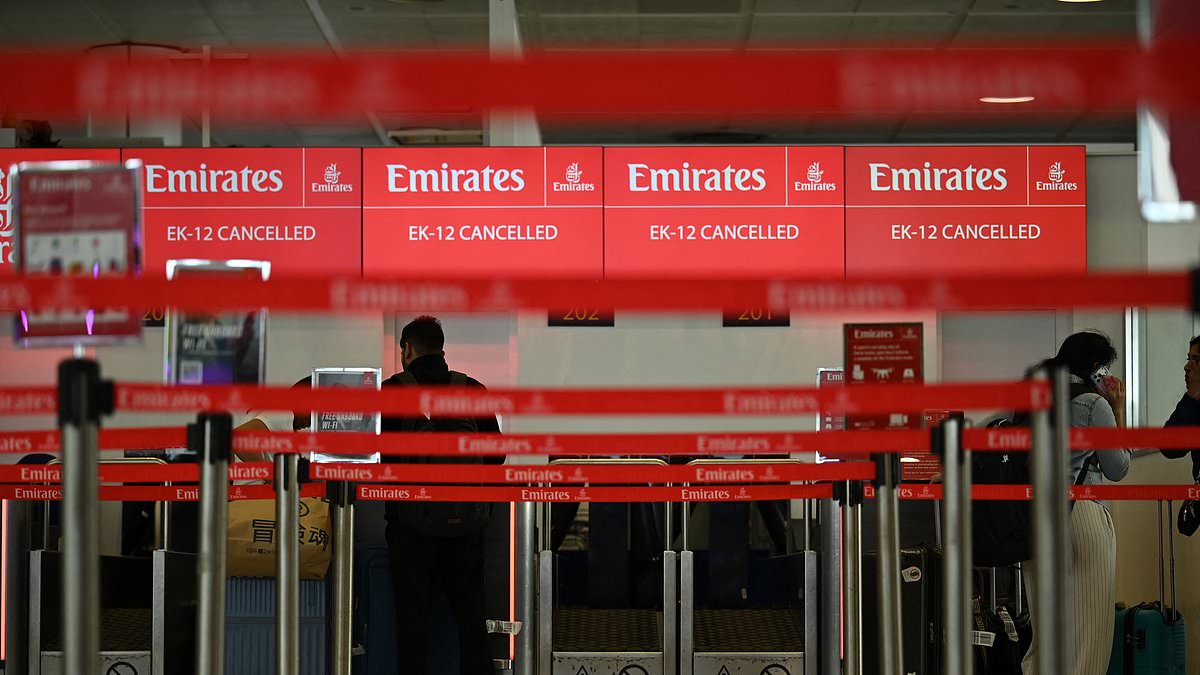







The professor who intentionally halted a controversial puberty blockers trial has been withdrawn from any further involvement after accusations of bias.
Professor Jacob George, who was appointed chief medical and scientific officer at the Medicines and Healthcare products Regulatory Agency (MHRA) in January, raised new concerns about the Pathways trial of puberty blockers in February.
The medical officer's intervention subsequently triggered the Department of Health to pause the trial.
Scientists and lawyers have since raised concerns over George's involvement, questioning crucial misunderstandings about clinical trials and medical law.
The professor intervened five months after the trial was approved by his colleagues and more than a month after it was set to start, raising concerns that included participants being as young as 10.
Yet the recent surfacing of a series of social media posts by George indicate a strong gender-critical stance, with an added admiration for JK Rowling.
In the now deleted posts, the professor slated the 'well-meaning idiocy' of the NHS through its denial to adhere to the 'basic biological fact' that gender is set at birth.
George, who is a professor of cardiovascular medicine at the University of Dundee, celebrated JK Rowling as a 'treasure of our time' after she publicly welcomed the Supreme Court's ruling that the legal definition of a woman should be founded on biological sex.

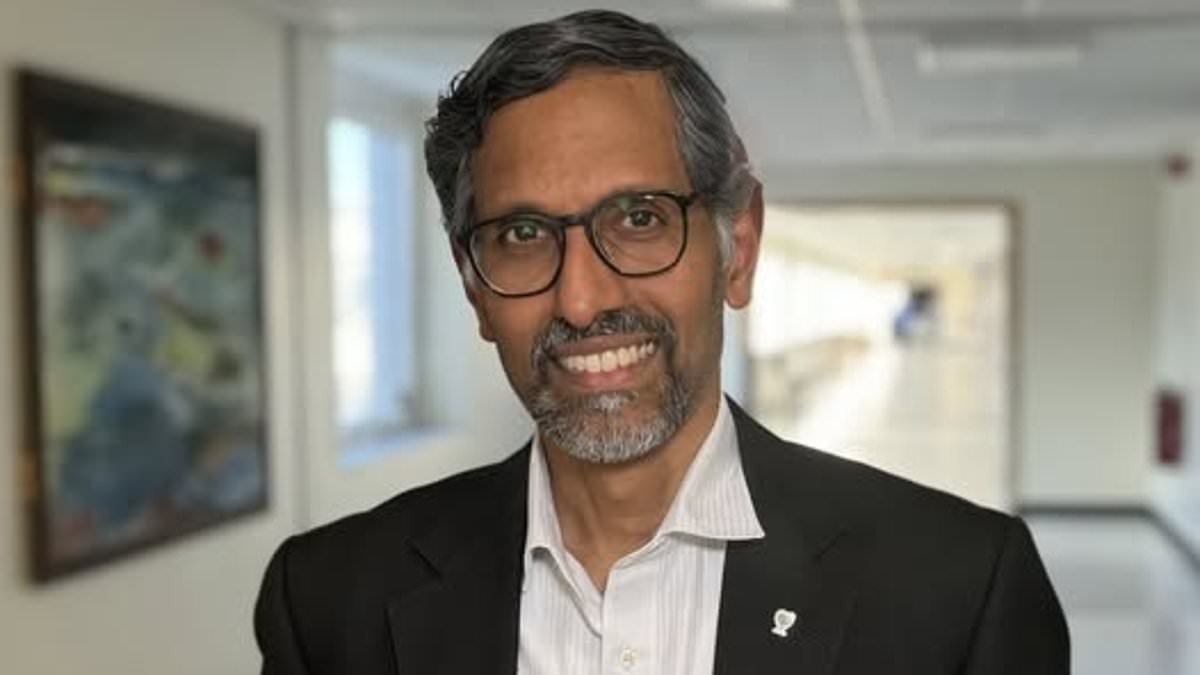
Professor Jacob George (pictured) intentionally halted a controversial puberty blockers trial
In a separate post, following the publishing of test results confirming the Algerian Olympic boxer Imane Khelif was a woman, he said 'the denial of basic biological fact is concerning'.
An MHRA spokesperson said: 'Civil servants, like anyone else, hold personal views but must also carry out their roles in line with the civil service core values of integrity, honest, objectivity and impartiality.
'While there is no evidence to suggest that decisions taken were not impartial, Professor Jacob George is recused from further involvement in the Pathways clinical trial as a precaution.'
Dr Max Davie, a consultant paediatrician who previously worked at the the NHS Children and Young People's Gender Service, told The Sunday Times: 'The tweets by Professor George give a clear indication of his personal views on the topic.
'He is quite at liberty to hold whatever views on gender identity he may, but what he cannot do is allow these views to affect the fulfilment of his public duty.
'To be clear, there is no compelling scientific reason to halt the Pathways trial. While Professor George's personal convictions are not the only possible explanation for the MHRA's abrupt volte-face, it is the only one for which we have evidence.'
The Pathways trial involved testing the effect of puberty-blocking drugs on 226 children at a cost of £10.7million, with the recruitment of participants due to start in January.
The trial was commissioned after a recommendation by Baroness Cass, the author of a condemning report into NHS gender services that spearheaded the closure of the Gender Identity Development Service (Gids) at the Tavistock Hospital in north London.

George celebrated JK Rowling (pictured) as a 'treasure of our time' after she publicly welcomed the Supreme Court's ruling that the legal definition of a woman should be founded on biological sex
The report said there was no adequate evidence that puberty blockers helped children with gender incongruence, which is the alignment between one's gender identity and physical body, and recommended that the banning of the drugs for routine use.
Cass instead called for a rigorous clinical trial with the goal of determining whether puberty blockers actually worked and, if so, for which children.
She described the MHRA's intervention as 'completely bizarre' and said the pause of the trial was founded on politics rather than science.
She told the Observer: 'There are no new research findings and the MHRA hasn't presented any new evidence.'
Within a letter to the Pathways trial leaders at King's College London on February 13, George raised concerns about the age of the participants, who the researchers had said might be as young as 10.
He recommended the age should be raised to 14.
Yet one scientist said the majority of participants would have already started puberty by 14, thus making the trial redundant: 'It would be pointless, and completely unethical, as the trial would not answer the question it is setting out to achieve.'
George also questioned 'Gillick competence', which is the legal principle used to determine whether a child under 16 is mature enough to understand and therefore consent to routine treatment.
Sir Jonathan Montgomery, who is a professor of healthcare law at University College London and former chair of the Health Research Authority, said this principle did not apply to clinical trials.
This was then supported by the Court of Appeal in September 2021 in a case involving Keira Bell, a patient who was treated by the Tavistock clinic.
Ms Bell had been prescribed drugs by doctors aged 16 to pause her development before realising six years later, and after a double mastectomy, that it was a catastrophic mistake.
Her case shed light on the dangers surrounding the medical transition of children, based on a child's beliefs about their gender.
Ms Bell told The Mail on Sunday: 'It's been a long time coming, but I believe an important change is occurring and now at least the awful experience I have had hasn't happened in vain.
'I just hope that what this will mean is the end of the medicalisation of children.'
Montgomery, who had provided legal and ethical advice to the Pathways trial team, told The Sunday Times: 'It reflects badly on the MHRA that they seem not to understand the law governing their work.
'The reference to Gillick competence in the MHRA's letter suggests a fundamental misunderstanding of the clinical trials regulations.
'Under those regulations, consent for studies involving those under 18 is required from a person with parental responsibility.
'Young participants do not give a legally valid consent but they have specific rights to receive information according to their understanding.'
The MHRA contested the claim that the use of Gillick competence was inappropriate.
The leaders of the trial have since met with the MHRA twice last week in attempts to resolve the issues, and are due to meet again over the next few days.
Helen Joyce, who is the director of advocacy at sex-based rights charity Sex Matters, supported George.
She told Times Radio: 'Professor George's position is entirely aligned with the mainstream.
'There is nothing inappropriate about welcoming the Supreme Court's judgment that sex means male or female.
'There is no reason for him to rescue himself from assessing the puberty blockers trial.
'He should be reinstated immediately.'