
Remember me







Monday 02 March 2026 12:55 pm
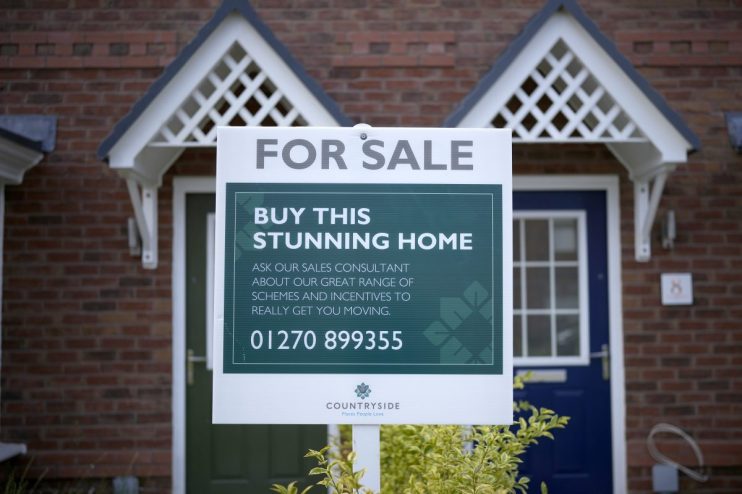 The property market is yet to recover from the speculation preceding the Budget
Mortgage approvals slumped to a two-year low in January as buyers remain cautious following months of damaging uncertainty around the November Budget.
Net mortgage approvals for house purchases dropped to 60,000 in January, six per cent below the 64,100 six-month average, according to new Bank of England figures.
The property market is still suffering from intense speculation over property tax reforms in the leadup to the winter Budget, experts said, though other spending metrics point to a cautious rise in consumer confidence.
The number of net mortgage approvals in January was down two per cent from 61,000 in December, marking the lowest total since 55,946 approvals in January 2024.
Remortgaging approvals also fell between December and January, down one per cent to 38,100.
Brits borrowed less mortgage debt in January, with total borrowing by individuals falling to £4.1bn from £4.5bn the month before.
Property market confidence remains fragileJason Tebb, president of property search website Onthemarket, said: “The inactivity and uncertainty in the run-up to the Budget continued to make itself felt.
“Post-Budget clarity has since helped steady confidence and given buyers and sellers encouragement to press ahead with their plans.”
Karim Haji, head of financial services at KPMG, said uncertainty around household budgets are delaying Brits from making housebuying or mortgaging decisions.
He said: “A softer start to the year for mortgage activity underlines how fragile household confidence remains.
“January’s data suggests many borrowers are still choosing caution, prioritising financial resilience over major commitments after a costly end to 2025.”
Other indicators suggest Brits are gaining spending confidence, with consumer credit rising by more than expected in January, to £1.8bn.
The increase in the amount of cash in households’ bank accounts between December and January was lower than forecast – at £4.2bn, below the £4.5bn predicted – meaning Brits are splashing out more than expected.
The annual growth rate of borrowing by large businesses increased to 9.4 per cent in January, up from 7.7 per cent in December.
Ruth Gregory, deputy chief UK economist at Capital Economics, said: “January’s money and lending data support other evidence that suggests the economy strengthened at the start of the year.
“The growing risk is that an inflationary shock from the event in the Middle East limits interest rate cuts and puts a handbrake on growth this year.”
Similarly tagged content: Sections Categories People & Organisations
Comments (0)