
Remember me




Friday 06 March 2026 1:30 pm | Updated: Friday 06 March 2026 1:33 pm
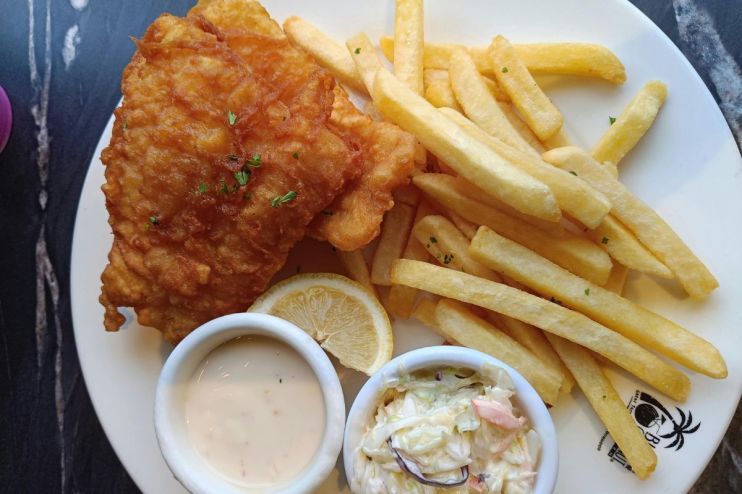 Growing fuel, energy and shipping costs could hit chippies
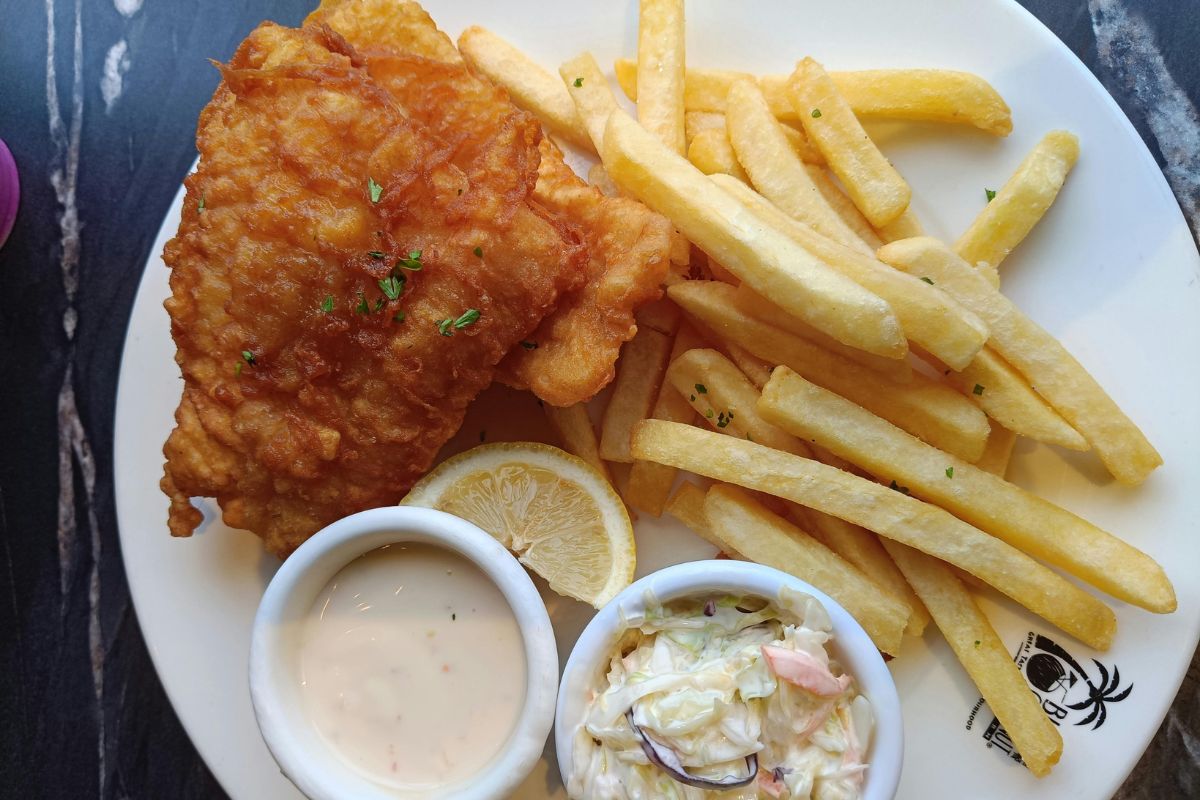
Britain’s beloved fish and chip shops could go under as they brace for the boom in energy and import costs caused by the Iran war, an industry leader has warned.
Andrew Crook, president of the National Federation of Fish Friers (NFFF), told City AM chippie owners across the country are expecting the conflict to add to the pressures they are already facing from tax hikes and rising hiring costs.
Prices on the UK’s gas market doubled following the US-Israeli attack on Iran and Brits have been warned their energy bills could climb by as much as £160 this summer due to the conflict.
A typical combined household gas and electricity bill could soar to £1,800 a year in the UK, according to analysis by consultancy Cornwall Insight.
The crisis also caused an immediate spike in fuel prices, with the RAC estimating average prices rose by 3p per litre for petrol and 5p per litre for diesel between Saturday and Thursday.
Shipping costs are also set to rise due to blocked routes, like the vital Strait of Hormuz, and fuel costs.
The cost of shipping is an “important driver of inflation” according to the International Monetary Fund (IMF).
Chippies brace for supply chain costsAndrew Crook told City AM fish and chip owners are “definitely” going to be affected by these global shocks.
He said: “We’re definitely going to be affected by energy. […] We’re hoping that we get a speedy conclusion to the conflicts. There’s enough instability in the world without something else.”
 Andrew Crook, president of the National Federation of Fish Friers, said chippies are vulnerable due to tax burdens
Crook said the industry has only recently seen energy costs start to fall from the long spike caused by the war between Russia and Ukraine.
Higher shipping costs could acutely affect the fish and chip industry because many shops rely on recyclable and biodegradable packaging shipped from China, he said.
Chippies are particularly vulnerable to high energy costs because they rely on energy-intensive deep fat fryers and frequent fresh food deliveries, according to Molly Monks, an insolvency expert at Parker Walsh.
She told City AM: “Fish and chip shops typically operate on relatively tight margins, so even modest increases in fuel, oil or electricity costs can quickly start to bite.”
Higher energy prices could have knock-on effects on refrigeration, packaging and supplier costs, Monks said, while soaring fuel prices will make deliveries more expensive.
She said: “International events can filter through to everyday businesses very quickly. For firms already operating on narrow margins, even small cost increases can make a big difference.”
The additional costs caused by the conflict in the Middle East come on top of existing pressures including business rates, national insurance contributions and rising minimum wages, Crook said.
The fish and chip shop run by Lesley Graves, the NFFF’s treasurer, faced £500,000 in additional costs due to November’s Budget, Crook said.
Crook said he was recently forced to shut the fish and chip shop he first opened more than 20 years ago, near Chorley in Lancashire, because of soaring tax bills.
He said: “[The government] have taken all the spirit out of things, it’s just a daily grind. Rather than running a business, the business is running you, and that’s how it feels for all of hospitality.”
Similarly tagged content: Sections Categories People & Organisations
Comments (0)