Remember me



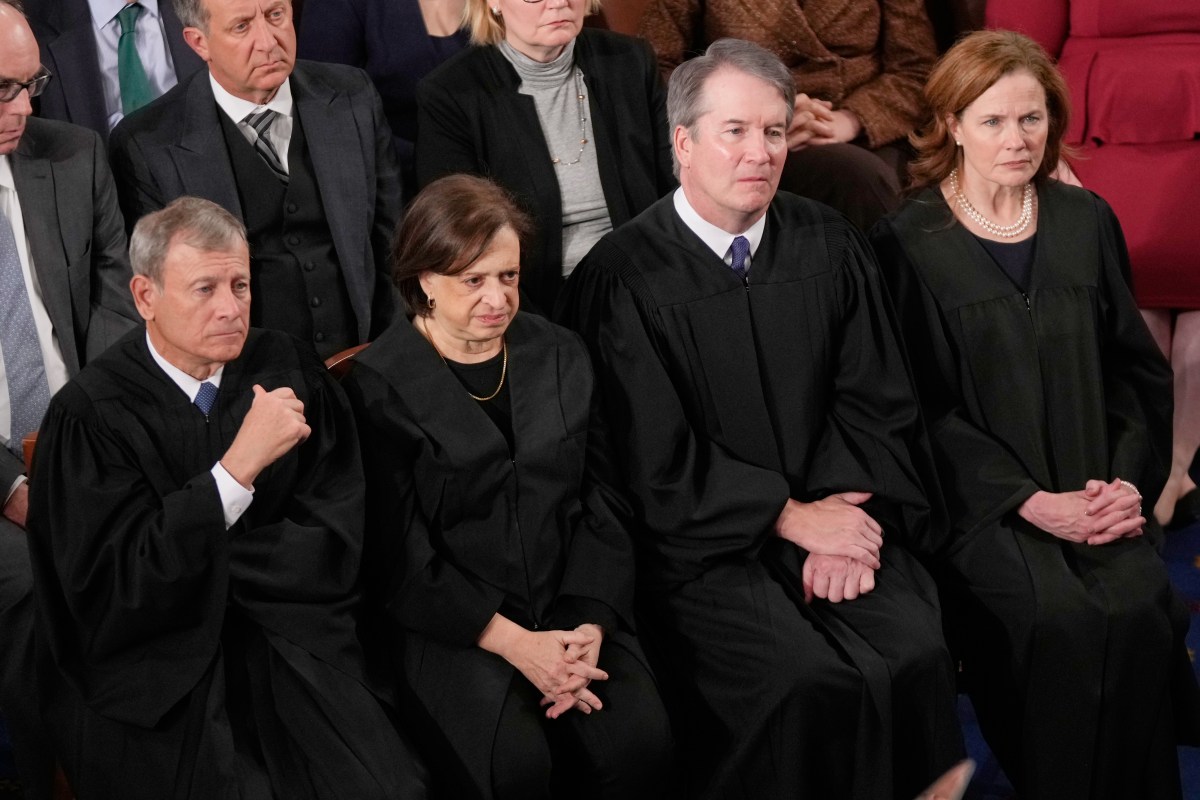


The Supreme Court on Monday cleared the way for California schools to notify parents if their children identify as transgender without first obtaining the student’s consent, granting an emergency appeal brought by a conservative legal group.
The justices’ order temporarily blocks a state law that bars school districts from adopting policies requiring automatic parental notification when students change their pronouns or gender expression at school.
Why It MattersThe Thomas More Society, which represented the religious parents in the case, called it "the most significant parental rights ruling in a generation." The decision adds to a growing body of Supreme Court rulings favoring religious plaintiffs and signals the court's continued willingness to weigh in on transgender-related policies affecting minors, from health care to athletics to school privacy protections.
It also escalates an ongoing standoff between the Trump administration and California over the state's handling of transgender student policies—one that carries significant financial stakes for the state.
Since beginning his second term, President Donald Trump has taken steps to unravel protections for transgender people, signing an executive order on his first day in office declaring that there are "only two genders, male and female."
In another executive order, Trump said the United States would no longer "fund, sponsor, promote, assist, or support the so-called 'transition' of a child from one sex to another" and would seek to cut off funding to Medicare, Medicaid and hospitals that provided or promoted such care. He has also barred transgender people from serving in the armed forces and transgender student-athletes from playing on teams corresponding with their gender identity.
What To KnowTwo sets of Catholic parents represented by the Thomas More Society challenged California school policies they said caused schools to mislead them and secretly facilitate their children's social transition despite their objections. California argued that students have a right to privacy about their gender expression, particularly if they fear rejection from their families, and that the policies were designed to balance student privacy with parental rights.
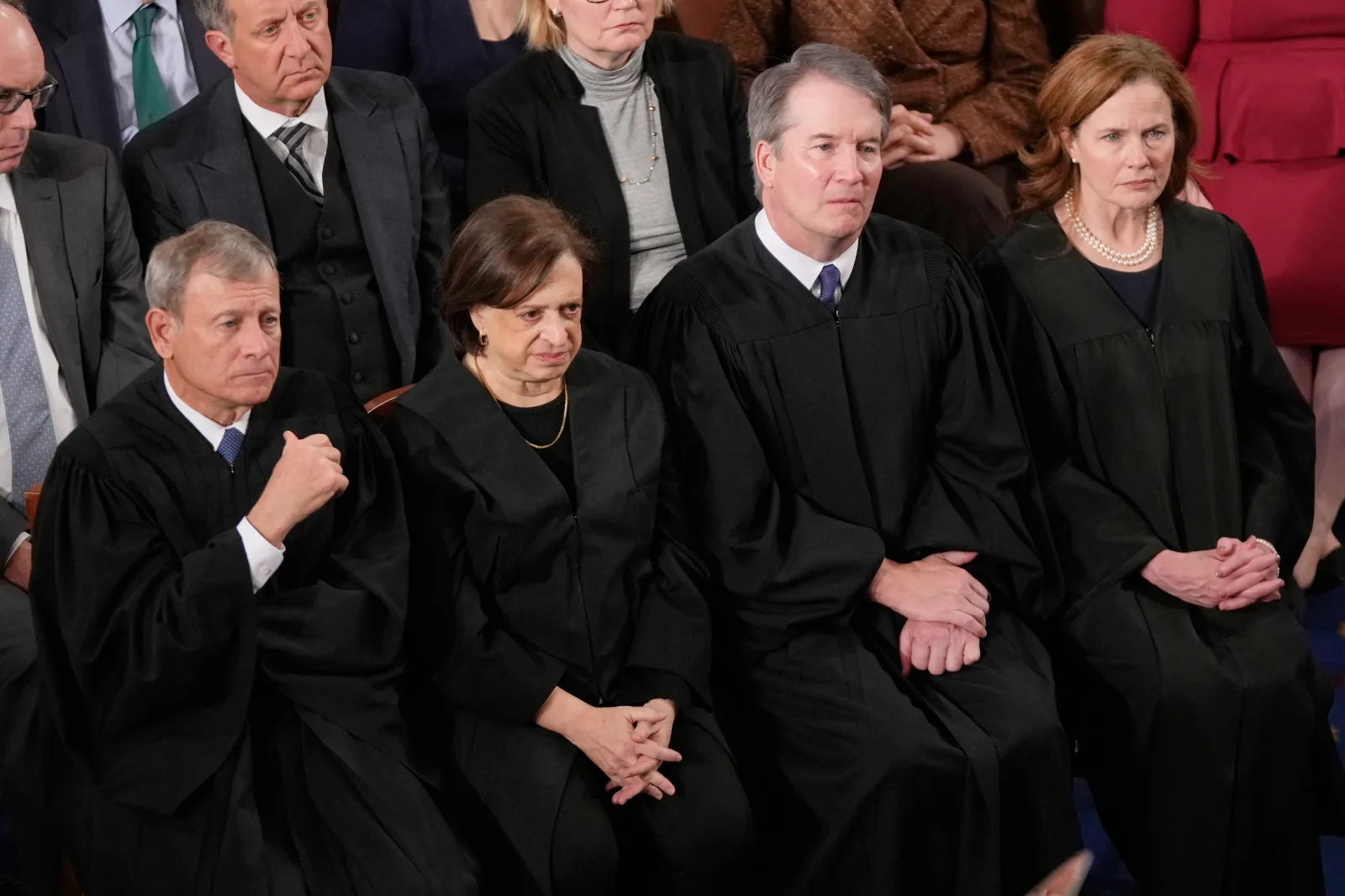
The High Court majority sided with the parents and reinstated a lower-court order blocking the law and school policies while the legal challenge proceeds. Conservative Justices Samuel Alito and Clarence Thomas noted they would have gone further, also granting an appeal from teachers who sought to have restrictions lifted for them as well.
The legal battle has been building for months. In January, Secretary of Education Linda McMahon announced that a federal investigation had determined California "egregiously abused" its authority by pressuring local school districts to conceal transgender students' gender identities from their parents. "Children do not belong to the State — they belong to families," McMahon said. The findings put at risk nearly $8 billion in annual federal education funding California receives if the state does not come into compliance. The state's Department of Education said it was reviewing McMahon's letter but maintained there was no conflict between the state law and federal privacy requirements.
The law at the center of the dispute, AB 1955, was signed by Democratic California Governor Gavin Newsom in 2024 and banned school staff from outing transgender and gay students to their parents. The Trump administration launched an investigation into California's Department of Education in March 2025, alleging the state was helping students socially transition at school while concealing their gender identities from families in violation of the Family Educational Rights and Privacy Act. The Education Department said California could resolve the violations by directing districts to inform parents of gender support plans in place for students and certifying compliance with federal privacy law.
The ruling comes months after the court upheld state bans on gender-identity-related health care for minors, and as the justices appear to be leaning toward allowing states to ban transgender athletes from competing on girls' sports teams. The court rebuffed a similar parental notification case out of Wisconsin in December, though three conservative justices indicated they would have heard it.
The justices are also weighing whether to take up cases out of Massachusetts and Florida filed by parents who say schools facilitated social transitions without informing them. The Trump administration has separately sued California over its policy allowing transgender athletes to compete in girls' sports and has threatened to withhold federal funding over the matter.
What People Are SayingThe court's majority, in an unsigned order: "The parents who assert a free exercise claim have sincere religious beliefs about sex and gender, and they feel a religious obligation to raise their children in accordance with those beliefs. California's policies violate those beliefs."
Justice Elena Kagan: "If nothing else, this Court owes it to a sovereign State to avoid throwing over its policies in a slapdash way, if the Court can provide normal procedures. And throwing over a State’s policy is what the Court does today.”
Democratic California State Senator Scott Wiener, on X in December: “I’ve passed some of the strongest protections for trans people in the country—from safeguarding gender-affirming care to protecting youth and families fleeing hostile states. As the federal government ramps up its attacks, I will always stand between trans people and harm.”
What Happens NextThe case will continue to move through the lower courts while the California law and school policies remain blocked.
Reporting from the Associated Press contributed to this article.
Update 3/2/26, 8:05 p.m. ET: This article has been updated with additional information.