
Remember me
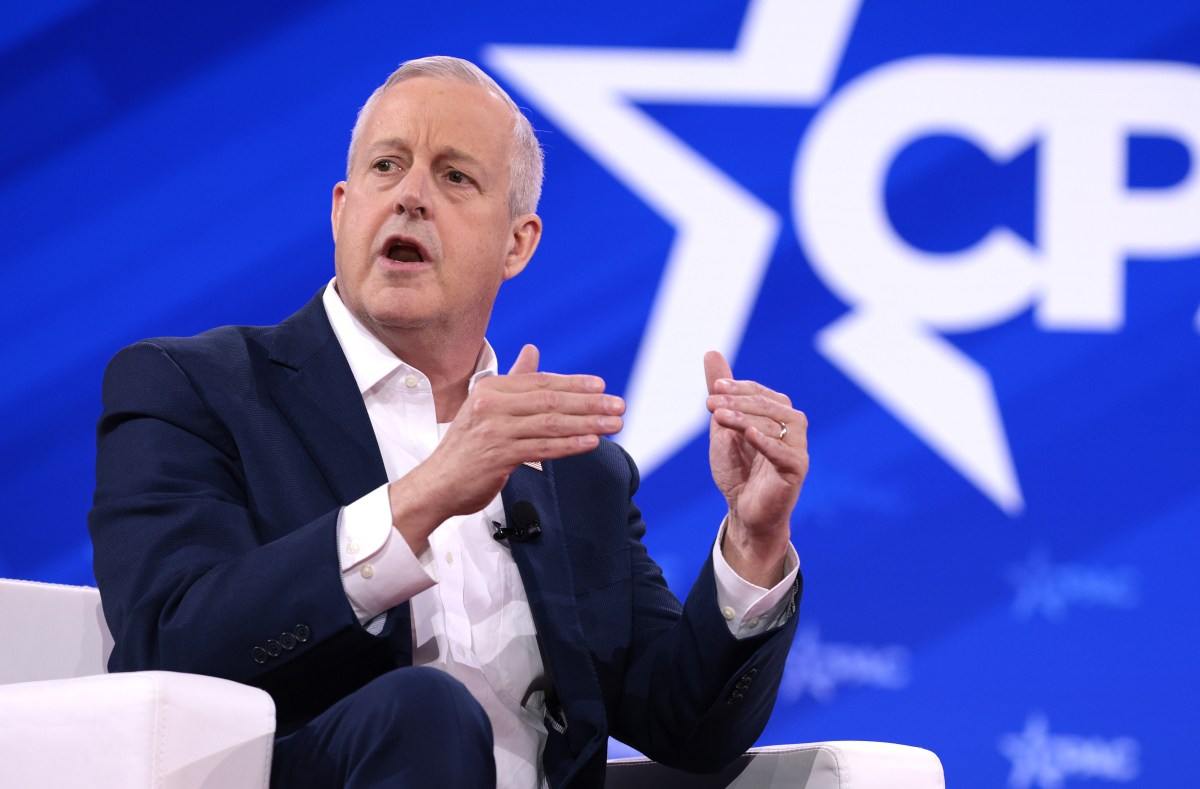



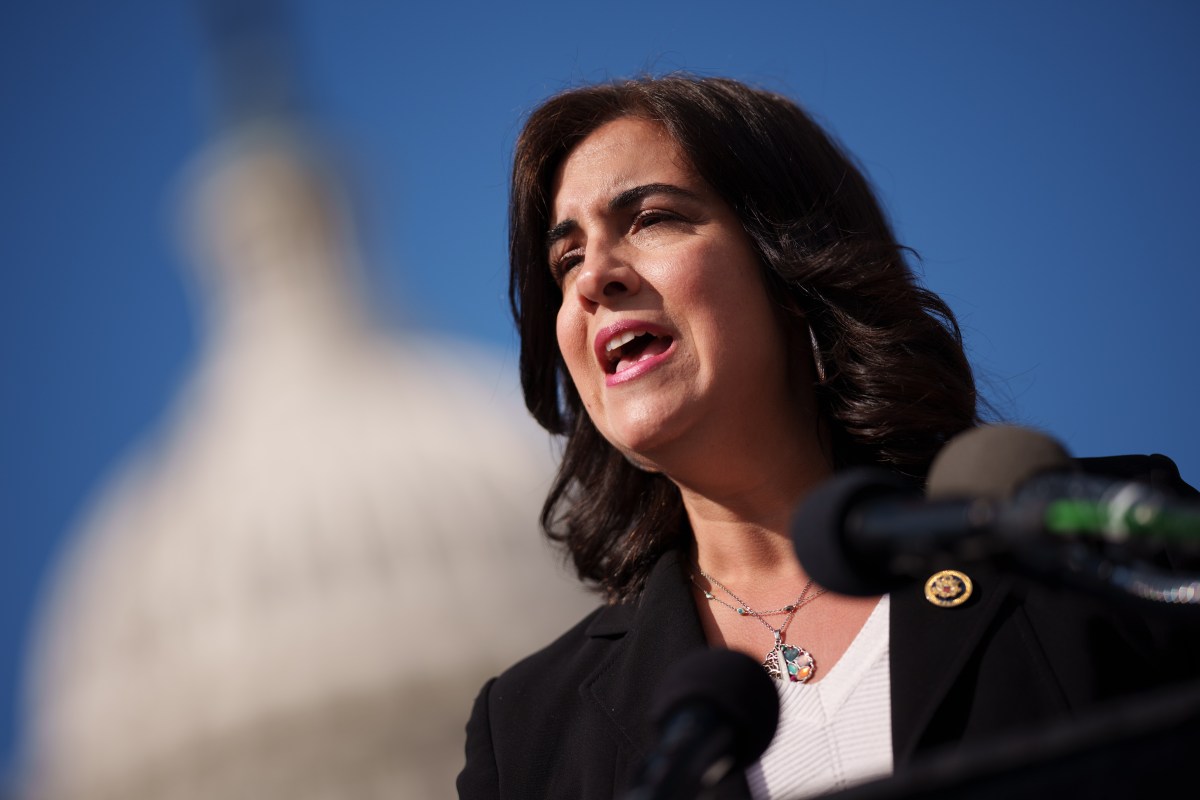

Michael Whatley, the former chairman of the Republican National Committee, has won the Republican primary for U.S. Senate in North Carolina, clearing the way for what is expected to be one of the most closely watched and expensive Senate races of the 2026 midterm cycle. His victory sets up a high‑profile general election contest against former Democratic Governor Roy Cooper, a matchup that both parties see as pivotal to determining control of the U.S. Senate.
Whatley was declared the winner with 64 percent of the vote counted, according to the Associated Press at 8:40 p.m. ET.
North Carolina’s Senate seat is open following Republican Thom Tillis’ decision not to seek reelection after repeated clashes with President Donald Trump. The vacancy has transformed the race into a national battleground, and the open seat has left Democrats hopeful that they can regain control of it after it has been held by Republicans for over 50 years.
Whatley entered the race as the clear establishment and Trump‑aligned favorite, buoyed by his deep ties to the GOP’s national fundraising apparatus and his close relationship with the president. His primary win now shifts the focus to a general election that could decide whether Republicans maintain their narrow Senate majority or whether Democrats succeed in flipping one of their top target seats.
Michael Whatley’s Chances of Beating Roy CooperWhatley faces a formidable opponent in Cooper, a two‑term governor who has never lost a statewide election in North Carolina even as the state has trended Republican in federal races. Democrats recruited Cooper aggressively, viewing him as their strongest possible nominee in a state that has not elected a Democratic U.S. senator since 2008.
Early general‑election analysis suggests the race will hinge on whether Whatley can successfully nationalize the contest around Trump’s agenda, or whether Cooper can localize it by emphasizing his record as governor and appealing to moderate and independent voters. Political analysts have described the matchup as a classic contrast between a party insider closely tied to Trump and a former executive with crossover appeal in a politically divided state.
North Carolina’s recent electoral history underscores how narrow the margins are likely to be. Trump carried the state in his presidential campaigns, but Democrats have continued to win statewide offices, including the governorship. That split voting pattern has made the state a perennial battleground and a proving ground for national political trends.
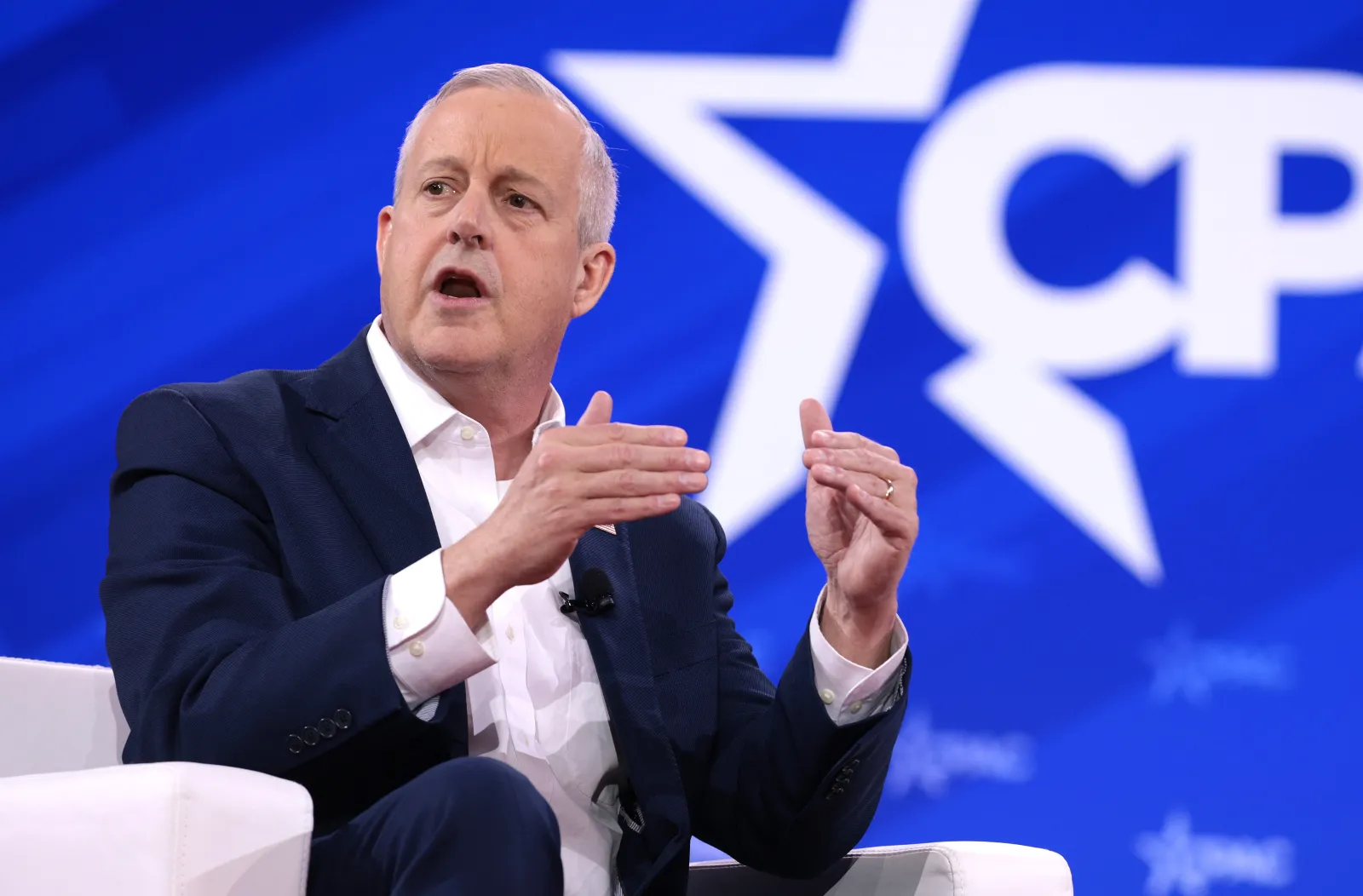
Whatley’s allies argue that his lack of a voting record in Washington shields him from Democratic attacks and allows him to run as a fresh conservative voice aligned with Trump’s priorities. His campaign has framed Cooper as a Democrat who would empower the party’s progressive wing in Washington, a message Republicans believe will resonate with GOP‑leaning voters in a midterm election environment.
Still, Cooper enters the general election with significant advantages of his own, including broad name recognition, a history of winning rural and suburban counties, and strong fundraising potential. National Democrats see North Carolina as one of their clearest paths to a Senate pickup, even as they acknowledge the uphill climb in a state Trump has repeatedly won.
Did Donald Trump Endorse Michael Whatley?Trump endorsed Whatley early and decisively, but it failed to clear the field of opponents. Whatley had six opponents in the race, although polling ahead of the race indicated Whatley had a significant advantage. Trump publicly encouraged Whatley to run after Tillis announced his retirement and later issued a “complete and total endorsement” on Truth Social.
Trump's backing helped shape the primary campaign itself. Polling ahead of the primary showed that Republican voters who approved of Trump overwhelmingly supported Whatley, reinforcing the president’s continued influence over Republican primaries in swing states.
During the campaign, Whatley leaned heavily into that relationship, presenting himself as a loyal ally who would advance Trump’s legislative priorities in the Senate. His messaging emphasized immigration, energy policy, and opposition to Democratic leadership in Washington, themes closely aligned with Trump’s platform.
At the same time, Trump’s endorsement could complicate the general election. Democrats are expected to make Trump a central issue in the fall campaign, arguing that a vote for Whatley is effectively a vote to strengthen Trump’s influence in Congress. Cooper has already signaled that he plans to tie Whatley to national Republican policies that may be unpopular with moderate voters.
Democrats’ Chances of Flipping Senate From RepublicansDemocrats view North Carolina as one of their top Senate pickup opportunities in 2026, alongside races in Maine, Alaska, and Ohio. With Republicans holding a narrow majority, flipping a small number of seats could be enough to shift control of the chamber.
The Cooper‑Whatley matchup gives Democrats a candidate they believe can compete statewide while avoiding some of the pitfalls that have plagued previous nominees. Cooper’s record as governor, including repeated wins in a state that often favors Republicans at the federal level, has made him a centerpiece of the party’s Senate strategy.
However, the path to victory remains narrow. Republicans have won every U.S. Senate race in North Carolina since 2010, and national GOP groups are expected to invest heavily to defend the seat. Outside spending could push total expenditures into the hundreds of millions of dollars, making it one of the most expensive Senate races in U.S. history.
Democrats will also have to contend with the broader national political environment. Midterm elections often serve as a referendum on the sitting president, and Republican strategists believe Trump’s continued popularity among GOP voters will help drive turnout. At the same time, Democrats are betting that suburban voters and independents remain wary of Trump‑aligned candidates.
For Republicans, holding the North Carolina seat is critical to maintaining their Senate majority. Losing it would force the party to offset the loss elsewhere, potentially in states that are even more competitive or less favorable to the GOP. That reality has elevated the race to a top priority for both parties’ national committees.
As the general election campaign begins, both sides are bracing for months of intense advertising, ground operations, and national attention. With Whatley’s primary victory now official, the contest between a Trump‑backed Republican insider and a veteran Democratic governor is set to become one of the defining political battles of 2026.

In a polarized era, the center is dismissed as bland. At Newsweek, ours is different: The Courageous Center—it's not "both sides," it's sharp, challenging and alive with ideas. We follow facts, not factions. If that sounds like the kind of journalism you want to see thrive, we need you.
When you become a Newsweek Member, you support a mission to keep the center strong and vibrant. Members enjoy: Ad-free browsing, exclusive content and editor conversations. Help keep the center courageous. Join today.
