Inscription of LOONG CRY TEMPLE
LOONG CRY TEMPLE was originally known as the Temple of the Dragon Girl.
It was believed to be the earthly sanctuary of the Dragon Girl, daughter of the Loong King Sāgara, revered for her great merit and awakening. The temple was built upon the remaining foundations of an earlier shrine dating to the Sui dynasty (581–618 CE), on the northern bank of the Hejiang River.
During the Zhenyuan era of the Tang dynasty, the temple was renamed by the monk Huiyin.
Huiyin was originally a Persian merchant named Rūs.
In 647 CE, when the Persian king Yazdegerd III sought military aid from Emperor Taizong of Tang against the Arab invasion, Rūs entered the Tang empire as part of the embassy.
While passing through the city of Kucha, Rūs lodged one night outside the city in an abandoned monastery. Deep into the night, he suddenly heard the sound of a bili—a reed pipe—coming from beyond the walls.
The sound was like sand rising into the desert air, like stars falling into a silver dish, drifting and elusive, as though an immortal had arrived.
Rūs was skilled in music, especially wind instruments. Following the sound, he encountered a monk. Rūs bowed and said,
“Master, your playing of the bili is beyond human skill. To hear such music, even death would bring no regret.”
The monk replied, producing the instrument:
“It is not my skill, but this bili. It is cast from the silver of White Mountain, with a mouthpiece of white jade and a bell of rhinoceros horn. Through it may be sounded the tones of the heavenly realms.”
White Mountain was the sacred volcano of Kucha, from which its kings took the surname Bai.
Rūs desired the bili deeply. When the time came to part, he offered ten thousand taels of gold for it.
The monk said, “This city will soon see war. I am leaving for India. I want no gold—only a horse.”
Rūs immediately brought forth a Persian steed. The monk left the bili behind and rode away.
After the monk departed, Rūs tried to play the instrument, but it produced only ordinary sounds.
He sighed, “Indeed, it was the monk’s skill, not mine.”
Later, in the capital, Rūs invited many masters of the bili to play it. All produced only common tones.
Yet Rūs treasured the instrument and carried it with him daily.
In the eighth month of that year, while trading in Shu, Rūs passed through Luzhou and stayed overnight at the Temple of the Dragon Girl.
The monks there saw the bili and asked him to play. Rūs performed a piece called Shan Shan Mani.
Before the tune was finished, a cool wind arose, clouds parted, and mist cleared, as if lotus flowers were about to bloom from the earth.
Suddenly the tempo quickened, like ten thousand horses crying out together, the sound reaching the heavens. The monks were struck with awe.
When the music ended, a monk rushed in, saying that frantic noises were coming from beneath the floor of the rear hall.
They dug into the ground and uncovered a silver bell, engraved with characters unlike Chinese script. Rūs recognized them as the writing of Kucha.
“This bell,” he said, “is also made from the silver of White Mountain. It resonated with the bili just now.”
The monks hung the bell in the southwest corner of the rear hall.
That night, Rūs heard a voice outside his window say,
“Today I heard the heavenly sound and awakened at once. I may now depart.”
The next morning, a gatekeeper reported that someone had left the temple heading west. The figure resembled the clay statue of the attendant leading a qilin in the Hall of the Good Daughter.
Upon inspection, the colors of that statue alone had faded away, while the others remained unchanged.
In 651 CE, one night while Rūs’s boat was moored at Jiangjin, he played the bili for fellow merchants.
At the opening notes, the sound rode the wind in sorrowful clarity, long and piercing, and all who heard it were moved to grief.
Midway through the performance, the bili suddenly split in two and could no longer produce sound.
The following month, Rūs returned to the Temple of the Dragon Girl and found that the silver bell in the rear hall had also cracked.
The monks said that earlier that month, the bell had rung three times without wind, then shattered and fallen silent.
Rūs turned toward the northwest and sighed.
“White Mountain must have collapsed.”
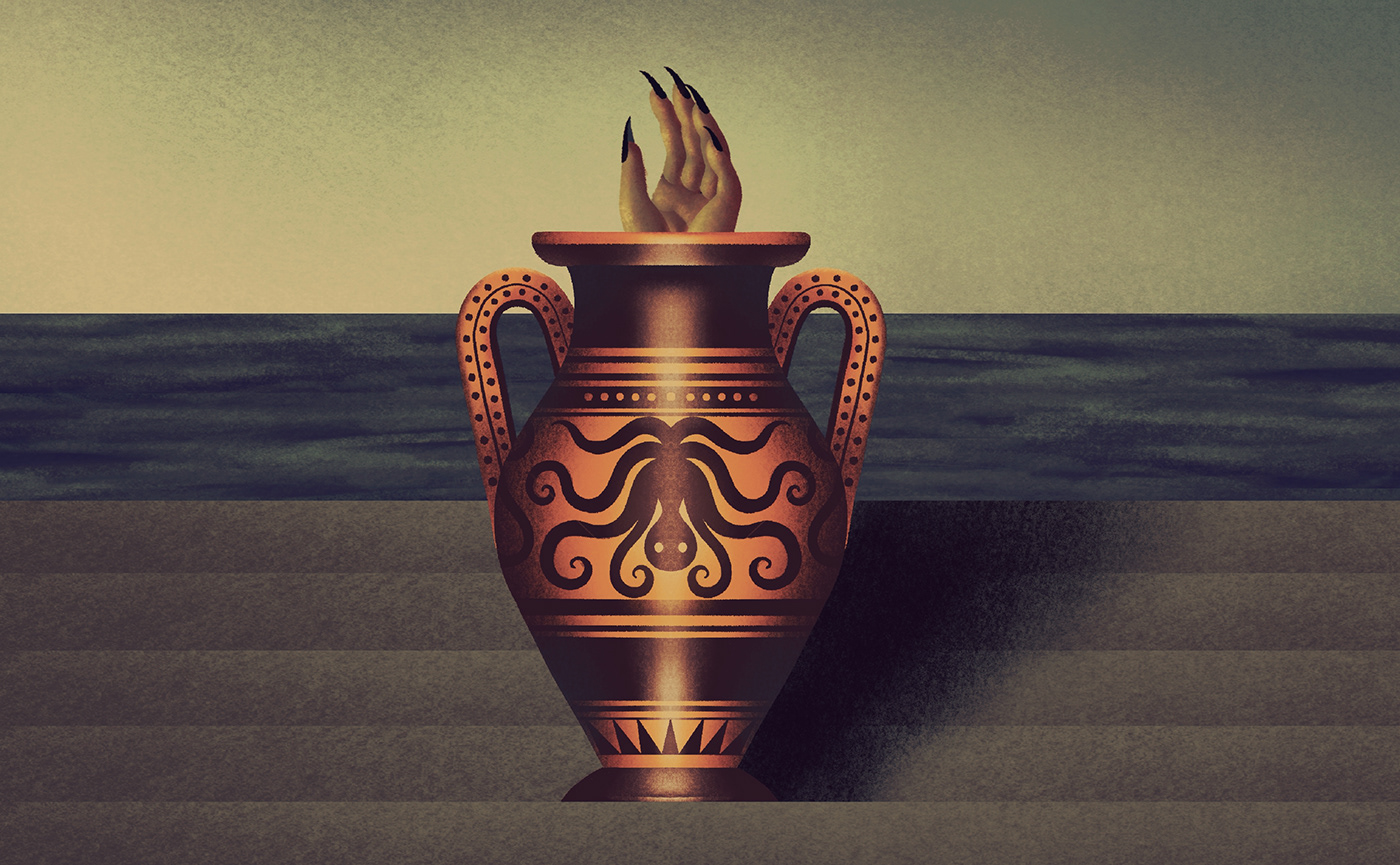
He asked the monks to place the broken bili in a wooden casket and store it in the rear hall. From that day on, he abandoned music entirely.
That same year, in 651 CE, the Arab Empire destroyed the Persian kingdom.
Rūs shaved his head at the Temple of the Dragon Girl and became a monk, taking the name Huiyin.
In 786 CE, it was said that a woodcutter on Gorge Mountain cut into a stand of bamboo, from which a bamboo-born loong suddenly flew out. The woodcutter severed one of its legs. The loong rose into the clouds and vanished.
The following month, in Zizhou, a loong more than three meters long, missing one leg, was found.
It was presented to Wei Gao, Military Governor of Xichuan. Wei Gao coiled it like a snake in a wooden cage and displayed it in the hall of Daci Temple. Crowds gathered to see it.
After two days, Huiyin urged Wei Gao to release the loong. Wei Gao refused, and the loong gradually dried up and died.
Soon thereafter, torrential rains fell across Shu for an entire month. Floodwaters engulfed Daci Temple, drowning more than a hundred monks.
As floods continued to plague the Min River, rumors spread that venomous loongs dwelling in Gorge Mountain were the source of the calamities. Wei Gao went to pray at the Temple of the Dragon Girl.
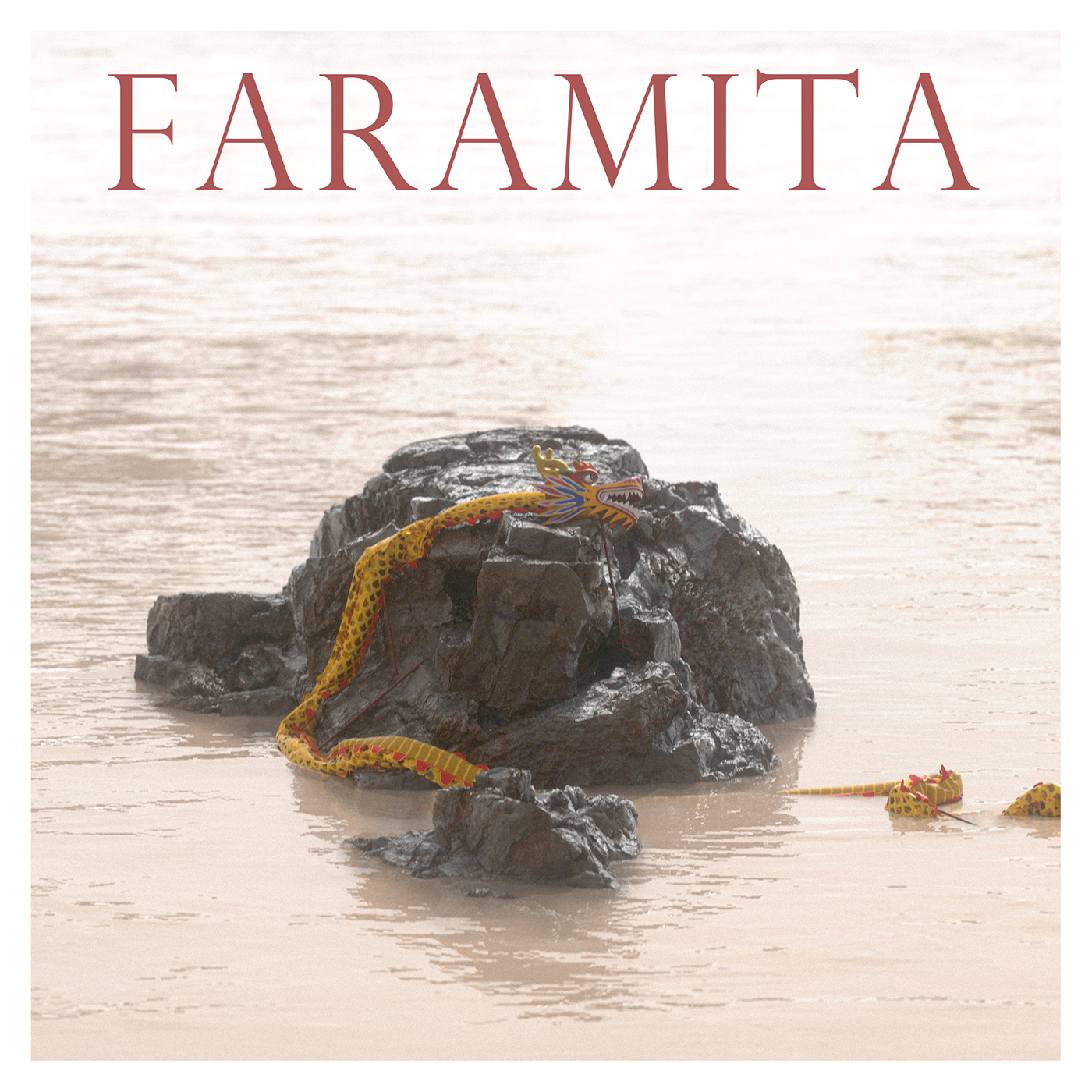
Huiyin led him to a cliff behind the temple, where a massive rock resembled the head of a loong.
“This stone is called Dragonhead Rock,” said the monk.
“Have artisans carve from it an image of the Loong King and set it at the mouth of the Hejiang. The venomous loongs will no longer dare to emerge.”
Wei Gao followed his counsel and funded the construction with five hundred thousand strings of cash.
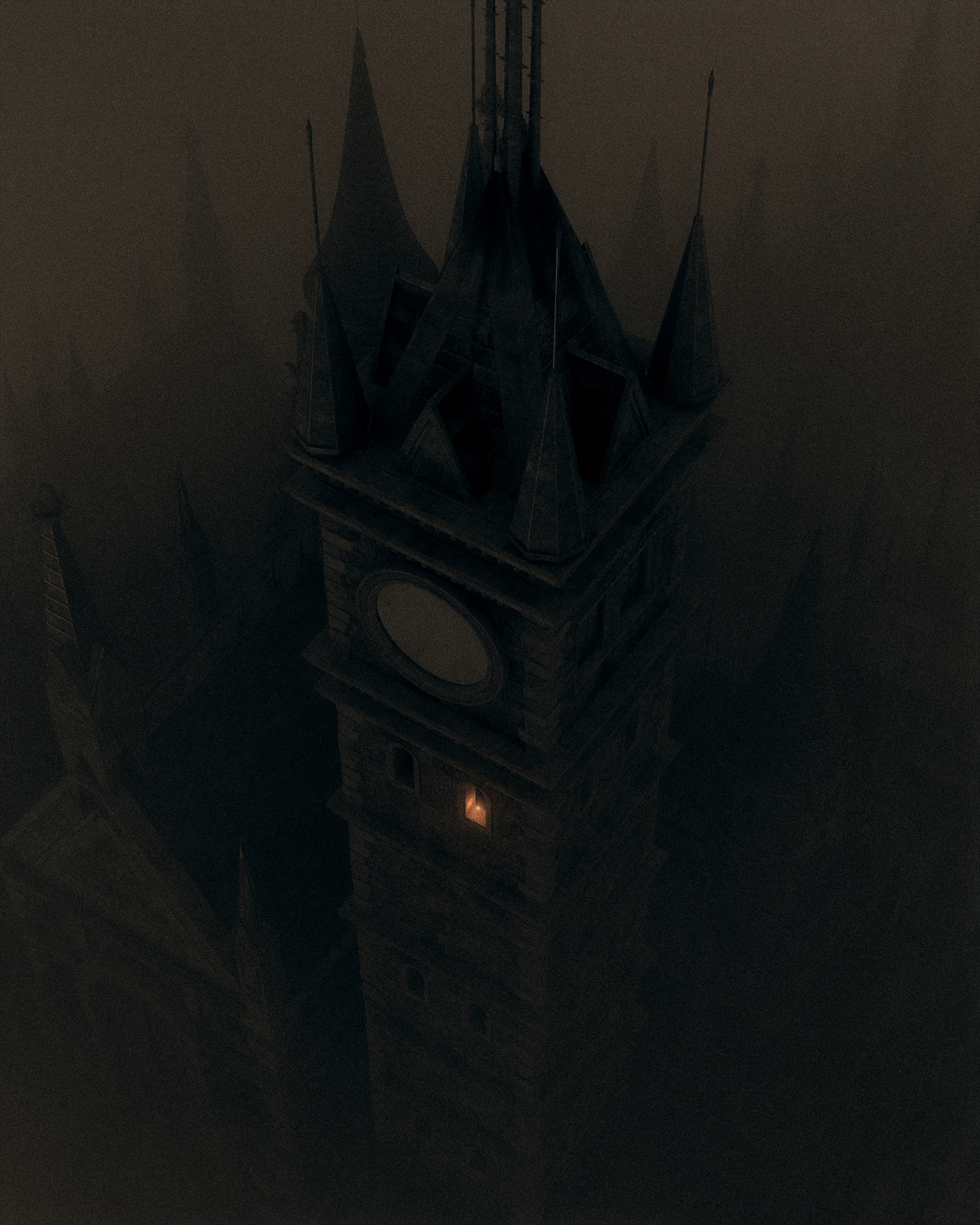
In 796 CE, the Loong King statue was completed, rising more than sixty meters high. On clear days it could be seen from beyond several mountains.
At night, when fierce winds passed over its head, it emitted a horn-like wail audible for more than ten li.
Often, river loongs (Yangtze loongs) rose from the waters and cried toward the temple, mistaking the sound for that of their own kind.
For this reason, Huiyin renamed the temple LOONG CRY TEMPLE.
On the eighth day of the fourth month, the temple was richly adorned. Wei Gao summoned musicians to perform in celebration. The people gathered to worship, and boats crowded the riverbanks like a market.
Strings and pipes, feats and spectacles dazzled the eyes.
Suddenly, from the rear hall came a shrill cry—like tiger roars and loong howls—shaking heaven and stirring spirits.
The crowd traced the sound to a wooden casket. From within came a mournful cry, which gradually faded and vanished.
When the casket was opened, it was empty.
Huiyin said,
“When there are no others left in the world, one departs in stillness to behold Bodhi.”
He then sat cross-legged. When his disciples approached to pay homage, they found that he had already entered nirvana, at the age of one hundred and sixty.





Comments (0)