Follow our live coverage here.
– US President Donald Trump encouraged Iranian Kurdish forces in Iraq to launch attacks against Iran as the Middle East conflict widened, with Azerbaijan warning it would retaliate for being targeted by Iranian missiles.
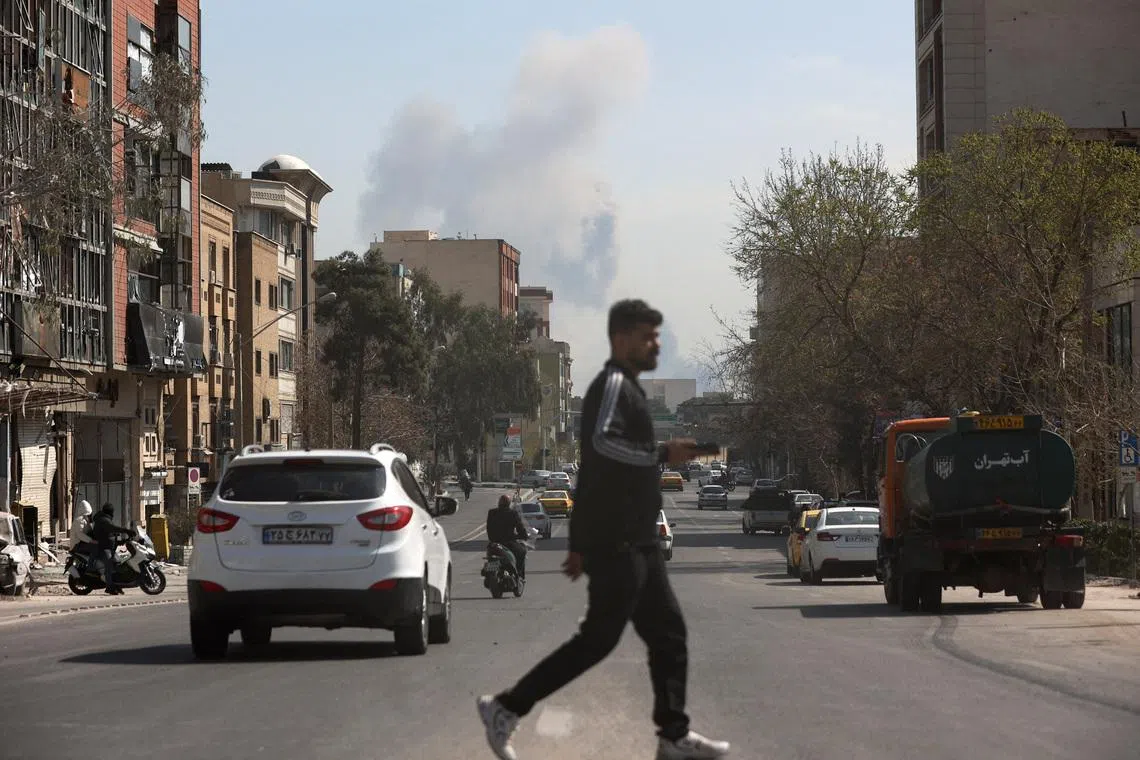
Israel on March 6 said it had started a “broad-scale” wave of attacks against infrastructure targets in Tehran, as Gulf cities came under renewed bombardment by Iran.
The seven-day war has now seen Iran target Israel, the Gulf states, Cyprus, Turkey and Azerbaijan, and spread to the Indian Ocean off Sri Lanka where a US submarine sank an Iranian naval ship
.
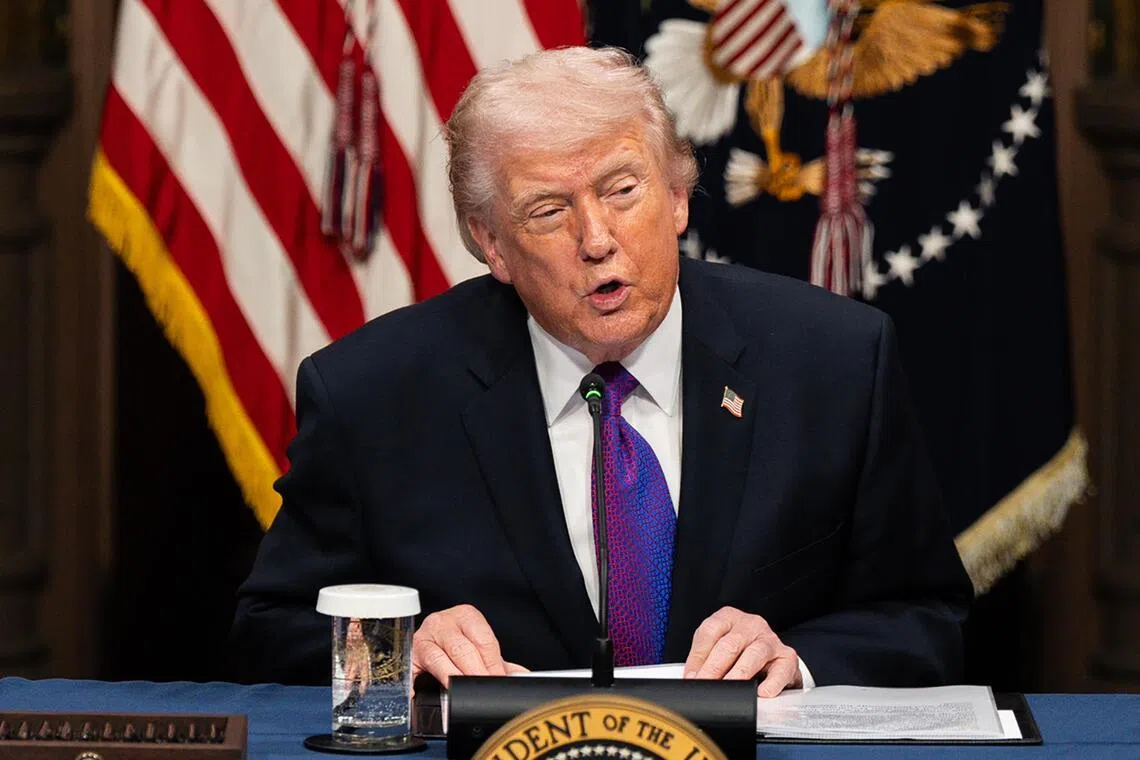
On the possibility of the Iranian Kurdish forces entering Iran, Mr Trump told Reuters on March 5: “I think it’s wonderful that they want to do that, I’d be all for it.”
Two Iranian drone attacks targeted an Iranian opposition camp in Iraqi Kurdistan on March 5, security sources said.
Iranian Kurdish militias have consulted with the US in recent days about whether, and how, to attack Iran’s security forces in the western part of the country, according to three sources with knowledge of the matter.
The Iranian Kurdish coalition of groups based on the Iran-Iraq border in the semi-autonomous region of Iraqi Kurdistan has been training to mount such an attack in hopes of weakening the country’s military, as the US and Israel pound Iranian targets with bombs and missiles.
Mr Trump, speaking with Reuters in a telephone interview, also said the US must have a role in deciding who will be the next leader of Iran after air strikes killed Supreme Leader Ayatollah Ali Khamenei last week.
“We’re going to have to choose that person along with Iran. We’re going to have to choose that person,” he said.
US Defence Secretary Pete Hegseth on March 5 said the US was not expanding its military objectives in Iran
, despite what Mr Trump said about choosing the country’s next leader.
“There’s no expansion in our objectives. We know exactly what we’re trying to achieve,” he said.
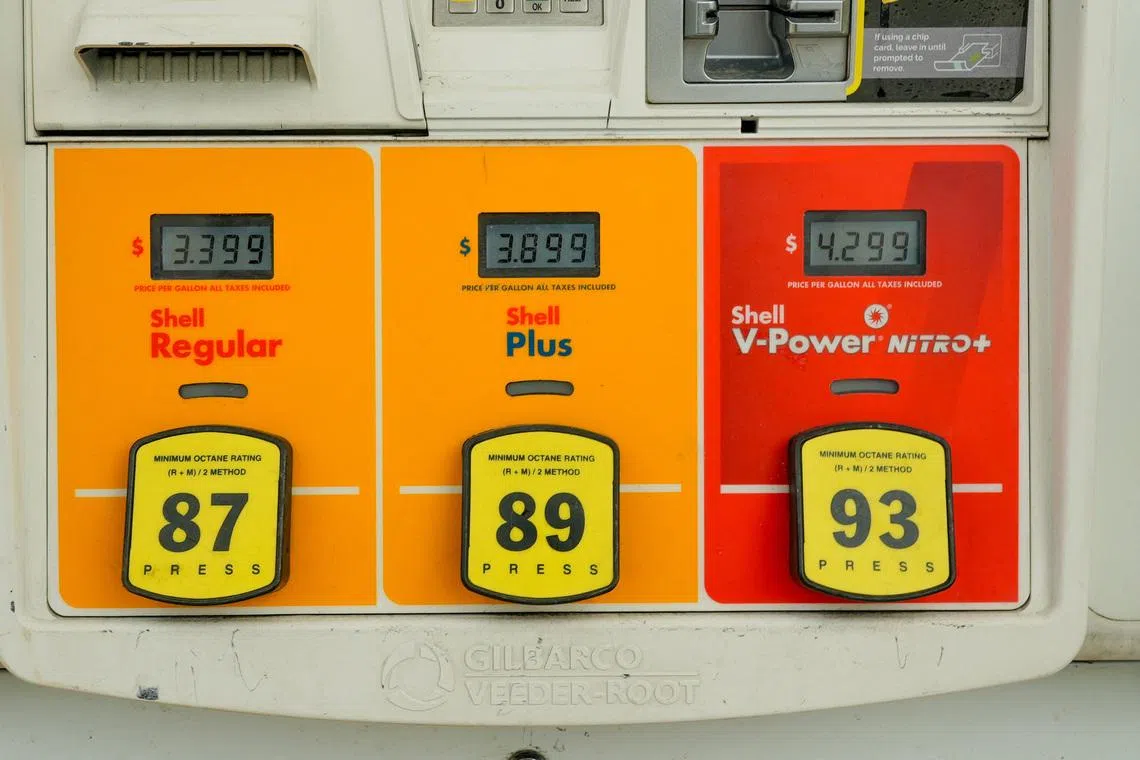
The attack on Iran is a major political gamble for the Republican president, with opinion polls showing little support and Americans concerned about the rise in petrol prices caused by disruption to energy supplies. Mr Trump dismissed that concern.
Shares on Wall Street fell on March 5, weighed by surging oil prices, as the economic impact of the campaign intensified, with countries around the world cut off from a fifth of global supplies of oil and liquefied natural gas and air transport still facing chaos and global logistics increasingly snarled.
Azerbaijan was preparing unspecified retaliatory measures on March 5 after it said four Iranian drones crossed its border and injured four people in the Nakhchivan exclave.
“We will not tolerate this unprovoked act of terror and aggression against Azerbaijan,” President Ilham Aliyev told a meeting of his Security Council.
Iran, which has a significant Azeri minority, denied it targeted its neighbour.
Lebanon’s Iran-backed Hezbollah militia warned Israeli residents to evacuate towns within 5km of the border between the countries in a message posted on its Telegram channel in Hebrew early on March 6.
“Your military’s aggression against Lebanese sovereignty and safe citizens, the destruction of civilian infrastructure and the expulsion campaign it is carrying out will not go unchallenged,” it said.
Mr Hegseth and Admiral Brad Cooper, who leads US forces in the Middle East, said during a briefing about operations that the US has enough munitions to continue its bombardment indefinitely.
“Iran is hoping that we cannot sustain this, which is a really bad miscalculation,” Mr Hegseth told reporters at Central Command headquarters in Florida. “Our munitions are full up and our will is ironclad.”
The Pentagon earlier this week said the military campaign, known as Operation Epic Fury, is focused on destroying Iran’s offensive missiles, missile production and navy, while not allowing Tehran to have a nuclear weapon.
Adm Cooper said the US had now hit at least 30 Iranian ships, including a large drone carrier that he said was the size of a World War II aircraft carrier.
He added that B-2 bombers had in the past few hours dropped dozens of 2,000 penetrator bombs targeting deeply buried ballistic missile launchers, and that bombings were also targeting Iran’s missile production facilities.
Iran’s ballistic missile attacks had decreased by 90 per cent since the first day of the war, while drone attacks had decreased by 83 per cent in that time frame, he said.
In Iran, at least 1,230 people have been killed, according to the Iranian Red Crescent Society, including 175 schoolgirls and staff killed at a primary school in Minab in the country’s south on the first day of the war.
Another 77 have been killed in Lebanon, its Health Ministry says. Thousands fled southern Beirut on March 5 after Israel warned residents to leave. REUTERS





Comments (0)