Emergency-Kit Essentials You Need to Stash in Your Car
An effective emergency kit isn't static—it evolves with your vehicle, your climate, and the roads you travel.
Vehicle-Specific Needs
Your vehicle should dictate part of your planning. Cargo space in a compact hatchback is very different from a full-size SUV or pickup, so scale your kit accordingly without sacrificing core essentials. Consider the mechanical realities of your vehicle as well: For example, EV owners may want to include charging adapters.
Climate
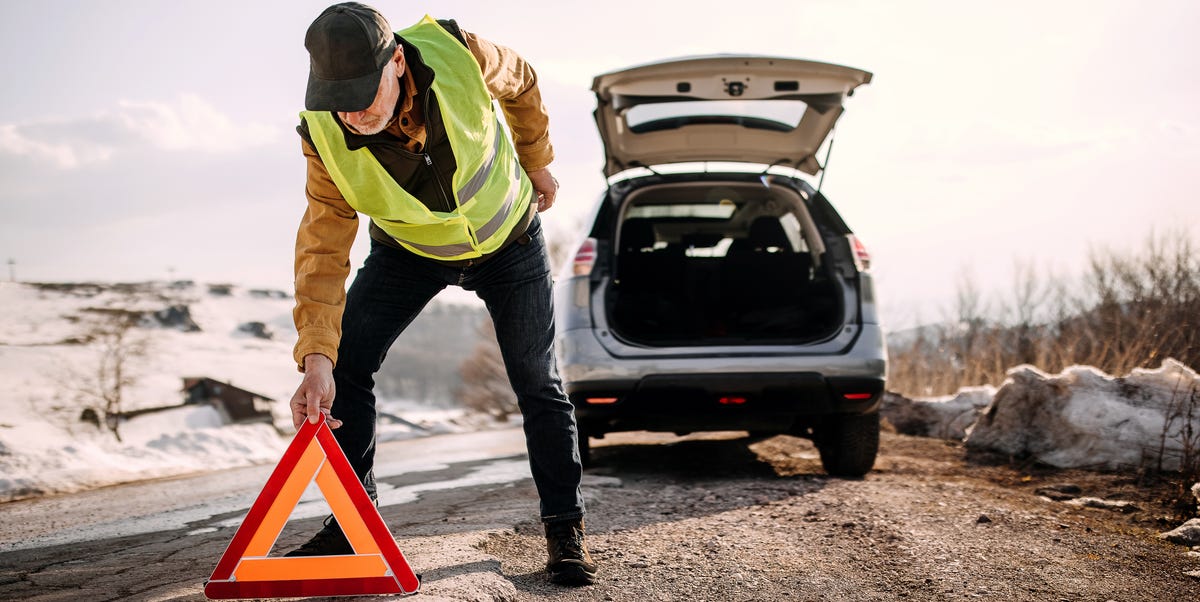
Your environment shapes your risks. In cold-weather regions, thermal blankets, hand warmers, and a snow shovel can be critical if you're stranded. In extreme heat, extra drinking water, electrolyte supplements, and sunscreen might be key. Humid or rainy climates may call for waterproof storage, umbrellas or ponchos, and dry clothing. Remember to plan for conditions outside the vehicle too; mechanical failures can leave you without heat or air conditioning for hours, or you might have to hike for help.
Communication
The ability to call for help is critical. Keep phone-charging cables in your vehicle and include at least one portable battery in your kit. In remote areas, a paper map may provide additional security if cell service is unreliable.
Medical Needs
In addition to standard supplies such as bandages, antiseptics, and gauze, consider including a tourniquet and an emergency blanket. Personal medications should be readily accessible too, and critical items like inhalers or EpiPens should be stored in temperature-appropriate containers to maintain effectiveness.
Review & Refresh
Finally, check your car emergency kit at least twice a year and before every road trip. Replace expired food, rotate water, fully charge all electronics, and reassess your kit's contents as your needs and drives change.








Comments (0)