
Remember me
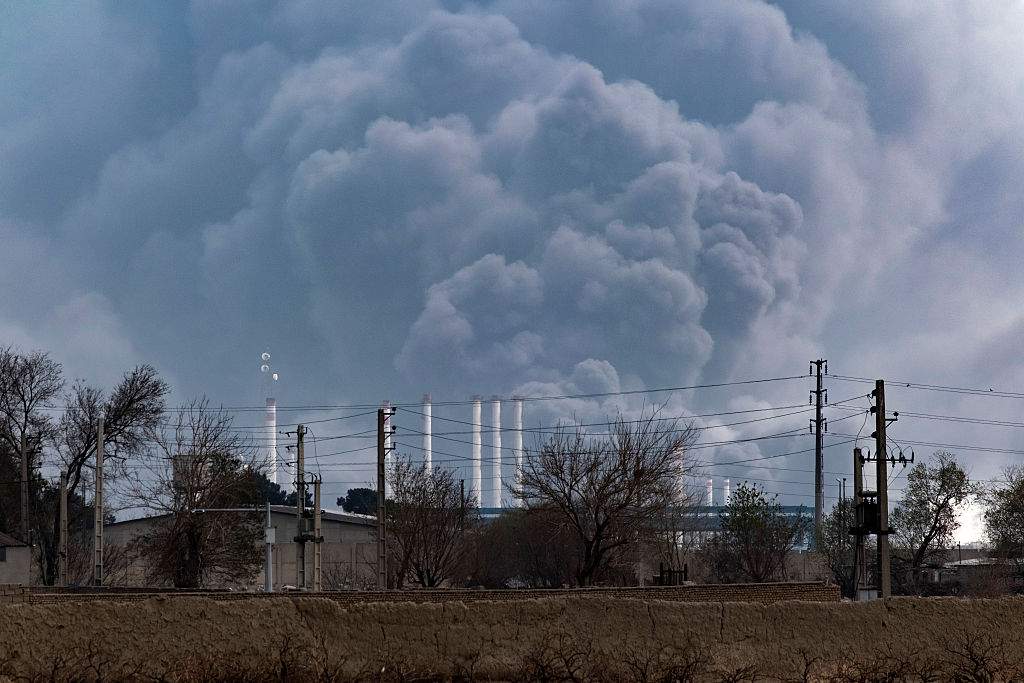


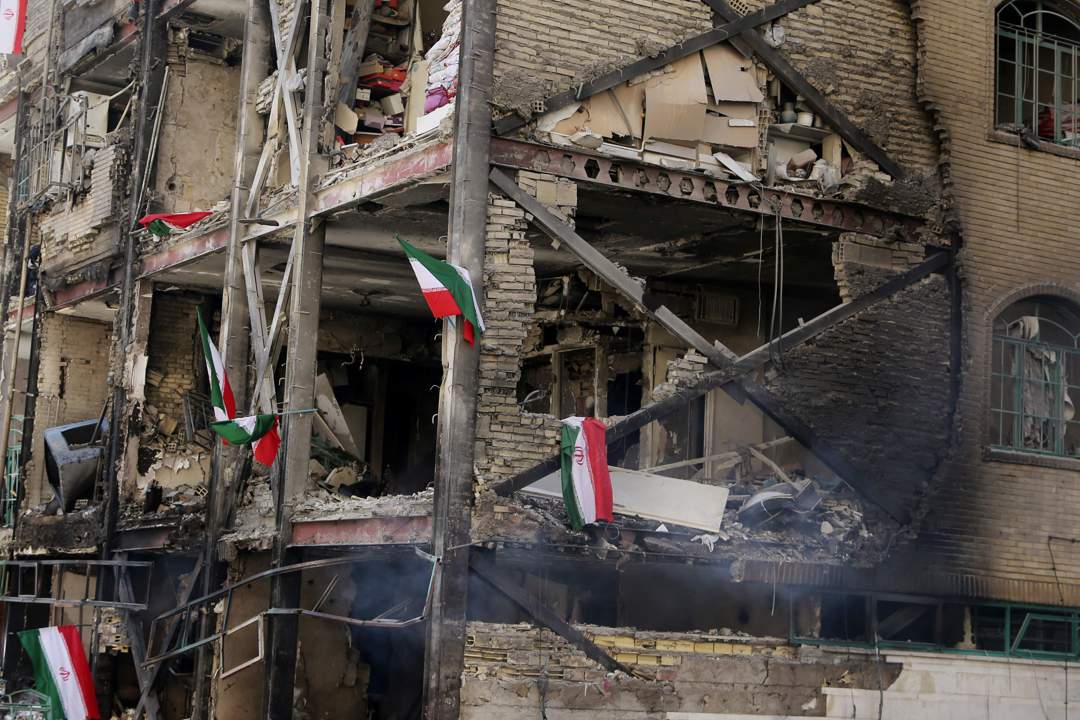
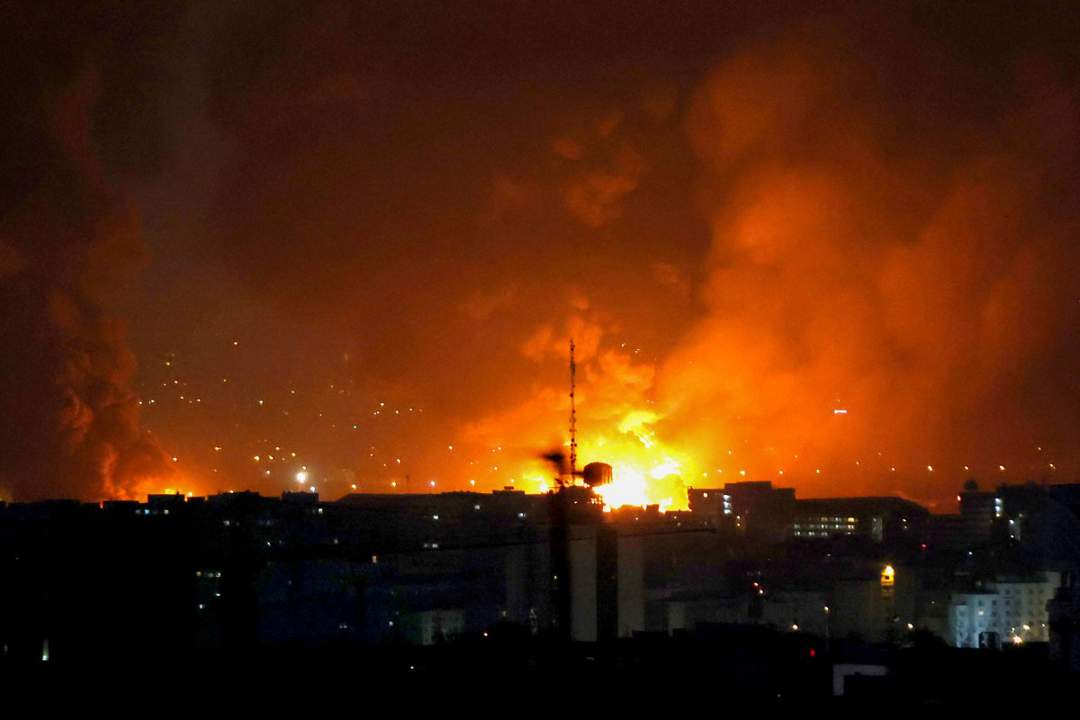
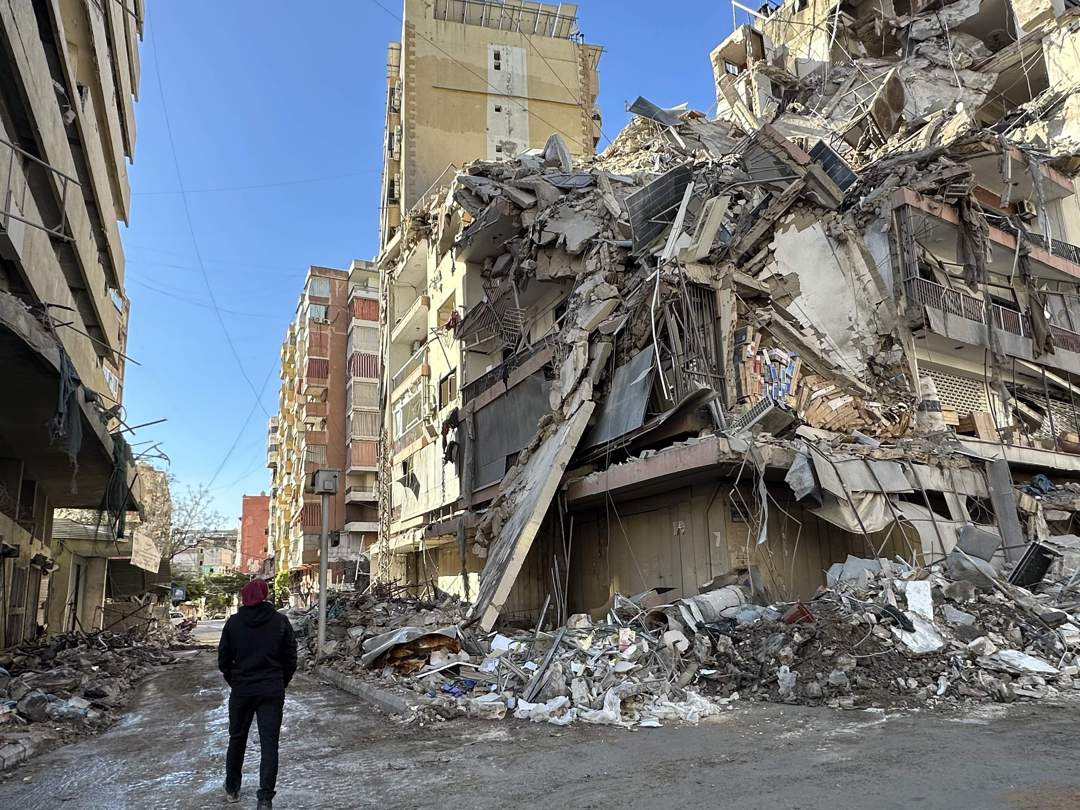

The sky is darkened by oil-soot residue from Tehran's petroleum storage facilities, which are struck during a US-Israeli military campaign in Tehran, Iran, on 9 March.
Morteza Nikoubazl/NurPhoto via Getty Images
Iran-linked hackers breached Israeli security cameras for espionage, prompting public warnings to update passwords and software. Cyberattacks between Iran and Israel have intensified, with hackers targeting surveillance systems and private accounts. Israeli and Iranian cyber operations are state-supported, involving espionage, damage assessment, and strategic planning.Israel’s cybersecurity directorate said it had identified “dozens of Iranian breaches into security cameras for espionage purposes” since the start of the war in the Middle East, urging the public to be vigilant.
“The directorate is working to alert hundreds of camera owners and calls on the public to change their passwords and update their software to prevent any security risk, whether national or personal,” Cyber Israel wrote on X Monday.
Cyberattacks between Iran and Israel have been a frequent occurrence in recent years, as the two foes conducted a shadow war that culminated in open conflict last June and again on 28 February.
In December 2025, former Israeli prime minister Naftali Bennett - who is set to run against incumbent premier Benjamin Netanyahu in a general election this year - said he had been the victim of a cyber attack targeting his Telegram account, after hackers claimed to have broken into his phone.
Private messages, videos and photographs, said to have been taken from Bennett’s phone, were published on a hacker site named after “Handala”, a character symbolising the Palestinian cause, and on an associated X account.
Iran-linked hackers have stepped up their operations in the region since strikes began on the country, an expert told AFP.
READ | Iran’s Revolutionary Guards demand end to US-Israeli strike, vow to block Middle East oil
Israeli cybersecurity firm Check Point said in a report that since the launch of the US-Israeli offensive on 28 February, it has seen hackers accessing surveillance cameras, which are widely used but often poorly secured.
The images were likely used to assess damage caused by the attacks or “to gather the necessary information” on “the habits (of targeted people) or locations to hit”, Gil Messing, head of cyberintelligence at Check Point, told AFP.
The hackers “are part of (Iran’s) army” and “are largely supported by the state”, notably by the Revolutionary Guards and the ministry of intelligence and security, he added.
Last week, the Financial Times reported that Israel had hacked nearly all of Tehran’s traffic cameras for years in preparation for the operation that killed Iran’s supreme leader, Ali Khamenei, on the first day of the offensive.
Comments (0)