
Remember me
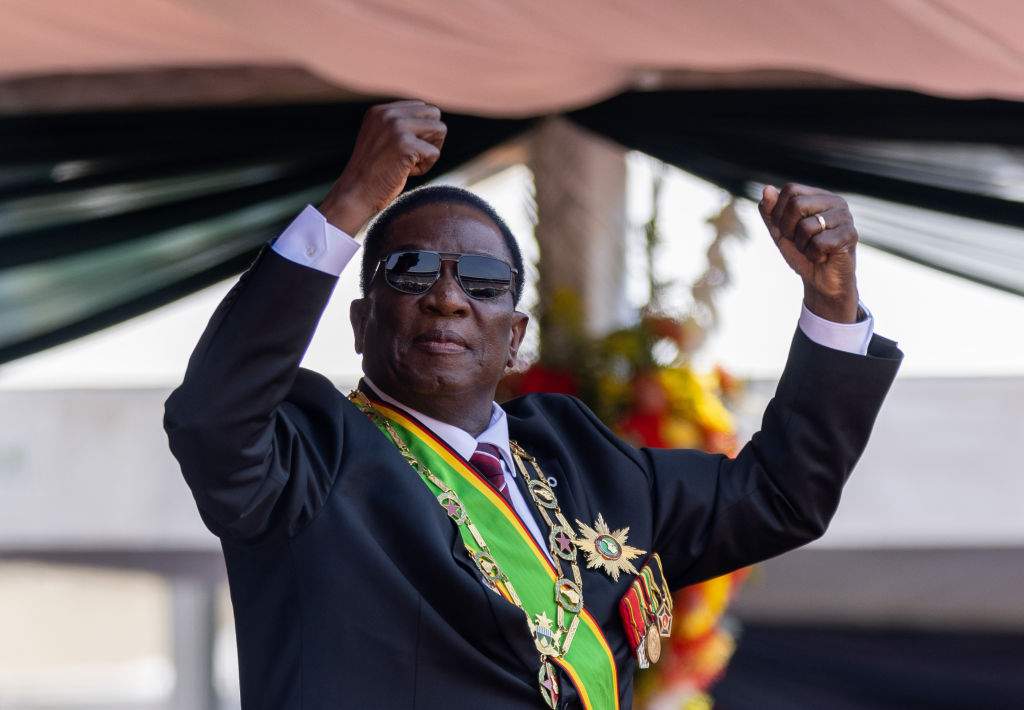





Proposed changes approved by Cabinet a month ago would allow President Emmerson Mnangagwa to stay in office until at least 2030, two years after the end of his term.
Tafadzwa Ufumeli/Getty Images
Zimbabwean authorities are using violence and intimidation against opponents of constitutional amendments that would extend the president’s term, Human Rights Watch said on Tuesday.
The proposed changes approved by Cabinet a month ago would allow President Emmerson Mnangagwa to stay in office until at least 2030, two years after the end of his term.
Other provisions scrap direct presidential elections and give Parliament the power to choose the president.
Still to be presented to Parliament, they have alarmed opposition figures who warn of increasing repression under 83-year-old Mnangagwa, in power since a 2017 coup, and his ruling ZANU-PF party.
“Over the last few months, the police and unidentified armed men have threatened, harassed, and beat up several people who are opposed to the proposed constitutional amendment,” Human Rights Watch (HRW) said in a statement.
Among a list of incidents, it cited a 1 March assault on the leader of the pro-democracy group National Constitutional Assembly, Lovemore Madhuku.
READ | Zimbabwe opposition leader claims police assault at anti-Mnangagwa meeting
Madhuku showed severe bruising on his back in a video posted on Facebook where he said about five men wearing balaclavas and accompanied by police had beaten him ahead of a meeting to express opposition to the amendments. Police denied involvement.
“The authorities should appropriately investigate all of these alleged attacks and prosecute those responsible for abuses, including any members of security forces,” HRW said.
Amnesty International called last week for authorities to “immediately end the escalating crackdown on peaceful dissent, which has seen public meetings banned and critics brutally attacked, arbitrarily detained, and silenced”.
Comments (0)