
Remember me




via @harpercollinsuk
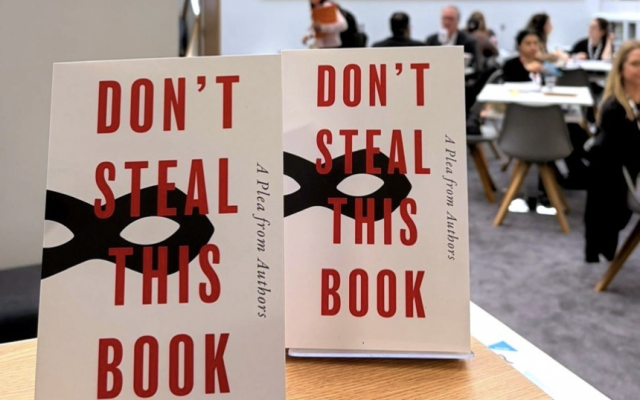
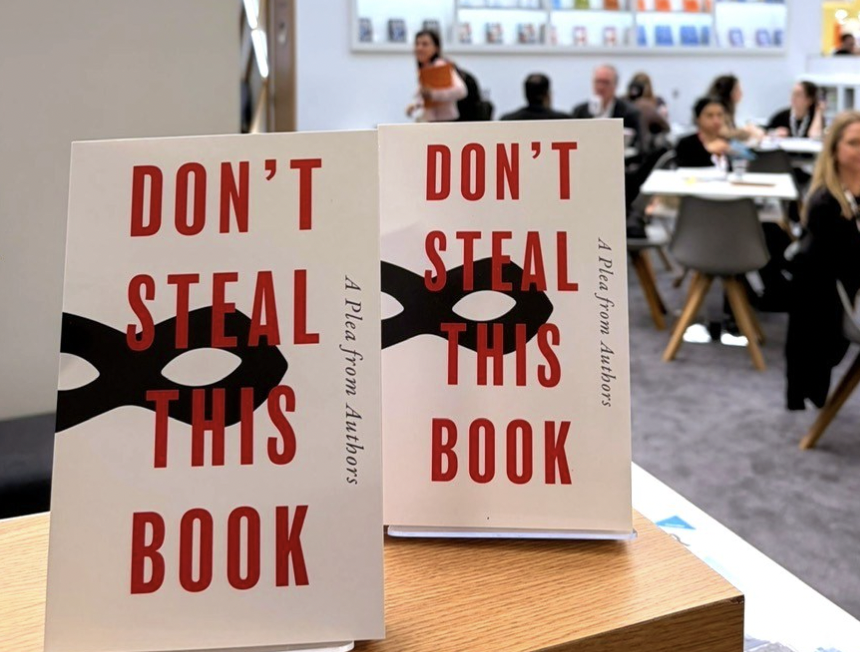
Thousands of authors are publishing an empty book, in protest of AI — and truly, fair play.
AI, and those behind the companies that create its models, have long been criticised for artificial intelligence’s use of artists’ work as a mode of intelligence building.
Basically, AI uses content across the internet to become more intelligent, and to learn more about the world, before regurgitating this information across platforms like ChatGPT.
As a result of this, AI also uses art (including books) to formulate its intelligence, without any consideration for the piece of art’s copyright.
In a bid to combat this so-called theft, authors across the UK and beyond are taking part in a campaign dubbed, Don’t Steal This Book.
Writers including Richard Osman, Marian Keyes, Kazuo Ishiguro, Emma Donoghue and thousands of others have put their names to an empty book: one without words, so AI companies cannot steal them.
Ed Newton-Rex, a composer and campaigner told the Guardian the AI industry is “built on stolen work”, and that such companies should be held accountable.
“This is not a victimless crime – generative AI competes with the people whose work it is trained on, robbing them of their livelihoods. The government must protect the UK’s creatives, and refuse to legalise the theft of creative work by AI companies.”
This move comes as the UK government is set to consider proposed changes to copyright law, which would affect how AI companies are permitted to use art.
Some have suggested that an opt out model would suffice, which would allow writers and artists to remove their work from AI’s training model.
Others believe that all AI companies should have to seek licence if they wish to use books and other forms of art as part of their business model.
As Don’t Steal This Book’s blurb states: “The UK government must not legalise book theft to benefit AI companies.”
Comments (0)