
Remember me








via Pexels
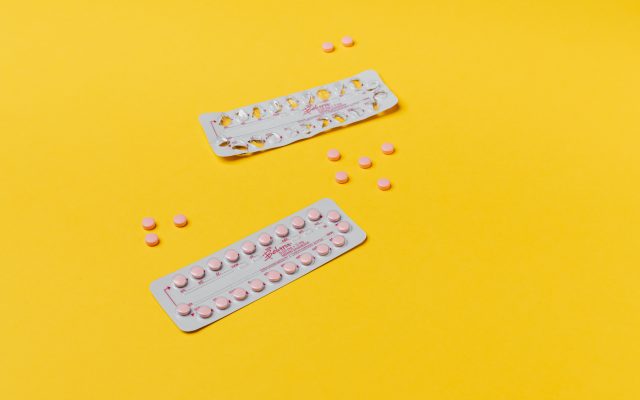
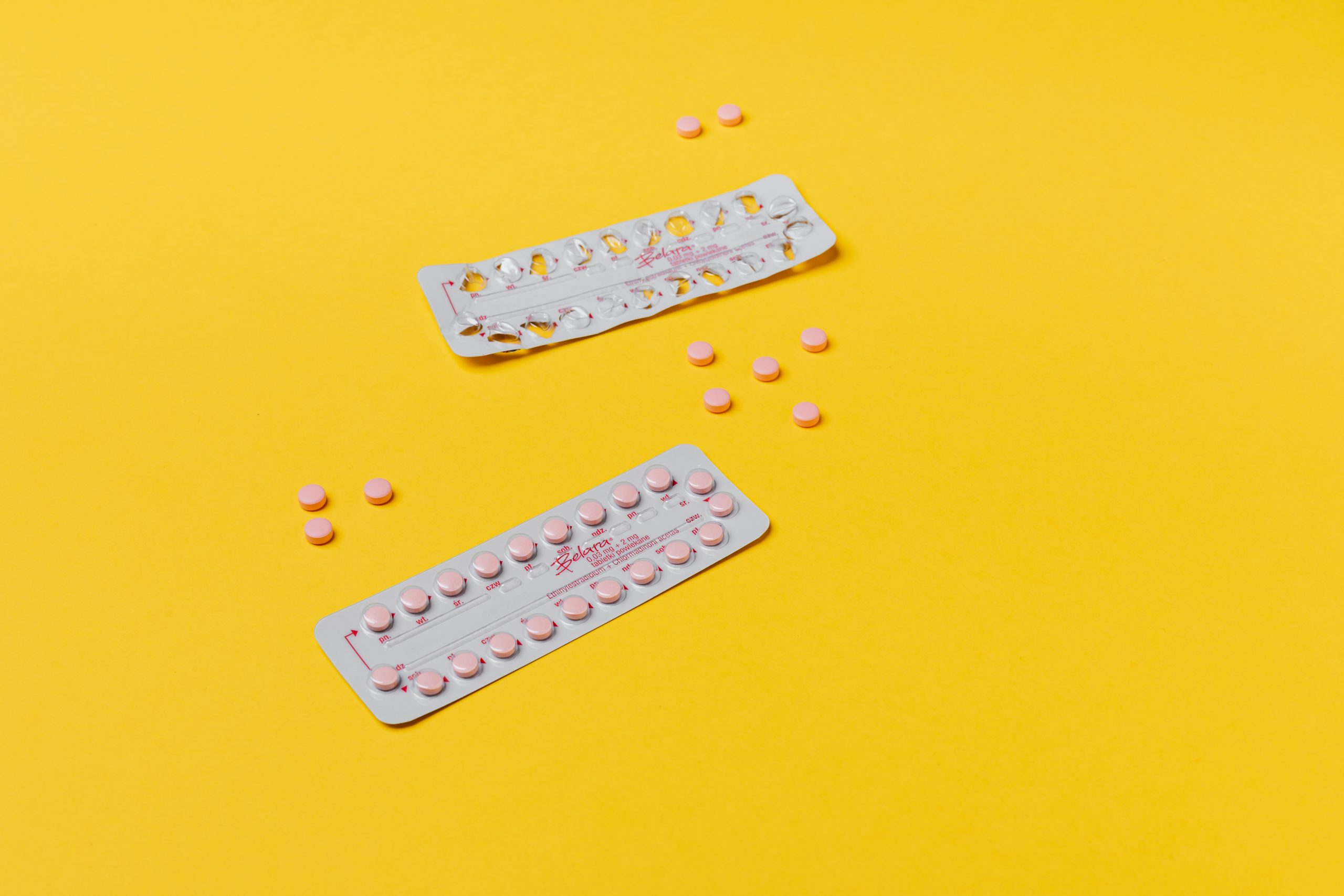
Women’s health has always been a hot topic of conversation across social media, with discussion surrounding hormone health, types of contraceptives and the lack of research and understanding in the area, but more recently we have seen women opening up and sharing their experiences of coming off the contraceptive pill.
With less taboo surrounding the issue of menstrual health, open conversations are being had around “natural cycle syncing”, hormone balance and how our menstrual cycle actually works, these experiences are gaining attraction online, particularly among the younger generations.
For years women have been left in the dark about what really goes on inside our bodies, due to the lack of honest and open discussions. For many of us, we took the contraceptive pill, because we were told it would stop periods and ensured we didn’t get pregnant. But along the way, we forget to ask and understand what it really does, and how it affects natural cycle – or in some cases, what our natural cycle really is.
With #gettingoffbirthcontrol getting more than 24 million views on TikTok, and the NHS reporting a 28% decrease in the uptake of pill in the last decade, for some, stepping away from hormonal contraception is about understanding their bodies and menstrual cycles more clearly, while others found their lives were being taken over by side effects.
via Pexels
One of the driving factors for this change is the negative side effects that the pill can have on some women. A report by ob-gyn and medical advisor at Flo Health Tiffany Pham found that 30% of women that take oral contraceptive such as the pill report some form of negative symptoms. These symptoms can include bleeding changes, which can result in spotting between periods, or even the absences of periods all together. More common symptoms reported included nausea, migraines and in some cases weight gain.
With the increase in hormones in our bodies, our libido can decrease. Research done in 2013 found that 15% of respondences saw a decrease in libido while using the pill. This increase of hormones can also lead to mood swings and irritability throughout our cycle.
It’s not only physical changes that have women leaving behind the pill, it’s the mental effects that can come as part as the increase in synthetic estrogen and progesterone. These synthetic hormones override the body’s natural cycle and stop ovulation. According to Caitlin Taylor, a senior scientist at Uni of California, says that the “impact of estrogen and progesterone is way beyond just pregnancy”, with effects on our mental performance.
Another driving factor in this change is the attitude change in women’s understanding around their own health. Instead of being encouraged and told to go on the pill without proper understanding of what goes on in our bodies, women are now researching how our menstrual cycles work, and how our body responds to certain stages throughout menstruation.
@theirishtimesnews Contraceptive pill pushback: ‘I think the demonising has gone too far’ says @drhazelwallace, As a medical professional, she falls somewhere in the middle of the debate. “I’m not saying the pill is amazing, but I’m not saying it’s terrible either. I think women need to have all the information. You don’t really get all that information in 10 minutes with your doctor.” Listen to the full episode of the women’s podcast wherever you get your podcasts #womenshealth #Thepill #hormonalhealth #hormonalbirthcontrol #Birthcontrol ♬ original sound – The Irish TimesSome women have stopped taking birth control as a way to increase libido and find their natural rhythm to help conceive, while others stopped to help aid early detection of menstrual conditions such as PCOS, PMS, and PMDD. With more awareness surrounding these conditions, coming off the pill can gain a better understanding into how these conditions affect them throughout the moment.
Some women simply want to tailor their diet, and work/life balance to their cycle in order to take full control of their health and increase energy and healthy hormone levels.
While the pill is still a highly recognised and effective form of birth control, with symptoms differing from woman to woman, if you are looking to understand your body and cycle better, here are some ways to track your natural cycle.
Tracking basal body temp Calendar Rhythm method Ovulations kits Tracking and monitoring: women health apps and wearables such as Oura ringsWhether you choose to stop birth control, or want to continue on that journey, it’s all about educating ourselves on our own bodies, and feeling empowered whatever we choose.
Comments (0)