
Remember me
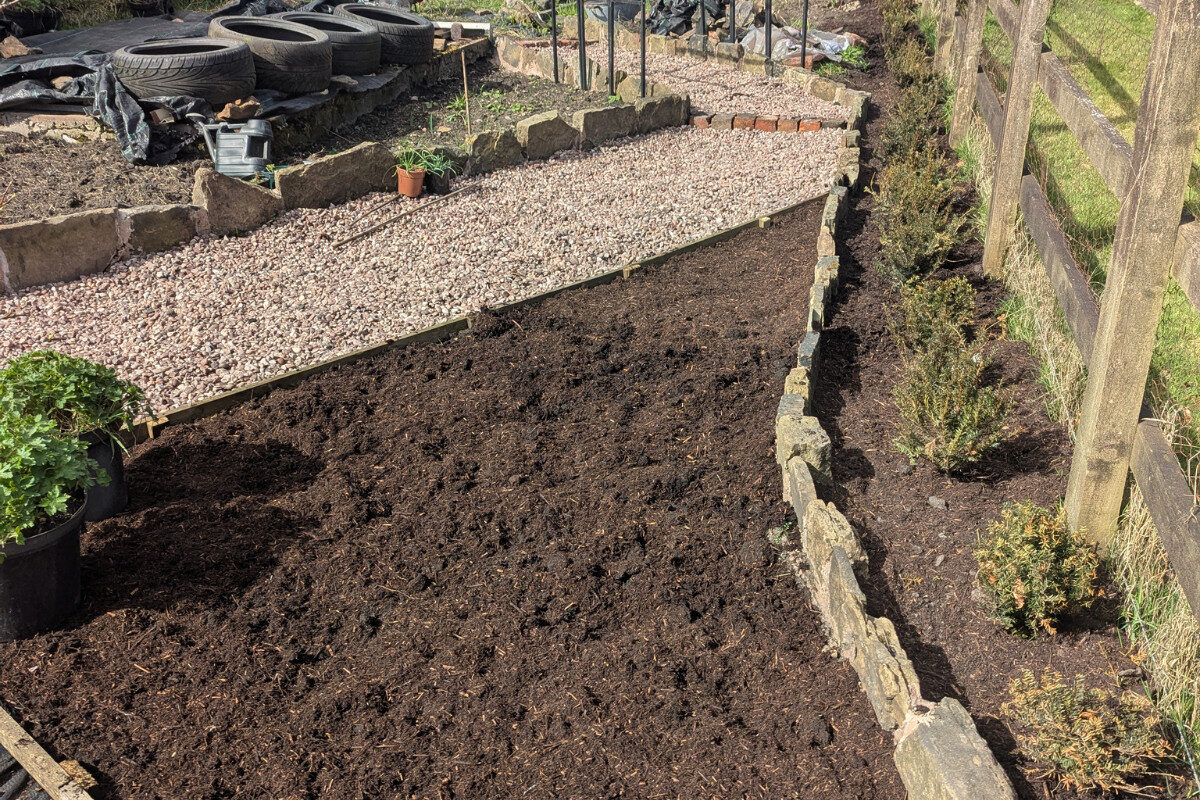
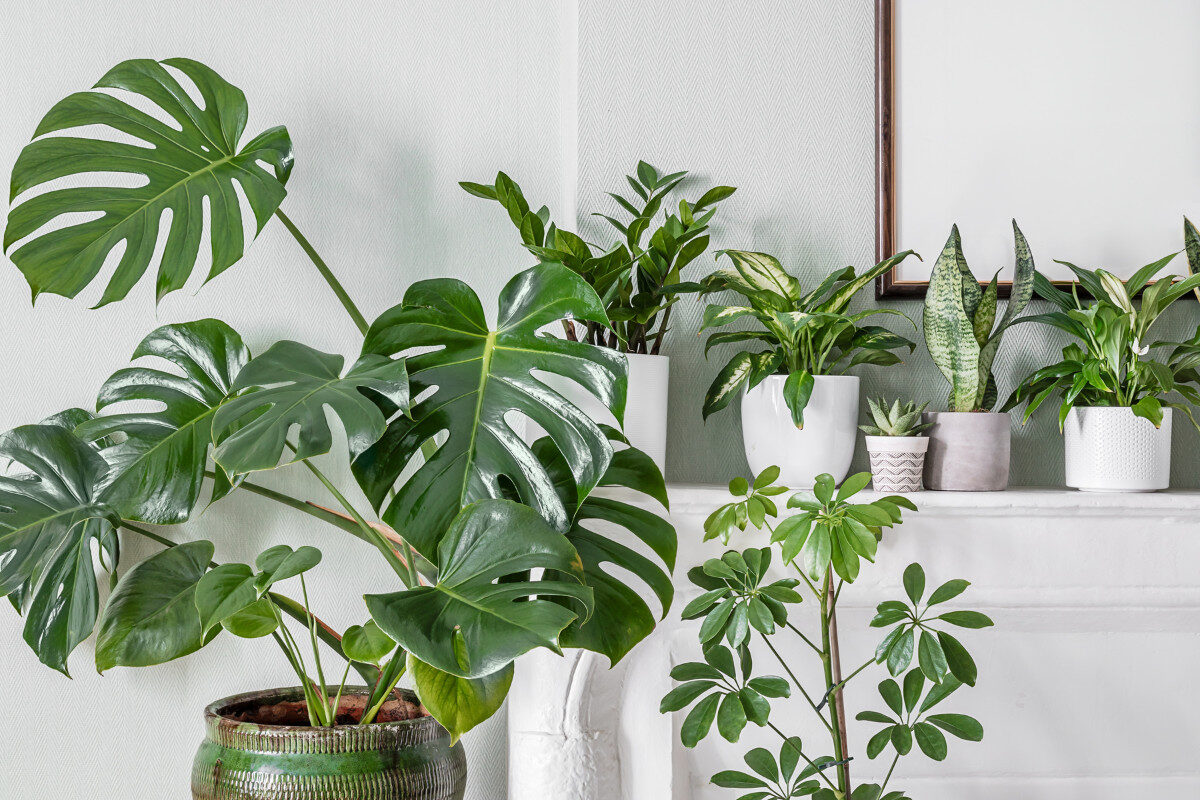
It’s important that when we are struck by an impulsive need for a certain plant, we don’t buy it without checking that we have somewhere suitable to put it. The importance of a bit of research prior to buying is vital – and this can be as simple as reading the label and the plant’s preferred growing conditions before purchase.
I suppose the first requirement is discovering whether a plant is suitable for sun or shade, or somewhere in between. Heavy shade can be anywhere from no direct sunlight at all to up to two hours per day, and generally refers to an area under broadleaved trees or the north-facing side of a house, wall or hedge.

General shade is where the area gets around two to three hours of direct light a day, with partial or semi-shade being between three and six hours per day.
Learn the secrets of soilWhen moving to a new property, the first thing people generally want to know is how sunny the garden is, so that bit of vital information gets sorted relatively quickly. But going hand in hand with this is knowing the type of soil you have.
Not only do plants have different drainage requirements, some also require a specific soil pH. Soil’s alkalinity or acidity can easily be determined using a cheap test kit, available from any garden centre. For acidic soils you will need to limit planting to those varieties that thrive in that type of soil, but for alkaline soils the only limitation is acid-loving plants. A neutral to alkaline soil is the one with least limitations on the variety of plants that can grow in it.
The dryness or wetness of a soil type combined with its location can cause problems when finding plants that suit. Dry soil in shade is probably the hardest situation to fill, so I would go with drought-tolerant shade lovers or plants that grow in shade but also have the vigour to keep going in this adverse situation. Consider periwinkles Vinca major or V. difformis and cranesbills Geranium x oxonianum or G. x endressii, along with bergenia, male ferns (Dryopteris filix-mas), aucuba, cyclamen, mahonia and fatsia.
 Periwinkle Vinca major and fern (Dryopteris filix-mas) are two of the plants that Nick recommends for dry soil in a shady area

To help these plants survive in a dry situation, mulch the ground to conserve the little moisture it may have. This is also a good thing to do for dry semi-shade, where all the above will grow as well as penstemon, persicaria, osmanthus, berberis, Japanese anemone, most roses, sanguisorba, raspberry and blackberry (Rubus spp), veronicastrum, campanula and many more. If planting in shade in a moisture-retentive soil, then the list will expand even more.
Signs of a sun worshipperSigns that a plant will grow in a sunny and dry situation include having grey leaves, hairy leaves and flowers that look like the sun!
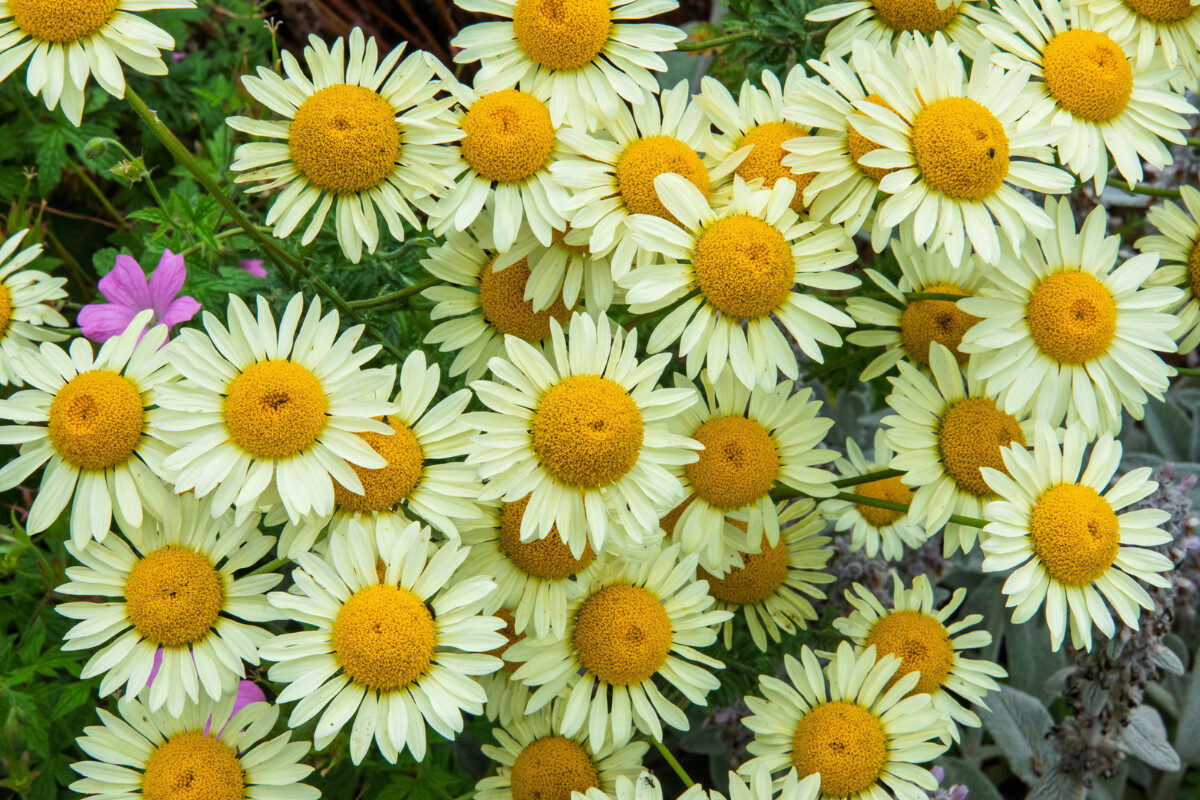
 Sun loving anthemis
There is an innumerable variety of plants that will grow in this situation, but some of the best are lamb’s ear (Stachys byzantina), cistus, achillea, osteospermum, anthemis, sunflower, salvia, sambucus, cirsium, Caryopteris x clandonensis, lavender, rosemary, thyme, potentilla (shrubby and perennial), agastache, perovskia, coprosma and pittosporum.
Once your initial list of plants has been completed, consider their height and spread. Some plants may need changing, while others may just need a bit of a jiggle around, but that’s all part of the fun!
Find more tips, advice and articles like this at the Amateur Gardening website. Subscribe to Amateur Gardening magazine now
Comments (0)