
Remember me




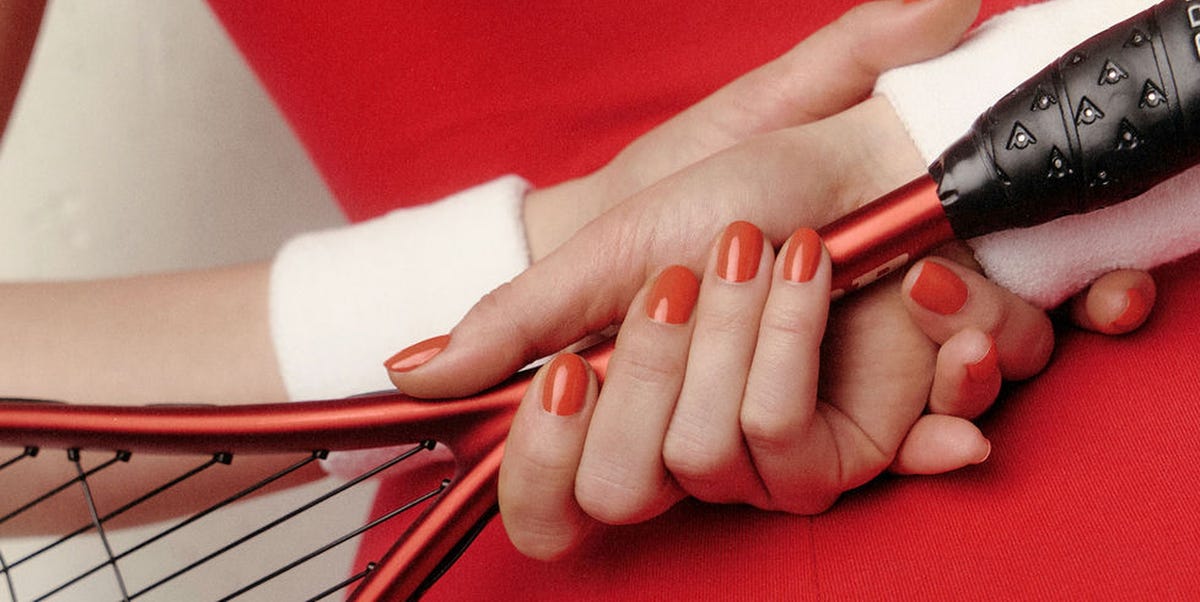


There's nothing quite like sitting down for a fresh manicure. It's a simple way to add a pop of color to your everyday look while carving out a little time to relax and take care of yourself.
But if you're anything like me, you might not actually think much about your nails until you step into the salon and start scanning the wall of polish colors. In reality, nails are considered appendages of the skin, explains Chris Adigun, MD, a board-certified dermatologist and nail specialist in Chapel Hill, North Carolina. And that means they deserve the same level of attention that we afford our skincare routine, our haircare regimen, and other parts of our outward appearance.
Meet the experts: Chris Adigun, MD, is a board-certified dermatologist and nail specialist in Chapel Hill, North Carolina. Dana Stern, MD, is an assistant clinical professor at the Mount Sinai School of Medicine and a board-certified dermatologist in New York City who specializes in nails. Shari Lipner, MD, PhD, is an associate professor of clinical dermatology and nail specialist at the Weill Cornell Medical Center in New York City.
Regularly taking stock of how your nails look and feel can actually be important for your overall health, too, since changes in their color, texture or strength can sometimes "signal that there's something going on internally," explains Dana Stern, MD, an assistant clinical professor at the Mount Sinai School of Medicine and a board-certified dermatologist in New York City who specializes in nails.
But many fingernail quirks like white spots, yellowing, and "greenies," are actually quite common and relatively easy to treat, which can make it hard to know when a change is actually cause for concern. That's why we tapped several dermatologists to demystify some of the most common (and not-so-common) nail conditions, and break down what they might be trying to tell you about your overall well-being. Let's dive in.
White Spots
getty images
Many people believe that white spots on the fingernails, also called leukonychia, are caused by calcium deficiencies from factors like not drinking enough milk as a child, says Dr. Stern. That myth may continue to persist because white spots are especially common among children, whose nails are much thinner and prone to injury compared to adults. But in reality, white spots are almost always caused by trauma, Dr. Stern adds. Much like a bruise that appears on your skin after a bump or fall, white spots typically mean the nail matrix—the area at the base of every nail that produces new nail growth and can appear as a light, half-moon shape that's most visible on the thumb or index finger—was briefly injured, she explains.
And "trauma" doesn't have to mean something extreme like accidentally slamming your finger with a hammer either, she says. Minor injuries from aggressive manicures, pushing back the nail cuticle (the thin, nearly invisible layer of skin that grows at the base of the nail), and biting your nails, for instance, can all potentially cause white spots. The good news? They're harmless and will disappear "with the outgrowth of the nail," Dr. Stern says. "They're not serious at all."
Those pesky white spots can also be caused by something called keratin granulations, Dr. Stern says. This happens when you wear polish on your fingers or toes for long periods of time, like when you might "put on your cranberry red during Christmas and not take it off until spring break," Dr. Stern says. And when you do finally get rid of the polish, the nails are so dehydrated that the remover inadvertently gets rid of "layers of nail cells" alongside the polish, leaving behind benign spots that appear white and chalky, she adds. "It's more likely to happen if you're not using a base coat," Dr. Stern says. In this case, your best bet is to just wait it out by letting your nails grow—and avoiding nail polish and manicure appointments in the meantime.
Dark Streaks
getty images
Much like how you can develop new sunspots or moles on your skin, you can also get dark streaks, most often appearing as brown to black vertical bands or stripes of pigment, in your nails.
This condition, called melanonychia, is often nothing to worry about—research suggests that about 73 percent of the time, the dark streak is caused by harmless activation of the pigment-producing cells in the nails, called melanocytes, Dr. Stern says. Normally, the melanocytes in our nails are "sleeping," Dr. Stern says, "which is why our nails tend to be clear. But they can 'wake up' and start producing pigment" as a result from factors including trauma, nailing biting, and harsh manicures, she says.
Other times, these dark lines can be a sign of nail melanoma, an aggressive and potentially deadly form of skin cancer, explains Shari Lipner, MD, PhD, an associate professor of clinical dermatology and nail specialist at the Weill Cornell Medical Center in New York City. As a general rule of thumb, "when people have multiple pigmented bands, they're less worrisome than if you have one single dark band on a nail," Dr. Stern says.
However, "most people are not skilled enough to know whether it is benign or malignant," Dr. Lipner adds. So to be on the safe side, always visit a board-certified dermatologist, ideally who specializes in nail diseases, regardless of how many dark streaks you have—the doctor can analyze the streaks and determine whether they're harmful, Dr. Lipner adds.

getty images
Perhaps there's nothing more frustrating than nails that are weak, peeling and easy to break, especially when you're trying to grow them out. But brittle nails, which doctors often refer to as onychoschizia, are unfortunately very common, Dr. Stern says. Factors such as the natural aging process and your genetics play a substantial role in the quality and strength of your nails. "Just like you're born with thick or thin hair, you do tend to have a nail quality," that you inherit from your parents, Dr. Stern adds.
Remember the nail matrix? Well, the size of it largely determines how strong and thick your nails will naturally grow, Dr. Stern says. So if you're born with a small matrix—perhaps you struggle to see that half-moon shape on any of your fingers—you're unlikely to ever have long, thick nails and you'll be more prone to brittleness, she adds. Bummer, I know.
Plus, as we get older, the body's ability to effectively circulate blood to extremities like finger and toenails worsens, which means the nails might struggle to receive all the nutrients they need to grow healthily. While you can't do anything to prevent the passage of time, Dr. Stern tells her aging patients to try to include aerobic exercise into their fitness regimen to combat brittle nails by improving blood circulation, she says. "And if they can't be very active, they can massage a cuticle oil into their fingertips several times a day to get the blood flowing," she adds.
Related Stories
 How To Strengthen Brittle Nails
 Wait, Why Are My Nails Peeling?
 How To Fix Broken Nails
If you suddenly experience brittleness after a lifetime of "strong and beautiful nails," Dr. Stern says, there's a rare possibility the underlying cause could be a systemic health issue such as thyroid disease. If that's the case, you may experience other symptoms alongside brittleness such as constipation and feeling cold all the time, Dr. Lipner adds. In these cases, it's worth visiting your primary care doctor or a dermatologist to suss out the underlying cause of your brittle nails.
But to be sure, lifestyle factors can also contribute to or exacerbate brittleness, says Dr. Lipner. For instance, frequently using nail polish remover, washing dishes without gloves, and activities like swimming can all strip your nails of their natural lipids and contribute to brittleness, says Chris Adigun, MD, a board-certified dermatologist and nail specialist in Chapel Hill, North Carolina. So can picking or peeling nail polish off manually, Dr. Stern says, as well as using nail polish removers that contain acetone, a very dehydrating solvent.
To protect your nails, consider taking a break from using nail polish and, in turn, drying nail polish removers. And when you do paint them, opt for acetone-free removers when its time to take the polish off, Dr. Stern says. Try to wear gloves when you wash dishes since "the nail is a thousand times more absorptive of water than the skin, so nails are kind of like little sponges," Dr. Stern says. "When water goes into the nail, the nail cells expand and contract," which puts tremendous strain on the nails and leads to brittleness, peeling, and breakage, she adds.
Related Stories
 What You Need To Know About Gel Nail Extensions
 Best Press-On Nails In 2023, Tested By Our Editors
 What Is the Red Nail Theory?
You can also consider investing in a glass nail file as opposed to a run-of-the-mill emery one, Dr. Stern says. Glass files down nails effectively and gently, without creating micro-crevices that can eventually lead to peeling. "I find that glass files are very, very good for people who tend to have brittle nails," Dr. Stern says. "I use one myself." The price may be a little heftier up front, but glass files "never dull," and serve as an sustainable, long-lasting alternative, she adds.
Based on those tips, here are some nail care products to help you sidestep brittleness:
Products to Fend Off Brittle NailsBest Nail File
 Dr. Dana Glass Nail File with CaseCredit: Dr. Dana
 This glass nail file creates a smooth, clean nail edge that will minimize splitting, peeling and breakage compared to traditional alternatives. Using it regularly will help add strength and durability to your nails.
Best Nail Polish Remover
 Olive & June Polish Remover Pot
 Now 10% Off
Credit: Olive & JuneFor those hoping to nix acetone-based nail polish, this favorite from Olive & June is a great alternative. The polish remover boasts a gentle, vegan, and cruelty-free formula and comes in a convenient pot and sponge-top lid, so all you have to do is dip fingers into the center and twist for salon-perfect removal.
Best Nail Strengthening Cream
 Onyx Professional Hard As Hoof Nail Strengthening Cream
 Now 23% Off
Credit: Onyx ProfessionalIf you're combatting thin, brittle nails, consider trying this cream fortified with vitamins, minerals and emollients (such as calcium and jojoba oil) to condition your nail plates and cuticles.
Yellow Nails
getty images
It can certainly feel like a jump-scare when you rub off your polish and the nail underneath looks disconcertingly yellow. And the most common underlying cause is exactly that: staining from polish, says Dr. Adigun. For one, some people's nails are naturally more porous than others, Dr. Stern explains, which means their nails can more easily absorb the pigment from polish. It's also more likely to happen when using darker colors, as well as red or orange hues, Dr. Lipner adds. The solution? Apply base coats, consider sticking to lighter, brighter colors, and limit the frequency of your manicures.
But dihydroxyacetone, the primary active ingredient in many self-tanning beauty products, can also contribute to nail staining, as well as touching yellowish spices like turmeric, or smoking tobacco—which can allow for the accumulation of tar and nicotine on the nail.
And in extremely rare cases, yellow nails can be indicative of a disorder called yellow nail syndrome—it typically causes yellow, thickened nails that grow very slowly or seemingly stop growing altogether. This condition typically occurs alongside underlying respiratory problems such as a chronic cough and bronchiectasis, which is when your airways become inflamed and start to widen and thicken, according to the U.S. Genetic and Rare Diseases Information Center. But don't panic: "It's extremely unusual," says Dr. Adigun. Dermatologists "can have an entire career and not see yellow nail syndrome," she adds. So more likely than not, if you're not experiencing any concurrent symptoms, your yellow nails are due to lifestyle factors like polish use rather than a chronic underlying pulmonary disease.
Lifting Nails
getty images
Get ready for some anatomy: The fingernail is made up of several parts. The nail plate is the visible, hard and translucent part of the nail, and it's the part we paint. Underneath that is a structure called the nail bed, which is the skin underneath. Normally, the nail bed sticks tightly to your nail plate and holds it in place. But Dr. Stern has found that it's "shockingly common" for the nail plate to separate or lift away from its bed. This leaves behind an opaque white color, Dr. Adigun adds, and is a condition dermatologists refer to as onycholysis.
"Even though this isn't formally studied, I tend to see it in lots of women once they hit the age of 50," Dr. Stern says. "And I believe that it occurs because our nails don't adhere as firmly as they used to as we age." But other factors such as minor injuries from—you guessed it!—frequent manicures, especially gel and acrylic ones, can inadvertently pry the nail off the bed, she explains. So can cleaning under your nails with a nail brush, she adds, as well as excessive exposure to water and cleaning agents, Dr. Adigun says.
The main way to protect yourself is to try to keep your hands dry by wearing gloves whenever you're washing dishes, handling cleansing agents, or exposing your hands to water, Dr. Adigun says. And you can also consider sticking to "an irritant avoidance regimen," Dr. Stern adds. "First and foremost, that means stopping any kind of treatment or polish and stopping filing," since filing down a separated nail is akin to wiggling an already loose tooth, she says: It's just going to exacerbate the situation.
Related Stories
 What To Know About Dip Powder Nails
 Here's Why Your Nails Are Turning Yellow
 How To Try TikTok's Italian Manicure Trend
What’s tricky about onycholysis is that it often goes unnoticed—especially if nails are covered with polish or artificial extensions—because the lifting itself usually isn’t painful. But if it’s left untreated, the space that forms between the nail and nail bed can become a breeding ground for yeast and bacteria, Dr. Adigun says, potentially leading to infections that require prescription anti-fungal or antibacterial treatment. So if you're experiencing lifting nails, focus on keeping them dry, short, and protected to prevent infection while it regrows.
And if your nails keep lifting despite preventative measures, it could be a sign that you're experiencing nail psoriasis, a chronic autoimmune condition that can affect your skin, nails and joints, Dr. Stern says. In this case, it's best to visit a board-certified dermatologist who can evaluate your symptoms and create a customized prescription treatment plan, she says. "What's amazing is these treatments that we have in this category can really halt the disease process," Dr. Stern adds. "So accurate diagnosis is very important."
Vertical Ridges
getty images
If you've ever scrutinized your nails and noticed vertical ridges running down them, don't fret—they're usually a normal part of the aging process, Dr. Lipner says. They tend to develop because nail growth slows as we age and the nail matrix produces new nail cells less evenly over time. However, these ridges are also a common feature of brittle nails, Dr. Lipner adds, so taking steps to protect your nails from brittleness may help make the lines less noticeable as well.
Vertical ridges can also make nails more prone to splitting, Dr. Adigun says. To help prevent that, consider moisturizing your nails and cuticles with a plant-based oil or emollient, which tend to absorb better into the nail plate compared to synthetic alternatives like Aquaphor or Vaseline, and can help nails bend instead of break, she says. Common examples include coconut oil, castor oil, and jojoba oil.
Here are a couple more products that'll help you combat vertical ridges and brittleness all at once:
More Expert-Approved Nail Care ProductsBest Multi-Purpose Ointment
 Doctor Rogers Restore Healing Balm Credit: Doctor Rogers
If your nails are weak, dry, brittle, or damaged, consider incorporating this ointment into your regimen. It's formulated with castor oil and other ingredients that'll help it effectively penetrate the nail plate. Plus, it's Dr. Adigun-approved: It's one of her favorite nail (and skin) care products.
Best Cuticle Oil
 Dr. Dana Nourishing Cuticle OilCredit: Dr. Dana
Also created by dermatologist and nail expert Dr. Dana Stern, this product is formulated with jojoba oil to absorb quickly and leave behind lasting hydration in the nails. What's more, it contains an anti-inflammatory plant-derived ingredient called Indigo Naturalis to support healthy nail growth.
Spoon Nails
Courtesy of Dr. Dana Stern
Nails that become concave, to the point where you could balance a droplet of water on them, are often referred to as "spoon nails," Dr. Stern says. Alongside the abnormal shape, which dermatologists refer to as koilonychia, nails with this condition tend to be super thin and brittle, Dr. Adigun says. Compared to other nail issues such as lifting nails or brittleness, spoon nails are relatively unusual, Dr. Stern says. "Onycholysis and brittle nails, I see multiple times a day, every day," she says. "Koilonychia I probably see only once or twice a year."
Spoon nails can be a side effect of inflammatory skin diseases such as psoriasis or lichen planus, a condition that causes itchy, purple, flat-topped bumps on the skin, according to the National Library of Medicine. They can also occur alongside chronic nail and hand dryness, severe hand eczema, or "anything that compromises the quality of the nail that's being grown," Dr. Adigun says. If you're struggling with dry hands and suspect that's the underlying cause of your spoon nails, Dr. Adigun recommends using a heavy moisturizer at bedtime, and sleeping with cotton gloves that you can buy at the drugstore to help the cream absorb overnight.
But spoon nails are also associated with underlying conditions that cause problems with the body's ability to metabolize iron, Dr. Stern says. A common example is iron deficiency anemia, which leads to other symptoms such as tiredness and shortness of breath, according to the Mayo Clinic. Liver disease, heart disease, and an under-active thyroid are linked to spoon nails as well, Dr. Adigun adds. So since a wide range of diagnoses could be the underlying cause of koilonychia, it's important to visit a doctor who can help you identify it, Dr. Stern says.
Pitting Nails
Courtesy of Dr. Dana Stern
Sometimes nails can develop lots of small, random indents that look like they were made from an ice pick, Dr. Stern says. These pits can appear on just one or multiple of your nails, and they're usually a signal that you have nail psoriasis, she adds.
Much more rarely, pitting nails are associated with alopecia areata, Dr. Adigun says, a disease that attacks your body's hair follicles and results in sudden and often patchy hair loss. When the underlying cause is the alopecia, the pits tend to look more uniform than random, Dr. Stern adds.
Both nail psoriasis and alopecia areata require prescription treatment from a board-certified dermatologist, so there's no at-home cure to get rid of them, according to the Cleveland Clinic. But once you are at the doctor's office, rest assured knowing that there are effective treatments such as prescription creams that include specific vitamin A or vitamin D analogues, Dr. Adigun says.
Clubbing
Mayo Foundation for Medical Education and Research
Clubbed nails occur when tissue behind the cuticles takes on a puffy or swollen appearance, explains Dr. Stern. They might also feel warm, soft and sponge-like, according to the Cleveland Clinic.
Clubbing is relatively easy to spot, since they'll almost resemble spoons that have been turned upside-down. But if you’re unsure, here’s a quick test Dr. Stern recommends: Press your thumbs together nail-to-nail. With typical nails, you’ll see a small diamond-shaped gap between the nail plates. But if your nails are clubbed, that space disappears since the nails are more rounded.
Unfortunately, clubbed nails are almost always associated with an underlying systemic condition, Dr. Adigun says—namely chronic respiratory disease or other conditions that compromise the lungs, chest cavity, or heart such as lung infections, lung cancer, or cardiovascular disease, according to the Cleveland Clinic. These diseases can reduce how much oxygen gets carried to the fingers and toes, creating the distorted appearance of the nails, Dr. Stern says.
Related Stories
Best Press-On Nails In 2023, Tested By Our Editors Everything You Need To Know About Greenies
 Here's What To Know About Almond-Shaped Nails
But it's also possible for nail clubbing to be hereditary, Dr. Lipner says. "People can be born with nail clubbing. Sometimes it just happens." But if your nails start clubbing suddenly, it's very likely an underlying condition is the culprit, and you'll want to make an appointment with your physician to be safe.
Your nails are more than just a canvas for your favorite polish color—they can offer a window into your overall health. To be sure, many nail changes are harmless and easy to manage, but occasionally, a sudden or unusual shift can signal something worth paying attention to. So, the next time you sit down for a manicure, take a closer look and see what your nails are telling you. Here's to keeping them beautiful, strong and healthy.
Katie Mogg is the beauty editorial assistant at Women’s Health. Since starting college at Northeastern University in 2020, her bylines have appeared in The New York Times, The Wall Street Journal, NBC News and The Boston Globe. She strives to help readers lead happier and healthier lives through science-backed stories that explain how to care for hair, skin and nails. When she’s not working, Katie enjoys live music, strolling through Central Park, planning her next beach getaway, and sharing hotpot with friends.
Brian Underwood is beauty director at Women’s Health, where he oversees content strategy for the brand across all platforms, including digital, print, and social. Underwood previously served as beauty and wellness director at Oprah Daily and O, The Oprah Magazine. During his tenure leading beauty content for the Oprah brand at Hearst, stories Underwood commissioned were awarded the Skin Cancer Foundation Media Award and a Fragrance Award for Editorial Excellence (his second). He was the launch Beauty Director of Dr. Oz THE GOOD LIFE, and has held additional editorial positions at Fitness, Organic Style, Good Housekeeping, Life & Style Weekly, and Woman’s Day and has written for Self, Shape, Seventeen, Redbook, Cosmopolitan, and many more. Underwood previously served on the Skin Cancer Foundation’s gala committee and as partnerships director of the Trans Beauty Clinic, a New York-based charitable organization that provided beauty services and workshops to the city’s trans community.