
Remember me

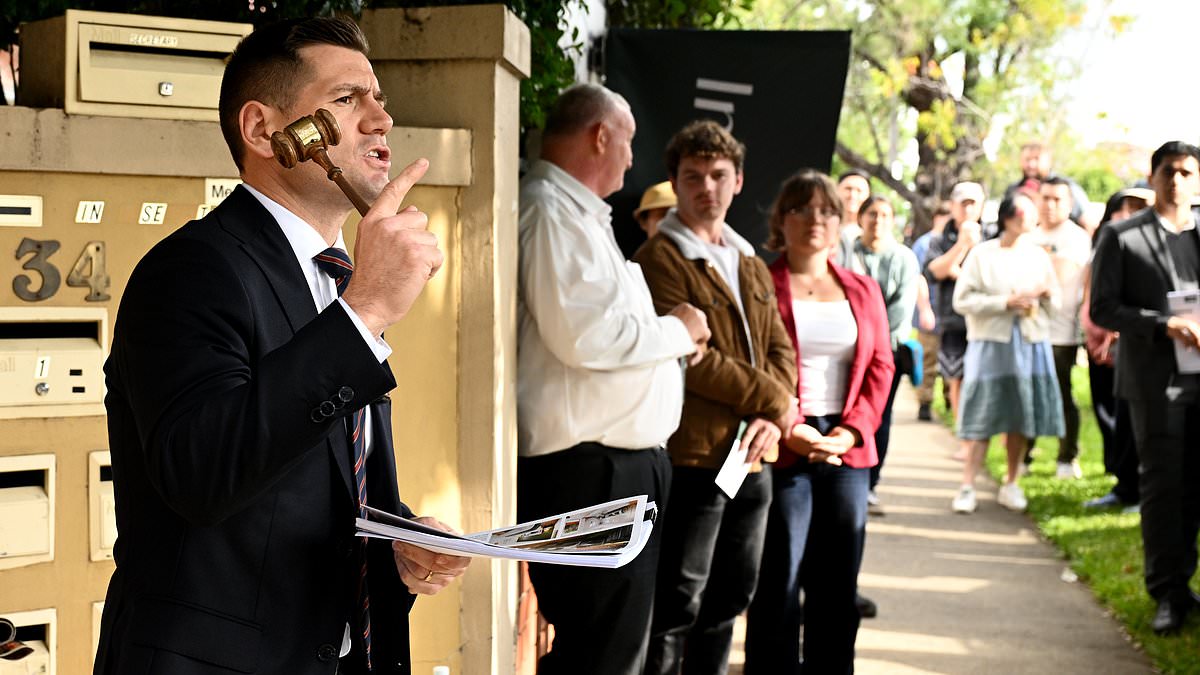




Aussies who paid for their homes with a five per cent deposit have been warned they risk dangerously high levels of debt and defaulting if the cost-of-living crisis worsens and the cash rate continues to rise.
Fresh APRA data revealed a dramatic jump in risky mortgages: loans with loan-to-value ratios of 95 per cent or more soared from $3.3billion to $5.4billion in the December quarter.
The scheme now accounts for a record four per cent of new owner-occupier loans.
The surge coincided with the Albanese Government's October overhaul, which made the scheme available to almost any first-home buyer regardless of savings and income.
It was introduced by the former Coalition government, but was limited in places and was aimed at low income individuals and couples.
AMP chief economist Shane Oliver told Daily Mail the scheme is encouraging inexperienced buyers to take on debt they may not be able to manage.
'These buyers are getting in with much higher debt levels, and that risks more first-home owners running into trouble down the line,' he said.
He argues the policy may help young people secure homes sooner, but is increasing competition at the entry-level end of the market, where affordability is already under strain.

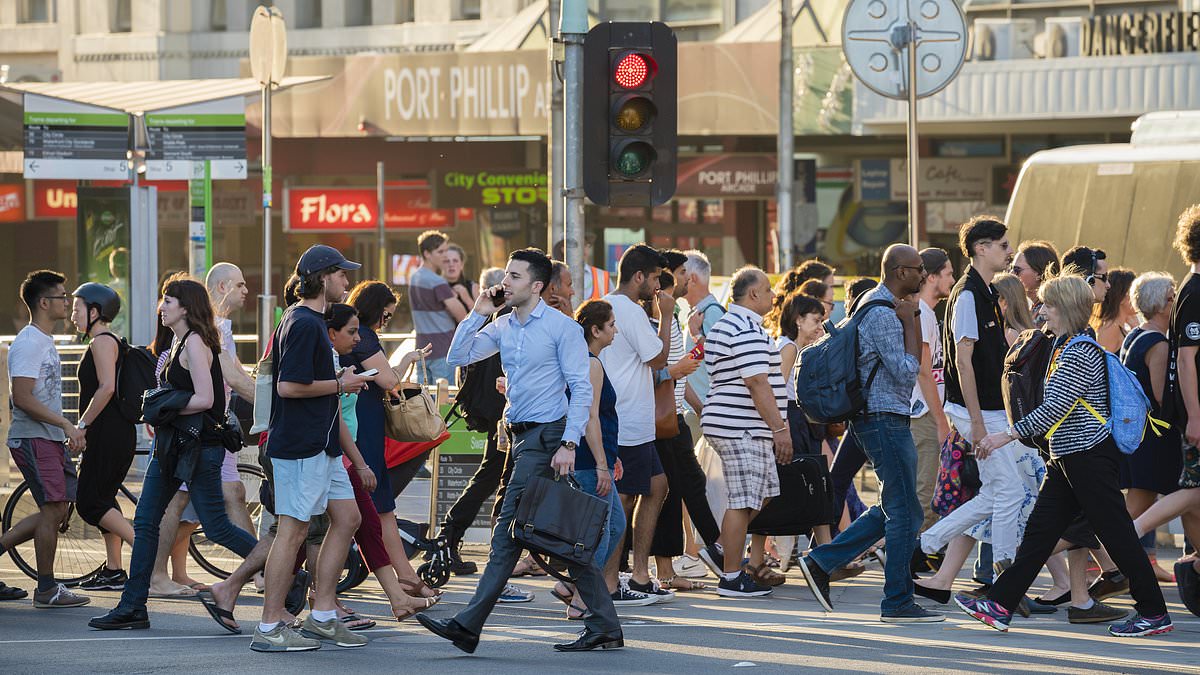
Economists warn those who bought with the five per cent deposit scheme are at risk of rate hikes (stock image)
The consequence, he says, is rising prices that worsen the very issue the government claims to be addressing.
While banks are insulated by the government guarantee, which covers the first 15 per cent of any losses from these loans, households are exposed.
'The banks are fine. The main risk falls on individuals,' Oliver warned.
He also raised concern about inflation, fuelled by surging oil prices and conflict in the Middle East.
All four major banks now expect the Reserve Bank to lift the cash rate by 25 basis points on Tuesday, with another rise likely in May. The cash rate is currently at 3.85 per cent.
'Higher petrol prices feed inflation, and that pressures the economy. If people lose jobs or incomes fall, even a small rate rise becomes tough to absorb,' Oliver said.
'So the vulnerability is greater for first-home buyers entering with minimal equity.'
He warned that continued rises in oil prices could create a stagflation squeeze.

All four major banks now expect the Reserve Bank to lift the cash rate by 25 basis points on Tuesday, with another rise likely in May
'We're piling more risk onto first-home buyers,' he said.
'This scheme is a Band-Aid. The real solution is more housing supply.'
Economist Leith van Onselen, a long-time critic of the five per cent deposit scheme, slammed its impact, warning it institutionalises high-LVR lending and exposes recent buyers to market corrections.
In February, van Onselen said buyers had been 'suckered into a bubble market' and risk negative equity even with modest price declines.
'By encouraging first-home buyers to enter the market with tiny deposits in a rising interest-rate environment, the Albanese Government has set many up to fail,' van Onselen told Daily Mail.
ABS figures show the average first-home buyer mortgage reached $607,500 in the December quarter, with buyers using the scheme typically borrowing even more.
Under current forecasts, three 0.25 per cent rate hikes in 2026 would add $291 a month to repayments on the average first-home buyer loan.
A fourth hike would push the cumulative increase to $391 a month.
Van Onselen says recent buyers in Sydney and Melbourne should be especially worried, with prices now stalled and SQM Research's Louis Christopher forecasting falls in 2026, a dangerous prospect for those who bought with wafer-thin equity.

Concern was also raised about inflation, fuelled by surging oil prices and conflict in the Middle East
Oliver emphasises that while banks enjoy government protection, families do not.
'If inflation stays high and growth slows, the pain will fall squarely on overstretched borrowers.'
The Albanese government had previously argued that its housing policies would increase prices by only 0.6 per cent 'over the medium term,' though Treasury's full modelling has not yet been released.
However, data from Cotality shows that entry‑level home prices, specifically those under Labor's price cap, rose by 3.6 per cent in just the first quarter of the scheme's operation.
The Opposition argues it means the government's projected 0.6 per cent increase was surpassed within the first month, well before the end of the quarter or the first year.
Daily Mail has contacted Housing Minister Clare O'Neil for comment.
Comments (0)