
Remember me





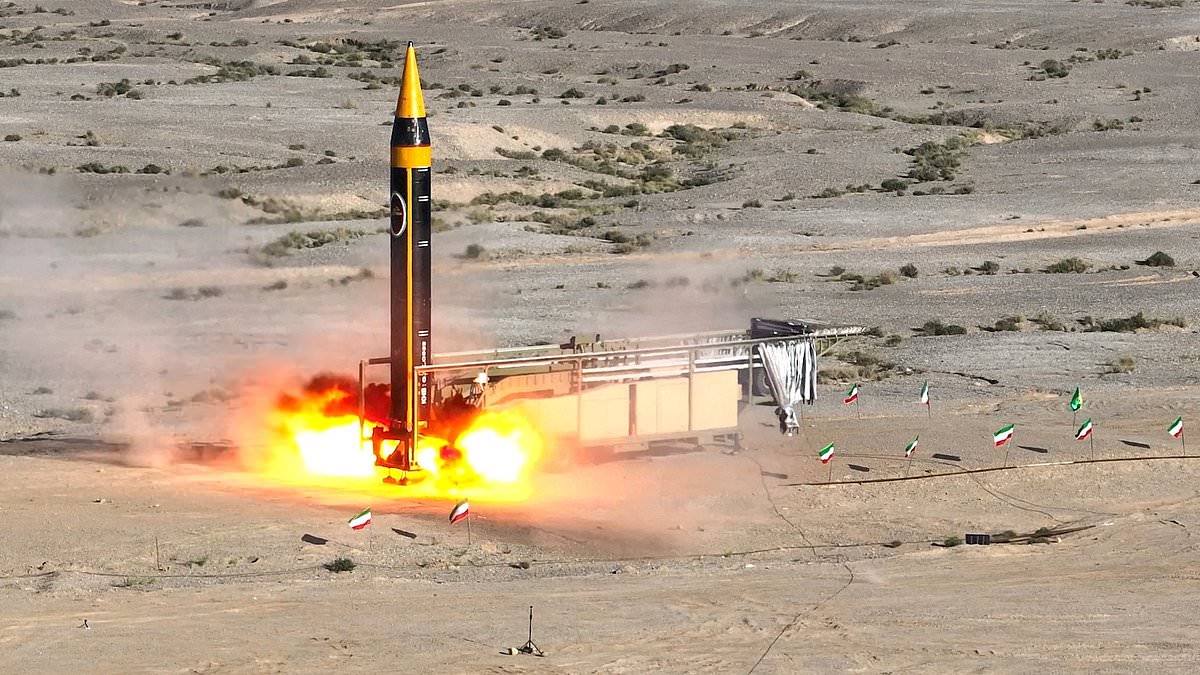
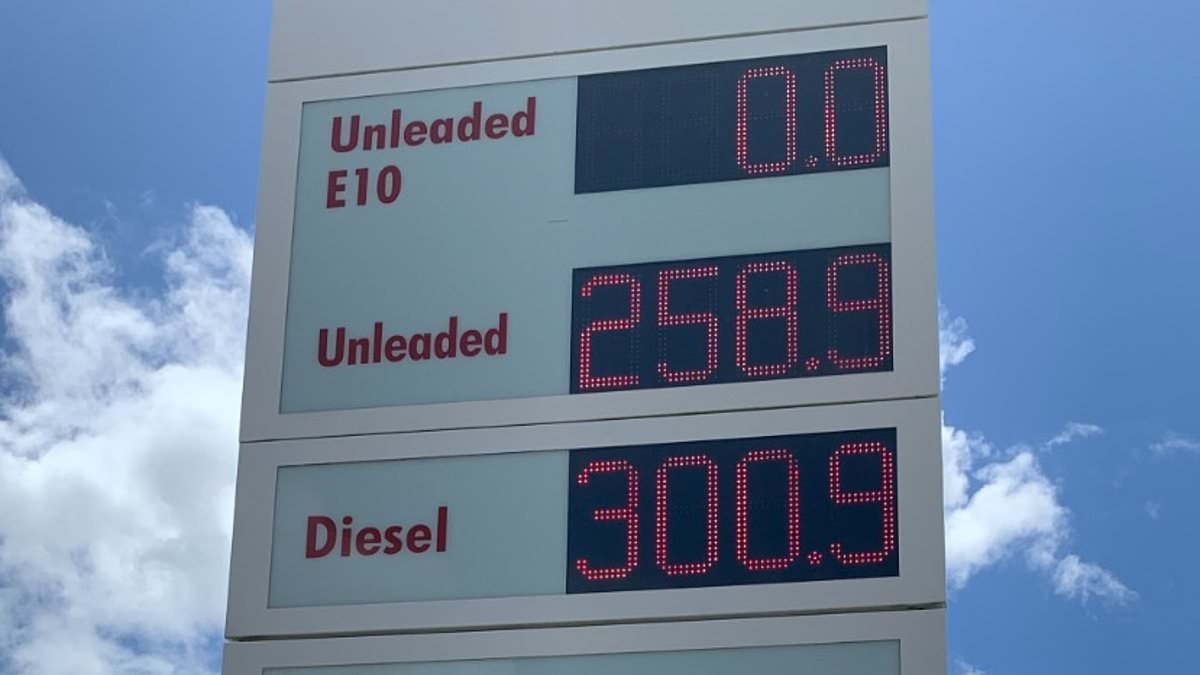
Australia is facing a worsening fuel crisis after the US-Israel war with Iran disrupted global oil shipments through the Strait of Hormuz.
Strait of Hormuz needs to open to reduce pain on Australian economy
 Fuel prices could rise to $4 a litre

 War exposes the shocking truth about the oil beneath our feet - and how Australia sleepwalked into a fuel crisis
 Global fuel crisis worse than 1970s oil shocks
 Australia already moving towards fuel rationing, warns Barnaby Joyce Push for free public transport as petrol prices soar
  Nat Barr blows up after Albanese government makes admission about Australia's fuel reserves
 Anthony Albanese's urgent phone call as Middle East war drags on
  What the Albanese government says about working from home as fuel prices soar
 What Australians need to know today as war in the Middle East drags onSix oil shipments due to reach Australia in April have been cancelled or turned back, Energy Minister Chris Bowen has confirmed, although around 74 other deliveries are still expected to arrive on schedule.The federal government says fuel imports should continue largely as planned until at least mid-April, but Bowen has not ruled out further disruptions if the conflict intensifies.Bowen warned that contingency measures could be activated if the war drags on for several more weeks, while stressing Australia remains well short of needing fuel rationing.Australian Institute of Petroleum chief executive Malcolm Roberts said the country is 'very vulnerable' to supply shocks if key exporting nations restrict shipments, and warned Australia sits 'at the end of a very long global supply chain' with limited reserves.The prime minister has been phoning his global counterparts to try and shore up Australia's fuel stocks over the coming weeks and months.Treasurer Jim Chalmers has conceded petrol prices are unlikely to fall back to pre-conflict levels this year, and could stay elevated for up to three years if the conflict becomes prolonged.Australians are being urged to work from home where possible and drive at slower speeds to help curb oil demand during the conflict, according to recommendations from the International Energy Agency.Farmers warn Australians could face higher supermarket prices if the conflict drags on, amid fresh warnings that fertiliser costs may double.Australia's fuel reserves contain 38 days' worth of petrol, and 30 days each of diesel and jet fuel.Australia has just two oil refineries remaining and imports about 90 per cent of its fuel as already-refined product.Much of this fuel comes from countries such as South Korea, Japan, Singapore and Malaysia, which themselves rely heavily on crude oil shipped through the Strait of Hormuz.This creates a double layer of risk for Australia, not only can supply be disrupted by conflict in the region, but refining nations may also hold back shipments to protect their own domestic fuel needs.Qantas has warned airfares could rise further as jet fuel costs surge due to the conflict.Economists warn that the longer the disruption continues, the greater the risk Australia could be pushed towards recession.Iran vows to 'completely close' the Strait of Hormuz if Trump hits power plants
 Share or comment on this article:
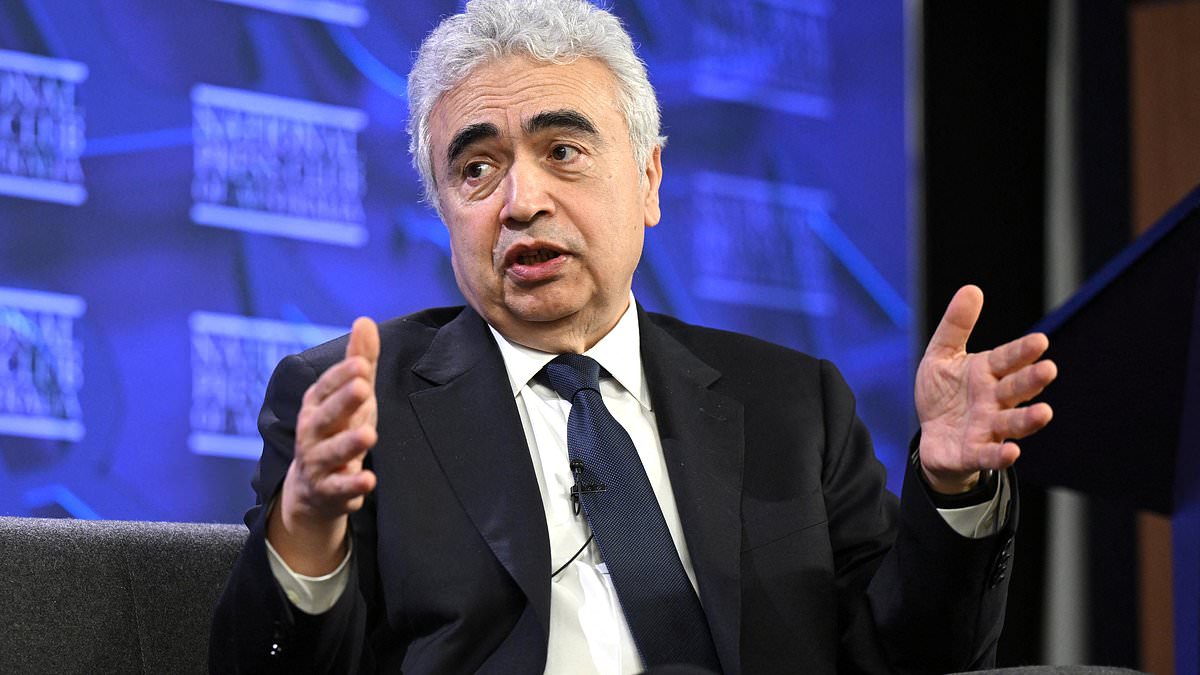
Depth of global oil crisis revealed as global energy expert makes bombshell admission: 'Worse than 1970s'
Share or comment on this article:
Depth of global oil crisis revealed as global energy expert makes bombshell admission: 'Worse than 1970s'