
Remember me



Melbourne business owners fear a Covid-style wipeout if work-from-home is mandated to ease pressure on fuel supplies in Australia.
Slate Bar Restaurant manager Ily Yildrim told Daily Mail businesses in the city were still doing it tough six years after Covid lockdowns first hit the state.
Melbourne endured the world's longest lockdown, with draconian stay-at-home orders and travel restrictions lasting for a total 262 days, and the state's economy estimated to have lost $100million per day.
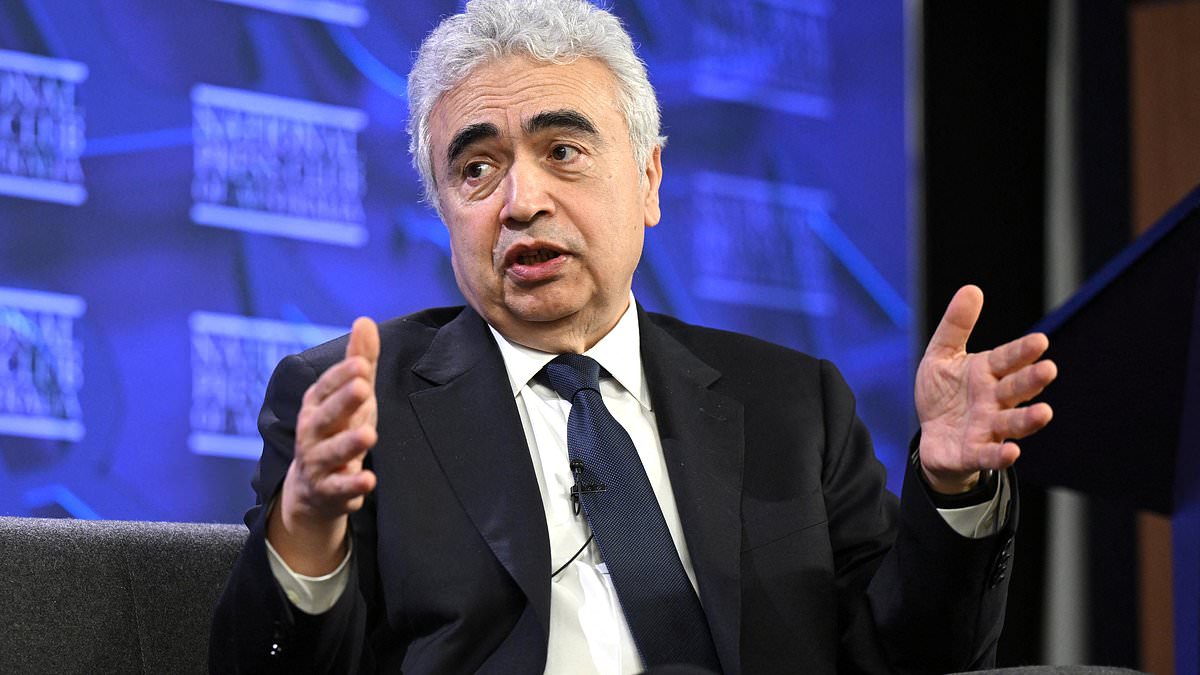
The work-from-home debate was reignited after the International Energy Agency (IEA) urged countries to adopt fuel-saving measures.
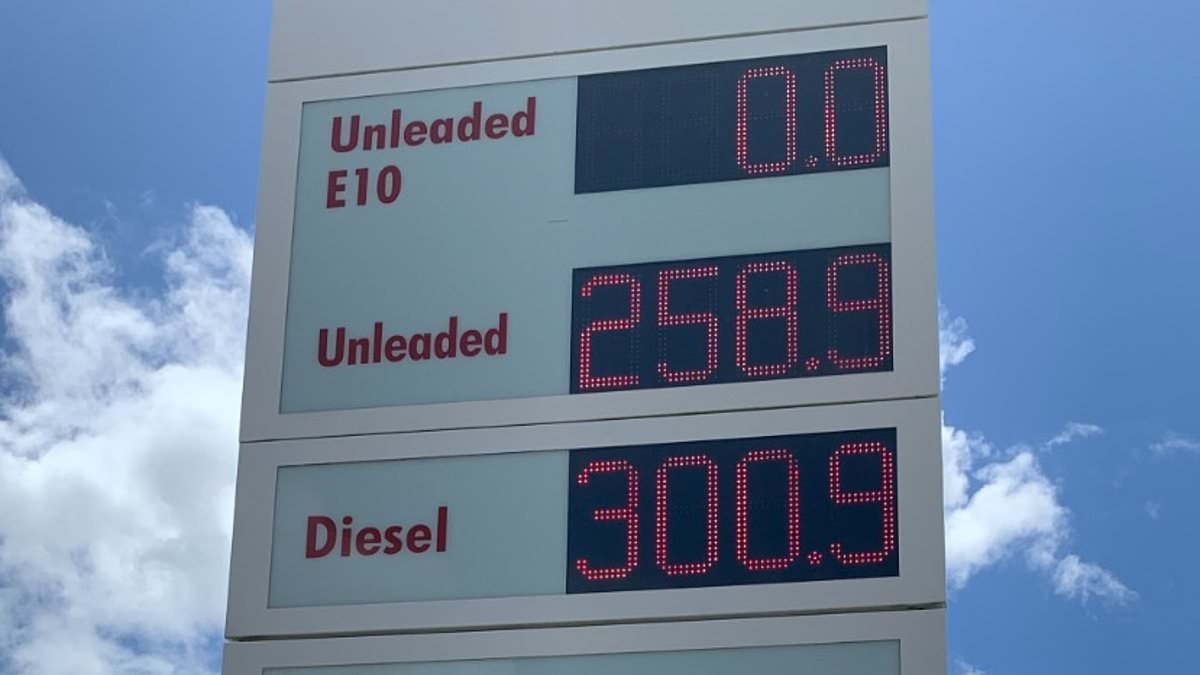
Global supply pressures from the Middle East have left 187 petrol stations without diesel in NSW and 83 in Victoria, while prices soar above $3 a litre.
Energy Minister Chris Bowen said on Sunday it was a 'good idea' for Australians to heed the advice from the IEA that people work from home.
Mr Yildrim fears a lockdown will make a hard situation almost impossible.
'We're still seeing the effects of Covid because business has only gotten back to about 60 percent since [pre-Covid levels],' he said.

Melbourne CBD bar manager Ily Yildrim (above) said businesses in the city were still doing it tough six years after Covid-lockdowns first hit the state

Melbourne suffered the world's longest lockdown, with then-Premier Dan Andrews enforcing draconian stay-at-home orders and travel restrictions for a total 262 days
'Most CBD workers already take Monday and Friday off to have a long weekend so we already decided to close Mondays and now Fridays are a bit hit and miss.
'The proposed work from home idea to save petrol definitely won't help, rents aren't going down but we have lost a lot of customers.
'It's literally killing the business, and now, on top of increased costs from suppliers due to rising petrol costs we may have to deal with increased work from home measures, it's getting to be impossible.'
Mr Yildrim said Slate had to revert to new business tactics, including relying almost solely on special functions and events.
'Foot traffic is almost non-existent, if it wasn't for events we'd be done,' he said.
'It's a struggle, our costs keep going up but we have to keep our prices low to get customers in, we try to keep prices low but we don't know how much longer we can last.
Mr Yildrim suggested governments on every level should come with a 'permanent' plan to help traders.
'The government needs to help more, It always something temporary but Victoria is the hardest state to do business in, we need permanent help,' he said.

Energy Minister Chris Bowen said on Sunday it was a 'good idea' for Australians to heed the advice from the IEA that people work from home

The government says petrol prices are surging due to 'panic buying'
'Maybe instead of telling people to stay home to save petrol they could give free public transport instead, at least give free Myki three or four days a week, try something to help business.'
Bowen told the ABC's Insiders program on Sunday that working from home is a 'good idea if possible'.
'Well, I think that’s a sensible thing to do in any environment, really, you know, work from home has become an important part of Australian working life,' he said.
Bowen added not everyone can work remotely but people 'should explore options to minimise fuel use'.
'I think people would already be looking at their options to minimise their fuel use. At the moment, for other people, it’s a lot harder. So I don’t think a one-size-fits-all approach is necessary,' he said.
Other suggestions from the world energy watchdog include avoiding travel and driving 10 km/h slower to offset the oil shortage due to war in the Middle East.
Bowen confirmed overall fuel supply remains strong, with petrol stocks at 38 days and diesel and jet fuel at 30 days.
'That indicates that while we’ve released more from the strategic reserve, the ships continue to arrive in good numbers, and both our refineries are working at absolute fuel pelt, and they’re both entirely dedicated to Australian suppliers, not exports,' he said.

Hundreds of petrol stations across Australia have run out of fuel
'The regional areas are where the supply chain is the hardest to manage. It takes longer to get from Geelong and Brisbane to the various regional areas.'
The Albanese Government has maintained Australia has a demand problem, not a supply problem, with panic buying fuelling shortages.
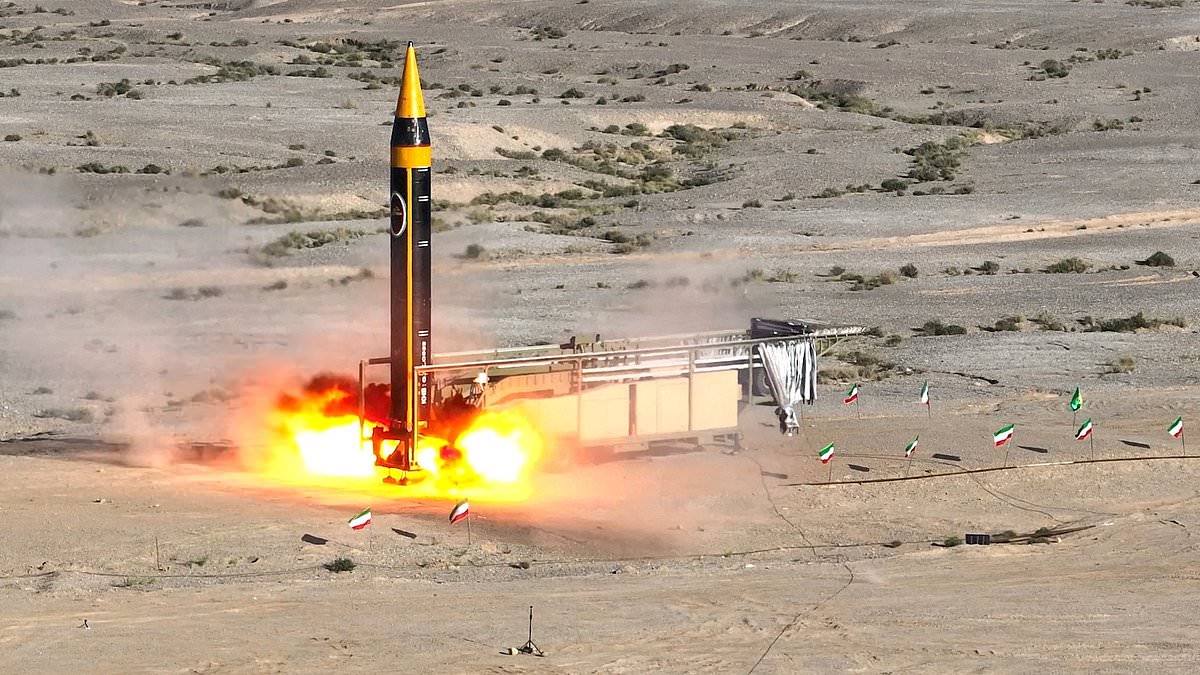
However, a leading Australian fuel security expert has warned the escalating war in Iran could leave the nation starved of vital fuel supplies within three weeks.
Macquarie University senior lecturer in applied finance Doctor Lurion De Mello told Daily Mail on Monday that with petrol prices already soaring, diesel may rise even further than the current $3 a litre seen at some service stations in major cities.
With the Strait of Hormuz effectively closed due to skyrocketing insurance costs and growing fear among tanker operators, Dr De Mello expects fuel supplies to dwindle by April 13.
'The Iranians are giving mixed messages, saying the Strait of Hormuz is not closed, but it's mostly the insurers who are not providing coverage, so tankers are too scared to go through it,' Dr De Mello said.
While some ships, including a few Japanese tankers, have been allowed passage, threats against vessels linked to the United States, Europe, or involved parties have created massive uncertainty, he said.
A recent attack on a Thai ship has only amplified the risks.

Macquarie University senior lecturer in applied finance Doctor Lurion De Mello said diesel may rise higher than the current $3 a litre seen at some service stations in major cities
Dr De Mello said the Australian government had been 'asleep at the wheel' when it came to securing fuel reserves.
'The penetration with electric vehicles is so small and people haven't realised that we need to have fuel and this has been warned about,' he said.
The immediate pain is already hitting bowser prices hard, with prices in Perth breaching $3 a litre for premium diesel last week.
Nationwide, 91 octane unleaded petrol is selling for between $2.40 and $2.50 a litre, while diesel is edging closer to topping the $3.00 mark.
Dr De Mello said prices could climb much, much higher, drawing parallels to the Russia-Ukraine invasion when petrol hit $2.45 to $2.50.
'I'm surprised it's not even closer to $3 yet ... it'll definitely keep creeping up,' he said.
Diesel is the biggest worry, he said, as it's intrinsic to the nation's infrastructure and vital for trucks, farming, fishing, mining, and even backup generators for renewables.
'It's an industrial fuel,' Dr De Mello said.
'Seafood prices will go up, freight costs will rise - everything gets passed on.'
Panic buying and hoarding are worsening the situation, Dr De Mello warned.
Independent stations are running dry first as major distributors prioritise their own networks.
'Normally independents are cheaper, but now company-owned ones are holding back fuel,' Dr De Mello said.
'It's flipped.'